
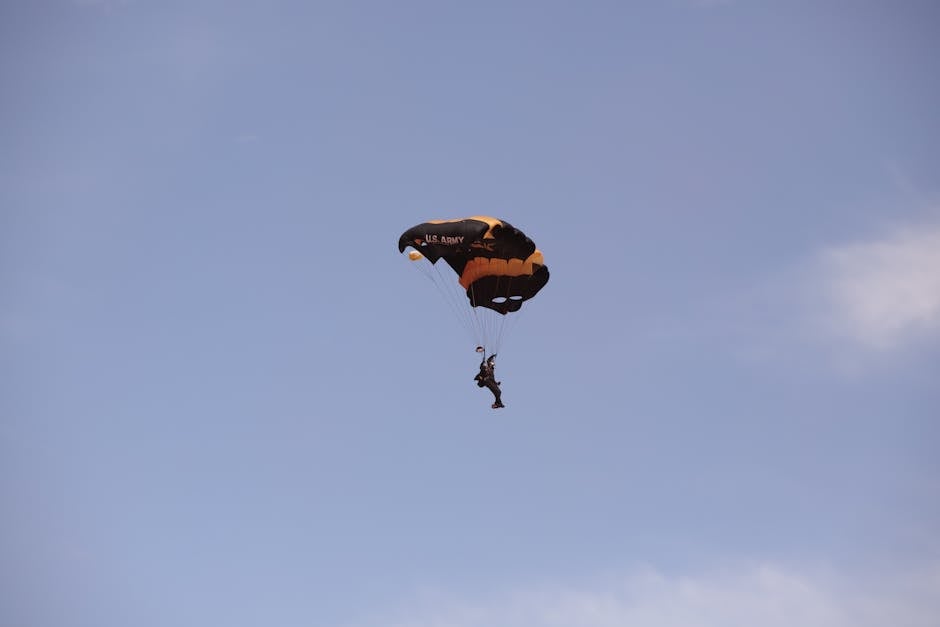
Thousands of US Army paratroopers have arrived in the Middle East, significantly augmenting American military presence in the region. This rapid deployment, primarily involving elements of the 82nd Airborne Division, underscores an intensified US military buildup aimed at deterring aggression and protecting American interests amidst escalating regional tensions.
The movement of these elite light infantry forces, known for their rapid deployment capabilities, has taken place over recent weeks, with troops and equipment flowing into various staging areas across the Middle East. Their arrival is a direct response to the volatile security landscape and the imperative to reinforce existing US forces.
Background: A Region on Edge
The Middle East has long been a focal point for US strategic interests, driven by energy security, counter-terrorism efforts, and the stability of key allies. For decades, the US has maintained a significant military footprint, adapting its posture to evolving threats and geopolitical shifts. The current deployment, however, marks a notable escalation in response time and scale.
Historical Context of US Presence
Following the Gulf War in 1991 and the subsequent interventions in Afghanistan and Iraq, the US established a robust network of bases and partnerships across the Arabian Peninsula and the wider Levant. This presence has historically served multiple purposes, including projecting power, conducting training exercises with host nations, and providing security assurances.
Over the past decade, US military strategy in the region has seen adjustments, including a partial pivot towards great power competition. Yet, persistent threats from state-sponsored proxies, non-state actors, and the potential for wider regional conflict have necessitated a flexible and responsive force posture.
Escalating Regional Tensions
The current phase of heightened tensions stems primarily from the ongoing conflict between Israel and Hamas, which erupted in early October. This conflict has reverberated across the region, triggering a surge in attacks by Iran-backed militant groups against US forces and interests in Iraq and Syria, and escalating rhetoric from various regional actors.
Pentagon officials have consistently articulated a dual objective: to deter any actor from broadening the conflict and to protect US personnel and facilities. The deployment of additional forces, including advanced air defense systems and naval assets like carrier strike groups, preceded the arrival of the paratroopers, setting the stage for a multi-layered defensive and deterrent posture.
The Role of the Immediate Response Force (IRF)
The 82nd Airborne Division, based at Fort Bragg (soon to be Fort Liberty), North Carolina, serves as the core of the US Army’s Immediate Response Force (IRF). This specialized unit is designed to deploy anywhere in the world within 18 hours of notification. Its mission is to provide a rapid, decisive military option in response to crises, ranging from humanitarian aid to combat operations.
The activation and deployment of IRF elements signal a serious assessment of the threat landscape. Previous IRF deployments have included responses to threats against US embassies or personnel, natural disasters, and unexpected regional flare-ups. The current deployment highlights the perceived urgency and gravity of the situation in the Middle East.
Key Developments: A Rapid Buildup
The arrival of thousands of paratroopers represents a significant and visible component of the broader US military buildup. This influx of personnel and equipment is designed to enhance force protection, provide flexible response options, and send a clear message of resolve to potential adversaries.
Deployment Numbers and Units
While specific numbers fluctuate based on operational requirements, reports indicate that several thousand paratroopers, primarily from the 82nd Airborne Division’s Brigade Combat Teams, have been deployed. These units bring a range of capabilities, including light infantry operations, airborne assault, reconnaissance, and security operations.
The deployment involves not only infantry personnel but also critical support elements such as logistics, communications, intelligence, and medical units. This comprehensive approach ensures that the deployed forces are self-sustaining and capable of operating effectively in a dynamic environment.
Strategic Locations and Logistics
The paratroopers have been directed to various US military installations and staging areas across the Middle East, including Kuwait, Jordan, and the United Arab Emirates. These locations provide strategic depth, established infrastructure, and proximity to potential hotspots, allowing for rapid movement if necessary.
The logistics of such a rapid deployment are immense, involving extensive airlifts of personnel and equipment from the continental US. C-17 Globemaster III and C-130 Hercules transport aircraft have been instrumental in ferrying troops, vehicles, and supplies across thousands of miles, demonstrating the US military’s global reach and logistical prowess.
Deterrence and Force Protection Objectives
Pentagon statements have consistently emphasized that the primary objectives of this buildup are deterrence and force protection. The presence of a substantial, highly mobile ground force serves as a credible deterrent against any actor considering aggressive actions that could further destabilize the region or directly threaten US personnel.
Furthermore, these forces enhance the security posture of existing US bases and personnel who have faced an increasing number of drone and rocket attacks. The paratroopers can provide additional layers of defense, conduct patrols, and respond to threats on the ground, augmenting the capabilities of air defense systems already in place.
Coordination with Regional Allies
The deployment has involved close coordination with host nations and regional allies. These partnerships are crucial for facilitating the movement of troops and equipment, sharing intelligence, and conducting joint exercises. The presence of additional US forces also provides reassurance to allies who are concerned about regional stability and the potential for a wider conflict.
Discussions with allied defense ministries have focused on mutual security concerns, de-escalation strategies, and the importance of maintaining open lines of communication to prevent miscalculation. The US remains committed to supporting its partners in the face of evolving threats.
Impact: Shifting Dynamics and Perceptions
The arrival of thousands of US paratroopers has immediate and far-reaching implications, influencing regional stability, the calculus of adversaries, and the confidence of allies. This significant military move reshapes the strategic landscape, even if no shots are fired by these specific units.
Regional Stability and Escalation Risks
The increased US military presence aims to stabilize the region by deterring further escalation. However, it also inherently carries the risk of miscalculation or unintended confrontation. The delicate balance of power in the Middle East means that any significant military movement can be perceived differently by various actors, potentially leading to a cycle of action and reaction.
Analysts suggest that while the deterrent effect is strong, the proximity of forces in an already volatile environment requires careful diplomatic and military management to avoid accidental clashes or provocations that could spiral out of control.
Perception by Adversaries
For adversaries, particularly Iran and its network of proxy groups, the deployment sends a clear message of US resolve. It signals that the US is prepared to defend its interests and personnel, and that any attacks could incur a swift and robust response. This could lead to a tempering of aggressive actions, or conversely, be perceived as an escalation by the US, potentially fueling further proxy activity.
The mobility and rapid response capability of paratroopers are particularly relevant here, as they present a credible ground threat that complements air and naval power. This multi-domain approach complicates the planning of potential adversaries.
Reassurance for Allies
For US allies in the region, the deployment offers a tangible demonstration of commitment and reassurance. Countries like Saudi Arabia, the UAE, and Jordan, who share concerns about regional instability and the influence of hostile actors, see the enhanced US presence as a vital bulwark against aggression.
This reassurance can strengthen diplomatic ties and encourage continued cooperation on security matters. It also helps to counter narratives that question the long-term US commitment to the region, especially after previous drawdowns of forces.
Strain on Resources and Personnel
Rapid deployments of this scale place significant strain on military resources, logistics chains, and personnel. Troops are pulled from their regular training cycles, families face uncertainty, and the operational tempo increases dramatically. While the US military is designed for such contingencies, sustained high-readiness deployments can lead to fatigue and equipment wear.
The financial cost of maintaining an intensified presence, including transportation, sustainment, and operational expenses, also represents a considerable investment, drawing resources that could otherwise be allocated to other strategic priorities.
What Next: Evolving Mission and Future Outlook
The deployment of thousands of paratroopers is not a static event but part of an ongoing, dynamic response to a fluid security environment. The mission parameters, duration, and potential for further actions remain subject to regional developments and strategic assessments.
Potential for Further Deployments or Rotations
Depending on how the regional situation evolves, there remains a possibility of further troop deployments or rotations. Military planners continuously assess the threat landscape and adjust force posture accordingly. This could involve specialized units, additional air assets, or adjustments to the number of ground forces.
Should the current crisis abate, the deployed paratroopers may eventually be rotated out or return to their home stations. However, if tensions persist or escalate, their presence could be extended, or they could be augmented by other units to sustain the deterrent posture.
Evolving Mission Parameters
While the initial mission is focused on deterrence and force protection, the capabilities of the 82nd Airborne Division allow for a wide range of potential operations. Should the situation demand, their mission could evolve to include humanitarian assistance, non-combatant evacuation operations, or even direct combat roles, though such escalation would be a significant policy decision.
The flexibility inherent in light infantry units means they can adapt quickly to changing tactical requirements, from securing critical infrastructure to conducting rapid response operations.
Diplomatic Initiatives and De-escalation
Parallel to the military buildup, intensive diplomatic efforts are underway to de-escalate tensions and prevent a wider regional conflict. The US State Department, in coordination with international partners, is engaged in shuttle diplomacy, urging restraint and seeking pathways to resolve the underlying conflicts.
The military presence is intended to provide a strong hand for these diplomatic efforts, demonstrating that the US is prepared to back its words with action, while simultaneously creating space for peaceful resolutions without the immediate threat of further military entanglement.
Monitoring of Regional Actors
A critical ongoing task for the deployed forces, in conjunction with intelligence assets, is the continuous monitoring of regional actors, particularly those that pose a threat to US interests or regional stability. This includes tracking the movements and intentions of militant groups, assessing their capabilities, and anticipating potential attacks.
Real-time intelligence gathering and analysis are paramount to ensuring the safety of US personnel and informing strategic decisions regarding force posture and response options.
Long-Term Implications for US Strategy
The current deployment may have long-term implications for US military strategy in the Middle East. It could signal a renewed emphasis on rapid deployable ground forces as a key component of regional deterrence, potentially influencing future budget allocations, training priorities, and the structure of expeditionary forces.
The experience gained from this rapid response will also inform future doctrine and readiness planning, ensuring that the US military remains agile and capable of responding to complex global contingencies.


