
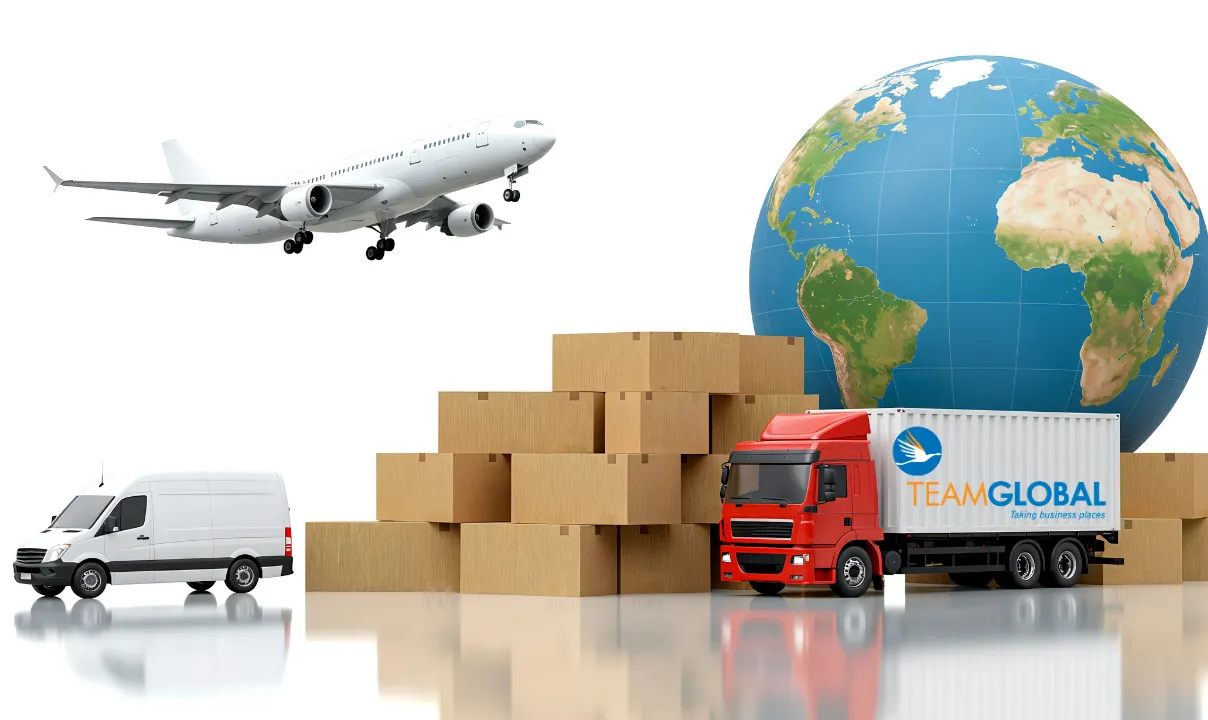
When a natural disaster strikes whether a devastating earthquake, a catastrophic flood, or a widespread famine time is the most critical factor. Delivering life-saving supplies to affected regions demands a highly coordinated, reliable logistics network. This is where global shipping services prove indispensable. From transporting food and medicine to moving heavy rescue equipment across continents, international freight forwarding and ocean freight logistics form the invisible backbone of every major humanitarian response.
Why Logistics is the Lifeline of Humanitarian Aid
Humanitarian aid is only as effective as the supply chain that delivers it. Relief organisations may have the resources, but without a robust freight network, those resources cannot reach people in need.
Global shipping networks connect donors, warehouses, and disaster zones across borders. They ensure that bulk cargo tents, water purification systems, medical kits, and emergency food rations moves quickly and cost-effectively from origin to destination.
Sea freight, in particular, plays a major role in large-scale humanitarian operations. Full Container Load (FCL) shipments are ideal for moving high volumes of relief materials in a single, secure consignment. Less than Container Load (LCL) consolidation, on the other hand, allows smaller NGOs and aid agencies to share container space, reducing costs while maintaining delivery speed.
How Sea Freight and Air Freight Work Together in Crisis Response
In the early hours of a disaster, air freight takes centre stage. Air cargo services offer the fastest mode of delivery for urgent, high-priority items such as vaccines, surgical supplies, and search-and-rescue equipment. Airlines and charter services are often the first responders in the logistics chain.
However, air freight capacity is limited and expensive. As the relief operation scales, sea freight forwarding becomes the primary channel for sustained aid delivery. Ocean freight allows organisations to move large quantities of supplies at lower cost over medium to long distances.
This combination of air freight for speed, sea freight for scale is the foundation of most international humanitarian logistics plans. Freight forwarders with experience in both modes are essential partners for aid agencies operating in complex environments.
The Critical Role of Freight Forwarders and Consolidation Services
Professional freight forwarders do far more than book cargo space. In a humanitarian context, they manage documentation, customs clearance, inland transportation, and last-mile delivery all under intense time pressure.
Sea cargo consolidation services are especially valuable for smaller aid shipments. LCL consolidation allows multiple organisations to share container space, enabling them to ship goods that would otherwise be too small or too costly to send as a full container.
Key contributions of freight forwarders in disaster relief include:
-
Customs facilitation — Expediting duty-free clearance for humanitarian cargo under international agreements
-
Multimodal coordination — Seamlessly combining sea, air, and road freight for end-to-end delivery
-
Hazardous cargo handling — Managing the safe transport of medical chemicals, fuel, and other sensitive materials
-
Real-time cargo tracking — Providing aid organisations with live visibility over their shipments
Experienced logistics providers with a strong global agency network can activate these services rapidly, which is crucial when every hour matters.
Challenges in Humanitarian Shipping and How They Are Overcome
Delivering aid is not without significant challenges. Disaster-affected regions often face damaged port infrastructure, disrupted road networks, and limited warehousing capacity. Political instability and complex customs regulations can further delay relief operations.
Freight forwarders with deep experience in international trade routes particularly to regions in Africa, South Asia, and Southeast Asia are better equipped to navigate these obstacles. Their established relationships with carriers, customs authorities, and ground agents allow them to find alternative routing options and clear cargo faster.
Technology also plays a growing role. Digital freight platforms with real-time tracking, electronic documentation, and online booking capabilities significantly improve response times. Automated scheduling, e-documentation, and digital communication tools reduce paperwork delays that can otherwise hold up critical aid.
Port congestion is another common hurdle. Having contingency plans such as alternative discharge ports or coastal shipping options for domestic redistribution ensures that aid keeps moving even when primary routes are blocked.
Conclusion
The scale and speed of humanitarian response depends directly on the strength of the global shipping network behind it. From sea cargo consolidation for bulk supplies to express air freight for urgent medical cargo, every component of international logistics plays a vital role in saving lives.
As a full-service logistics provider with expertise in FCL, LCL, air freight, and multimodal transport, Teamglobal Logistics is well-positioned to support time-sensitive, high-stakes cargo movements including those in challenging humanitarian environments. With a wide network of global agents, digital freight tools, and dedicated operational teams, Teamglobal brings the reliability and reach that aid operations demand.
If your organisation requires dependable global shipping services for humanitarian, project, or commercial cargo, partnering with an experienced freight forwarder can make all the difference.


