
The U.S. Army has suspended an unspecified number of aircrew members following multiple low-altitude helicopter flights near the Nashville-area home of musician Kid Rock. The suspensions, which took effect in late October 2023, stem from concerns regarding potential violations of flight regulations and professional conduct during routine training exercises.
Background
The incident came to light after reports and social media posts indicated several instances of military helicopters flying unusually low over a specific residential area in the Nashville vicinity. While the exact dates of all flights remain part of an ongoing investigation, initial complaints surfaced in mid-October, drawing attention to the frequency and proximity of the aircraft to private property, particularly the high-profile residence of Kid Rock, whose real name is Robert James Ritchie.
Initial Reports and Community Concerns
Residents in the affluent rural areas surrounding Nashville have long been accustomed to military air traffic, given the proximity to major installations like Fort Campbell, Kentucky, home to the 101st Airborne Division (Air Assault), and various Tennessee National Guard facilities. However, the recent flights were described by several locals as exceptionally low and disruptive, prompting a wave of concern regarding noise pollution, privacy, and potential safety hazards. Social media platforms became a focal point for these complaints, with some posts including video footage of the helicopters.
Aviation Regulations and Military Protocols
Military aviation operates under a complex framework of regulations, including Federal Aviation Administration (FAA) guidelines for airspace and minimum safe altitudes, as well as specific Army regulations. Army Regulation 95-1, "Flight Regulations," provides comprehensive guidance on flight operations, emphasizing safety, adherence to flight plans, and respect for civilian airspace and communities. Generally, military aircraft are required to maintain a minimum altitude of 500 feet above obstacles in uncongested areas and higher over congested areas, unless engaged in specific tactical training requiring lower altitudes, which must be pre-approved and carefully planned to minimize public disturbance. Noise abatement procedures are also a standard component of military flight planning, particularly near populated zones.
Unit Identification and Operational Context
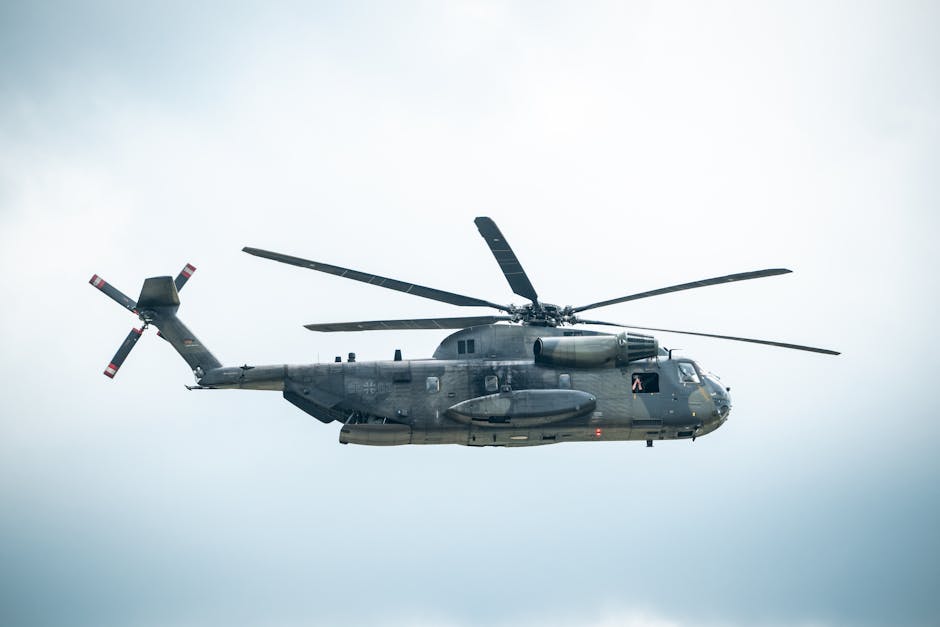
While the specific unit involved has not been officially named by the Army, speculation often points to units from Fort Campbell or elements of the Tennessee Army National Guard, both of which routinely conduct training flights in the broader region. These exercises are crucial for maintaining combat readiness, involving various mission profiles such as air assault operations, reconnaissance, and pilot proficiency training. The helicopters observed were reportedly UH-60 Black Hawks, a versatile utility aircraft frequently used by both active-duty Army and National Guard units.
Previous Incidents and Precedent
Incidents involving military aircraft disturbing civilian populations are not unprecedented. Historically, the military has faced scrutiny over noise, low-flying aircraft, and occasional accidents during training. Such events often lead to increased community outreach, reviews of flight paths, and, in cases of clear regulatory violation, disciplinary action. For example, a similar incident occurred in 2018 when a military helicopter was reported flying excessively low over a residential area in Arizona, leading to an internal review and revised flight procedures. These past events underscore the military's commitment to accountability and its efforts to balance essential training needs with public safety and quality of life.
Key Developments
The situation rapidly escalated from local complaints to an official Army investigation following the public outcry and direct inquiries to military authorities. The swift response from the Army highlighted the seriousness with which such allegations are treated.
Official Army Response and Investigation Launch
On October 26, 2023, the U.S. Army confirmed it was investigating the reports of low-flying helicopters near Kid Rock's residence. A spokesperson for the Army stated that "appropriate action" would be taken if violations were confirmed. By October 30, the Army announced the suspension of the involved aircrew, signaling a significant step in their internal inquiry. The investigation, initiated by the command elements responsible for the aircraft, aims to determine the precise circumstances of the flights, including adherence to established flight plans, altitude restrictions, and professional conduct standards.
Scope of the Investigation
The ongoing investigation is comprehensive, focusing on several key areas: * Flight Data Analysis: Reviewing flight recorder data, GPS logs, and radar tracks to reconstruct the exact flight paths, altitudes, and speeds of the helicopters.
* Aircrew Interviews: Conducting detailed interviews with all aircrew members involved in the flights, including pilots, co-pilots, and crew chiefs, to understand their decision-making process and awareness of regulations.
* Mission Planning Review: Examining pre-flight briefings, approved flight plans, and any deviation authorizations to ascertain if the flights were within the scope of their assigned missions.
* Communication Logs: Analyzing radio communications between the aircrew and air traffic control, as well as internal crew communications.
* Witness Statements: Corroborating flight data with statements from local residents and any official complaints filed.
* Regulatory Compliance: Assessing whether any Army or FAA regulations regarding minimum safe altitudes, noise abatement, or unauthorized maneuvers were violated.
Aircrew Suspension Details
The suspension means the aircrew members are temporarily removed from flight duties. They are grounded, assigned to administrative tasks, and prohibited from operating military aircraft until the investigation concludes and any necessary disciplinary or remedial actions are taken. While the exact number of suspended personnel has not been disclosed, it typically includes the pilot in command and potentially other crew members directly involved in the operation of the aircraft during the alleged incidents. This action is a standard precautionary measure to ensure the integrity of the investigation and to prevent further potential infractions.
Kid Rock’s Involvement and Public Statements
Kid Rock himself has not issued extensive public statements regarding the incident, but reports indicate his direct complaints or those from his representatives were instrumental in drawing military attention to the issue. His high public profile likely amplified the visibility of the complaints, ensuring a rapid and robust response from Army authorities. The involvement of a celebrity often brings a higher level of media scrutiny to such incidents, which can sometimes accelerate the investigative process.
Timeline of Events
Mid-October 2023: Initial reports and social media posts emerge regarding low-flying helicopters near Kid Rock's Nashville-area home.
* October 26, 2023: U.S. Army acknowledges the reports and confirms an investigation is underway.
* October 30, 2023: Army announces the suspension of involved aircrew members pending the outcome of the investigation.
* Early November 2023 – Present: Formal investigation continues, gathering evidence and conducting interviews.
Impact
The suspension of aircrew members and the ensuing investigation have had multifaceted impacts, affecting the individuals involved, their unit, military-civilian relations, and potentially broader operational procedures.
Impact on Suspended Aircrew
For the aircrew members involved, the suspension is a serious professional setback. Beyond the immediate grounding, they face the stress of an ongoing investigation, potential disciplinary action, and the uncertainty regarding their careers. Depending on the findings, consequences could range from formal reprimands and mandatory retraining to permanent grounding, reassignment, or even administrative separation from service. Such incidents can also have a significant psychological toll, impacting morale and future career prospects within military aviation. Their reputation within the close-knit aviation community can also be affected, irrespective of the final outcome.
Impact on the Unit and Operations
The unit to which the suspended aircrew belongs will also experience repercussions. The temporary loss of qualified personnel can disrupt training schedules, reduce operational readiness, and place additional strain on remaining aircrews. Commanders will need to adjust flight plans, reallocate resources, and ensure that essential training requirements are still met while maintaining safety standards. Furthermore, the incident can lead to a dip in unit morale, requiring leadership to address concerns, reinforce professional standards, and rebuild trust, both internally and with the public. There may be increased scrutiny on future flight operations and adherence to regulations.
Military-Civilian Relations and Public Perception
Incidents like this can strain the relationship between military installations and the surrounding civilian communities. While the military generally enjoys strong public support, especially in areas with a significant military presence, isolated events of perceived misconduct or disregard for civilian well-being can erode trust. The Army's swift action in suspending the aircrew aims to mitigate this by demonstrating accountability and a commitment to addressing public concerns. However, the incident serves as a reminder of the delicate balance between military training needs and the rights and peace of mind of civilian populations. It may prompt renewed efforts for community engagement and transparency from military commands.
Review of Regulations and Training Procedures
Depending on the investigation's findings, the incident could trigger a review of existing flight regulations, training procedures, or oversight mechanisms. If the flights were found to be deviations from standard practice or a result of inadequate training, corrective actions might include:
* Revised Flight Paths: Adjusting designated training areas or flight corridors to avoid sensitive residential zones.
* Enhanced Briefings: Implementing more stringent pre-flight briefings emphasizing regulatory compliance and community impact.
* Increased Oversight: Implementing additional layers of supervision or technological monitoring for training flights.
* Refresher Training: Mandating refresher courses on aviation ethics, professionalism, and community relations for aircrews.
This proactive approach ensures that lessons learned from such incidents contribute to continuous improvement in military aviation safety and conduct.
What Next
The coming weeks and months will be critical as the investigation progresses and potential outcomes are determined. The Army's commitment to a thorough process underscores the importance of maintaining public trust and upholding professional standards.
Investigation Timeline and Stages
The formal investigation is expected to proceed through several stages: 1. Fact-Finding Phase: This involves the detailed collection and analysis of all relevant data, interviews, and witness statements. This phase can take several weeks, depending on the complexity of the information and the number of individuals involved.
2. Report Generation: Once all evidence is gathered, an investigative report will be compiled, detailing the findings, identifying any violations, and outlining contributing factors.
3. Command Review: The report will then be reviewed by the appropriate command authorities, who will assess the findings and determine the appropriate course of action. This review ensures impartiality and adherence to military justice procedures.
4. Recommendations: The report may include recommendations for disciplinary actions, changes in policy, or improvements in training.
While a precise timeline is rarely provided for ongoing investigations, significant updates or conclusions are typically communicated once internal processes are complete.
Potential Disciplinary Actions
The range of potential disciplinary actions for the suspended aircrew is broad and depends entirely on the severity of the findings:
* Non-Judicial Punishment (NJP): For minor infractions, commanders can impose NJP (e.g., Article 15 of the Uniform Code of Military Justice), which can include reprimands, extra duty, reduction in rank, or forfeiture of pay.
* Administrative Actions: These might include formal counseling, letters of admonition or reprimand, removal from flight status (either temporarily or permanently), or administrative separation from service.
* Court-Martial: In cases of severe misconduct, gross negligence, or willful disregard for regulations that could endanger life or property, a court-martial could be convened, leading to more severe penalties, including imprisonment.
The Army's decision will be guided by the findings of the investigation, legal counsel, and established military justice protocols.
Preventative Measures and Policy Adjustments
Regardless of the specific disciplinary outcomes, the Army is likely to implement preventative measures to avoid similar incidents in the future. These could include:
* Mandatory Refresher Training: Emphasizing adherence to minimum safe altitudes, noise abatement procedures, and the importance of public perception for all aircrews.
* Enhanced Flight Planning Protocols: Requiring more detailed scrutiny of flight plans, particularly those over or near residential areas, with explicit approval from higher command levels.
* Technological Monitoring: Utilizing advanced GPS tracking and flight data recording systems to provide real-time oversight and post-flight analysis of compliance.
* Community Outreach Initiatives: Increasing engagement with local communities to inform residents about training activities and provide clear channels for reporting concerns.
These measures aim to reinforce a culture of safety, professionalism, and community respect within military aviation.
Future of the Suspended Aircrew
The future of the suspended aircrew members hinges directly on the investigation's conclusions. If cleared of significant wrongdoing, they may be reinstated to flight duties after any required retraining. If found culpable, their careers in military aviation could be severely impacted, potentially leading to reassignment to non-flying roles, administrative separation, or more severe judicial penalties. The Army's decision will be final, adhering to the principles of military justice and the need to maintain trust within the service and with the public.
This incident serves as a salient reminder of the constant vigilance required by military organizations to balance operational readiness with responsible conduct and respect for the civilian environment. The Army's transparent and swift response demonstrates its commitment to accountability and its ongoing efforts to foster positive relations with the communities it serves.


