
Britain has announced that approximately 40 countries are engaged in critical discussions aimed at ensuring the unhindered reopening and secure passage through the Strait of Hormuz, following a period marked by significant disruptions and threats to international shipping by Iran. These high-stakes diplomatic efforts underscore the global community's commitment to stabilizing one of the world's most crucial maritime chokepoints, vital for global energy supplies and trade.
Background: The Strategic Importance of the Strait and Historical Tensions
The Strait of Hormuz, a narrow waterway connecting the Persian Gulf with the Gulf of Oman and the Arabian Sea, is arguably the world's most important oil transit chokepoint. It is less than 40 kilometers (21 nautical miles) wide at its narrowest point, with the shipping lanes themselves being only a few kilometers wide in each direction. This geographical constraint makes it exceptionally vulnerable to disruption.
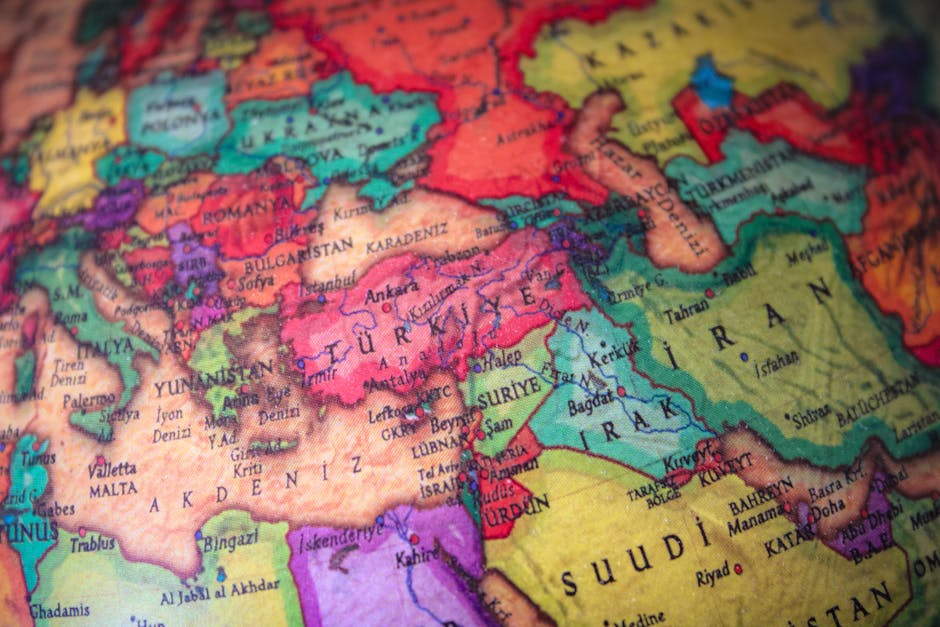
Through this vital artery, approximately 20-30% of the world's total seaborne oil, alongside a substantial portion of liquefied natural gas (LNG), passes daily. Major oil producers like Saudi Arabia, Iraq, Kuwait, Qatar, and the United Arab Emirates rely almost entirely on the Strait for their exports. Consequently, any threat to its navigability sends ripples across global energy markets, impacting prices, supply chains, and the economies of importing nations worldwide, including China, India, Japan, South Korea, and various European countries.
Historical Precedents of Disruption
The Strait of Hormuz has a long history of geopolitical tension, often involving Iran, which controls its northern flank. During the Iran-Iraq War in the 1980s, both sides attacked tankers in what became known as the "Tanker War," severely disrupting shipping and prompting international intervention, including naval escorts by the United States and other nations.
More recently, tensions escalated significantly in 2019 following the United States' withdrawal from the Joint Comprehensive Plan of Action (JCPOA), the international nuclear agreement with Iran, and the re-imposition of stringent sanctions. This period saw a series of attacks on oil tankers in the Gulf of Oman, drone incidents, and the seizure of commercial vessels by Iran's Islamic Revolutionary Guard Corps (IRGC). Notable incidents included attacks on the Norwegian-owned Front Altair and the Japanese-owned Kokuka Courageous in June 2019, and the seizure of the British-flagged Stena Impero in July 2019. These actions were widely perceived as Iranian responses to economic pressure and attempts to demonstrate its capacity to disrupt global energy flows, effectively creating a de facto blockade of safe passage for certain vessels and flags.
Iran has consistently asserted its right to control the Strait, citing its sovereignty and security interests. Iranian officials have repeatedly threatened to close the waterway in retaliation for perceived aggression or crippling economic sanctions, framing such actions as defensive measures. These threats, even when not fully executed as a complete physical closure, have consistently heightened insurance premiums for shipping, forced vessels to take longer, more expensive routes, and introduced significant uncertainty into global trade. The international community, conversely, upholds the principle of freedom of navigation through international straits, as enshrined in international law.
Key Developments: The Multinational Diplomatic Push
The recent announcement by Britain highlights a concerted international effort to move beyond reactive measures and establish a more stable, predictable environment for navigation through the Strait of Hormuz. The involvement of approximately 40 nations underscores the widespread recognition of the Strait's critical global importance and the collective desire to prevent future disruptions.
Nature and Scope of Discussions
These discussions are reported to be multifaceted, encompassing diplomatic, security, and economic dimensions. Diplomats from diverse geographical regions, including major oil-importing nations, key maritime powers, and regional stakeholders, are participating. While specific details of the talks remain largely confidential due to their sensitive nature, it is understood that they are exploring various mechanisms to guarantee freedom of navigation and de-escalate tensions.
One primary focus is believed to be the establishment of clearer protocols for maritime conduct and communication in the Strait. This could involve enhanced coordination among naval forces present in the region, the development of agreed-upon safe passage corridors, and mechanisms for real-time information sharing to prevent miscalculations and accidental escalations. The objective is to create an environment where commercial vessels can transit without fear of harassment, seizure, or attack.
Iran’s Evolving Stance and Regional Dynamics
Iran's participation, or its willingness to acknowledge and respect the outcomes of these discussions, is paramount. While Iran has not formally "closed" the Strait in a comprehensive sense, its past actions have created an environment of significant risk. Recent shifts in regional diplomacy, particularly the rapprochement between Iran and Saudi Arabia facilitated by China, could potentially create a more conducive atmosphere for these discussions. Improved relations with Gulf Cooperation Council (GCC) states might reduce Iran's perceived need to leverage the Strait as a tool of geopolitical pressure.
However, Iran's fundamental security concerns, particularly regarding its nuclear program and the presence of foreign military forces in the Gulf, remain central to its strategic calculus. Any lasting solution for the Strait would likely need to address these broader geopolitical issues, possibly through confidence-building measures or a broader regional security dialogue that includes Iran. The discussions may also involve exploring ways to provide Iran with economic incentives or security assurances in exchange for its commitment to upholding international maritime law in the Strait.
Role of International Bodies and Mediators
International organizations, such as the United Nations (UN) and the International Maritime Organization (IMO), are likely playing a facilitative role, providing frameworks for dialogue and technical expertise on maritime safety and security. The UN, through its various diplomatic channels, could offer a platform for multilateral negotiations, while the IMO could help standardize maritime procedures and enhance communication protocols among vessels and regional authorities. Major powers like the United States, China, Russia, and the European Union are also significant actors, each with distinct interests and diplomatic leverage that could influence the trajectory of these talks. Their coordinated pressure and diplomatic engagement are crucial for securing Iran's buy-in and ensuring the enforceability of any agreements reached.
Impact: Global Repercussions of a Secure Strait
The successful reopening and sustained security of the Strait of Hormuz would yield far-reaching positive impacts across global energy markets, regional security, the shipping industry, and international relations. Conversely, a failure to achieve this goal would perpetuate uncertainty and amplify existing geopolitical risks.
Global Oil Markets and Energy Security
For global oil markets, a secure Strait would immediately translate into increased stability and predictability. The reduction of geopolitical risk premiums, which often inflate crude oil prices during periods of tension, would likely lead to more stable and potentially lower energy costs for consumers and industries worldwide. Major oil importers, particularly those in Asia like China, India, Japan, and South Korea, which are heavily reliant on Middle Eastern oil, would benefit immensely from assured supply routes. This stability is critical for their economic planning and national energy security.
Furthermore, a reliable Strait ensures the smooth flow of liquefied natural gas (LNG), which has become an increasingly important global energy source, especially for Europe seeking to diversify away from Russian gas. Any disruption to LNG shipments through Hormuz would have significant implications for global gas prices and energy diversification strategies.
Regional Security and Stability
Within the Middle East, a de-escalation of tensions in the Strait would be a cornerstone for broader regional stability. Gulf states like Saudi Arabia, the UAE, and Qatar, whose economies are deeply intertwined with oil and gas exports through the waterway, would experience enhanced economic security. It could foster an environment conducive to further diplomatic engagement and confidence-building measures among regional rivals, potentially paving the way for discussions on other contentious issues. Reduced naval confrontations and military posturing would lessen the risk of accidental escalation, benefiting all nations in the Persian Gulf.
Shipping Industry and Global Trade
The shipping industry would experience a significant reduction in operational costs and risks. During periods of heightened tension, insurance premiums for vessels transiting the Strait skyrocket, making trade more expensive. Shipping companies also face the difficult choice of rerouting vessels via longer and more costly alternative routes, such as around the Arabian Peninsula, to avoid perceived dangers. A secure Strait would eliminate these additional costs, streamline transit times, and restore confidence in the efficiency of global maritime trade. This positively impacts not just oil and gas, but all forms of cargo that traverse the region.
International Relations and Diplomacy
The success of these multinational discussions would represent a significant diplomatic achievement, demonstrating the efficacy of multilateralism in addressing complex global challenges. It could serve as a template for resolving other international disputes and reinforce the importance of adherence to international maritime law. For Iran, a commitment to ensuring free passage could potentially open avenues for improved relations with Western powers and other nations, potentially easing economic isolation and facilitating greater foreign investment, provided broader geopolitical issues are also addressed. It might also signal Iran's willingness to engage constructively on regional security matters.
What Next: Challenges and Expected Milestones
While the multilateral discussions offer a promising path forward, achieving a lasting and verifiable solution for the Strait of Hormuz presents significant challenges. The path ahead will likely involve several critical milestones and require sustained diplomatic effort, robust security assurances, and ongoing monitoring.
Potential Challenges to a Lasting Resolution
One of the primary challenges lies in reconciling Iran's national security concerns and its desire for regional influence with the international community's imperative for freedom of navigation. Iran's perception of external threats, particularly from the United States and its allies, often informs its strategic decisions regarding the Strait. Any agreement would need to address these underlying security dilemmas. Furthermore, the broader geopolitical context, including the status of Iran's nuclear program and the future of international sanctions, will inevitably influence Iran's willingness to cooperate on maritime security. A collapse of nuclear negotiations, for instance, could quickly undermine progress made on the Strait.
Verification and enforcement mechanisms will also be crucial. How will adherence to new protocols be monitored? What measures will be in place to deter future disruptions? These questions require robust, internationally agreed-upon frameworks that are acceptable to all parties, including Iran. The potential for rogue elements or non-state actors to disrupt shipping also remains a concern, necessitating comprehensive security strategies.
Expected Milestones and Future Steps
The initial phase of discussions, involving 40 countries, suggests a focus on consensus-building and outlining shared principles. The next likely milestone would be the formalization of these principles into a framework agreement or a series of coordinated measures. This could involve:
Establishment of a Joint Maritime Coordination Center: A multinational body, potentially including Iran, to facilitate communication, de-escalate incidents, and share intelligence regarding maritime traffic and potential threats.
* Agreed-Upon Rules of Engagement: Clear guidelines for naval forces operating in the Strait to prevent accidental confrontations and ensure predictable behavior.
* Enhanced Surveillance and Monitoring: Deploying advanced technologies and collaborative patrols to ensure transparency and rapid response to any incidents.
* Diplomatic Channels for Dispute Resolution: Formal mechanisms for addressing grievances or misunderstandings among littoral states and international shipping interests.
The Role of Various Actors
The United Nations, potentially through the Security Council, could play a vital role in endorsing any comprehensive agreement, lending it international legitimacy and providing a platform for enforcement. The P5+1 nations (China, France, Russia, United Kingdom, United States, plus Germany), given their historical involvement in nuclear negotiations with Iran, retain significant diplomatic leverage and could be instrumental in brokering security guarantees or economic incentives. Regional organizations, such as the GCC, will also be critical in ensuring regional buy-in and cooperation.
Potential Outcomes and Long-Term Stability
The most optimistic outcome would be a phased reopening of the Strait to full, unhindered commercial traffic, underpinned by a robust, internationally recognized security framework. This would involve Iran committing to respect freedom of navigation in exchange for security assurances and potentially a reduction in economic pressure. Such an outcome would significantly de-risk global energy supplies and contribute to a more stable Middle East.
However, a less ambitious but still positive outcome could be a de facto reduction in incidents through improved communication and a mutual understanding of red lines, even without a formal, overarching agreement. The continued presence of international naval forces, coupled with a clearer understanding of Iranian intentions, might be sufficient to restore a degree of confidence.
Ultimately, the long-term stability of the Strait of Hormuz is inextricably linked to broader geopolitical developments in the Middle East. While these 40-country discussions are a crucial step towards addressing immediate maritime security concerns, sustained peace and security in the region will require ongoing diplomatic engagement, a commitment to de-escalation, and a willingness from all parties to seek comprehensive, rather than piecemeal, solutions to underlying regional tensions.


