Chetan Hansraj Hails VFX Work on Upcoming ‘Ramayana’ Project, Claims It Surpasses Hollywood Standards
Veteran television and film actor Chetan Hansraj has stirred conversation in the Indian film industry with his recent remarks about the visual effects work on an upcoming Ramayana adaptation. In an interview with Bollywood Hungama, Hansraj asserted that the VFX technology and execution being employed on the project surpasses current Hollywood standards.
Bold Claims About Indigenous VFX Capabilities
“What we are doing over here is better than what they use in Hollywood,” Hansraj stated during the interaction, drawing attention to the rapid advancement of visual effects infrastructure in India. The actor, known for his roles in series like Kahaani Ghar Ghar Kii and films such as Masti and Once Upon a Time in Mumbaai, did not specify which particular Ramayana production he was referring to, as multiple adaptations are reportedly in various stages of development across the Indian film industry.
His comments arrive at a time when Indian cinema’s VFX capabilities have come under increased scrutiny and celebration in equal measure. Recent blockbusters like RRR, Brahmāstra: Part One – Shiva, and Adipurush have showcased both the potential and pitfalls of large-scale visual effects work in Indian productions, with audience reception varying significantly across projects.
Multiple Ramayana Projects in Development
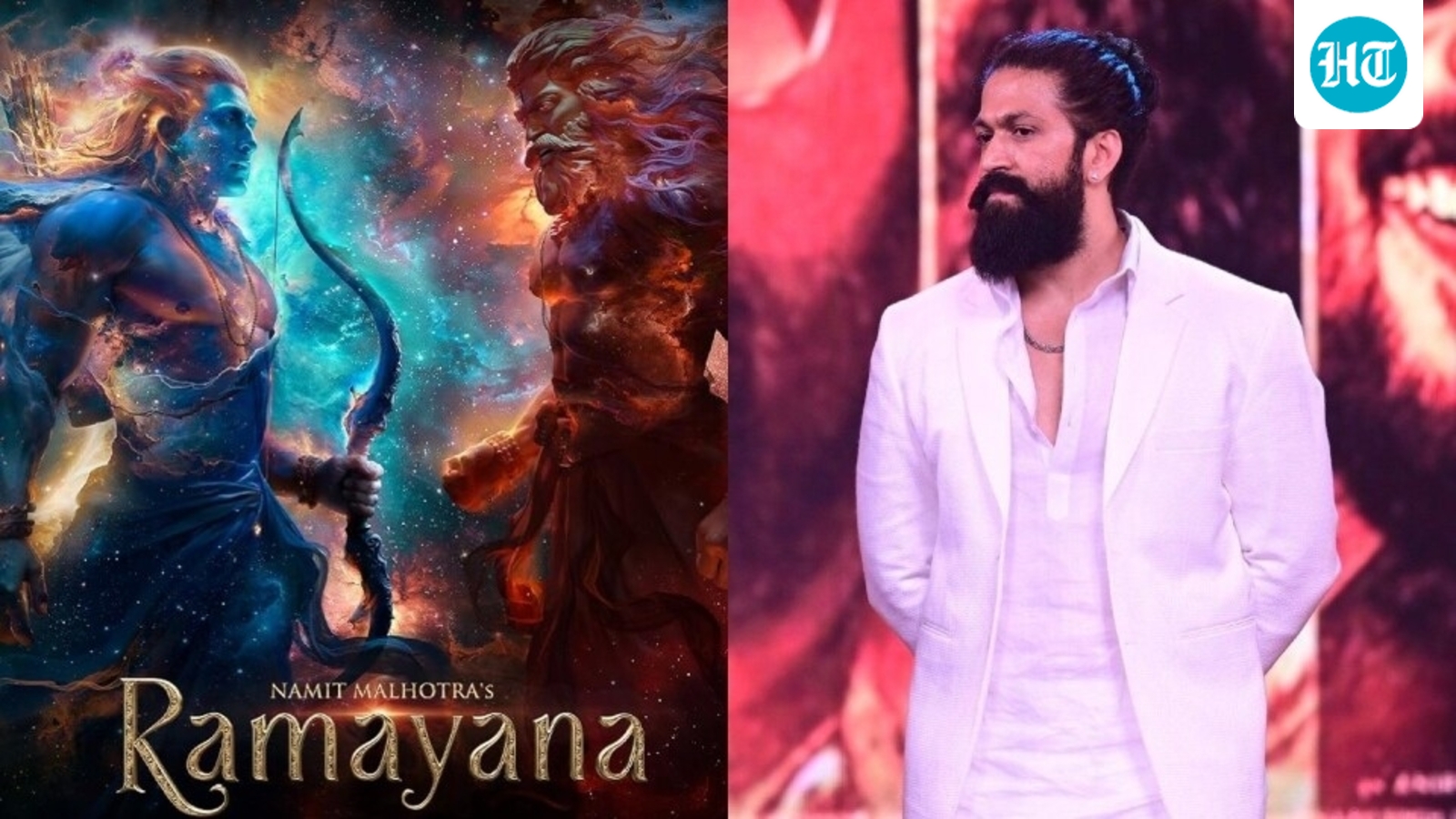
The Indian film landscape currently has several announced Ramayana adaptations in the pipeline. The most widely publicized is director Nitesh Tiwari’s ambitious three-part epic, which has been reported to star Ranbir Kapoor as Lord Ram, Sai Pallavi as Sita, and Kannada superstar Yash as Ravana. This project, backed by Namit Malhotra’s Prime Focus Studios and Allu Aravind’s Geetha Arts, has been in pre-production for an extended period with significant emphasis on its visual effects pipeline.
Separately, there have been reports of other Ramayana-inspired projects, including one reportedly involving Allu Arjun and another from the South Indian film industry. Without explicit confirmation from Hansraj or the production houses, it remains unclear which specific project’s VFX work he was referencing.
India’s Growing VFX Ecosystem
Hansraj’s claims, while bold, reflect a broader narrative about India’s visual effects industry. The country has emerged as a major global hub for VFX outsourcing, with studios like Prime Focus, DNEG (which has significant Indian operations), MPC, and Technicolor India handling substantial portions of Hollywood blockbuster work. Films like Dune: Part Two, Oppenheimer, and numerous Marvel Cinematic Universe entries have had critical VFX sequences executed by Indian studios.
However, the transition from service provider to creator of original, world-class VFX for domestic productions has been uneven. While RRR‘s “Naatu Naatu” sequence and certain scenes in Brahmāstra received international acclaim, other high-budget productions have faced criticism for inconsistent visual effects quality.
Industry Reaction and Context
Hansraj’s statement has generated mixed responses within industry circles. Some technicians view it as a positive sign of growing confidence in domestic capabilities, while others caution that such comparisons require objective technical benchmarks rather than subjective assessments.
“Indian VFX artists are undoubtedly world-class — they’re proving it every day on international projects,” said a senior VFX supervisor who requested anonymity. “The challenge for domestic productions has often been budget allocation, pipeline integration, and realistic scheduling rather than raw talent. If a production solves those structural issues, the results can absolutely compete globally.”
The actor’s comments also touch on a sensitive area for the Indian film industry, which has occasionally faced criticism for overpromising on technical achievements before release. The marketing campaign for Adipurush (2023), another Ramayana adaptation directed by Om Raut, heavily emphasized its visual effects innovations prior to release, only to face significant backlash over the final product’s VFX quality.
Technological Advancements Driving Change
Several technological factors support the possibility of Hansraj’s claim. The adoption of real-time rendering engines like Unreal Engine 5 in pre-visualization and virtual production, the increasing availability of high-performance computing infrastructure in India, and the return of experienced VFX artists from overseas stints have collectively elevated the domestic ceiling for visual effects work.
Prime Focus Studios, which is associated with the Nitesh Tiwari Ramayana project, has invested heavily in its Indian infrastructure, including a dedicated virtual production stage in Mumbai. The studio’s global work on films like Dune (which won the Academy Award for Best Visual Effects) demonstrates the technical capacity available within the Indian ecosystem.
Audience Expectations and Cultural Significance
Any Ramayana adaptation carries immense cultural weight and audience expectation in India. The epic has been adapted numerous times across television, film, and animation, with Ramanand Sagar’s 1987 television series remaining a cultural touchstone decades after its original broadcast. This historical context means visual effects in a new adaptation face scrutiny not just on technical merit but on how they serve the narrative and respect the source material.
“The VFX in a Ramayana film isn’t just about spectacle — it’s about visualizing the divine and the supernatural in a way that resonates with millions of people’s deeply held mental images,” noted film critic and historian Anupama Chopra in a recent commentary. “Technical excellence is necessary but not sufficient. The effects need to feel inevitable, not imposed.”
Production Timelines and Release Windows
As of August 2026, confirmed release dates for any major Ramayana adaptation remain unannounced. The Nitesh Tiwari project has reportedly faced scheduling complexities due to its scale and the availability of its star cast across multiple film industries. Industry insiders suggest a 2027-2028 release window is plausible for the first installment, though this remains speculative.
Hansraj himself did not indicate a timeline for the project he referenced, nor did he clarify his own involvement in the production. The actor has previously worked in mythological and historical genres, including the television series Jai Hanuman and the film Maharathi.
The Broader Implications for Indian Cinema
Regardless of which specific project Hansraj referenced, his comments highlight an ongoing shift in how Indian cinema positions itself technically. The narrative is moving from “catching up to Hollywood” to “defining our own standards,” with several filmmakers explicitly rejecting the comparison framework altogether.
Director S.S. Rajamouli, whose Baahubali and RRR films redefined expectations for Indian VFX, has previously stated: “We shouldn’t aim to match Hollywood. We should aim to tell our stories with the tools that serve them best. Sometimes those tools are cutting-edge VFX; sometimes they’re practical effects, strong writing, or performance. The technology serves the story, not the other way around.”
This philosophy — that visual effects should be evaluated in service of storytelling rather than as technical benchmarks — may ultimately be the more meaningful metric for any Ramayana adaptation, regardless of how its VFX compares to Hollywood productions.
What Comes Next
As development continues on the various Ramayana projects, industry observers will watch for concrete evidence — trailers, behind-the-scenes content, or festival screenings — that substantiate claims about visual effects quality. The gap between on-set confidence and final delivered product has historically been where many ambitious projects face their greatest test.
For now, Hansraj’s remarks serve as another data point in the evolving conversation about Indian cinema’s technical trajectory. Whether they reflect a genuine breakthrough or premature enthusiasm will only be determined when audiences finally witness the results on screen.
This article is based on reported statements from Chetan Hansraj to Bollywood Hungama. The specific Ramayana production referenced has not been independently confirmed. No release dates for major Ramayana adaptations have been officially announced as of publication.