Netflix Sci-Fi Thriller Hits 28 Million Views in Streaming Milestone
Netflix Sci-Fi Thriller Hits 28 Million Views in Streaming Milestone
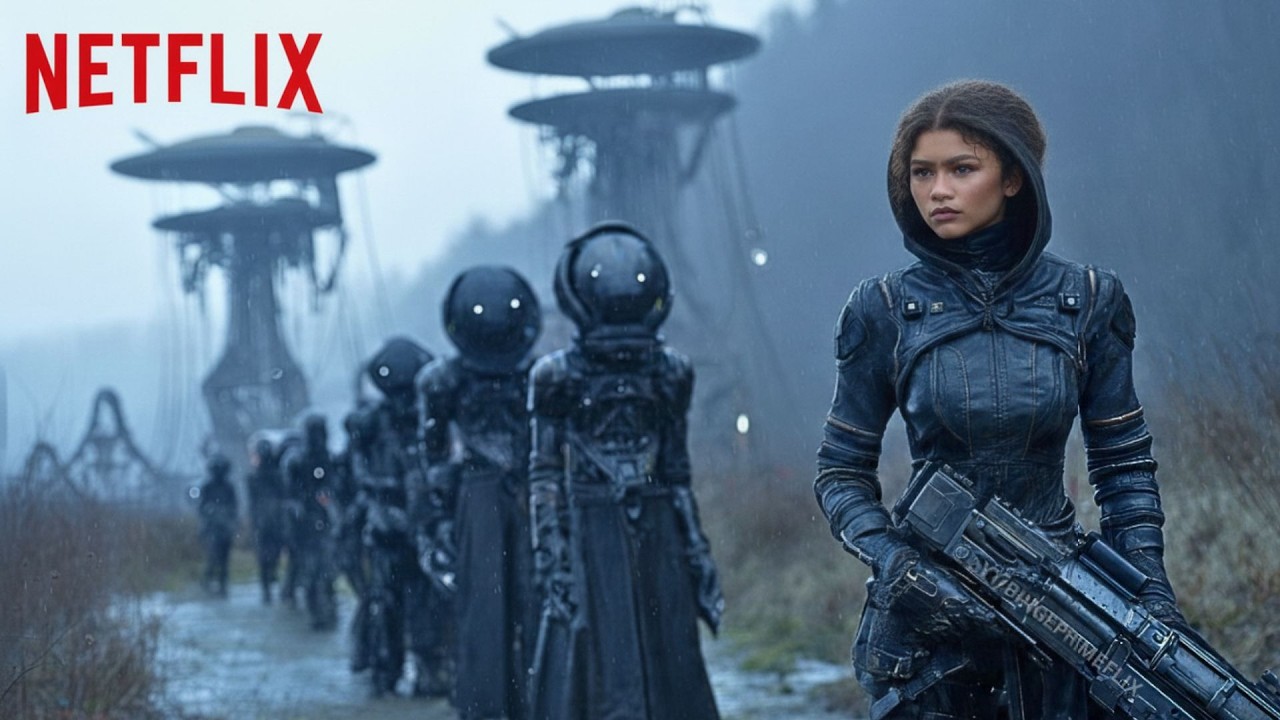
Streaming analytics continue to reveal the outsized appetite for science fiction content on Netflix, with IMDb reporting that a recently released 112-minute Netflix Sci-Fi Thriller has amassed nearly 28 million views since its debut. While the specific title has not been disclosed in the available reporting, the viewership figure underscores the genre’s reliable drawing power on the platform.
Viewership Milestone Context
The reported 28 million view count represents a significant achievement for any single title on the streaming service. Netflix typically counts a “view” when an account watches at least two minutes of a program, meaning the actual completion rate and total hours viewed could be substantially higher. For context, previous Netflix sci-fi successes like Bird Box and The Adam Project reached comparable thresholds within their first weeks of release.
Industry analysts note that science fiction consistently outperforms other genres in initial sampling rates on streaming platforms, attributed to high-concept premises that translate effectively in promotional materials and algorithmic recommendations.
Runtime as Strategic Factor
The reported 112-minute runtime positions the film in what streaming strategists consider a “sweet spot” for feature-length content—long enough to feel substantial but short enough to encourage single-sitting completion. Data from Nielsen and internal Netflix metrics previously shared with creators suggest films between 100-120 minutes see higher completion rates than both shorter and longer formats.
This runtime also aligns with traditional theatrical feature lengths, potentially indicating the project was either originally developed for theatrical release or designed to meet the expectations of viewers accustomed to cinema pacing.
Netflix’s Sci-Fi Investment Strategy
Netflix has allocated substantial resources to original science fiction production over the past five years, with mixed commercial results but consistent subscriber engagement. The platform’s strategy has encompassed both high-budget spectacles (The Gray Man, Rebel Moon) and more contained high-concept thrillers (Oxygen, Outside the Wire).
The reported success of this unnamed title suggests the latter category—mid-budget, concept-driven thrillers—may offer stronger return on investment. These productions typically require less visual effects expenditure while still delivering the genre elements that drive subscriber sampling.
Measurement Methodology Questions
It’s important to note that IMDb’s viewership reporting methodology differs from Netflix’s official engagement reports. Netflix began releasing more transparent engagement data in 2023 with its semi-annual “What We Watched” reports, which measure total hours viewed rather than household accounts. The IMDb figure appears to reference the older “account views” metric.
Without the specific title, it’s impossible to cross-reference this 28 million figure with Netflix’s official data or third-party measurement firms like Nielsen’s streaming ratings. The discrepancy between measurement systems remains a persistent challenge in evaluating streaming performance.
Genre Trends and Audience Behavior
Science fiction thrillers have benefited from several converging trends in streaming consumption. The pandemic accelerated adoption of genre content as escapism, while improved home viewing technology (4K HDR displays, immersive audio) enhanced the experience of effects-driven material previously reserved for theaters.
Additionally, social media discourse around “high-concept” premises—films with easily summarized, intriguing hooks—creates organic marketing that algorithms amplify. Titles with strong opening weekends often see sustained viewership through word-of-mouth and “watch party” cultural moments.
Competitive Landscape
Other streamers have attempted to replicate Netflix’s sci-fi success with varying results. Apple TV+ has invested heavily in prestige adaptations (Foundation, Silo), while Amazon’s MGM acquisition brought legacy franchises. Disney+ leverages Star Wars and Marvel properties. However, Netflix’s volume strategy—releasing 30-40 original films monthly—creates more frequent opportunities for genre breakthroughs.
The 28 million view figure, if accurate, would place this title among the stronger performers in Netflix’s 2024-2025 slate, though well below record-setters like Red Notice (364 million hours in its first 28 days per Netflix’s own data).
Industry Implications
For filmmakers and producers, the reported success reinforces several market realities: contained sci-fi concepts remain commercially viable, runtime discipline correlates with completion metrics, and Netflix’s recommendation engine remains a powerful discovery mechanism for genre content.
However, the lack of title identification in the IMDb report highlights an ongoing transparency issue. Without knowing which specific film achieved this milestone, the industry cannot analyze its creative elements, marketing approach, or audience demographics—data that would be valuable for future production decisions.
Marvel X-Men Reboot: Current Status, Casting Rumors, and What We Know About the MCU’s Mutant Debut
What Remains Unconfirmed
Critical details not available in the source reporting:
- The specific title of the 112-minute sci-fi thriller
- Release date or geographic rollout strategy
- Cast, director, or production company details
- Whether the 28 million figure represents global or regional viewership
- The time period over which these views accumulated (opening weekend, first week, first 28 days)
- Netflix’s official confirmation or engagement metrics for this title
Until Netflix includes this title in its official engagement reports or the film is identified through other verified sources, the specific achievement cannot be fully contextualized within the platform’s performance hierarchy.
Looking Ahead
As streaming measurement standardization efforts continue—driven by advertiser demand and creator guild negotiations—reports like this IMDb data point may become less common in favor of unified, auditable metrics. The Motion Picture Association and streaming platforms have been working toward common measurement standards, though progress remains incremental.
For now, the reported 28 million views for an unnamed sci-fi thriller serves as another data point in the broader narrative: Netflix’s algorithmic distribution model continues to efficiently connect genre content with receptive audiences, even without traditional marketing campaigns or theatrical windows.
When the title is officially confirmed, a more complete analysis of its creative strategy, audience reception, and place in the evolving streaming ecosystem will be possible.