Marvel X-Men Casting: Why the MCU’s Mutant Reboot Has Fans Buzzing
When Disney completed its acquisition of 21st Century Fox in 2019, the film rights to Marvel’s mutant heroes finally returned home. Five years later, the question isn’t if the X-Men will join the Marvel Cinematic Universe—it’s who will play them. With the MCU’s Phase 6 and beyond taking shape, the casting decisions for Charles Xavier’s students represent one of the most consequential creative choices Kevin Feige and his team have faced since Robert Downey Jr. first suited up as Iron Man.
The Weight of Legacy
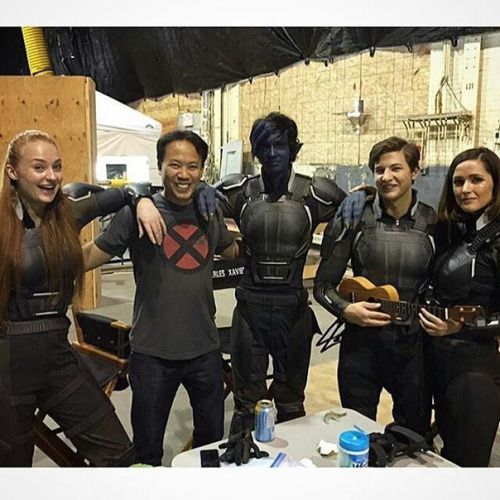
Any discussion of X-Men casting must acknowledge the shadow cast by the Fox franchise. Across thirteen films spanning two decades, actors like Hugh Jackman, Patrick Stewart, Ian McKellen, James McAvoy, Michael Fassbender, and Jennifer Lawrence didn’t just portray these characters—they defined them for a generation. Jackman’s seventeen-year run as Wolverine alone sets a standard that feels nearly impossible to match.
Yet Marvel Studios has navigated legacy characters before. Tom Holland’s Spider-Man succeeded where two previous iterations had diminishing returns. Chadwick Boseman’s Black Panther carried no live-action baggage yet became iconic. The studio’s track record suggests they understand the assignment: honor what came before while forging something distinctly new.
What’s Actually Confirmed
As of mid-2026, Marvel has made no official casting announcements for the core X-Men team. Kevin Feige confirmed at San Diego Comic-Con 2024 that mutants would arrive in the MCU, and Deadpool & Wolverine (2024) served as a multiversal bridge—bringing back Jackman and several Fox alumni for what was explicitly framed as a farewell. But the MCU’s primary X-Men roster? Still a blank slate.
What we do know: the studio has been meeting with actors for months, according to multiple trade reports. Casting directors Sarah Halley Finn and her team—responsible for assembling the Avengers—are leading the search. The process reportedly prioritizes ensemble chemistry over individual star power, a departure from the Fox era’s reliance on A-list anchors.
The Ensemble Challenge
The X-Men aren’t a solo hero with supporting players; they’re a team defined by interpersonal dynamics. Cyclops’ tactical rigidity clashes with Wolverine’s chaos. Jean Grey’s power terrifies even her allies. Storm’s regal authority contrasts with Rogue’s vulnerability. Casting isn’t about finding five great actors—it’s about finding five great actors who work together.
This is where the MCU’s television division could prove pivotal. With X-Men ’97 earning critical acclaim on Disney+, the animated series has reminded audiences of the team’s soap-operatic heart. Several voice actors from the show—including Ray Chase (Cyclops) and Jennifer Hale (Jean Grey)—have fan campaigns behind them for live-action roles. While voice-to-screen transitions are rare, the chemistry is pre-established.
Diversity as Non-Negotiable
The original X-Men comics were overwhelmingly white. The Fox films improved slightly but still centered white characters. The MCU’s X-Men must reflect the global audience Marvel now serves. This means Storm isn’t a token addition—she’s a co-lead. Characters like Bishop, Sunfire, and Cecilia Reyes deserve consideration from day one. The casting of Iman Vellani as Ms. Marvel (a mutant in the MCU) signals intent, but the X-Men film will be the true test.
Age range matters too. The “mutant metaphor” works best when the team spans generations: teenagers discovering their powers, young adults navigating identity, older mentors carrying historical trauma. A cast locked into a narrow age bracket undermines the franchise’s thematic core.
Villains Need Casting Too
Magneto is the gold standard for comic book antagonists—complex, sympathetic, terrifying. Michael Fassbender and Ian McKellen both delivered definitive takes. Whoever steps into that helmet faces unfair comparisons. But the X-Men rogues’ gallery runs deep: Mister Sinister, the Shadow King, Cassandra Nova, Orchis. A multi-film saga needs layered villains, not just a Master of Magnetism reprise.
Rumors persist that Marvel may delay Magneto’s introduction, focusing first on threats like the Sentinels or the Brood. This would mirror the MCU’s Thanos slow-build and allow the heroic ensemble to establish itself before the ideological counterweight arrives.
Directorial Vision Shapes Casting
No director has been officially attached to the first MCU X-Men film, though names like Shawn Levy (Deadpool & Wolverine), Ryan Coogler, and Chloé Zhao have circulated in industry chatter. The director’s sensibility will dictate casting priorities: a character-driven filmmaker may favor theater-trained unknowns; an action-oriented helmer might prioritize physical performers. Until that hire is announced, casting rumors remain speculative.
The Multiverse Variable
Marvel’s multiverse saga introduces a unique complication: variants. Could Patrick Stewart return as a variant Xavier? Might we see a Wolverine variant before the main-timeline Logan debuts? Deadpool & Wolverine proved audiences embrace multiversal cameos, but overreliance on legacy actors risks turning the MCU X-Men into a nostalgia act rather than a fresh start. The balance between fan service and new blood will define the franchise’s credibility.
Timeline Realities
Even with casting finalized tomorrow, production schedules suggest a 2027 filming start at earliest, targeting a 2028 or 2029 release. That’s a decade after Dark Phoenix (2019) and six years after the Fox merger. The gap has allowed audience palate cleansers—X-Men ’97, the Marvel Snap game, Krakoan era comics—to refresh the brand. But it also means expectations have calcified. Every casting choice will be dissected against decades of fan-casting wishlists.
Why This Casting Matters Beyond the X-Men
The mutants’ arrival reshapes the entire MCU. Mutantkind introduces genetic discrimination as a systemic theme, distinct from the Avengers’ “enhanced individuals” framework. It opens doors for characters like Namor (already established as a mutant in Black Panther: Wakanda Forever), Franklin Richards, and eventually the Fantastic Four’s molecular connections. The X-Men cast isn’t just joining a franchise—they’re becoming the backbone of its next saga.
The Verdict: Patience Over Speculation
“Perfect” casting is a myth. What exists is right casting—choices that serve story, theme, and longevity. Marvel Studios has earned trust through two decades of largely inspired decisions. When the announcements come—likely at a future D23 or Comic-Con—they’ll be the result of exhaustive screen tests, chemistry reads, and strategic planning we’ll never fully see.
Until then, the vacuum gets filled with rumors, fan edits, and heated debates. That’s the cost of anticipation. But if the MCU’s track record holds, the team that finally assembles at the Xavier School for Gifted Youngsters won’t just be perfect for the moment—they’ll be built to endure.