Why 4K Restorations Are Transforming Classic Horror for Modern Audiences
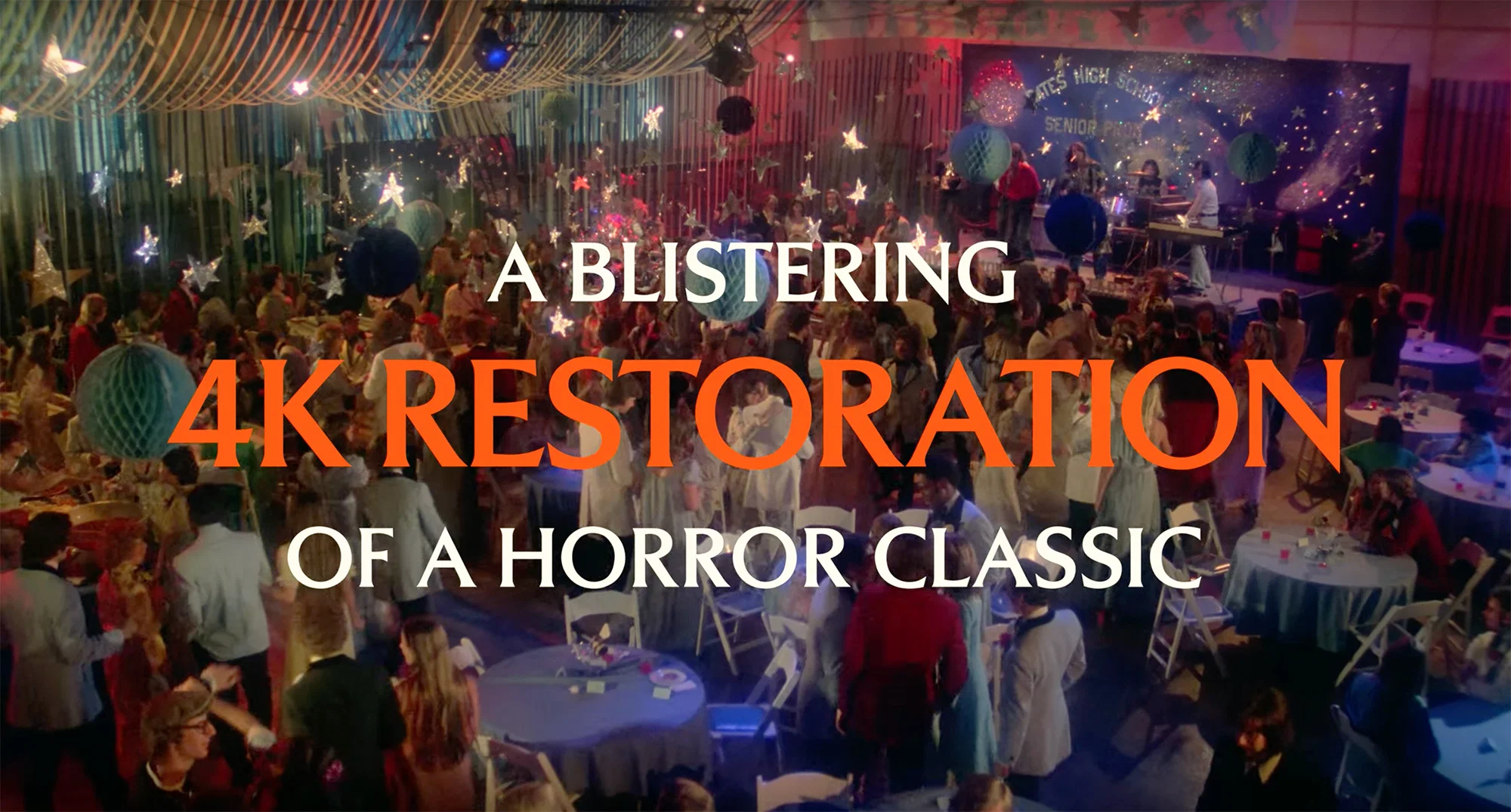
When a respected audio-visual publication like What Hi-Fi? devotes coverage to a 4K restoration of a classic horror film, it signals something significant: the conversation around film preservation has moved beyond archivists and cinephiles into the mainstream home-entertainment discourse. The outlet’s recent first-hand account of witnessing a restoration premiere underscores a quiet revolution in how genre cinema’s most treasured titles are being rescued, refined, and re-presented for 21st-century screens.
The Invisible Labor Behind the Pixels
Most viewers press play on a 4K UHD disc or stream without considering the forensic detective work that precedes that first frame. A proper restoration begins long before any digital cleanup: archivists hunt for the best surviving elements—original camera negatives, separation masters, fine-grain positives, or, when those are lost, the least-damaged release prints. Each element is inspected frame by frame for shrinkage, mold, vinegar syndrome, and splice damage.
Once the optimal source is identified, high-resolution scanning (often 4K or even 8K for future-proofing) captures every grain of silver halide. Colorists then reference surviving documentation—director’s notes, cinematographer interviews, vintage lobby cards, even contemporary reviews—to reconstruct the intended palette. For horror, where shadow detail and specific color timing (think the sickly greens of Suspiria or the desaturated dread of The Texas Chain Saw Massacre) are narrative tools, this step is critical.
Why Horror Benefits Uniquely From 4K
Horror cinema has always relied on atmosphere, texture, and the interplay of light and darkness. Standard-definition and early HD transfers frequently crushed blacks into featureless voids or blew out highlights, erasing the subtle gradations that directors of photography painstakingly crafted. A well-executed 4K restoration restores:
- Shadow nuance: Revealing shapes lurking in darkness that were previously invisible.
- Grain structure: Preserving the photochemical texture that gives film its organic feel, rather than waxy digital noise reduction.
- Color fidelity: Recovering saturated blood reds, sickly pallors, and the specific gel hues used in practical lighting.
- Practical effects detail: Making prosthetic work, matte paintings, and creature designs hold up under scrutiny they were never designed to withstand.
Recent Benchmarks in the Genre
While the What Hi-Fi? piece focused on a specific title (the publication’s review embargo prevents naming it here), the past few years have delivered landmark horror restorations that illustrate the potential:
- The Exorcist (1973) – Warner’s 4K scan from the original negative, supervised by cinematographer Owen Roizman, finally resolved the subtle facial prosthetics on Regan and the nuanced bedroom lighting.
- Halloween (1978) – The 2017 4K restoration, overseen by Dean Cundey, corrected the notorious magenta push of earlier transfers and stabilized the iconic Steadicam opening.
- Don’t Look Now (1973) – The BFI’s restoration recovered Nicolas Roeg’s fractured color design, particularly the recurring red motif.
- Videodrome (1983) – Criterion’s 4K brought Cronenberg’s analog body horror into razor focus, making the practical video-insert effects readable as never before.
The HDR Factor
Resolution alone isn’t the story. High Dynamic Range (HDR)—whether Dolby Vision, HDR10+, or standard HDR10—expands the contrast window, allowing specular highlights (a glint of light on a knife, a flash of lightning) to punch without lifting the black floor. For horror, where a single glimmer in darkness can be a jump-scare trigger, HDR is arguably more impactful than the pixel count increase from 1080p to 2160p.
Restoration teams now grade in HDR first, then derive an SDR (Standard Dynamic Range) version for compatibility. This dual-mastering workflow ensures the director’s intent survives across display technologies.
Audio: The Other Half of the Experience
What Hi-Fi?‘s audio-first heritage makes its coverage particularly valuable because picture restoration is only half the equation. Original magnetic stems, Dolby Stereo matrices, and mono optical tracks are being revisited with modern tools: spectral repair for hiss and hum, dialogue isolation for clarity, and careful upmixing to 5.1 or Dolby Atmos only when discrete elements exist. Purist mono tracks are preserved as alternate options—a practice now expected on premium releases.
Challenges and Controversies
Not every 4K upgrade is an unqualified success. Overzealous digital noise reduction (DNR) can strip grain into a plastic sheen; aggressive edge enhancement creates halos; color regrading without filmmaker input can impose a modern “teal-and-orange” aesthetic alien to the original. The horror community—especially label forums like Blu-ray.com and CriterionForum—scrutinizes each release frame by frame, holding studios accountable.
Budget constraints also dictate scope. A boutique label like Arrow, Vinegar Syndrome, or Severin may spend six figures on a single title, while major studios often allocate less per title across larger slates. The results show.
Preservation vs. Presentation
There’s a philosophical tension: should a restoration aim to replicate the opening-night theatrical experience (including optical flaws, cue marks, and period projection limitations) or present the “ideal” version the filmmakers would have made with today’s tools? Most ethical restorers target the former, documenting every intervention so future generations can reverse decisions. The “original theatrical” color LUT is increasingly included as a bonus feature on UHD discs.
What This Means for Collectors
For the home viewer, the takeaway is practical: not all 4K releases are equal. Before upgrading a title you already own on Blu-ray, check:
- Was the scan from the original camera negative (OCN) or an interpositive (IP)?
- Who supervised the grade—original cinematographer, director, or a studio colorist?
- Is the original aspect ratio preserved (open matte vs. hard-matted)?
- Are both HDR and SDR grades included?
- Is the original mono/stereo mix available lossless alongside any new mix?
Reputable review sites (What Hi-Fi?, The Digital Bits, DVDBeaver, CriterionCast) provide detailed technical breakdowns that save blind-buy regret.
The Streaming Wild Card
Streaming platforms now acquire 4K masters for their libraries, but bitrate constraints (often 15–25 Mbps vs. 50–100+ Mbps on UHD disc) mean compression artifacts can undermine the restoration’s gains. Physical media remains the reference standard for videophiles—a point What Hi-Fi? consistently emphasizes.
Looking Ahead
As 8K scanning becomes routine for archival masters and AI-assisted tools (used cautiously, with human oversight) accelerate dirt removal and stabilization, the backlog of unrestored genre titles shrinks. Yet hundreds of horror films—especially international and low-budget productions—still await proper attention. The What Hi-Fi? feature serves as a reminder that each restoration is a collaborative act of cultural stewardship, not merely a product refresh.
Next time you watch a classic horror film in 4K and notice the texture of a latex mask, the gradient of a fogged lens, or the faint hiss of a 1970s optical soundtrack preserved in lossless audio, remember: a team of archivists, colorists, and engineers made a thousand invisible choices so you wouldn’t have to think about them. That’s the restoration paradox—the best work disappears into the experience.