Christian Metal Band Demon Hunter Files Trademark Lawsuit Against Netflix Over ‘KPop Demon Hunters’
Band Takes Legal Action to Protect Brand Identity
Veteran Christian metal band Demon Hunter has filed a federal trademark infringement lawsuit against Netflix, challenging the streaming service’s use of the title “KPop Demon Hunters” for an upcoming animated series. The complaint, filed in the United States District Court for the Central District of California, argues that the show’s title creates a likelihood of confusion with the band’s long-established trademark and brand identity.
The legal move underscores the increasing friction between established musical acts and major entertainment platforms over intellectual property rights in an era of expansive content libraries. Demon Hunter, formed in 2000, has built a significant following over two decades, releasing ten studio albums and touring extensively. The band holds registered trademarks for the name “Demon Hunter” in connection with entertainment services, including live musical performances and recorded music.
Background on Demon Hunter
Demon Hunter emerged from the Seattle, Washington area in the early 2000s, quickly becoming a cornerstone of the Christian metal scene. Known for blending aggressive metalcore riffs with melodic choruses and spiritually themed lyrics, the group—led by brothers Don and Ryan Clark—has cultivated a dedicated global fanbase. Their discography includes notable releases such as “The Triptych,” “Storm the Gates of Hell,” and their 2022 double album “Exile” and “Peace.”
Beyond music, the band has expanded its brand into merchandise, a dedicated fan club known as “The Blessed Resistance,” and even a documentary film titled “45 Days” released in 2008. This multifaceted commercial presence forms the backbone of their trademark claims, asserting that the name “Demon Hunter” has acquired distinct secondary meaning in the marketplace for entertainment services.
Details of the Lawsuit
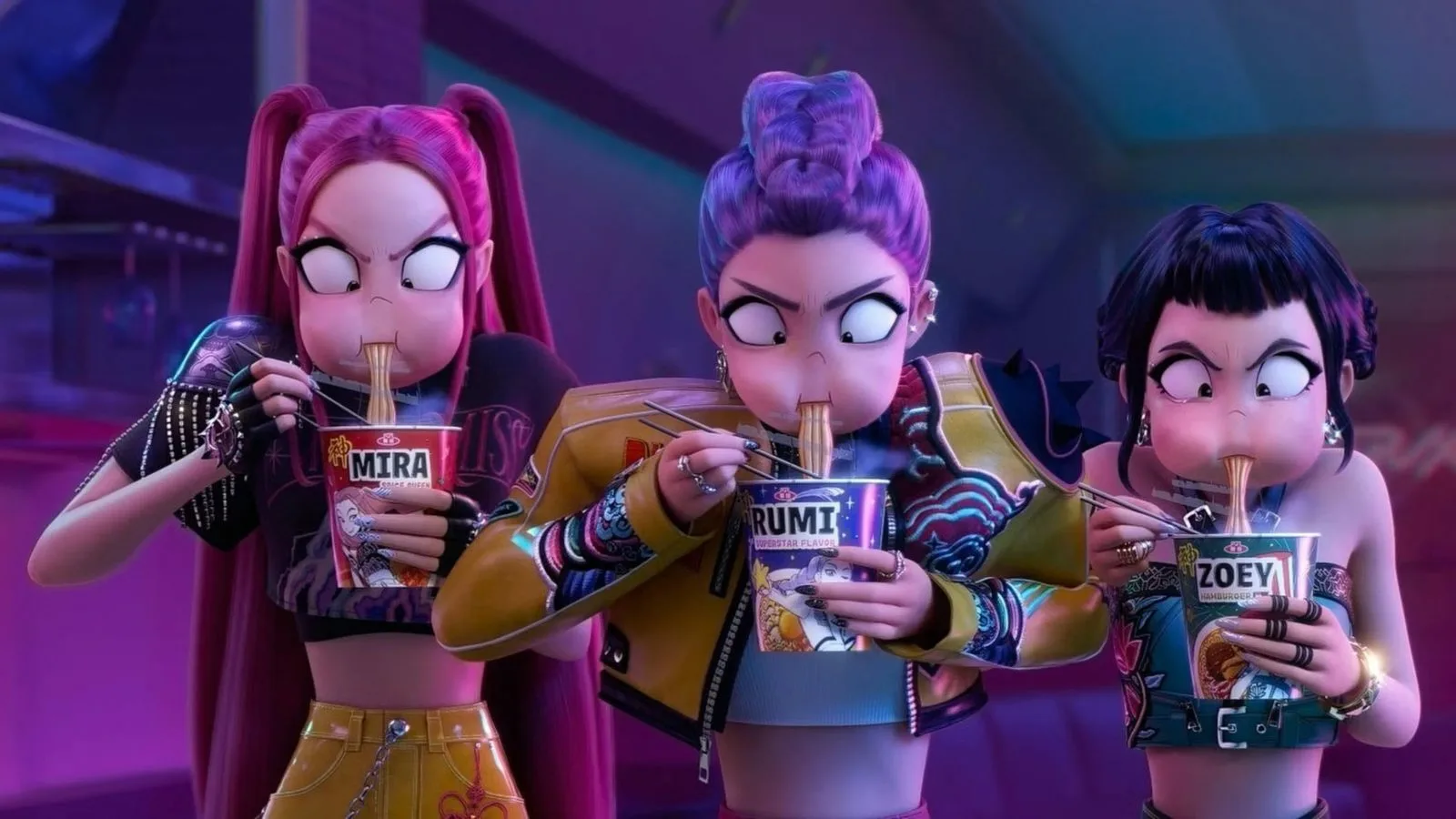
According to court documents, the core of Demon Hunter’s complaint rests on the Lanham Act, the primary federal trademark statute in the United States. The band alleges that Netflix’s use of “KPop Demon Hunters” for an animated series—described as following a K-pop girl group that secretly battles supernatural forces—creates a false association between the band and the production.
The plaintiffs argue that the dominant element of the show’s title is “Demon Hunters,” which is phonetically and visually nearly identical to their own mark. They contend that consumers encountering the Netflix title may mistakenly believe the band is affiliated with, endorses, or has licensed its brand for the series. The complaint seeks injunctive relief to stop the use of the title, as well as monetary damages, including potential profits attributable to the alleged infringement.
Specific details regarding the series’ production status or release date have not been widely publicized by Netflix beyond initial development announcements. The lawsuit suggests the band became aware of the title through promotional materials or industry listings and moved to protect its mark before the show’s launch.
Trademark Law and Entertainment Collisions
This case highlights the nuances of trademark law as applied to entertainment titles. While titles of single creative works (like a specific movie or book) are generally not eligible for trademark protection on their own, titles of series—such as TV shows, recurring concert tours, or ongoing comic book runs—can function as trademarks. Demon Hunter’s registration covers “entertainment services in the nature of live musical performances” and “sound recordings,” establishing a service mark rather than just a title mark.
Courts typically evaluate infringement claims using a multi-factor test for “likelihood of confusion.” Key factors include the similarity of the marks, the relatedness of the goods or services, the strength of the plaintiff’s mark, evidence of actual confusion, and the defendant’s intent. Here, the overlap between a musical act’s brand and an animated series about demon hunters presents a classic relatedness question: are music entertainment and animated television entertainment sufficiently related channels of trade?
Precedent exists for musicians successfully challenging media titles. Notably, the band “The Verve” faced issues with their name, and various artists have opposed trademarks for festivals, games, and shows that encroach on their established identities. However, each case turns heavily on specific facts, including the fame of the mark and the marketing overlap.
Netflix’s Position and Potential Outcomes
As of the filing date, Netflix has not issued a public statement regarding the litigation. The company typically responds to such complaints through formal legal channels, often filing a motion to dismiss or an answer denying the allegations. Netflix may argue that “KPop Demon Hunters” is a descriptive title for a show about K-pop stars who hunt demons, and that the addition of “KPop” sufficiently distinguishes it from the band’s name.
Another potential defense is fair use, specifically “nominative fair use” or “descriptive fair use,” arguing the term “demon hunters” is used descriptively to depict the characters’ function. However, using the phrase as the primary title of a series weakens a descriptive fair use argument, as it functions as a brand identifier for the show itself.
Possible outcomes range from a settlement—potentially involving a title change for the series or a coexistence agreement—to a full trial. Given the costs and uncertainties of litigation, many such disputes resolve confidentially. A title change for the animated series would be the most straightforward resolution, allowing Netflix to proceed with the property while respecting the band’s trademark rights.
Industry Implications
The lawsuit serves as a reminder to content creators and platforms of the importance of comprehensive trademark clearance before launching new properties. With the explosion of original content across streaming services, the risk of collision with existing brands—musical, literary, or otherwise—has intensified.
For musicians and other artists, the case reinforces the value of proactive trademark registration and monitoring. Demon Hunter’s federal registrations provide them with legal presumptions of ownership and validity, as well as the ability to pursue infringers in federal court—advantages that common law rights alone do not confer.
Observers note that the “KPop” prefix reflects the global surge in Korean pop culture popularity. Netflix has invested heavily in Korean content, including hits like “Squid Game” and “All of Us Are Dead.” The integration of “Demon Hunters” into a K-pop themed title may have been a marketing decision to signal genre and style, but it inadvertently intersected with a pre-existing, registered mark in the entertainment space.
What This Means for Fans and the Band
For Demon Hunter’s fanbase, the lawsuit is seen by many as a necessary step to protect the integrity of a brand they have supported for years. The band has historically maintained a strong, independent ethos, managing much of their business affairs directly. This legal action aligns with that protective stance.
Fans of the prospective animated series may face a delay or a rebranding. If the title changes, the core concept—a K-pop group fighting demons—remains viable. Netflix has a deep development slate and the resources to adapt quickly.
The band has not indicated that the lawsuit will interrupt their musical activities. They continue to tour and record, with recent activity including festival appearances and work on new material. The litigation is being handled by their legal counsel, allowing the members to focus on their creative output.
Looking Ahead
The case is in its early stages. The court will set a schedule for initial motions, discovery, and potentially a trial date if the matter does not settle. Key milestones to watch include Netflix’s formal response, any motion for a preliminary injunction (which would seek to block the title’s use immediately), and settlement negotiations.
Intellectual property attorneys suggest that the strength of Demon Hunter’s registrations and the direct overlap in the term “Demon Hunter” give the band a credible claim. However, the outcome will depend heavily on how the court views the relatedness of a metal band’s services and an animated streaming series, and whether the “KPop” modifier is deemed sufficient differentiation.
Regardless of the verdict, the dispute highlights the evolving landscape where music brands and streaming content increasingly occupy the same cultural and commercial space. Clearance searches and early legal counsel are becoming indispensable steps in the development pipeline for major platforms like Netflix.