Documentary ‘Skateboarding Is Not for Girls’ Explores Gender Barriers Beyond the Skate Park
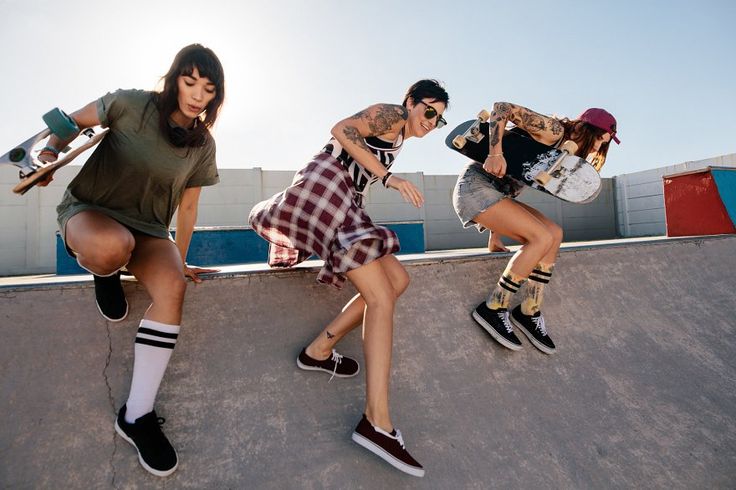
A documentary bearing the provocative title Skateboarding Is Not for Girls is making its way through the festival circuit, and early reactions suggest the film tackles far more than its name implies. While skateboarding serves as the entry point, directors and subjects alike describe a project that interrogates how gendered expectations shape access to public space, athletic recognition, and cultural legitimacy.
Title as Provocation, Film as Investigation
The documentary’s title replicates a phrase many female and non-binary skaters have heard repeatedly — shouted from passing cars, muttered at skate parks, or embedded in marketing that long centered male athletes. Rather than simply documenting that hostility, the filmmakers use it as a structural device. Each chapter of the film dismantles a different assumption behind the statement, moving from historical exclusion to contemporary representation gaps.
Festival programmers who have screened rough cuts note the film avoids a purely adversarial tone. Instead, it builds a mosaic of personal narratives, archival footage, and cultural analysis that traces how skateboarding’s outlaw reputation both reinforced and, paradoxically, created openings for marginalized participants.
Historical Context: From Sidewalk Surfing to Olympic Sport
Skateboarding’s journey from 1950s sidewalk surfing to its 2021 Olympic debut in Tokyo provides the film’s chronological backbone. Women were present from the earliest contests — Patti McGee won the first women’s national championship in 1964 — yet media coverage, sponsorship structures, and park design consistently centered men. The documentary draws a direct line between those early omissions and the cultural shorthand that still treats women’s presence in skate spaces as exceptional rather than expected.
Archival sequences contrast 1970s skate magazine spreads — where women appeared primarily as spectators or promotional models — with footage of pioneers like Ellen O’Neal and Laura Thornhill competing in near-empty women’s divisions. The film argues this visual erasure cemented the perception that skateboarding “belonged” to boys, a perception the title ironically invokes.
Contemporary Voices: Beyond Token Representation
The documentary’s core strength, according to early viewers, lies in its contemporary portraits. Rather than assembling a greatest-hits reel of today’s top female pros — though Olympians like Sky Brown and Momiji Nishiya appear — the film spends extended time with skaters navigating sponsorship negotiations, park politics, and the pressure to perform “progress” for an industry still learning how to market them.
One sequence follows a Midwest skate collective that converted an abandoned warehouse into a DIY park with explicit gender-inclusive guidelines. Their debates over rules, language, and accountability illustrate how inclusion requires ongoing labor, not just open doors. Another thread examines how social media algorithms amplify certain aesthetics — often favoring conventionally feminine presentations — creating new hierarchies within the community.
Intersectional Lens: Race, Class, and Geography
Critically, the film refuses to treat “girls” as a monolith. Directors incorporate perspectives from Black, Indigenous, and Latina skaters who describe compounding exclusions: skate parks built in affluent suburbs, contest circuits requiring travel budgets, and a media landscape that still codes “authentic” skate style through a narrow cultural lens. A segment on Native American skate communities in the Southwest connects land sovereignty to the right to build and occupy skate spaces.
Class analysis emerges through contrasts between skaters with corporate backing and those funding careers through service jobs. The documentary suggests the professionalization of skateboarding — accelerated by Olympic inclusion — risks replicating existing inequities unless structural barriers are addressed directly.
Industry Reckoning: Brands, Media, and Power
The film reserves pointed scrutiny for the skate industry itself. Interviews with former brand managers and magazine editors reveal how marketing decisions — deck graphics, team rosters, ad placements — were made in rooms without women present. One former executive admits on camera that “we didn’t know how to sell to girls, so we didn’t try.”
Contemporary brand representatives discuss efforts to diversify teams and marketing, but the film juxtaposes these statements with data on pay gaps, contract terms, and the persistence of “women’s” product lines that prioritize aesthetics over performance. The tension between performative inclusion and material change runs throughout the industry-focused sections.
Festival Reception and Distribution Prospects
Skateboarding Is Not for Girls premiered in the documentary competition at a major North American festival earlier this summer, where it received a special jury mention for “courageous structural storytelling.” Sales agents report active interest from streaming platforms and educational distributors, with particular enthusiasm from university gender studies and sports sociology departments.
The filmmakers have indicated a hybrid release strategy: festival run through fall, followed by limited theatrical in cities with active skate communities, then streaming debut timed to Women’s History Month 2027. Educational toolkits are in development for high school and college use.
Why This Film Matters Now
The documentary arrives at a cultural inflection point. Women’s skateboarding has never been more visible — Olympic medals, major magazine covers, signature shoe lines — yet participation rates at public parks still skew heavily male in most regions. The film argues visibility alone cannot dismantle barriers built over decades; it requires examining who designs parks, who judges contests, who controls narratives, and who profits.
By using skateboarding as a microcosm, Skateboarding Is Not for Girls speaks to broader struggles over who belongs in public space, whose athleticism receives recognition, and how subcultures negotiate mainstream acceptance without losing their radical edges. The title’s declaration becomes, by the film’s end, not a statement of fact but a ghost the documentary helps exorcise.
Looking Ahead
As the film prepares for wider release, its subjects continue the work documented on screen: building inclusive skate sessions, mentoring younger skaters, pressuring brands and municipalities for equitable resource allocation. The documentary captures a moment in that ongoing effort — not a victory lap, but a progress report from the front lines.
For audiences outside skate culture, the film offers an accessible entry point into conversations about gender, space, and power. For those inside, it provides a rare mirror reflecting both how far things have come and how the hardest work remains structural, not symbolic.