3 Things That Happen in Every Teenage Mutant Ninja Turtles Movie for the Past Forty Years
The Teenage Mutant Ninja Turtles have long been a staple of pop culture. Equal parts genre icon and parody, the Ninja Turtles inhabit a very unique space within our collective consciousness. What started as a gentle superhero spoof has blossomed into one of the best and most inventive stories in the entire genre, with the original comics adapted into various TV shows, movies, and video games. In fact, the Ninja Turtles have given us some of the best non-Marvel or DC superhero movies in cinematic history, which only further cements their status as one of the genre’s best hero teams.
In the years since their introduction, the Teenage Mutant Ninja Turtles have been adapted onto the big screen several times. While many of these movies are great and offer incredible action and humor, they also all seem to fall into very similar patterns. The following are all tropes or aspects that seem to feature in every Ninja Turtles movie, and though they all form a key part of the franchise, they also indicate the way that Hollywood hasn’t really managed to innovate the Turtles’ story yet.
3) Leonardo and Raphael Clash

The core of any Teenage Mutant Ninja Turtles movie is, naturally, its titular heroes. Leonardo, Raphael, Donatello, and Michaelangelo are some of the coolest and most personable heroes in the entire superhero genre, and their laid-back attitudes and mastery of martial arts make them effortlessly cool even as they fight against the forces of evil. However, one thing that seems to occur in every single Teenage Mutant Ninja Turtles movie is that there’s friction between two of the Turtle brothers.
Leonardo is the leader of the team, while Raphael is the hot-headed muscle that often challenges his brother’s authority. This is a well-established part of the team’s dynamic, but it’s growing pretty tiresome that every movie seems to make use of the tension between the two. The fact that they never seem to be able to put their differences aside is something that doesn’t make sense about the Teenage Mutant Ninja Turtles movies, as it’s such an overused idea that it has begun to feel totally cliché.
2) Shredder Is Involved In Some Way
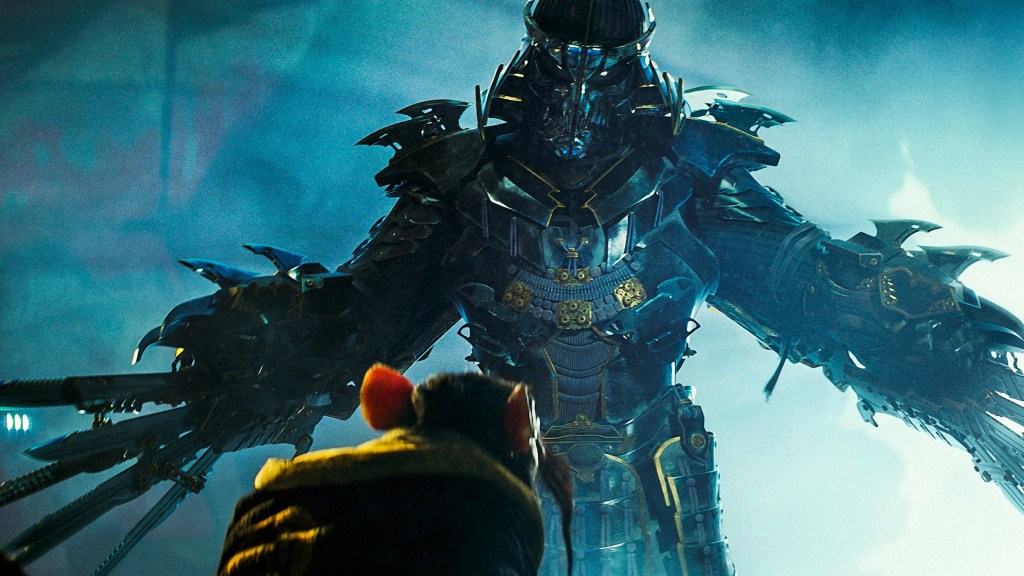
Though the Ninja Turtles’ story was conceived as a gentle parody, it has since come to embody many of the genre’s best qualities. This is also true of its handling of its antagonists, as they rank among some of the coolest superhero movie villains outside of Marvel and DC movies. Their most iconic foe is their archnemesis, the Shredder, the armored samurai-inspired leader of the villainous Foot Clan. As great a villain as he may be, he’s rapidly becoming a painfully overused character.
The sad truth is that Teenage Mutant Ninja Turtles movies seem to have a bizarre overreliance on the Shredder as a villain. While he might be the team’s best-known nemesis, he’s far from the most interesting. Even movies that opt to use a different villain as their main antagonist seem to hint at the Shredder’s involvement or tease his appearance in a sequel, meaning that he’s never far from any movie adaptation of the Turtles’ story.
1) We Always Learn A Lesson About Identity

In comparison to many other titles in the genre, the Teenage Mutant Ninja Turtles films rank highly among superhero movies that stayed true to the comics. Though specific ideas and visual styles might have changed drastically between adaptations, the core narrative themes always seem to remain intact. On the one hand, this should be considered a major strength of movies featuring the Ninja Turtles, but on the other, it has led to something that seems to happen in every one of their films.
By the end of the movie, you can guarantee that the audience will have learned a valuable lesson about identity and belonging. The most common points include not judging a person by their appearance or origins, and instead allowing their personalities and choices to define them. Having the Turtles fight to prove themselves heroes rather than mutants to be shunned has become such a core staple of their movies that this central theme has become one of the most overplayed elements of their many big-screen adaptations.