5 Times Marvel Movies Used Heroes As Villains (And How Well It Worked)
The Marvel Cinematic Universe is known for its expansive roster of heroes and villains, but it sometimes blurs the lines between the two. Since the franchise first began in 2008, the MCU has continued to introduce new and exciting characters adapted from the pages of Marvel Comics. Its stories of good versus evil have delivered some pretty epic moments, with powerful MCU heroes and villains battling it out on the big and small screen alike in the franchise. The long and storied history of Marvel Comics means there’s plenty of source material to draw from, with each hero typically having several villains they’re known to fight against in the comics.
Sometimes, though, the MCU opts to ignore these options, and instead uses a more heroic character as an antagonist. Interestingly, some of the best MCU villains have actually been heroes brought in to play an antagonistic role, flipping the script on the somewhat tired trope of morally-opposed characters doing battle. Unfortunately, not every example of this worked as well as Marvel might have hoped, with some of the villain turns of MCU heroes falling pretty flat with audiences even when others have worked pretty perfectly.
5) Namor in Black Panther: Wakanda Forever

For 2022’s Black Panther: Wakanda Forever, the MCU opted to introduce Namor, an iconic Marvel character in his own right, to serve as the movie’s villain. While he is often at odds with other heroes in the comics, the decision to use him as the movie’s main antagonist simply didn’t work. However, its depiction of him as an aggressor was not the issue, as the tension between Wakanda and Atlantis from the comics was effectively used as a key plot point. Instead, it was everything else about the MCU’s Namor introduction that was wrong.
The fact that Namor’s introduction stripped him of all of his most important Marvel connections made him seem an MCU hero that Marvel didn’t understand enough to adapt onto the big screen. His links to the X-Men, Captain America, the Hulk, and the Fantastic Four were all entirely absent, as was much of the backstory regarding his subnautical home. While he was a good choice for a hero serving as a villain, the movie’s depiction of Namor left too much to be desired for it to have properly worked.
4) Jean Grey in Spider-Man: Brand New Day
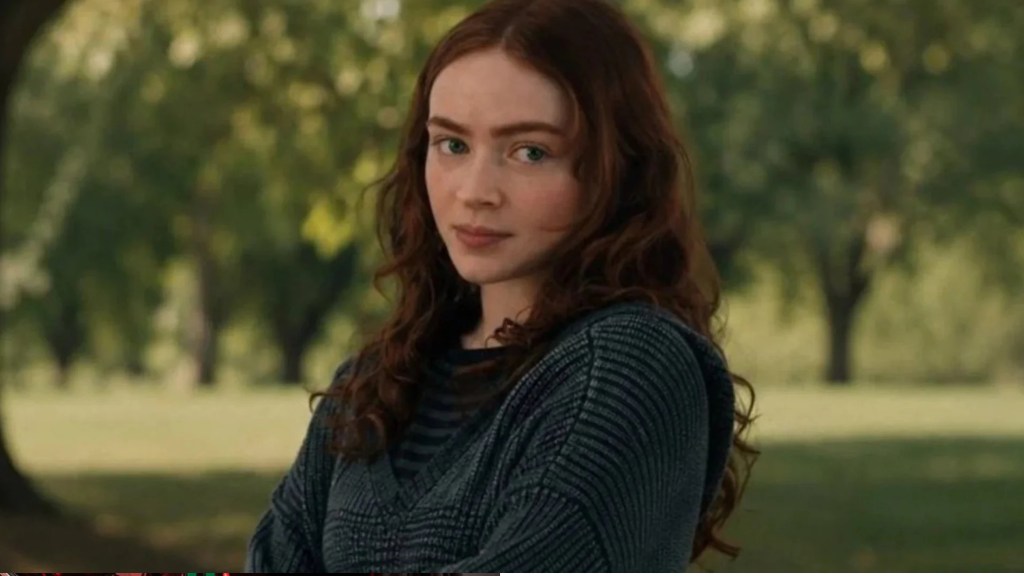
The release of Spider-Man: Brand New Day gently nudged the MCU ever closer to the long-awaited Mutant Saga, with its introduction of Jean Grey being perhaps the most exciting addition to the franchise for many years. The movie follows Spider-Man battling an initially unknown threat, later revealed to be the powerful mutant telepath Jean Grey as she searches for her sister. While other forces are pulling the strings that lead to Jean’s actions, she is, in every way that matters, the movie’s main antagonist.
Not only is Jean Grey perfect for the MCU’s first X-Men member, but Brand New Day used the character in the perfect way. Jean’s actions in the movie paint a sympathetic yet dangerous picture of mutantkind that will almost certainly feed into the widespread mistrust that fuels tension between the X-Men and humanity in the wider Marvel Universe. Using a highly anticipated release like Spider-Man: Brand New Day to introduce an upcoming hero as an MCU villain was a stroke of genius, and its depiction of Jean Grey’s backstory absolutely nailed the character’s debut.
3) Ikaris in Eternals

At the time of their introduction into the MCU, the Eternals were far from well-known Marvel characters. While the impressive ensemble cast the 2021 movie boasted painted a picture of a potentially incredible movie, Eternals was ultimately pretty underwhelming and is considered one of the franchise’s weaker entries. Instead of using Kro and the Deviants as the movie’s main antagonist as expected, Eternals opted for a mid-point plot twist that revealed Ikaris was actually working against the other members of the team to destroy the Earth.
By taking a prominent and powerful member of the hero team and reworking him as a villain, Eternals did the unexpected. Sadly, its loose handling of the characters’ comic book story meant that the film’s reveal did not have the impact it deserved, and using the hero as an antagonist fell flat. Ikaris may be a dead MCU character that needs to return, but his villainous role in Eternals really didn’t work anywhere near as well as other examples of the hero-to-villain idea.
2) Sentry in Thunderbolts*

Thunderbolts* had its fair share of surprises upon release, delivering developments that subverted the expectations set by trailers and other promotional material. The film’s biggest new addition to the MCU was Sentry, the super soldier who serves as Marvel’s answer to Superman. Sentry’s darker side, known as the Void, served as the movie’s main antagonist, meaning that its exciting new hero was also one of the franchise’s most powerful new villains.
As Sentry is already one of the most over-powered MCU heroes, his dual role as a villain worked brilliantly. The Sentry/Void story is a well-established part of Marvel canon, and Thunderbolts* used it to perfectly introduce the hero while also exploring his more complex dark side. In tackling Sentry’s dichotomous nature straight off the bat, the MCU made him one of its most interesting new heroes by having him also serve as an unintentional villain in his franchise debut.
1) Scarlet Witch in Doctor Strange in the Multiverse of Madness

When it comes to members of the Avengers who also have a villainous side, Wanda Maximoff is one of the most obvious examples. The Scarlet Witch has often appeared as both a hero and a villain in the comics, with her magical mutant nature setting her apart in a very lonely category even within the broad Marvel Universe. After playing a more supporting role in the Infinity Saga, Wanda kicked off the MCU’s Multiverse Saga by embracing her full potential, turning into a villain in the process.
Not only is the Scarlet Witch one of the MCU’s most powerful magic users, but she’s one of its most dangerous. Driven by her grief and then corrupted by the Darkhold, Wanda goes full villain for Doctor Strange in the Multiverse of Madness, where she starts tearing the Multiverse apart in the hopes of being reunited with her sons. Wanda’s villainy felt like an organic but tragic part of her character development, making the decision to use the one-time hero as a major MCU villain another stroke of brilliance.