colombia earthquake death
|

Colombia earthquake death toll crosses 250

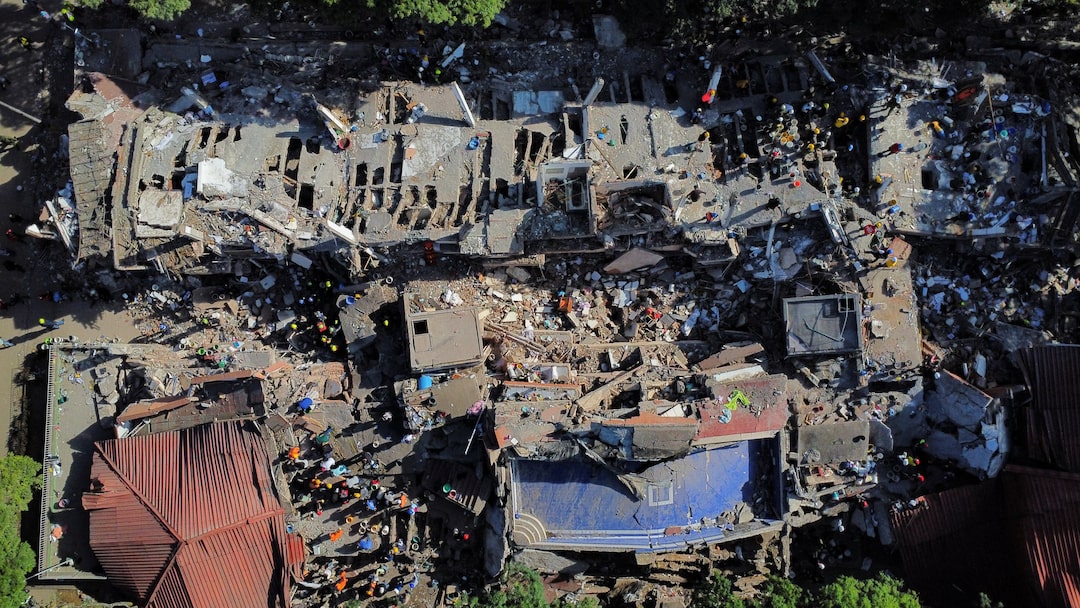
The death toll from a powerful earthquake in western Colombia has crossed 250 as rescue teams continue searching through collapsed buildings for survivors.

The 7.4-magnitude earthquake struck the country’s coffee-growing region early Monday. It caused widespread destruction across several cities and surrounding areas.

Local authorities reported that at least 254 people had died by Tuesday morning. Pereira recorded 101 deaths, while 95 fatalities were reported in Cali, Colombia’s third-largest city.

Rescue workers have been operating around the clock in the worst-hit areas. They are using cranes, excavators and heavy machinery to remove huge sections of concrete.

In some locations, rescuers have been forced to work with their hands. Volunteers have also joined the search, forming human chains to move debris away from collapsed structures.

Families have gathered near damaged buildings while waiting for news of relatives who may still be trapped. Rescue workers have reported finding both survivors and bodies beneath the rubble.

The earthquake severely damaged homes, apartment buildings, schools and medical facilities. Some structures were completely destroyed, while others were left unstable and unsafe for residents.

Cali suffered major damage. Several upper floors of a hospital collapsed, including areas used for paediatric treatment. Hospital officials said some patients became trapped, while hundreds of others were treated outside the damaged facility.

The city’s morgue reached capacity as authorities continued bringing in victims from affected areas. Medical and emergency services have been working under difficult conditions.

The United Nations humanitarian office estimated that around 5,000 homes had been damaged. Dozens of buildings collapsed, while hundreds of other residences were destroyed or seriously affected.

The earthquake also disrupted essential infrastructure. Electricity, water supplies, healthcare services and telecommunications were affected in several areas.

Authorities also closed six airports because of damage. Roads were damaged in multiple locations, creating additional difficulties for rescue teams and the delivery of emergency supplies.

The region near the epicentre has faced particularly severe disruption. Poor communications have made it difficult for authorities to assess the full scale of the disaster.

Nearly 100 aftershocks were recorded by Tuesday morning. Officials have warned residents and rescue workers to remain cautious as damaged buildings could collapse during further tremors.

President Abelardo De La Espriella visited the affected region and announced a three-month economic relief measure for residents of Risaralda. The government said the initiative was intended to support people and businesses affected by the disaster.

International assistance has also begun. The United States announced $15.5 million in emergency support for shelter, food, protection and damage assessments.

The Inter-American Development Bank said $50 million could immediately be made available for reconstruction support if requested by the Colombian government.

The United Nations said it was expanding its presence in the affected region to support humanitarian operations.

Officials cautioned that the final death toll and overall scale of the destruction could take several days to establish because communications remain disrupted in some of the hardest-hit areas.

Similar Posts

  • |

    Why people are belting Disney tunes at smart-glasses wearers

    If you suspect someone is secretly filming you with smart glasses, the internet has come up with an unusual defence. People are being told to start singing a Disney song out loud. The idea is not that singing will actually stop the recording itself. Instead, it relies on platforms’ copyright detection systems flagging the music and quietly taking the video down. Most major platforms scan uploaded videos for any copyrighted audio in the background. If a clip contains protected music, it typically gets muted, deleted, or in rarer cases, flagged for legal action. Copyright protection applies to lyrics, composition and melody alike, which means even a rough, off-key rendition can trigger removal. That loophole is exactly what people online are now trying to exploit. This trick has already spread across social media, with people from different countries picking it up. Reactions online have mostly ranged from disbelief to outright frustration at the whole situation. Many users have pointed out the irony that copyrighted music seems to receive stronger legal protection online than personal privacy does. Being filmed without consent, by comparison, often leaves people with far fewer options. Copyright law tends to apply fairly consistently across different countries, but privacy law is a different story entirely. It varies significantly from place to place, leaving many people, especially women, without a reliable way to get unwanted footage removed. The debate has grown louder alongside the rising popularity of smart glasses in everyday life. Meta’s Ray-Ban models have become the clear frontrunner in this fast-growing product category. As more people walk around with cameras built into their glasses, old arguments about filming strangers without consent have resurfaced. The devices have made it easier than ever to record someone without them even realising it. Meta has responded by saying it takes non-consensual filming seriously as a company. It has also made changes to the indicator light that shows when the glasses are actively recording. The company added that it has been removing certain types of content it considers harassment. This includes unsolicited, “pick-up line” style videos aimed at strangers without their consent.

  • |

    British Columbia declares state of emergency as explosive wildfire forces 22,000 to evacuate

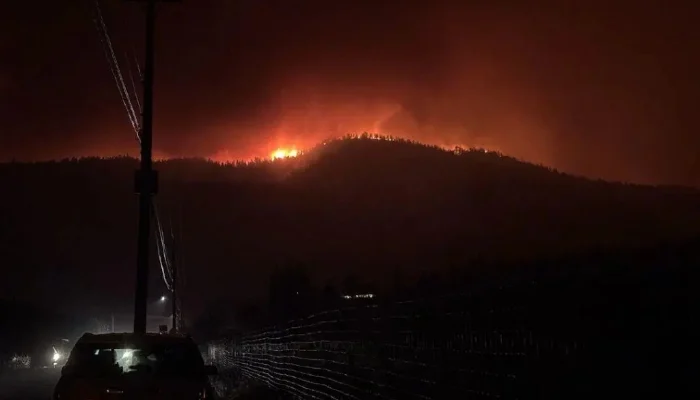
    The Canadian province of British Columbia has declared a provincewide state of emergency following a rapidly expanding wildfire that forced nearly 22,000 residents to evacuate their homes, with another 9,700 under active evacuation alerts. Over 100 wildfires are currently burning across the region, nearly half of which remain classified as out of control. The entire community of Summerland, comprising approximately 12,000 residents, received overnight mandatory evacuation orders alongside roughly 8,000 people in and around the neighbouring district of Peachland. Originating on Friday evening, the Bald Range wildfire expanded rapidly to cover roughly 50 square kilometres. The blaze swept through the rural settlement of Faulder before advancing approximately 15 kilometres towards Summerland at high speed. British Columbia Premier David Eby noted that an operational official characterised the rapid growth of the fire as being “like a bomb going off”. “I know many families are facing an unimaginable day today,” Eby stated. “People have lost their homes. And many people have been displaced. Others are waiting for news about loved ones.” Cliff Chapman, director of wildfire operations at the BC Wildfire Service, described conditions throughout the province as “explosive”. Due to fast-moving flames cutting off ground evacuation routes, officials dispatched firefighting helicopters to conduct aerial rescues for trapped residents. The declaration of a emergency grants provincial authorities extraordinary legal powers to enforce travel restrictions, secure emergency temporary housing for evacuees, and coordinate response efforts across affected sectors.

  • |

    China launches Arctic route to bypass global shipping chokepoints

    China is preparing to open a regular container shipping route through the Arctic as disruptions at major maritime chokepoints continue to affect global trade. The new service will operate through Russia’s Northern Sea Route along the Arctic coast. It is being presented as an alternative route between Asia and Europe. Chinese shipping company Sea Legend is expected to launch its first regular service on the route. The service will connect Ningbo in China with Felixstowe in the United Kingdom. The route has been described as the “Ice Silk Road”. It is designed to provide faster access to European markets. It could also improve trade links with Turkey and North Africa. The Arctic route could significantly reduce sailing times between China and Europe. The journey between Ningbo and Felixstowe normally takes around 40 days by traditional routes. The Northern Sea Route could cut the travel time by roughly half under suitable conditions. The route has gained attention as shipping companies look for alternatives to heavily congested and politically sensitive waterways. The Strait of Hormuz and the Bab al-Mandab have become major areas of concern for international shipping. Rising tensions in these regions have increased risks for vessels and raised costs for shipping companies. Marine risk experts say the Arctic is attracting greater interest from shipowners because it can offer shorter journeys and reduce exposure to geopolitical conflict zones. The Northern Sea Route is divided into 28 sections. Different rules and operating requirements apply along the route. Ships generally need permission from the Northern Sea Route administration, which is controlled by Russia’s state nuclear energy company Rosatom. Interest in the Arctic route is not new. Several international shipping companies have previously tested the Northern Sea Route. However, many European operators later avoided regular use of the route because of worsening relations with Russia. Concerns over the potential environmental impact of increased shipping in the fragile Arctic ecosystem have also remained a major issue. The changing climate has added another dimension to the debate. Shrinking sea ice has made some Arctic routes more accessible during parts of the year. The Arctic is now becoming an increasingly important area of competition among major powers. Russia considers the region strategically important for its economy and national security. It also views the Northern Sea Route as a major trade corridor. China has described itself as a “near-Arctic state” and has promoted the concept of a “Polar Silk Road”. Beijing sees greater Arctic access as an opportunity to expand trade and strengthen its global supply chains. The United States, meanwhile, has opposed efforts that could give Russia and China excessive control over Arctic routes. Washington has repeatedly supported freedom of navigation and greater international access to the region. The growing use of the Arctic shipping corridor could therefore have implications beyond commercial trade. For China, the route offers a potential way to reduce dependence on traditional maritime passages. For Russia, it could strengthen the economic importance of its Arctic coastline.

  • |

    US and Japan launch rare joint effort to strengthen yen

    The United States and Japan have launched an extraordinary joint currency intervention to prop up the Japanese yen after it plummeted toward a fresh 40-year low. The coordinated market operation aimed to curb severe exchange rate volatility and lower the escalating costs of imported food and energy burdening Japanese consumers and businesses. US Treasury Secretary Scott Bessent confirmed the bilateral action, while financial analysts noted that the move helped prevent Tokyo from dumping massive tranches of US government bonds to raise capital. Bank of Japan data indicates that Tokyo sold approximately 59 billion dollars in market reserves alongside parallel purchasing from Washington following political support from US President Donald Trump.

  • | |

    Jacob Batalon recalls iconic handshake with Tom Holland

    LOS ANGELES: Actor Jacob Batalon has opened up about the memorable handshake he shares with Tom Holland in the Spider-Man films, revealing that the fan-favourite moment was created spontaneously and has remained unforgettable over the years. Batalon, who has portrayed Ned Leeds since Spider-Man: Homecoming in 2017, said the signature handshake returned naturally while filming Spider-Man: Brand New Day. He explained that after performing it throughout several films, it had become second nature whenever the cameras started rolling. The actor recalled that the handshake was invented just minutes before filming one of their early scenes together. According to Batalon, the script simply required the characters to have a unique “best friends” handshake, leaving the two actors to create one on the spot. He said the quick improvisation unexpectedly became one of the most memorable moments of the franchise and has remained popular among fans ever since. Speaking about his relationship with Holland and the rest of the Spider-Man cast, Batalon described them as hardworking, humble and highly professional. He said spending years together on the film series had created a close bond that felt more like family than colleagues. Batalon added that watching his co-stars grow in their careers has been rewarding and expressed gratitude for being part of the successful superhero franchise. Spider-Man: Brand New Day, released in July 2026, continues its successful run in cinemas, with audiences embracing the return of the beloved characters and their on-screen chemistry.

  • | |

    Sindh High Court seeks record in Mustafa Amir murd…

    The Sindh High Court has expressed concern over delays in the trial of Mustafa Amir’s murder case. The court has sought the complete case record from the trial court. Mustafa Amir’s mother approached the high court against what she described as slow progress in the case. During the hearing, the court questioned why the proceedings had not moved forward. The court also asked whether Section 302 had been added to the case. The complainant’s lawyer said several cases were pending against suspect Armaghan. He alleged that different delaying tactics were being used to slow the proceedings. According to the lawyer, the defence had given several reasons for the delays. At times, disagreements reportedly occurred between the suspect and his parents. On other occasions, the defence lawyer did not appear in court. The suspect had also expressed a lack of confidence in the trial court. The court questioned why the cases were not proceeding despite the suspect being in jail. It observed that continued delays could keep him behind bars for years if he failed to secure bail. The complainant’s lawyer said the case was highly important. However, he claimed that the proceedings were mainly resulting in new hearing dates. The court said the trial should move forward quickly if the accused was using delaying tactics. It said the trial court and prosecution would be given directions to ensure the case proceeds without unnecessary delays. Justice Abdul Rahman also asked whether a medical board had been formed to conduct a psychological examination of the suspect. The complainant’s lawyer said the board had not yet been constituted. Justice Iqbal Kalhoro asked whether charges had been formally framed in the case. The court also directed the complainant to file an application seeking an early trial. The judges warned that prolonged delays could affect the evidence of witnesses. They said witnesses could forget important details if the proceedings remained pending for a long period. Meanwhile, CIA police have also started investigating the alleged drug-related aspect of the Mustafa Amir murder case. The complainant’s lawyer told the court that an application had already been submitted. He said the relevant material was available in the case diary. The court directed the authorities to submit a report at the next hearing. The report will include details of the case’s progress and the adjournments that have taken place. Speaking outside the Sindh High Court, Mustafa Amir’s mother said the case had been delayed for around one and a half years. She alleged that unnecessary delays were affecting the proceedings.

Leave a Reply

Your email address will not be published. Required fields are marked *