
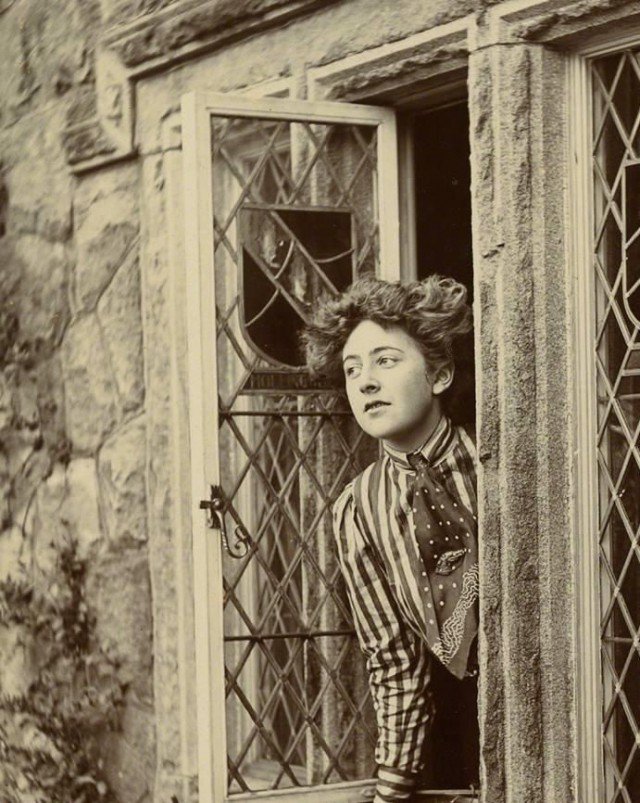
agatha christie rewrote
|

How Agatha Christie rewrote literary history

Few storytellers in human history have captured the collective imagination quite like Agatha Christie. She’s crowned globally as the undisputed Queen of Crime. Her staggering literary output transformed detective fiction from a niche genre into an international phenomenon. Decades after her passing, her narratives continue to dominate bookshelves, theater stages and modern adaptations.

The Birth of a Literary Legend

Her extraordinary career kicked off in 1920 with the publication of The Mysterious Affair at Styles. This landmark debut did far more than announce the arrival of a talented new voice; it introduced the world to Hercule Poirot. With his meticulous habits, grand mustache, and reliance on his famous “little grey cells,” the Belgian detective quickly became a favorite among mystery enthusiasts.

Over a writing career spanning more than half a century, Christie continued to shape the modern mystery landscape. She introduced a diverse ensemble of sleuths, most notably Miss Jane Marple. The deceptively gentle village spinster whose profound understanding of human flaws allowed her to solve the most baffling crimes. Together, Poirot and Marple helped define the Golden Age of detective fiction, establishing plot mechanisms, fair-play clues, and twist endings that writers still emulate today.

Unprecedented Global Scale

The  volume of Christie’s work is remarkable: 66 detective novels and 14 short story collections. However, her legacy is defined just as much by her unprecedented commercial reach. Holding the title of the best-selling fiction writer in history, her works have accumulated an estimated two billion copies sold worldwide.

Her stories have transcended cultural and linguistic boundaries, earning her the distinction of being the world’s most-translated individual author, with her books available in more than 100 languages. Her estate notes that her total readership and circulation figures are surpassed by only two literary pillars in recorded history: the Bible and the plays of William Shakespeare.

Record-Breaking Milestones

Among her immense bibliography, specific works stand out as unprecedented triumphs. Her 1939 masterpiece, And Then There Were None, perfected the locked-room survival mystery. The novel alone has sold roughly 100 million copies, placing it among the highest-selling individual books ever written.

Christie’s storytelling genius was hardly confined to prose. In 1952, she premiered The Mousetrap on the London stage. What began as a theatrical production turned into a record-shattering phenomenon, becoming the longest-running play in world history and proving that her ability to keep an audience guessing translates effortlessly across mediums.

A Cultural Imprint


What sets Christie apart from her contemporaries is her masterclass approach to narrative design. She approached her plots like intricate logic puzzles, seamlessly weaving red herrings alongside genuine clues. Rather than relying on overt gore, she focused on psychological motives, human vulnerabilities, and the secrets hidden beneath respectable facades. By combining brilliant puzzle-box mechanics with immortal characters, Agatha Christie constructed a literary kingdom that remains unrivaled in the annals of fiction.

Similar Posts

  • Why Airplane seats must stay upright

    Anyone who has traveled by plane has heard the announcement. “Please return your seat to the full upright position.” Many passengers think it is just a routine instruction but it is actually one of the most important safety rules in aviation. Behind this simple request are years of scientific research safety testing and efforts to save lives. Air travel is one of the safest ways to travel.  However aviation experts say that takeoff and landing are the most critical parts of any flight. Most aircraft accidents happen during these two stages because the plane is close to the ground giving pilots very little time to react if something goes wrong. That is why airlines strictly enforce safety rules during these moments including asking passengers to keep their seats fully upright. Although an airplane seat may look simple it is an important part of the aircraft’s safety system. According to aviation safety standards seats go through tough crash tests before they are approved for use. Engineers place crash test dummies in the seats and simulate accidents to make sure the seats can protect passengers during a strong impact. These safety tests are performed only when the seat is in the upright position. In this position the seat frame locking system and floor attachments work together to provide the best protection. A reclined seat has not been tested to the same safety standard. Seat belts are also designed to work best when passengers are sitting upright. Airplanes use a lap belt that is meant to rest across the strong hip bones. In a sudden stop or impact the force is directed to these bones helping reduce the risk of serious internal injuries. If the seat is reclined the body moves into a different position.  During a crash or heavy turbulence a passenger may slide under the seat belt. This is known as “submarining.” When this happens the belt can press against the stomach instead of the hips increasing the risk of injuries to the abdomen and spine. There is another simple reason as well. When a seat is reclined, the passenger’s head and upper body travel a greater distance before stopping during a sudden impact. This extra movement can increase the force of the collision and lead to more serious injuries. Safety is not only about surviving an accident. It is also about getting everyone out of the aircraft as quickly as possible. International aviation rules require an airplane to be evacuated within 90 seconds even if some emergency exits cannot be used. A reclined seat can block the person sitting behind from leaving quickly. In an emergency even a few seconds of delay can make a big difference. That is why cabin crew always check that every seat is upright before takeoff and landing. Many people wonder why airlines allow passengers to recline their seats during the flight if it is considered a safety issue. The answer is simple. Once the aircraft reaches cruising altitude the risk of an accident becomes much lower. At that stage airlines allow passengers to recline their seats for comfort. However as soon as the plane begins its descent or prepares for takeoff the safety rules come into effect again. Most flights end safely and many passengers may never realize why this rule is so important.  But aviation safety is based on being prepared for unexpected situations. Even small precautions can help save lives. So the next time a flight attendant asks you to return your seat to the upright position remember that it is not just a routine announcement. It is a safety measure backed by years of research testing and real world experience.

  • High sugar intake in early life may raise dementia risk

    A new study has found that children who consume high amounts of sugar at an early age may face a higher risk of developing dementia later in life. The study suggests that pregnant women who avoid sweets, chocolates and other sugary foods may help reduce their child’s risk of developing the disease by up to 20 percent. The research published in the medical journal Neurology also found that consuming very small amounts of sugar during early life may provide protection against dementia. The study’s lead author, Professor Jiazheng Zheng said the findings suggest that limiting sugar intake during the early stages of life could have long-term benefits for brain health. He further said the findings highlight the potential importance of early-life nutrition in reducing the risk of dementia decades later. Researchers from the Hong Kong University of Science and Technology compared the health of 64,737 people who were born before and after sugar rationing was introduced in Britain during World War II. The participants were divided into groups based on the timing of sugar rationing: those who experienced limited access to sugar before birth and during their first year of life, those who experienced it before birth and until the age of two and those who were not exposed to sugar rationing. When the participants reached an average age of 55, the research team began analyzing their medical records to determine which individuals were diagnosed with dementia during the following 15 years. Among the 15,256 people who had limited access to sugar before birth and during their first two years of life, only 2 percent were later diagnosed with dementia. Although researchers say the findings do not conclusively prove that eating less sugar directly prevents dementia, experts believe the results are consistent with growing evidence that sugar can affect brain function. Experts also say that the brain is highly sensitive to fluctuations in blood sugar levels. Other research has found that people with high blood sugar levels may face up to a 69 percent higher risk of Alzheimer’s disease.

  • Get natural brown hair with henna

    Chemical hair dyes and salon coloring treatments are becoming increasingly common.  While they can give hair an attractive color frequent use may leave hair dry weak and damaged. For people who want a more natural option homemade henna can be a simple alternative.  It can add a warm brown shade while helping hair look soft and shiny. How chemical dyes can affect hair Many chemical hair dyes contain ingredients such as ammonia and hydrogen peroxide.  These chemicals can affect the hair’s outer layer and may weaken its structure over time. Repeated coloring can make hair dry and brittle leading to more breakage.  Some people may also experience scalp problems such as itching irritation or small bumps. Why choose natural henna? Many women use henna but later return to chemical dyes because they do not get the brown shade they want.  Adding a few natural ingredients to henna can help create a deeper brown color. Ingredients you need 1 cup dry henna 2 cups water 1 tablespoon tea leaves 1 tablespoon coffee 1 egg 2 tablespoons coconut mustard or olive oil How to prepare the mixture Boil two cups of water with one tablespoon each of tea leaves and coffee. Continue boiling until about one and a quarter cups of water remain. In a bowl add one cup of dry henna one egg and two tablespoons of your preferred oil.  Add the prepared tea and coffee water and mix everything well. Cover the mixture and let it rest for about 30 minutes. How to apply henna Wash your hair properly with shampoo one day before applying the henna. The next day apply the prepared mixture evenly from the roots to the ends. Leave it on for around three to four hours. Once the henna has dried rinse your hair with plain water. For the next step mix about half a teaspoon of lemon juice with a small amount of your regular hair oil.  Apply it to damp hair and let your hair dry. Shampoo your hair normally the following day. Use it regularly Using this henna method around twice a month may gradually give the hair a natural brown tone. It can also help hair look smoother and shinier. However natural does not always mean risk free. It is best to do a small patch test before using henna or any new ingredient especially if you have sensitive skin or a history of allergies.

  • How to drink lassi without bloating

    Lassi is a popular summer drink in Pakistan. It feels refreshing and can help add fluids to the body.  However some people notice that drinking very cold lassi makes them feel bloated gassy, or heavy. One possible reason is that very cold drinks may temporarily affect the digestive process.  A sudden change in temperature can make the stomach work more slowly which may cause food to move through the digestive system at a slower pace. Another common reason is lactose a natural sugar found in milk and dairy products. Some people have difficulty digesting lactose.  When they drink lassi, they may develop gas stomach cramps bloating or discomfort. Lassi itself can be a healthy choice because yogurt contains probiotics which are helpful bacteria that support digestion.  The problem may occur when it is consumed in large amounts, made extremely cold or taken at an uncomfortable time. Drinking lassi immediately after a heavy meal may also make some people feel too full.  People who regularly experience bloating or gas after consuming dairy products may have difficulty digesting lactose. If you enjoy lassi but often feel uncomfortable afterward try drinking it at a moderate temperature instead of adding lots of ice. Keep the portion small and avoid adding too much sugar. You can also add mint or roasted cumin for extra flavor. People with sensitive digestion may prefer thin buttermilk which can be a lighter alternative. If dairy products regularly cause severe bloating, cramps or other digestive problems it is better to speak with a doctor to find out whether lactose intolerance or another digestive issue could be the reason.

  • Hidden signs of liver disease

    Liver specialists in the United Arab Emirates are warning that liver disease can develop silently for many years.  Many people do not know they have a liver problem until the damage becomes severe. Doctors explain that the liver does not have pain sensing nerves so it usually does not hurt even when it is damaged.  It is also a very strong organ that can keep working normally even after 70% to 80% of it has been affected. Because of this fatty liver disease and other liver conditions may progress quietly for 10 to 30 years without clear symptoms. If they are not found early they can lead to liver scarring (cirrhosis) liver failure and in some cases the need for a liver transplant. Fatty liver cases are increasing Experts estimate that around 30% to 40% of adults in the UAE have fatty liver disease.  The condition is now called Metabolic Dysfunction-Associated Steatotic Liver Disease (MASLD) because it is mainly linked to problems with the body’s metabolism. Without treatment MASLD can progress to liver inflammation scarring cirrhosis and even complete liver failure. Young adults are also at risk Doctors say liver disease is no longer a problem only for older adults. Rising rates of obesity type 2 diabetes excess weight and metabolic syndrome are increasing the number of cases among younger people as well. As obesity and diabetes continue to rise experts expect more people to develop serious liver disease in the future.   Why Symptoms Often go unnoticed The liver stays “silent” for two main reasons. First it does not have pain nerves. Second the healthy part of the liver continues to do its job even when a large portion is damaged. Early symptoms if they appear are often mild. These may include ongoing tiredness low energy weakness or slight discomfort in the upper abdomen.  Many people ignore these signs. Who is most at risk? People with type 2 diabetes obesity high cholesterol metabolic syndrome heavy alcohol use or a lack of physical activity have a higher risk of developing fatty liver disease. Research suggests that about 60% of people with type 2 diabetes also have fatty liver disease. However experts stress that even people with a healthy weight can develop the condition especially if they have a family history of liver disease an unhealthy diet or low levels of exercise. Gym goers should be careful too Doctors say they are seeing more people with fatty liver who do not drink alcohol are not overweight and consider themselves healthy. Experts warn that  eating too much sugar taking low quality supplements especially muscle building products getting too little sleep dealing with long-term stress, and sitting for many hours can all harm the liver. Unnecessary medicines and unregulated herbal supplements may also put extra pressure on the liver. Warning Signs that need medical attention Although liver disease may not cause symptoms at first you should see a doctor if you experience •Constant tiredness or weakness •Unexplained weight loss •Loss of appetite •Pain or swelling in the abdomen •Ongoing nausea •Seek urgent medical care if you notice. •Yellow skin or eyes (jaundice) •Dark colored urine •Very pale stools •Swelling in the legs or abdomen •Easy bruising •Confusion or changes in mental alertness •Vomiting blood or blood in the stool Early detection can make a difference Experts say many liver diseases can be slowed down if they are diagnosed early.  In some cases part of the damage can even improve with proper treatment and healthy lifestyle changes. Losing excess weight controlling blood sugar and cholesterol eating a balanced diet exercising regularly and staying active are all important for keeping the liver healthy. Get regular liver checkups Doctors recommend that people at higher risk have liver function tests blood sugar and cholesterol checks and a liver ultrasound or FibroScan at least once a year. A FibroScan is a quick painless test that can detect fat buildup and scarring in the liver within minutes. Experts say the liver often gives no warning signs making regular screening one of the best ways to protect your liver health.

  • High sugar diet may harm people with asthma

    Eating too much sugar is widely known to increase the risk of type 2 diabetes and high blood pressure.  Now new research suggests that it may also make asthma symptoms worse. A study published in the journal Nutrients found that a high sugar diet can increase inflammation in the lungs making asthma attacks more likely in people with the condition. The research was carried out on mice. Scientists gave the animals their normal food along with sweetened milk. Within just two weeks the mice showed higher levels of lung inflammation. According to the researchers this is one of the first studies to show how quickly excess sugar can worsen inflammation linked to asthma. Asthma is a long term disease that affects the airways and makes breathing difficult.  Although there is no cure the condition can be managed with proper treatment and healthy lifestyle choices. During an asthma attack the airways become swollen and the muscles around them tighten. This can cause coughing wheezing chest tightness and shortness of breath making everyday activities harder. The researchers said that when children eat too much sugar people usually worry about tooth decay or weight gain but rarely think about its possible effects on asthma. They added that the findings support the idea of limiting sugar intake especially for people living with asthma. According to the researchers too much sugar may affect the immune system and trigger inflammation which can make asthma symptoms more severe.

Leave a Reply

Your email address will not be published. Required fields are marked *