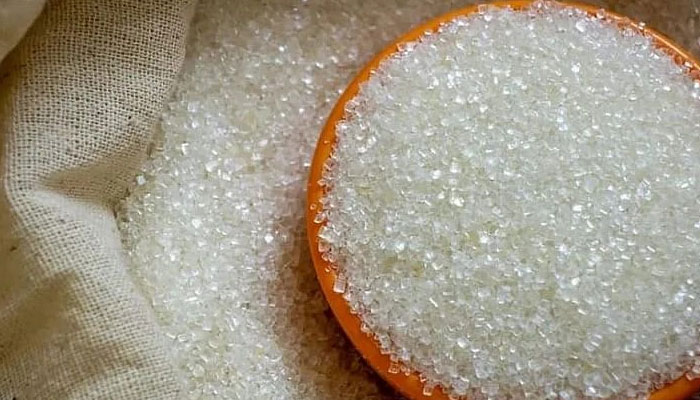
high sugar diet

High sugar diet may harm people with asthma

Eating too much sugar is widely known to increase the risk of type 2 diabetes and high blood pressure.  Now new research suggests that it may also make asthma symptoms worse. A study published in the journal Nutrients found that a high sugar diet can increase inflammation in the lungs making asthma attacks more likely in people with the condition.

The research was carried out on mice. Scientists gave the animals their normal food along with sweetened milk. Within just two weeks the mice showed higher levels of lung inflammation.

According to the researchers this is one of the first studies to show how quickly excess sugar can worsen inflammation linked to asthma.

Asthma is a long term disease that affects the airways and makes breathing difficult.  Although there is no cure the condition can be managed with proper treatment and healthy lifestyle choices.

During an asthma attack the airways become swollen and the muscles around them tighten. This can cause coughing wheezing chest tightness and shortness of breath making everyday activities harder.

The researchers said that when children eat too much sugar people usually worry about tooth decay or weight gain but rarely think about its possible effects on asthma.

They added that the findings support the idea of limiting sugar intake especially for people living with asthma.

According to the researchers too much sugar may affect the immune system and trigger inflammation which can make asthma symptoms more severe.

Similar Posts

  • Lack of dustbin in Chahsar

    Through the columns of your newspaper, I would like to highlight the lack of proper waste-disposal facilities in Chahsar, Turbat. There are very few large dustbins placed along the roads where residents can dispose of household garbage and in many areas people have no nearby option at all. At present, only a few such dustbins can be found in the locality which is insufficient for a large and growing population. Dustbins should be placed at reasonable intervals, perhaps around every 40 metres in populated areas, so that residents can keep their surroundings clean and the waste can be collected regularly by municipal trucks. If there is no designated place to dispose of household waste people are left with very limited choices, and garbage inevitably ends up on roadsides or vacant plots. The concerned authorities are requested to increase the number of dustbins in Chahsar and ensure their regular collection. Clean surroundings require not only public responsibility but also proper municipal facilities.

  • Health benefits of eating papaya during monsoon

    The monsoon season brings relief from the heat but it can also increase the risk of infections and digestive problems. Health experts say that eating nutritious foods can help the body stay strong. Papaya is one fruit that can be a healthy addition to the diet during rainy weather. Rich in vitamins fiber water and natural enzymes, papaya may support digestion immunity heart health and skin health. Supports immunity and digestion During the rainy season some people may become more likely to develop colds flu or other seasonal infections.  Papaya contains vitamins A and C which support the normal function of the immune system. Papaya also contains an enzyme called papain which helps break down proteins and may support digestion. Its fiber and water content can also help keep the digestive system working properly. May help with constipation Papaya is rich in fiber and water making it a useful fruit for people who struggle with constipation.  Eating enough fiber and drinking plenty of water can help support regular bowel movements. What about dengue? Dengue cases can increase during the monsoon because mosquitoes become more common. Papaya leaves are sometimes promoted as a way to increase platelet levels but there is not enough strong evidence to consider papaya or papaya leaves a treatment for dengue. People with dengue should follow their doctor’s advice and should not rely on papaya as a replacement for proper medical care. May support weight and heart health Papaya is relatively low in calories and contains fiber which can help you feel full for longer. This may make it a useful choice for people trying to maintain a healthy weight. It also provides nutrients such as potassium and fiber that can support overall heart health as part of a balanced diet. Good for skin and eyes Papaya contains antioxidants and nutrients such as vitamins A and C which can support healthy skin. Its antioxidants may also help protect cells from damage caused by free radicals. The fruit also contains carotenoids such as beta-carotene lutein and zeaxanthin which are linked to eye health. Eat It in Moderation Papaya is a nutritious fruit and can be part of a healthy monsoon diet.  However no single food can prevent diseases or replace medical treatment. It is best to eat papaya as part of a balanced diet and consult a doctor before making major dietary changes if you have a medical condition.

  • Blood treatment removes forever chemicals

    A new study suggests that a blood cleaning treatment used to lower cholesterol may also help remove harmful “forever chemicals” from the body. The treatment called apheresis is mainly used for people whose high cholesterol cannot be controlled with medication.  During the procedure blood is taken from one arm and passed through a special filter that removes excess fats. The cleaned blood is then returned to the body through the other arm. At the Technical University of Dresden in Germany, home to one of the world’s largest apheresis centers around 10,000 of these treatments are performed each year. For the study researchers examined used filter bags from the apheresis machines to see what substances had been removed along with cholesterol. They wanted to find out whether the filters could also remove harmful forever chemicals toxic substances that remain in the environment and the human body for a very long time as well as tiny plastic particles known as microplastics. The researchers say the early findings are promising. If future studies confirm these results apheresis could become a useful way to reduce the amount of certain harmful pollutants in the body in addition to lowering cholesterol.

  • Emotional Dolphin moment

    A touching video from Australia has left many people emotional after showing a mother dolphin swimming with her dead baby. The viral footage shows the female dolphin gently carrying her calf while other dolphins stay close appearing to support her during the difficult moment. According to the marine conservation group Geographe Marine Research the mother dolphin named Friggle gave birth to the calf about two weeks before the video was recorded. The organization said the video was filmed last month. Friggle had reportedly lost four calves in the past and this calf was also born during winter a season when young dolphins have a lower chance of survival. Experts say it is not unusual for mother dolphins to carry their dead calves for several days after they die. This behavior is believed to be part of their grieving process. Eventually the mother must let go of the calf so she can find food and continue to survive.

  • Scientists use sharks to improve hurricane forecasts

    Scientists at the University of Delaware in the United States are investigating whether sharks can be used to improve predictions of hurricane intensity and serve as ocean-observing systems for collecting marine data. Researchers at the University of Delaware are attaching sensors to sharks that measure ocean temperature, electrical conductivity and depth. Electrical conductivity is related to the amount of salt in the water. According to Aaron Carlisle, a professor at the university’s School of Marine Science and Policy and the lead researcher of the study, animal-mounted sensors have been successfully used in marine research for several years particularly in areas where scientific observations are limited. Researchers say sharks are suitable for this research because they are abundant, inhabit vast areas of the ocean and are relatively easier to access than many protected marine mammals. So far, shark tagging has mainly been used to study their movements and habitats. However, in this new research, scientists are selecting sharks that can collect useful data for hurricane forecasting and swim close enough to the ocean surface for their tags to transmit information via satellites. Preliminary analyses in the North Atlantic have identified shortfin mako sharks, blue sharks, smooth hammerhead sharks and juvenile great white sharks as suitable species for the research. According to Aaron Carlisle, scientists are paying particular attention to the heat in the upper layer of the ocean known as the “mixed layer.” This layer of water plays an important role in the intensity of hurricanes because a warmer mixed layer can contribute to the formation of stronger hurricanes. Caroline Wiernicki, a doctoral student at the University of Delaware said the shark-tagging process begins in early May, when several migratory shark species come closer to the coast after spending the winter in remote areas of the Atlantic Ocean. Researchers travel 50 to 65 kilometres offshore in a research vessel where they deploy baited lines and typically wait two to three hours for sharks to approach. A tag is attached to the shark’s dorsal fin. When the shark swims near the surface, the tag connects with a network of satellite receivers and transmits data. Carlisle said the tagging process is completed rapidly similar to a “pit crew” during a motor race and usually takes less than five minutes. Shark tagging is carried out under institutional animal-care oversight to minimize its impact on the animals. The tags are attached using materials that gradually dissolve and eventually detach on their own. Before each shark is released back into the ocean, its health is examined because stress or injury could affect its natural behaviour and consequently, the reliability of the data collected. Caroline Wiernicki said sharks are portrayed as extremely frightening animals in movies whereas in reality they are relatively calm creatures. According to the researchers, if the project proves successful, data collected from sharks could help improve forecasts of the intensity of hurricanes approaching the US East Coast. This information could provide more reliable forecasts to coastal communities from North Carolina to Massachusetts helping them prepare for storms and improve coastal protection. Aaron Carlisle said sharks are remarkable animals that are exceptionally well adapted to life in the ocean and there is much that humans can learn from them. If it is proven that sharks can also benefit humans, it would be a win-win situation for both.

  • Monsoon eye care tips

    The monsoon season brings welcome relief from the summer heat but it also creates conditions that allow many illnesses to spread more easily. Eye infections are one of the common health problems during this time. According to experts high humidity pollution and the growth of germs during the rainy season increase the risk of bacterial and viral eye infections. Dust dirty rainwater pollution and allergy causing particles can easily irritate the eyes.  These factors may lead to redness swelling and discomfort making daily activities difficult. Common symptoms of eye infections Some of the most common signs of an eye infection include. •Red eyes •Swelling •Eye pain •Watery eyes •Blurred vision •Itching or irritation If these symptoms become severe or do not improve it is important to see a doctor. How to protect your eyes during the monsoon Experts say that good hygiene is the best way to prevent eye infections.  Wash your hands regularly with soap and avoid touching your eyes with dirty hands. Keeping your face and eyes clean can also lower the risk of infection. If your eyes feel itchy or irritated do not rub them. Rubbing can spread germs and make the infection worse. Instead gently clean your eyes with a clean tissue or soft cloth. Applying a clean warm compress over your closed eyes for a few minutes can help reduce discomfort and swelling. This can be done several times a day if needed. Avoid sharing personal items If you have an eye infection avoid using eye makeup until your eyes have fully healed.  If makeup must be used make sure brushes and other beauty tools are cleaned properly. It is also important to wash bed sheets pillowcases and towels regularly with hot water and detergent. Never share towels handkerchiefs or other personal items that come into contact with your eyes as infections can easily spread from one person to another. When to see a doctor If your symptoms get worse or do not improve after a few days avoid self treatment and consult an eye specialist. A doctor may prescribe antibiotic or antiviral eye drops depending on the cause of the infection to help you recover safely and quickly.

Leave a Reply

Your email address will not be published. Required fields are marked *