pfa deals four

PFA deals four food outlets on M-2, imposes Rs3.5m fines

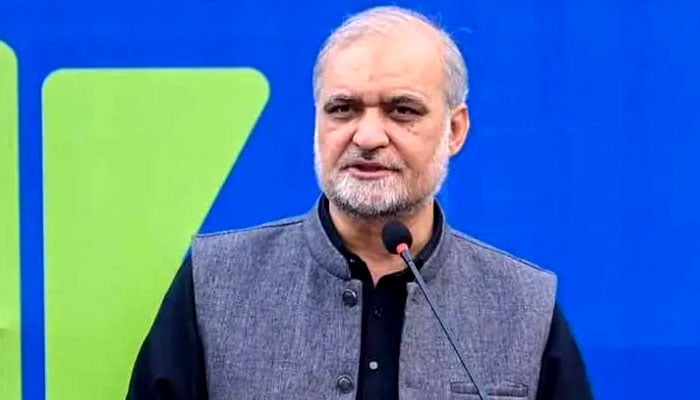
GUJRANWALA: In one of the largest enforcement drives against food safety violations in recent months, the Punjab Food Authority (PFA) sealed four outlets of national food chains, imposed fines amounting to Rs3.5 million and destroyed more than one maund of substandard and prohibited food ingredients during a major crackdown at the M-2 Sukheki Motorway Service Area.

The operation was led by Special Assistant to the Punjab Chief Minister Salma Butt along with Punjab Food Authority Director General Raja Mansoor Ahmad. Five well-known food chains were inspected as part of the campaign aimed at ensuring compliance with food safety standards at one of the province’s busiest motorway service areas.

According to the Punjab Food Authority, inspection teams found multiple violations of food hygiene and safety regulations at the inspected outlets. Four national food chain outlets were sealed after authorities detected serious lapses that posed potential risks to public health.

Officials said inspection teams found freezers and washing areas in an unhygienic condition, with stagnant foul-smelling water and poor sanitation. Mandatory supply records, return logs and other essential documentation were either incomplete or unavailable.
Inspectors also reported widespread insect infestation, while food items and raw materials were found stored directly on the floor in violation of food safety protocols.

The authority further noted that bakery products at some outlets were being offered without manufacturing and expiry dates, making it difficult to verify their freshness and safety for consumers. Open drains, poor housekeeping and an overall unhygienic environment were also cited among the violations observed during the inspection.

Besides sealing the outlets, the Punjab Food Authority imposed cumulative fines of Rs3.5 million on the violators. More than one maund of substandard and prohibited food ingredients was confiscated and destroyed on the spot to prevent their use or sale.

Speaking on the occasion, Punjab Food Authority Director General Raja Mansoor Ahmad said the authority was pursuing a province-wide campaign to eliminate food adulteration and fraudulent practices from the food supply chain.

“Our teams are working to block every avenue of food adulteration and fraud across Punjab. Strict monitoring is being carried out from food production to its distribution, and there will be no compromise on quality,” he said.

He added that the authority was implementing a zero-tolerance policy against violators under the directives of Punjab Chief Minister Maryam Nawaz Sharif.

“The sale and distribution of substandard or expired food products will not be tolerated under any circumstances. Enforcement operations will continue to ensure consumers receive safe and hygienic food,” he said.

The Punjab Food Authority has intensified inspections across the province in recent months as part of its ongoing efforts to improve food safety standards and strengthen regulatory enforcement at restaurants, bakeries, food chains and processing units.

Similar Posts

  • |

    TTAP condemns police violence against protesters in Lahore

    LAHORE: Chief Organiser Tehreek-e-Tahafuz-e-Ayin-e-Pakistan (TTAP) Punjab Ammar Ali Jan and Information Secretary TTAP Punjab Shayan Bashir have condemned the indiscriminate police violence unleashed on peaceful demonstrators outside Aiwan-e-Adl on Wednesday, saying that three years after his incarceration Imran Khan remains the most popular leader in the country and a unifying symbol whose standing continues to terrify the illegitimate rulers of this province. They said the day marked the abandonment of even the pretence that Article 16 of the Constitution still stands in Punjab. Thousands of citizens, workers, lawyers and civil society members had assembled outside the courts when police baton-charged the gathering without provocation, striking women and children present at the site. PTI Lahore President Mian Akram Usman and MPA Sheikh Imtiaz were manhandled, their clothing torn in public view. More than fifty workers, along with sitting members of the Punjab Assembly, were taken into custody. “A government that will not answer an application on paper has chosen to answer it with lathis in the street,” Bashir said. “PTI Lahore applied in writing to the Lahore Deputy Commissioner for permission to assemble peacefully. The administration returned silence. Today it returned batons.” The protests were not confined to Lahore. Demonstrations were held in Faisalabad, Multan, Rawalpindi, Kasur, Jhang, Kamalia in Toba Tek Singh and other districts across Punjab. The state’s own conduct is the measure of what it fears. Permission was refused across three provinces, a courthouse precinct was baton-charged and elected legislators were dragged into custody, all on account of a man who has been in a cell since 2023. Nobody deploys that against a spent force. Ammar Ali Jan said the beating was not aimed at one party alone. “When the state clubs women, children and elected representatives outside a courthouse, it is not policing a crowd, it is informing ordinary people that the Constitution was written for somebody else,” he said. “A right that survives only until the administration is irritated by it is not a right at all.” The warning had already been given. Amnesty International said on Tuesday that ahead of the anniversary gatherings the authorities must facilitate the right to peaceful protest and ensure there was no repeat of unlawful and arbitrary arrests. Punjab read that warning and did the opposite within twenty four hours. The violence reached beyond political workers. Aaj TV court reporter Natiq Rehan was assaulted by police while covering the rally and placed in a prisoners van, filmed and reported in the press. When the state beats the witness alongside the demonstrator, it has said plainly what it wants kept off the record. The leaders demanded the immediate release of every detained worker and legislator, registration of cases against the officers who ordered and carried out the operation, and a judicial inquiry into the conduct of the Lahore administration.

  • |

    Three Pakistanis killed in Houthi attack on Red Sea commercial vessel

    At least three Pakistani nationals were killed and another sustained injuries after Houthi forces attacked a commercial vessel in the Red Sea, according to Deputy Prime Minister and Foreign Minister Ishaq Dar. The incident has raised fresh concerns over the safety of Pakistani nationals working aboard commercial ships and the wider security of one of the world’s most important maritime trade routes. Dar confirmed the deaths on Wednesday and strongly condemned the attack, saying that targeting a civilian commercial vessel posed a serious threat to maritime security and international navigation. In a statement posted on X, the deputy prime minister said Pakistan rejected attacks on non-combatant commercial shipping, warning that such incidents put innocent lives at risk and amounted to a violation of international law. He said attacks of this nature could also disrupt freedom of navigation and create further risks for international trade passing through the Red Sea. Pakistan contacts Saudi, Yemen authorities Dar said the Pakistani government was coordinating with Saudi authorities and the internationally recognised government of Yemen to establish further details surrounding the attack. He also instructed the Pakistani embassy in Riyadh to remain in close contact with the relevant authorities and take all necessary steps regarding the deceased Pakistani nationals. The embassy has been directed to facilitate the recovery and repatriation of the victims’ remains to Pakistan, while efforts are also underway to ensure that the injured Pakistani receives all possible assistance. The foreign minister said Islamabad was closely monitoring developments and would maintain contact with the concerned authorities as more information emerged. Islamabad raises concern over Red Sea security Pakistan has repeatedly expressed concern over attacks and threats against commercial shipping in the Red Sea, particularly amid growing instability across the Middle East. On July 22, the Foreign Office warned that continued threats to maritime traffic could undermine freedom of navigation, weaken the rules-based international maritime order and disrupt global commerce. The following day, Pakistan and Saudi Arabia agreed to strengthen coordination aimed at supporting regional peace and security and ensuring the continued movement of legitimate commercial shipping through the Red Sea. The understanding was reached during a telephone conversation between Prime Minister Shehbaz Sharif and Saudi Crown Prince and Prime Minister Mohammed bin Salman. During the conversation, Sharif strongly condemned Houthi attacks targeting Saudi oil tankers operating in the Red Sea and reiterated Pakistan’s concerns over the potential consequences for regional stability and international trade. Makkah defence pact adds regional dimension The latest attack also comes against the backdrop of growing security cooperation between Pakistan, Saudi Arabia and Turkiye. The three countries recently signed the Makkah Joint Defence Agreement, establishing a collective security arrangement under which an armed attack against one member would be treated as an attack against all three. Dar has described the agreement as defensive in character, stressing that its objective is to contribute to peace, stability and prosperity rather than escalate regional tensions. Naqvi visits Iran amid diplomatic efforts The latest Red Sea incident occurred as Pakistan stepped up diplomatic efforts to reduce tensions in the wider Middle East. Interior Minister Mohsin Naqvi is currently in Iran, where he held meetings with Iranian President Masoud Pezeshkian and Foreign Minister Abbas Araghchi. During his meeting with Pezeshkian, Naqvi conveyed a special message from Prime Minister Shehbaz Sharif and Chief of Defence Forces and Chief of Army Staff Field Marshal Asim Munir, according to sources. Sources said Naqvi also briefed the Iranian president about the Makkah Joint Defence Agreement and discussed regional security developments. Pakistan and Qatar have been involved in diplomatic efforts to help de-escalate the conflict, which has resulted in thousands of deaths, particularly in Iran and Lebanon, following US and Israeli attacks on Iran on February 28. Shipping attacks fuel fears over global trade The latest violence comes as tensions surrounding critical maritime routes remain elevated. The United States and Houthi forces reported separate attacks involving shipping on Tuesday, adding to concerns that diplomatic efforts to end the broader Middle East conflict could face further obstacles. The Gulf of Oman and the Red Sea are strategically important waterways, with the Strait of Hormuz and the Red Sea serving as major routes for global energy and commercial shipments. Any prolonged disruption to these routes could increase transportation costs, affect energy markets and create further pressure on international supply chains. Iran has reiterated that the Strait of Hormuz will remain closed unless Washington accepts its conditions, adding to uncertainty surrounding the future of maritime traffic through the strategically vital waterway. Despite the worsening security environment, Defence Minister Khawaja Asif said on Tuesday that the United States and Iran were moving closer to a possible agreement. Speaking to Bloomberg News, Asif said recent developments suggested that negotiations could again be moving in the direction of a peace arrangement. Qatar, which has also been involved in mediation efforts, has said discussions concerning the management of maritime traffic through the Strait of Hormuz had reached an advanced stage.

  • | |

    Punjab Imams to use pulpits, social media to promo…

    LAHORE: Secretary and Chief Administrator Auqaf Punjab Dr Ehsan Bhutta has urged Imams and Khateebs to play a broader role in promoting religious harmony, social cohesion and positive values, saying their responsibilities extend beyond leading prayers and delivering Friday sermons. Addressing the concluding ceremony of the 45th Quarterly Refresher Training Course for Imams and Khateebs at Aiwan-e-Auqaf in Lahore, Bhutta said the pulpit and mihrab were important platforms for the religious, moral, intellectual and spiritual development of society. He said 19 Khateebs from different parts of Punjab had successfully completed the mandatory three-month training programme required for promotion to the next grade. The course, he added, was designed not only to support professional progression but also to strengthen the participants’ religious knowledge, intellectual abilities, research skills and professional competence. Bhutta stressed that religious scholars must remain equipped to respond to emerging social challenges, changing societal needs and contemporary intellectual and jurisprudential questions. He called for greater emphasis on research, communication skills and modern approaches to religious guidance. The Auqaf secretary urged Khateebs to use Friday sermons, religious gatherings and public interactions to foster unity among Muslims, interfaith harmony, tolerance, brotherhood and mutual respect. He also called upon them to help counter sectarianism, extremism, intolerance, hate speech and divisions based on language or group identity. He said Islam promotes peace, justice, compassion, human dignity and harmonious relations within society. Religious scholars, he added, should present the teachings of the Holy Quran, Sunnah and Seerah of the Holy Prophet (PBUH) in a wise and meaningful manner while keeping contemporary circumstances in view. Referring to the growing influence of digital platforms, Bhutta said social media and other modern communication tools had become powerful means of shaping public opinion. He encouraged Imams and Khateebs to use these platforms responsibly to communicate the peaceful and universal message of Islam, particularly to young people and audiences around the world. He further urged religious scholars to contribute to efforts against misinformation, inflammatory material, hate speech and sectarian propaganda by promoting well-reasoned and constructive content. Bhutta said the Auqaf and Religious Affairs Department was continuing reforms aimed at improving transparency, merit and good governance in the management of mosques, shrines and Khanqahs. The department was also working to improve the welfare of Imams and Khateebs, expand their intellectual and professional training and enhance the quality of religious services. He said that under Chief Minister Maryam Nawaz Sharif’s “Magnificent Punjab” vision, the department was stepping up efforts to strengthen peace, religious harmony, tolerance and positive social values across the province. He added that under the supervision of Chief Secretary Punjab Zahid Akhtar Zaman, administrative reforms, departmental performance and public facilitation initiatives were being made more systematic, effective and results-oriented.

  • | |

    JI Chief Hafiz Naeem ur Rehman urges government to…

      Islamabad: Jamaat-e-Islami (JI) chief Hafiz Naeem ur Rehman has called on the government to focus on resolving the problems faced by the people instead of relying solely on the use of force to establish the writ of the state. He made these remarks in a statement criticizing the government’s economic policies and its handling of public affairs. According to Hafiz Naeem ur Rehman, a state’s authority cannot be maintained through coercive measures alone. He argued that the government should prioritize addressing the everyday concerns of citizens, including rising inflation, unemployment, and the increasing cost of essential services. He said that public trust is strengthened when governments respond to people’s needs rather than depending on administrative pressure or strict enforcement. The Jamaat-e-Islami leader strongly criticized the government’s electricity policies, alleging that the ruling authorities are placing an unbearable financial burden on the public through high electricity charges. He stated that ordinary citizens are struggling to pay their utility bills at a time when the cost of living continues to rise. According to him, households and businesses alike are being severely affected by expensive electricity tariffs, making it increasingly difficult for many families to manage their monthly expenses. Hafiz Naeem ur Rehman also criticized the government’s fuel taxation policy. Referring to the petroleum levy, he alleged that the government is effectively collecting money from the public in the form of what he described as “extortion.” He argued that increasing fuel-related taxes has a direct impact on transportation costs, which in turn raises the prices of food, consumer goods, and other essential commodities. As a result, he claimed, inflation continues to place additional pressure on the country’s middle- and lower-income groups. In his statement, the Jamaat-e-Islami chief further alleged that both the Pakistan Muslim League (Nawaz) and the Pakistan Peoples Party (PPP) came to power through what he referred to as “Form 47” This phrase has been used by some political parties in Pakistan to allege irregularities in the electoral process. His remarks reflect his party’s political stance regarding the legitimacy of the current governing coalition. Hafiz Naeem ur Rehman maintained that the country’s leadership should focus on providing relief to the public by reducing electricity prices, reviewing taxation policies, and introducing measures that improve the economic conditions of ordinary citizens. He emphasized that sustainable governance depends on public confidence, transparency, and policies that directly benefit the people. The government has previously defended its economic decisions by stating that measures such as electricity pricing and petroleum levies are necessary to meet fiscal requirements and maintain economic stability. However, opposition parties, including Jamaat-e-Islami, continue to argue that these policies have placed excessive financial pressure on the public. The latest remarks by Hafiz Naeem ur Rehman come amid ongoing political debate over Pakistan’s economic challenges, rising inflation, and governance. His statement highlights Jamaat-e-Islami’s continued criticism of the government’s economic policies and its call for greater public relief, while also reiterating the party’s political objections regarding the current administration’s mandate.

  • |

    President approves new high court judges

      President Asif Ali Zardari has approved the appointment of additional judges to several high courts across the country, along with the confirmation of certain judges already serving in an additional capacity. According to a statement issued by the Presidency, the president approved the appointment of additional judges to the Lahore High Court, Sindh High Court and Peshawar High Court. He also gave the go-ahead for appointments to the Islamabad High Court and Balochistan High Court. The latest decisions are part of the process of strengthening the judicial system and filling vacant or additional judicial positions in various high courts. In a separate decision, President Zardari approved measures to bring the salaries, allowances and pension benefits of Supreme Court judges on par with those of judges of the Federal Constitutional Court. The president also approved amendments to the 1997 order governing leave, pension and other benefits available to high court judges. The amendments seek to update the existing framework governing judicial privileges and post-service benefits. The Presidency further announced that President Zardari approved the appointment of Haroon Akhtar as the Prime Minister’s Adviser on Industries and Production. The appointment adds another senior figure to the federal government’s economic and industrial policy team, with the industries and production sector remaining a key area for investment, manufacturing growth and economic development.

  • | | |

    Khawaja Asif alleges money laundering network oper…

    Defence Minister Khawaja Asif has claimed that businesses established in Portugal by individuals linked to politics and the real estate sector are being used to facilitate money laundering from Pakistan. In a statement, the minister said that several people associated with political circles and the property business have set up commercial operations in Portugal. According to him, these businesses are allegedly providing services that enable money to be transferred out of Pakistan through illegal channels. Khawaja Asif further alleged that the same network is also involved in arranging documents for individuals seeking citizenship-related facilities in Portugal. He claimed that the businesses are being used not only for financial transactions but also to assist applicants in obtaining the paperwork required for immigration and citizenship purposes. The defence minister did not identify any individuals or organisations allegedly involved in the activities. He also did not present evidence to support the claims during his statement. His remarks come as authorities continue to focus on tackling financial crimes, including money laundering and the illegal movement of funds abroad. The allegations are expected to draw attention to the activities of overseas business networks and the use of foreign countries for financial transactions.

Leave a Reply

Your email address will not be published. Required fields are marked *