injured karachi aerial
| |

94 injured in Karachi aerial firing on Independenc…

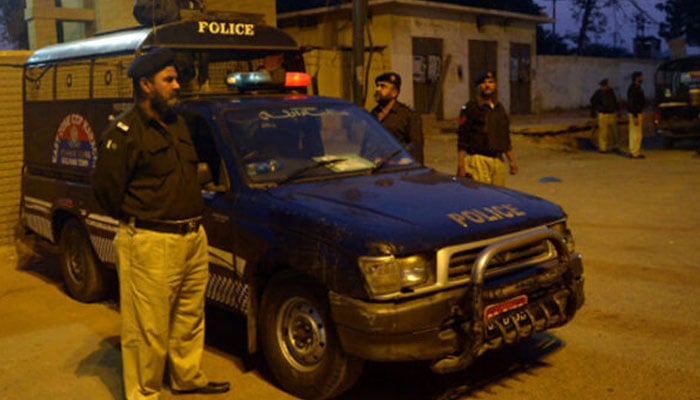
KARACHI: At least 94 people were injured in separate incidents of aerial firing in Karachi during Independence Day celebrations.

According to police, 30 suspects involved in aerial firing have been arrested and weapons have been recovered from their possession.

Police conducted operations in several areas of the city, including SITE Super Highway, Sachal, Gulistan-e-Johar and Gulshan-e-Iqbal. Ten suspects were arrested during these operations.

Police in District West also arrested four suspects allegedly involved in aerial firing. In District Central, 16 people were arrested for allegedly firing shots into the air.

The injured included 56 men, 15 women, 15 boys and eight girls.

The injured were shifted to major hospitals across the city for medical treatment. A total of 27 injured people were brought to Civil Hospital, 36 to Jinnah Hospital and 32 to Abbasi Shaheed Hospital.

Police said further action was being taken against those involved in aerial firing. Authorities have also increased security measures to prevent further incidents during Independence Day celebrations.

Similar Posts

  • | |

    Pakistani passport ranks fourth weakest globally

    Pakistan’s passport has been ranked the fourth weakest in the world in the latest Henley Passport Index. The Pakistani passport stands at 101st place in the global ranking. Its holders can access 29 destinations without obtaining a visa in advance or through visa-on-arrival facilities. The Henley Passport Index evaluates passports based on the number of destinations their holders can enter without securing a visa before travelling. The index covers 199 passports and 227 travel destinations. The latest ranking shows that Pakistan’s passport remains ahead of only three passports. These belong to Iraq, Syria and Afghanistan. The ranking highlights the limited international mobility available to Pakistani passport holders compared with citizens of many other countries. Pakistan’s neighbouring countries have performed better in the latest index. China ranks 60th globally. India is placed at 81st. Iran stands at 96th. Despite its low overall ranking, Pakistani citizens can travel to several destinations without obtaining a visa before departure. Visa-free access is available for Pakistani passport holders to Barbados, the Cook Islands, Dominica, Haiti, Micronesia, Montserrat, Rwanda, St Vincent and the Grenadines, The Gambia, Trinidad and Tobago, and Vanuatu. Pakistani travellers can also obtain visas upon arrival in a number of countries. These include Burundi, Cambodia, the Comoro Islands, Djibouti, Guinea-Bissau, Madagascar, the Maldives, Mozambique, Nepal, Niue, Palau, Samoa, Senegal, Sierra Leone, Timor-Leste and Tuvalu. In addition, Pakistani citizens can obtain electronic travel authorisations for Kenya, Seychelles and Sri Lanka. The passport ranking is widely used as an indicator of international travel access. A higher position generally means that passport holders can enter more destinations without obtaining a visa in advance. Singapore continues to hold the strongest passport in the latest ranking. It tops the index with access to 192 destinations. Japan, South Korea and the United Arab Emirates share second place. Their passport holders can access 188 destinations. Sweden ranks third, with access to 187 destinations. The latest figures underline the significant gap between Pakistan and the countries at the top of the global passport ranking.

  • |

    Vijay demands complete abolition of NEET, backs student protests

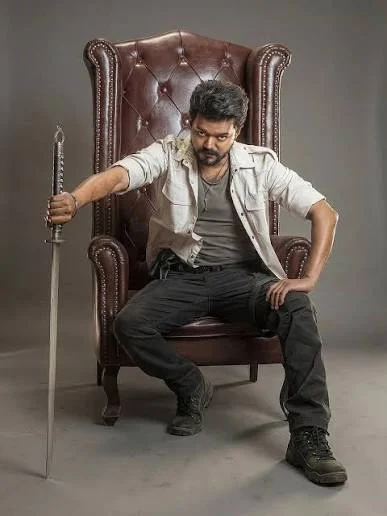
    Tamil Nadu Chief Minister and actor-turned-politician Vijay has voiced strong opposition to the National Eligibility cum Entrance Test (NEET), calling for the examination system to be abolished entirely while expressing support for students protesting in New Delhi. In a statement shared on social media on Wednesday, the 52-year-old leader reiterated that his party has consistently opposed NEET and believes the entrance exam has placed an unfair burden on students and their families across the country. Vijay stated that his party’s position on the issue remains firm and uncompromising. According to him, the current examination system has caused significant stress for aspiring medical students, many of whom face intense pressure while preparing for the highly competitive test. He argued that the impact extends beyond students themselves, affecting parents and families who invest considerable time, effort and resources into the preparation process. The actor-turned-politician also rejected what he described as political opportunism surrounding the issue. He said his party would not make unrealistic promises or use the NEET debate merely to gain electoral support, insisting that meaningful and lasting reforms are needed instead of temporary political statements. Vijay further argued that the long-term solution lies in returning education to the State List, allowing individual state governments to exercise greater control over educational policies and admission procedures. He maintained that such a move would enable states to develop systems that better reflect local educational needs and priorities. Acknowledging that constitutional or legal challenges could delay such a change, Vijay proposed an interim alternative. He suggested creating a Special Concurrent List that would provide state governments with expanded authority over education until broader constitutional reforms become possible. Under this proposed arrangement, states would receive greater powers to regulate all aspects of education, including medical education and admissions. Vijay said empowering state governments in this manner would help address concerns surrounding NEET while ensuring that educational policies are better aligned with regional requirements. His remarks come as discussions over the future of NEET continue to generate debate in several parts of India. Supporters of the examination argue that it establishes a uniform standard for admissions to medical colleges across the country. Critics, however, contend that it disadvantages students from different educational backgrounds and places excessive pressure on candidates preparing for a single nationwide examination. The issue has remained particularly sensitive in Tamil Nadu, where opposition to NEET has been a significant political and public concern for several years. Various political parties and student groups in the state have repeatedly called for exemptions or the complete withdrawal of the examination system, arguing that it affects equal access to medical education. By once again reaffirming his opposition to NEET and advocating greater autonomy for state governments in educational matters, Vijay has added his voice to the ongoing national debate over the future of medical admissions and the balance of powers between the Centre and the states.

  • | |

    Karachi Colleges impose immediate ban on Tobacco a…

      The Directorate of College Education Karachi has announced a comprehensive ban on the use of tobacco products and narcotics in all public colleges across the city. The decision aims to create a healthier, safer, and drug-free educational environment for students, teachers, and other staff members. According to an official notification issued by the Directorate of College Education Karachi, the prohibition covers a wide range of tobacco and nicotine products. These include cigarettes, electronic cigarettes (vapes), nicotine pouches, pan (betel quid), and gutka. The use, consumption, or possession of these products within college premises is now strictly prohibited. The notification states that the ban has come into effect immediately and must be implemented without delay. College administrations have been instructed to ensure full compliance with the new policy and take all necessary steps to maintain a tobacco-free and drug-free environment within their institutions. Under the new directives, principals of all colleges have been assigned the primary responsibility for enforcing the ban. They are required to ensure that students, faculty members, administrative staff, and visitors strictly adhere to the rules. Principals have also been instructed to monitor college premises regularly and adopt preventive measures to discourage the use of tobacco products and illegal substances. The Directorate emphasized that educational institutions should remain places that promote learning, discipline, and healthy lifestyles. The use of tobacco products and drugs not only affects the health of individuals but can also negatively influence the academic environment and the well-being of students. By implementing this ban, the department hopes to protect young people from developing harmful addictions and encourage healthier habits. In addition to restricting tobacco and drug use inside college campuses, the Directorate has also taken steps to address the issue beyond institutional boundaries. According to the notification, official letters have been sent to Deputy Commissioners across Karachi, requesting their cooperation in preventing the sale and use of tobacco products and narcotics in areas surrounding colleges. The involvement of district administrations is intended to strengthen enforcement efforts and reduce students’ access to tobacco and drug products near educational institutions. Local authorities are expected to work with law enforcement agencies and other relevant departments to monitor vendors operating close to colleges and ensure compliance with applicable laws  and regulations. The Directorate believes that collaboration between educational institutions and district authorities is essential for creating a secure and healthy environment for students. By limiting the availability of tobacco products and narcotics around colleges, officials hope to reduce the risk of substance abuse among young people and reinforce public health initiatives. The decision reflects growing concerns about the increasing use of smoking products, vaping devices, and other addictive substances among students. Educational authorities have reiterated their commitment to safeguarding students’ physical and mental well-being while fostering an atmosphere that supports academic excellence and personal development. With the immediate implementation of the ban, college principals are expected to take proactive measures to ensure compliance and raise awareness about the harmful effects of tobacco and drug use. The Directorate of College Education Karachi has made it clear that maintaining drug-free campuses is now a priority, and all stakeholders are expected to cooperate in achieving this objective for the benefit of students and the wider educational community.

  • |

    Fatima Zehra says better facilities could have earned gold

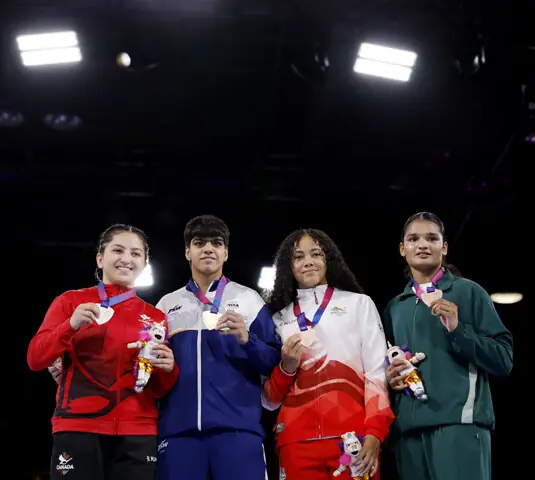
    Pakistan’s trailblazing boxer Fatima Zehra believes she had the potential to win a gold medal at the Commonwealth Games if she had access to the same level of training facilities and international exposure as many of her competitors. The 22-year-old made history by becoming the first Pakistani woman to win a boxing medal at the Commonwealth Games after claiming bronze in the women’s 60kg category. Although she narrowly missed out on a place in the final, Fatima described the achievement as a proud moment for herself and for Pakistan. Reflecting on her campaign, Fatima said her main objective before the tournament was to secure a medal, while also hoping to progress to the final. She admitted that the competition was extremely challenging, with many of her opponents benefiting from extensive international training and experience. Her journey ended in the semi-finals, where she faced Canada’s Marie-Bathoul Al-Ahmadieh. Fatima acknowledged that her opponent’s speed and international experience proved decisive, making it difficult to overcome the challenge. Despite the defeat, she expressed satisfaction with her bronze medal, saying it was earned against some of the strongest boxers in the competition. She also noted that competing at such a high level allowed her to gain valuable experience by observing other elite athletes and learning from every bout. Fatima highlighted the gap between Pakistan’s sporting infrastructure and that of leading boxing nations. She pointed out that several countries, including regional rivals, organized overseas training camps in the United States before the Games, while Pakistan’s preparations took place entirely at home. According to Fatima, world-class coaching facilities, modern training environments, and regular international competition are essential if Pakistani athletes are to consistently challenge for top honors on the global stage. She believes greater government investment in sports development would significantly improve the country’s chances of success. The young boxer also acknowledged the role played by the Pakistan Army, the Pakistan Boxing Federation, and her coach, Raheel Adnan, crediting them for their guidance and support throughout her preparation. She said their encouragement was instrumental in helping her achieve the historic milestone. Looking ahead, Fatima has already shifted her focus to the upcoming Asian Games, which are scheduled to take place in Japan in September. She hopes the experience gained at the Commonwealth Games will strengthen her performances against Asia’s top competitors. Fatima previously won a bronze medal at the 2025 Islamic Games in Saudi Arabia, and she is determined to build on that success by aiming for an even stronger finish at the Asian Games. Her boxing journey has not been without challenges. She revealed that although boxing now runs in her family, her parents initially opposed her decision to pursue the sport. After competing at the Punjab level, she was forced to step away from boxing because of her family’s concerns. However, her coach Raheel Adnan convinced them to give her another opportunity, a decision that ultimately changed her career. Today, her family fully supports her ambitions, and her two sisters, Dua and Aiman, along with her younger brother Naday Ali, have also taken up boxing. Fatima secured her historic Commonwealth Games bronze after defeating New Zealand’s Jordan Wilson by a unanimous 5-0 decision in the quarter-finals. Under tournament rules, both losing semi-finalists were awarded bronze medals, marking a landmark achievement for women’s boxing in Pakistan.

  • | |

    Ushna Shah welcomes first child with Lion King-themed reveal

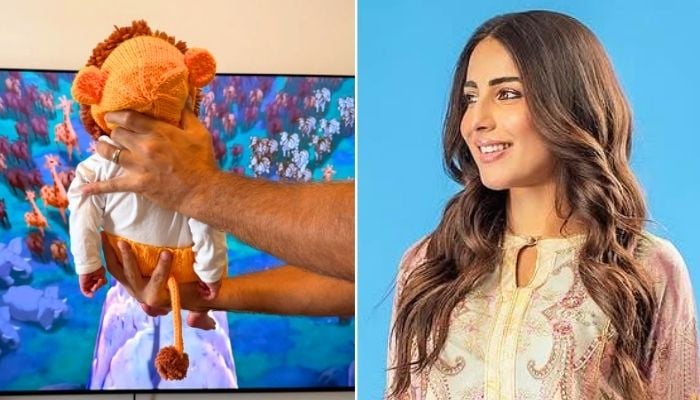
    KARACHI: Pakistani actor Ushna Shah and her husband, Hamza Amin, have welcomed their first child, a baby boy. The actor shared the news with her followers on social media on Tuesday, introducing her newborn son through a playful Lion King-inspired announcement. Shah shared several pictures of the baby and affectionately described him as her “little lion cub”. She said the newborn had already become the centre of their world. The actor also joked about the early days of motherhood, describing the baby’s routine as a cycle of eating, sleeping and diaper changes. The pictures featured the newborn wearing a cute lion-themed outfit. In one of the images, the baby appeared dressed as a lion cub while the popular animated film The Lion King played in the background. Shah also gave her followers a glimpse of the preparations made to welcome the new family member. The photographs included welcome cookies, floral decorations and the baby’s crib. The announcement quickly attracted congratulatory messages from Shah’s fans, friends and fellow members of the entertainment industry. The arrival of the baby marks a new chapter in Shah and Amin’s lives. The couple got married in 2023 and have now welcomed their first child together. Ushna Shah is a well-known name in Pakistan’s television industry. She has earned recognition for her performances in several popular drama serials and has built a strong following through her work on television and social media.

  • | |

    Senate erupts over Imran Khan’s medical treatmen…

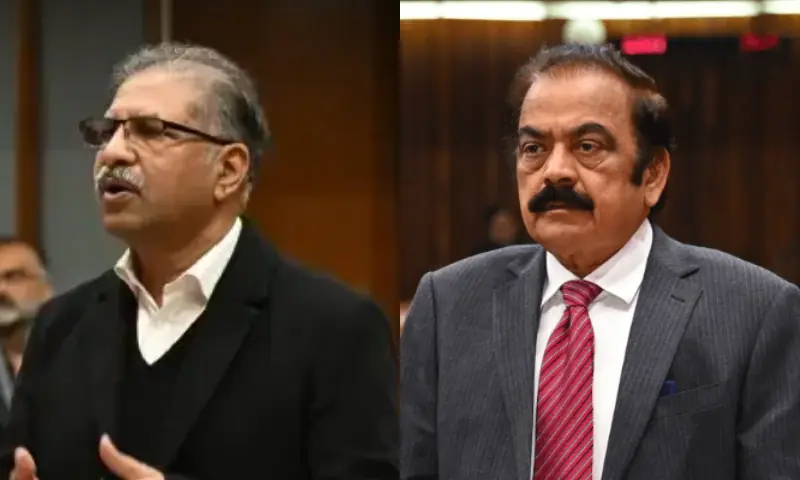
    ISLAMABAD: The Senate witnessed a heated exchange between the opposition and government benches on Tuesday over the medical treatment of PTI founder and former prime minister Imran Khan. The dispute centred on the implementation of an August 18 Supreme Court order concerning Imran Khan’s treatment. The court had directed authorities to shift him to Shifa International Hospital in Islamabad and form a medical board that would include his sister and personal physician. The government, however, took Imran Khan to Pakistan Institute of Medical Sciences (PIMS), citing security concerns. He was later returned to Adiala Jail after doctors declared him medically fit. The opposition accused the government of failing to comply with the Supreme Court’s directions. The government rejected the allegation and maintained that the authorities had acted within the framework of the court order. The issue came up after PTI parliamentary leader Barrister Ali Zafar sought permission to move a resolution regarding the Supreme Court’s directions. Presiding Officer Shahadat Awan did not allow the resolution, ruling that the matter was sub judice. Opposition senators were instead allowed to raise the issue through points of order. Zafar argued that Parliament must uphold the Constitution and ensure compliance with decisions of the Supreme Court. He claimed that Imran Khan had neither been shifted to Shifa International Hospital nor examined by the medical board mentioned in the court’s order. He also alleged that the required facilities for examining the PTI founder were not available at PIMS. Zafar said political differences should not affect a person’s access to medical care. He urged the government to separate Imran Khan’s political status from his health and medical needs. PTI Senator Azam Swati also criticised the government, accusing it of adopting different standards in dealing with political figures. He cited previous instances in which government institutions had facilitated political leaders. The government defended its position through Prime Minister’s Adviser Rana Sanaullah. He said the state had complied with the Supreme Court’s directions while taking security considerations into account. Sanaullah said the court had also allowed the administration to assess security arrangements. He maintained that Imran Khan was therefore taken to a government hospital where qualified doctors were available. According to Sanaullah, a panel of doctors examined Imran Khan and found his condition satisfactory. He said the PTI founder was subsequently returned to jail. The adviser said the matter was already before the Supreme Court and a report would be submitted on September 16. He argued that the court itself should determine whether its order had been properly implemented. Opposition Leader in the Senate Allama Raja Nasir Abbas urged the government to demonstrate political maturity and implement the Supreme Court’s order in letter and spirit. He also proposed forming a Senate committee to visit Imran Khan in jail and assess the situation.

Leave a Reply

Your email address will not be published. Required fields are marked *