karachi colleges impose
| |

Karachi Colleges impose immediate ban on Tobacco a…


The Directorate of College Education Karachi has announced a comprehensive ban on the use of tobacco products and narcotics in all public colleges across the city. The decision aims to create a healthier, safer, and drug-free educational environment for students, teachers, and other staff members.

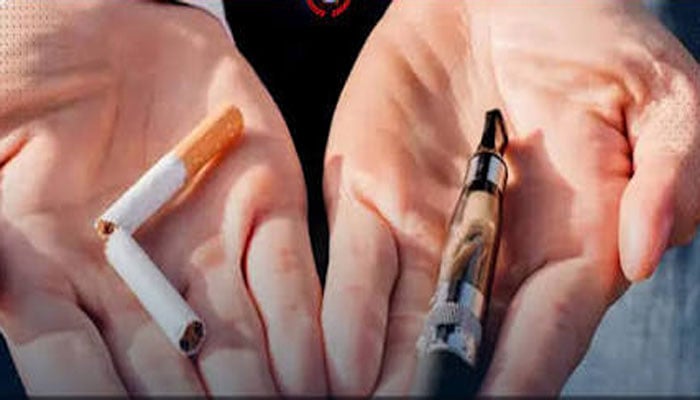
According to an official notification issued by the Directorate of College Education Karachi, the prohibition covers a wide range of tobacco and nicotine products. These include cigarettes, electronic cigarettes (vapes), nicotine pouches, pan (betel quid), and gutka. The use, consumption, or possession of these products within college premises is now strictly prohibited.

The notification states that the ban has come into effect immediately and must be implemented without delay. College administrations have been instructed to ensure full compliance with the new policy and take all necessary steps to maintain a tobacco-free and drug-free environment within their institutions.

Under the new directives, principals of all colleges have been assigned the primary responsibility for enforcing the ban. They are required to ensure that students, faculty members, administrative staff, and visitors strictly adhere to the rules. Principals have also been instructed to monitor college premises regularly and adopt preventive measures to discourage the use of tobacco products and illegal substances.

The Directorate emphasized that educational institutions should remain places that promote learning, discipline, and healthy lifestyles. The use of tobacco products and drugs not only affects the health of individuals but can also negatively influence the academic environment and the well-being of students. By implementing this ban, the department hopes to protect young people from developing harmful addictions and encourage healthier habits.

In addition to restricting tobacco and drug use inside college campuses, the Directorate has also taken steps to address the issue beyond institutional boundaries. According to the notification, official letters have been sent to Deputy Commissioners across Karachi, requesting their cooperation in preventing the sale and use of tobacco products and narcotics in areas surrounding colleges.

The involvement of district administrations is intended to strengthen enforcement efforts and reduce students’ access to tobacco and drug products near educational institutions. Local authorities are expected to work with law enforcement agencies and other relevant departments to monitor vendors operating close to colleges and ensure compliance with applicable laws  and regulations.

The Directorate believes that collaboration between educational institutions and district authorities is essential for creating a secure and healthy environment for students. By limiting the availability of tobacco products and narcotics around colleges, officials hope to reduce the risk of substance abuse among young people and reinforce public health initiatives.

The decision reflects growing concerns about the increasing use of smoking products, vaping devices, and other addictive substances among students. Educational authorities have reiterated their commitment to safeguarding students’ physical and mental well-being while fostering an atmosphere that supports academic excellence and personal development.

With the immediate implementation of the ban, college principals are expected to take proactive measures to ensure compliance and raise awareness about the harmful effects of tobacco and drug use. The Directorate of College Education Karachi has made it clear that maintaining drug-free campuses is now a priority, and all stakeholders are expected to cooperate in achieving this objective for the benefit of students and the wider educational community.
Similar Posts

  • | |

    Karachi roads blocked as JI protests fuel levy

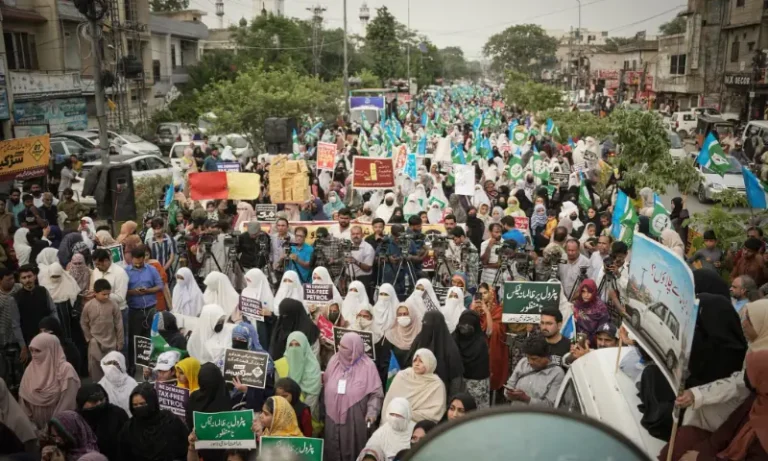
    Traffic was disrupted across several major parts of Karachi on Friday as Jamaat-i-Islami (JI) workers staged sit-ins against the federal petroleum levy. The protests were part of a nationwide campaign announced by the party. JI had said it would hold demonstrations at hundreds of locations across the country by blocking major roads. Karachi traffic police issued an advisory warning motorists about congestion, temporary diversions and partial road closures in several areas. Major routes affected included areas around Mazar-i-Quaid, Numaish Chowrangi, Saddar, Sharea Faisal, Shahrah-i-Pakistan, UP Mor, Power House Chowrangi, Defence Housing Authority, Sea View, Shahrah-i-Orangi, Hub River Road, Super Highway and National Highway. The traffic police advised citizens to avoid the protest-hit areas where possible and use alternative routes. Commuters were also asked to allow additional time for their journeys. According to updates shared by JI Karachi, protesters blocked the road connecting Sharea Faisal with Natha Khan. The Super Highway and Hub River Road were also affected. Another road connecting the Sharea Faisal Nursery Bus Stop with the airport was reportedly blocked as protesters gathered at the designated locations. The demonstrations prompted criticism from the Sindh government. Provincial government spokesperson Sadia Javed said the petroleum levy was a federal issue and questioned why Karachi’s residents were facing difficulties because of the protest. She accused the JI of using the demonstrations for political gains instead of addressing public issues through relevant constitutional forums. Javed said road blockades were affecting the daily lives of millions of Karachi residents and raised concerns about the movement of ambulances and patients during the disruptions. She urged the party to raise its objections in Parliament and other relevant forums rather than blocking roads. The government spokesperson also warned protesters against damaging public property or taking the law into their own hands. The demonstrations were not limited to Karachi. JI workers also gathered in Lahore, Islamabad, Quetta and Peshawar as part of the nationwide campaign. In Islamabad, protesters reportedly blocked Srinagar Highway near Golra Mor while attempting to march towards Chungi 26. Several locations across Sindh also witnessed demonstrations, including Thatta, Matiari, Tando Allahyar and Shikarpur.

  • | |

    AJK Assembly seeks Truth Commission over unrest

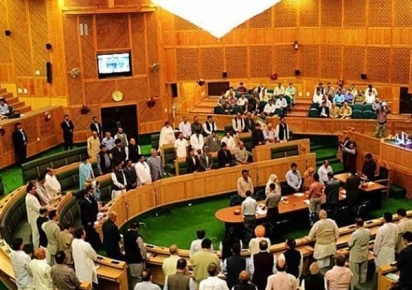
    The Azad Jammu and Kashmir (AJK) Legislative Assembly has unanimously passed a resolution calling for the formation of an independent Truth Commission to investigate the recent unrest that claimed several lives and left many others injured. The proposed commission will examine the causes of the violence, investigate all reported deaths, injuries and property damage, and recommend measures to provide relief to victims and prevent similar incidents in the future. The move comes after violent clashes between law enforcement personnel and protesters in Rawalakot, where both security officials and demonstrators reported casualties. The unrest sparked widespread concern and renewed calls for an impartial investigation. According to the resolution, the Truth Commission will function as an independent and impartial body. Its structure, powers and terms of reference will be finalised jointly by the federal government and representatives of the protest leadership before being formally established under AJK law. The commission will be tasked with reviewing all aspects of the recent crisis. It will examine evidence related to deaths, injuries, property losses and allegations of violence. Authorities said the inquiry will be conducted without any predetermined conclusions, ensuring that every affected family and relevant party has an opportunity to present evidence and testimony. The proposed body will have access to official records, including government documents, police reports, forensic material, communication records, videos and witness statements. Sensitive information involving national security or witness protection may be reviewed through confidential proceedings. The Assembly clarified that the commission will not determine criminal guilt or hand down punishments. Instead, if evidence suggests legal violations, the matter will be referred to the relevant investigative or judicial authorities for further action. Individuals or institutions facing adverse findings will also be given an opportunity to respond before any conclusions are reached. The commission will submit interim and final reports within an agreed timeframe. Its final report is expected to be made public, subject to legal restrictions concerning national security and witness safety. It may also recommend compensation for victims, institutional reforms, legal action where necessary and measures to prevent future unrest. The resolution also called for immediate de-escalation of tensions across the region. It urged the government to restore normal life by reopening roads, ensuring medical and emergency services, improving communication networks and maintaining the uninterrupted supply of essential goods. At the same time, protest organisers were urged to suspend demonstrations until the commission completes its work. The governments of AJK and Pakistan were also asked to avoid further actions linked to the crisis during the inquiry, except where immediate measures are required to protect public safety. The Assembly reaffirmed its commitment to democratic values, constitutional governance and the rule of law. It stressed that peaceful protest, freedom of expression and the right to raise political, economic and social demands are guaranteed under democratic principles. However, it strongly rejected violence, vandalism, the use of weapons and attempts to challenge state authority through force. Lawmakers paid tribute to security personnel, police officials and civilians who lost their lives during the unrest. They expressed sympathy with all affected families and stressed that every victim deserves justice, humanitarian assistance and equal treatment under the law. The House also appealed to citizens, political workers, traders and youth to distance themselves from violent elements. It emphasised that responsibility for any unlawful acts should be determined individually through evidence and due legal process rather than collective blame.

  • | | |

    Teen in clown costume arrested after fatal stabbin…

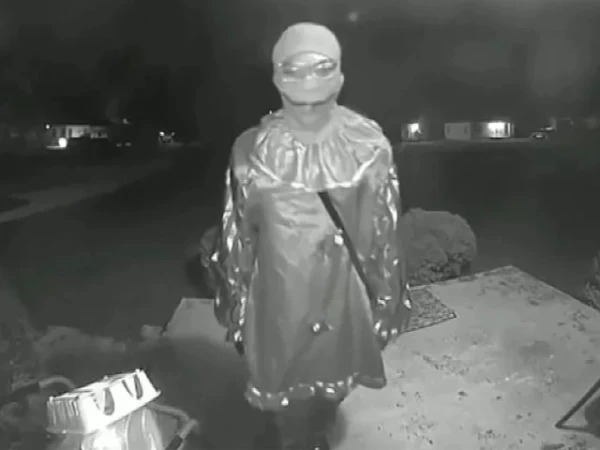
    A 15-year-old boy has been arrested after allegedly fatally stabbing a 78-year-old man while dressed in a clown costume in East St. Louis, Illinois, in a case that has shocked local residents and gained widespread attention online. Authorities say doorbell camera footage and neighborhood surveillance videos were instrumental in identifying and apprehending the suspect. According to police, the incident occurred on Monday night when the victim, John Wesley Allen Sr., was waiting at a bus stop to meet his sister. Investigators allege that the teenager, dressed in a loose black-and-red clown outfit, suddenly attacked the elderly man with a knife, inflicting multiple stab wounds. Allen, a retired bus driver and US Navy veteran, died from his injuries. Before the fatal attack, the suspect was reportedly seen wandering through nearby neighborhoods while wearing the clown costume. Residents told investigators that the teenager rang several doorbells, peered through windows, and appeared to be searching for someone. One widely shared doorbell camera video shows the suspect leaning toward the camera and whispering, “I’m looking for you,” in a chilling moment that later spread across social media. Initially, many online users believed the footage was part of a prank or a horror-themed stunt. However, police later confirmed that the video was connected to a real homicide investigation, adding to the public shock surrounding the case. One local resident told police that if his mother had opened the door after the suspect rang the bell, she might also have become a victim. Investigators are reviewing additional surveillance footage and digital evidence to determine whether the attack was premeditated or a random act of violence. Using surveillance footage from nearby homes and businesses, police identified the suspect and arrested him within hours at a residence in the area. Authorities have charged the teenager with first-degree murder. Because the suspect is a minor, law enforcement officials have not released his identity. Police said preliminary findings indicate that the victim and the suspect had no known connection, suggesting the stabbing may have been a random attack. The investigation remains ongoing as detectives continue examining evidence, including social media activity and surveillance recordings, to establish the motive behind the killing. The case has drawn national attention due to its disturbing nature and the viral spread of the doorbell camera footage, while authorities continue to urge the public to avoid speculation until the investigation is complete.

  • | |

    PAC meeting reveals Rs1.06 billion embezzlement

      Islamabad: A meeting of the Public Accounts Committee (PAC) revealed a major financial irregularity involving the Hyderabad Electric Supply Company (HESCO), where more than Rs1.06 billion was allegedly embezzled through the payment of salaries to ghost employees and retired staff. The disclosure was made during the committee’s review of an audit report highlighting serious financial mismanagement within the power distribution company. According to the audit findings, salaries continued to be issued in the names of non-existent employees as well as individuals who had already retired from service, resulting in a massive loss to the national exchequer. The audit report stated that the alleged embezzlement was carried out through the collusion of officials from HESCO’s Drawing and Disbursing Officer (DDO) office, Executive Engineer (XEN) office, and Chief Financial Officer (CFO) office. The report indicated that weaknesses in internal financial controls and payroll monitoring allowed the irregular payments to continue for an extended period without detection. During the PAC meeting, members expressed serious concern over the scale of the fraud and questioned how such a significant amount of public money could be misappropriated without timely intervention. The committee emphasized the need for stronger financial oversight, transparent payroll management, and strict accountability to prevent similar incidents in the future. Responding to the audit observations, the Chief Executive Officer (CEO) of HESCO informed the committee that disciplinary action had already been taken against officials found responsible for the irregularities. According to the CEO, four employees have been dismissed from service, including three accounts officers and one finance officer. He stated that the company has adopted a zero-tolerance policy toward corruption and financial misconduct and is cooperating fully with the relevant authorities. Officials from the Federal Investigation Agency (FIA) also briefed the committee on the progress of the criminal investigation. They informed lawmakers that five criminal cases had been registered in connection with the fraud. According to the FIA, more than 130 individuals were allegedly involved in the scam, either directly or indirectly, making it one of the largest payroll fraud cases uncovered in a public sector utility. Despite the registration of multiple cases, the FIA reported that only Rs130 million has been recovered so far, a small portion of the total amount allegedly embezzled. Investigators said efforts are continuing to trace the remaining funds, identify all those responsible, and recover the outstanding amount through legal proceedings. The PAC directed the relevant authorities to expedite the investigation and ensure that all individuals involved are brought to justice, regardless of their position or influence. Committee members stressed that those responsible for the misuse of public funds must be held accountable to restore public confidence in government institutions. The revelations have once again highlighted the need for comprehensive reforms in payroll management, financial auditing, and internal accountability mechanisms within state-owned organizations. The committee reiterated that transparent governance and effective oversight are essential to preventing corruption and safeguarding public resources from financial abuse.

  • |

    Mayor shot dead inside town hall in Central Mexico

    Valentín Lavín Romero, the mayor of Temoac in the central Mexican state of Morelos, was shot dead on Wednesday inside the municipal government headquarters. The politician, affiliated with the Green Party, an ally of the ruling Morena party, was targeted in broad daylight when armed hitmen entered the town hall before escaping on a motorcycle. The fatal attack came six months after Lavín Romero survived a previous attempt on his life in late January, when gunmen opened fire on his vehicle at a highway petrol station. His assassination marks the 14th murder of a mayor in Mexico since President Claudia Sheinbaum took office in October 2024, highlighting the persistent vulnerability of municipal officials in regions contested by organised crime networks. Prior to his death, Lavín Romero faced intense local scrutiny and threats. In May, a criminal group left a warning banner in the town center accusing him of protecting rival syndicates. He was also under pressure from community activists who demanded investigations into his alleged links to the homicides of two local campaigners. The state prosecutor’s office confirmed that initial forensic investigations are underway at the crime scene, though no suspects or official motives have yet been formally identified. The killing coincides with broader federal anti-corruption drives under Operation Swarm, which targets collusion between municipal administration members and regional cartels across multiple states.

  • | |

    Singapore bans British band Massive Attack following pro-Palestinian display at concert

    The Singapore Police Force and the Infocomm Media Development Authority (IMDA) have issued a formal entry ban against British trip-hop band Massive Attack after band members unfurled a Palestinian flag and shouted “Free Palestine” on stage during their performance at The Star Performing Arts Centre. Following an investigation into the incident, authorities administered stern warnings to founding members Robert Del Naja and Grant Marshall for violating Section 3 of the Foreign National Emblems (Control of Display) Act 1949 and Section 16 of the Public Order Act. The regulatory body confirmed that the band will be denied future entry and performance permits in the country. IMDA is also evaluating potential licensing breaches against the local concert organiser for failing to enforce rules that strictly prohibit the display of political or foreign symbols. Singapore maintains stringent regulations regarding public demonstrations, political expression, and the display of foreign emblems to preserve racial and religious harmony within its multicultural population. Authorities reiterated that external geopolitical conflicts must not be imported into the country’s public sphere. Massive Attack, known for integrating political activism into their performances, continued their world tour with their next scheduled stop in Seoul.

Leave a Reply

Your email address will not be published. Required fields are marked *