intelligence chief predicts
| |

US intelligence chief predicts more tech outages as systems undergo upgrades

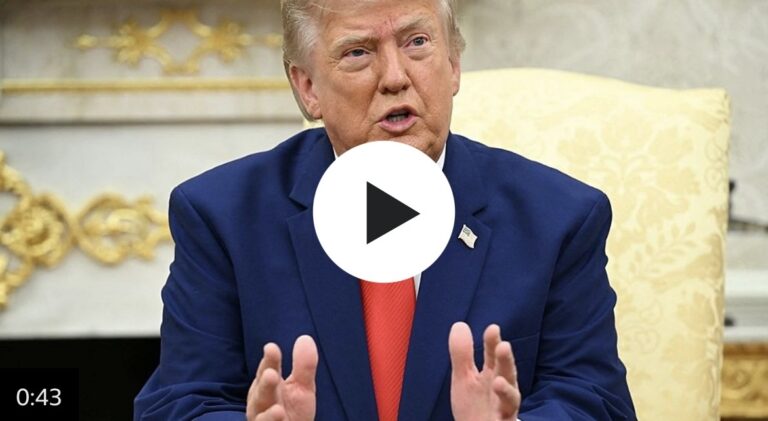
WASHINGTON, USA – Americans should expect more technology outages and disruptions as companies and government agencies replace aging systems, the top US intelligence official said on Sunday, November 22.

“And as part of that ongoing upgrade, we are going to have glitches, gaps, interruptions in service,” Director of National Intelligence Jay Clayton told CNN’s “State of the Union” program. “That is going to happen.”

Clayton was interviewed on Sunday morning news programs days after President Donald Trump attributed a recent spate of technology failures to upgrades of companies’ technology systems. Clayton said the upgrades were necessary to improve performance and cybersecurity as technological advances strain older systems.

A string of technology failures this month disrupted critical US systems, including a nationwide halt to air travel, a Microsoft outage that hit email services, a technical glitch that affected several major banks and a temporary disruption to the National Security Agency’s network.
Must Read

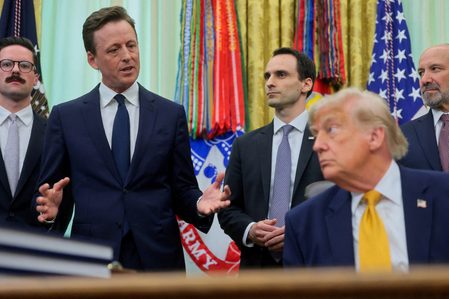
Trump ousts cyber director after tech outages spark criticism


Trump ousts cyber director after tech outages spark criticism

Speaking on the ABC program “This Week,” Clayton reiterated his previous statements that those outages were not the result of coordinated or state-sponsored actions, attributing them to technical upgrades.

Clayton declined to discuss specifics of separate reports of cyberattacks on the FBI and Department of Agriculture, saying he expects investigators to provide answers “in due course.” – Rappler.com
Similar Posts

  • |

    Infantino urged to skip youth event as FIFA pressure mounts

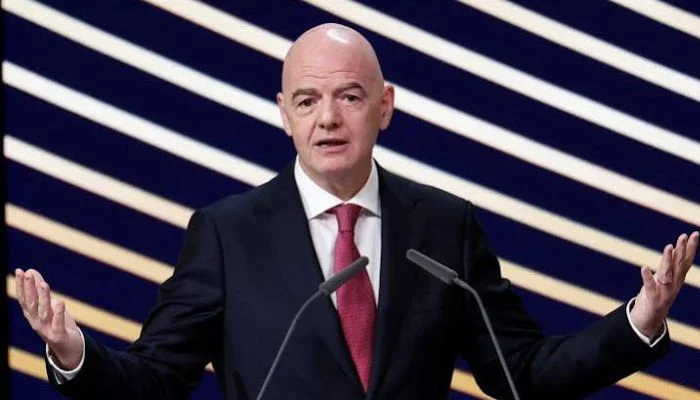
    FIFA president Gianni Infantino is facing growing pressure to stay away from an under-14s youth tournament in the Dominican Republic. The request comes amid escalating anger over his handling of World Cup-related commercial plans. According to reports, Infantino received a letter on Friday from a regional football executive warning that his presence could disrupt the tournament entirely. The concern centres on how his attendance might overshadow what’s meant to be a purely technical, development-focused youth event. While Infantino received warm greetings from local politicians ahead of the trip, the head of football’s governing body for North America and the Caribbean firmly opposed his attendance at the Caribbean Football Union event. In the letter, the CONCACAF president reportedly asked Infantino directly to reconsider showing up, warning that his presence could end up undermining the tournament’s youth development goals. The request adds to a broader wave of criticism currently surrounding Infantino’s leadership. FIFA continues to provide substantial financial support to countries through revenue generated by the World Cup, giving the organisation considerable regional influence. Despite that, CONCACAF has reportedly joined forces with European and Asian football confederations, co-signing a letter pushing for Infantino’s resignation. The coordinated pressure marks a significant escalation in tensions surrounding his leadership. While Infantino may still retain some support within CONCACAF, particularly from Mexico, other co-hosts of the 2026 World Cup, including Canada, have openly criticised his leadership. That growing divide has placed him under an increasingly difficult spotlight. Adding further pressure, a FIFA presidential election is scheduled for next year. Football associations in England, Wales and Scotland have already withdrawn their prior endorsements of Infantino, signalling weakening support even among traditionally aligned nations. With mounting criticism from multiple continents, an upcoming leadership election, and now formal requests to stay away from grassroots football events, Infantino’s position atop world football appears increasingly precarious heading into the coming year.

  • |

    UK’s Burnham welcomes Zelensky in first foreign leader visit

    British Prime Minister Andy Burnham hosted Ukrainian President Volodymyr Zelensky for his first official visit with a foreign leader since taking office, reaffirming Britain’s unwavering support for Kyiv. The two leaders visited a UK naval base to meet armed forces personnel involved in training Ukrainian service members for Black Sea maritime security and counter-mine operations. During the visit, London announced it would share the intellectual property for “Stone Cloak”, a new military-grade electronic jamming technology designed for drones to evade Russian air defence tracking. The UK confirmed its total support for Ukraine has reached £25 billion since the start of the conflict, with Zelensky scheduled to travel onward to Washington for talks with US President Donald Trump.

  • |

    Italy joins Tunisia’s wildfire fight

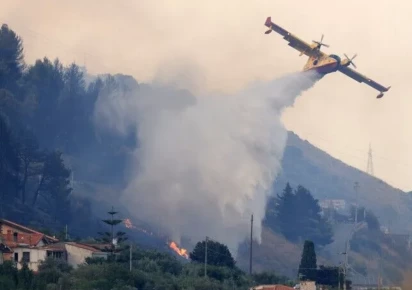
    An Italian firefighting aircraft has joined efforts to contain two major wildfires in Tunisia’s western Kef province, as authorities continue a large-scale operation to prevent the flames from spreading through forested and mountainous areas. The Italian Embassy in Tunis announced on Friday that Italy had sent a Canadair firefighting aircraft to assist Tunisian emergency teams. The aircraft collected water from the Mellegue Dam and repeatedly dropped it over areas affected by the fires, according to footage broadcast by Tunisia’s national radio. Khalil Mechri, head of operations and monitoring at Tunisia’s Civil Protection Directorate, said firefighting teams continued their work throughout Friday evening to bring both blazes under control. He said the fires began several days earlier in Jebel Touila and Jebel Takrouna, two mountainous areas in the Kef province. The wildfires have already scorched hundreds of hectares of forests and vegetation, Mechri told Tunisia’s state news agency TAP. Around 22 fire engines and large numbers of civil protection personnel remain engaged in the operation, while several government ministries and local authorities have provided additional equipment and logistical support. Tunisia’s Defense Ministry has also contributed to the response by deploying military aircraft to provide aerial assistance in the firefighting operation. The latest fires come amid a sharp rise in wildfire damage across Tunisia this summer. According to figures released by Tunisian authorities, wildfires have destroyed around 4,400 hectares (10,873 acres) of land since the beginning of May. Mohamed Noufel Ben Haha, director general of forests at the Agriculture Ministry, said fires recorded between May 1 and July 23 had burned approximately 4,400 hectares. The figure represents a significant increase from the 2,705 hectares affected by wildfires during the same period in 2025, marking a rise of nearly 63 percent. Authorities continue to monitor the situation as firefighters work to contain the remaining flames and protect nearby forests and communities from further damage.

  • | | |

    Fake Iranian statements allegedly used to push nuc…

    TEL AVIV: An Israeli journalist has alleged that a fabricated statement attributed to an Iranian official was circulated as part of an effort to portray Tehran as actively seeking to develop nuclear weapons. According to Israeli journalist Ronen Bergman, a false statement was allegedly created and attributed to Ahmad Vahidi, a senior commander of Iran’s Islamic Revolutionary Guard Corps. The fabricated remarks purportedly claimed that Iran was developing nuclear weapons. Bergman said the alleged fake statement was initially circulated through the social media account of a Hindu extremist in India before being amplified by a number of prominent Israeli and US-linked accounts and figures. He alleged that the material was subsequently shared by accounts associated with Israel’s Mossad, an Israeli television channel, Israeli Prime Minister Benjamin Netanyahu and the US ambassador to the United Nations. The claims have raised questions about the role of disinformation in the highly sensitive debate surrounding Iran’s nuclear programme, particularly amid continuing tensions between Tehran and Israel. The allegation is significant because claims about Iran’s nuclear ambitions have repeatedly featured in political and security debates in the region. Any fabricated statement presented as an authentic admission could potentially influence public opinion and international perceptions. However, the reported allegations concern the authenticity and circulation of the statement rather than independently establishing the broader question of Iran’s nuclear intentions. The development highlights how rapidly unverified material can spread across social media and be amplified by influential accounts, especially during periods of heightened geopolitical tension. The claims attributed to Bergman are likely to fuel further debate over information warfare, source verification and the use of alleged intelligence-related material in the ongoing Iran-Israel confrontation.

  • Trump imposes 50% tariffs on Canada as Carney vows to consider ‘All Options’ in response

    US President Donald Trump has imposed a 50% tariff on a wide range of goods imported from Canada, retaliating against what he called “unequal treatment” of US cars, dairy, and alcohol. Everyday consumer items like wine and hockey sticks, as well as industrial goods such as cement, are on the target list, though several key exports including energy, potash, critical minerals, and fish will be spared. Prime Minister Mark Carney said he had spoken to Trump and both leaders agreed to “intensify” trade talks in a bid to calm growing tensions between the North American neighbours. However, Carney warned that “all options” were on the table in terms of how Canada could respond to the fresh tariff threat. Since the tariff war broke out more than 18 months ago, Carney said Canadians have “stood together” by buying home-produced goods and agreeing new trade routes with other countries. “[The] country is stronger, stronger because we are united, and we will remain united,” he told reporters. Tensions between the major trading partners have been simmering since Trump returned to office in January last year and unleashed a wide-ranging global programme of tariffs. Asked about the latest tariffs, which the White House says will take effect in 30 days, Trump said Canada had been “very, very tough on us over the years” and “no other presidents done anything about it.” He added: “I love Canada, I love the people of Canada, many friends that live in Canada. Without us, there’s no way they can survive.” The latest move comes after the US Supreme Court ruled earlier this year that many of the tariffs imposed globally under emergency powers were illegally enacted. Trump has since sought other legal avenues to push through his flagship trade policy. Trump has said the levies will boost American manufacturing and jobs, but some economists have warned that higher charges on imported goods risk pushing up prices for consumers. This new round of duties on Canadian goods has also fuelled speculation about a potential wider tariff announcement by the US on countries across the world. US Trade Representative Jamieson Greer said on Tuesday that he expected to “see some action soon” when asked about the possibility of forthcoming levies. Canada, which is one of the US’s closest trading partners, was one of the few countries to retaliate last year against Trump’s tariffs, placing a 25% levy of its own on about C$30 billion worth of US goods. Carney later dropped some of them. As the trade war escalates, the implications for both economies remain significant. Canada’s reliance on US markets for exports and the interconnected nature of North American supply chains mean that any prolonged tariff dispute could have far-reaching consequences. Carney’s warning that “all options” are on the table suggests that Canada is prepared to respond forcefully if necessary, potentially escalating the conflict further. The coming weeks will be critical in determining whether diplomatic efforts can de-escalate the tensions or whether the trade war will intensify, impacting businesses and consumers on both sides of the border. The international community will be watching closely as two of the world’s largest trading partners navigate this dangerous standoff.

Leave a Reply

Your email address will not be published. Required fields are marked *