Before Oppenheimer, Cillian Murphy Showed Up In A Gripping Sci-Fi Movie With Three MCU Stars
Cillian Murphy built his career on a healthy mix of art-house dramas and blockbuster franchises, while also having a steady presence in prestige television thanks to Peaky Blinders. Those diverse roles allowed him to refine his skills, shaping him into one of the top stars of his generation. Along the way, Murphy’s partnership with Christopher Nolan carried him through Batman Begins, Inception, and Dunkirk, until the director cast him as J. Robert Oppenheimer, the physicist who oversaw the creation of the atomic bomb. Oppenheimer shattered all expectations, crossing the $1 billion mark despite its uncomfortable subject and the lack of spectacle in a scientific biopic. Of course, part of that success can be explained by Murphy’s generational performance as the titular physicist, which anchored the movie’s exploration of a man haunted by his own creation.
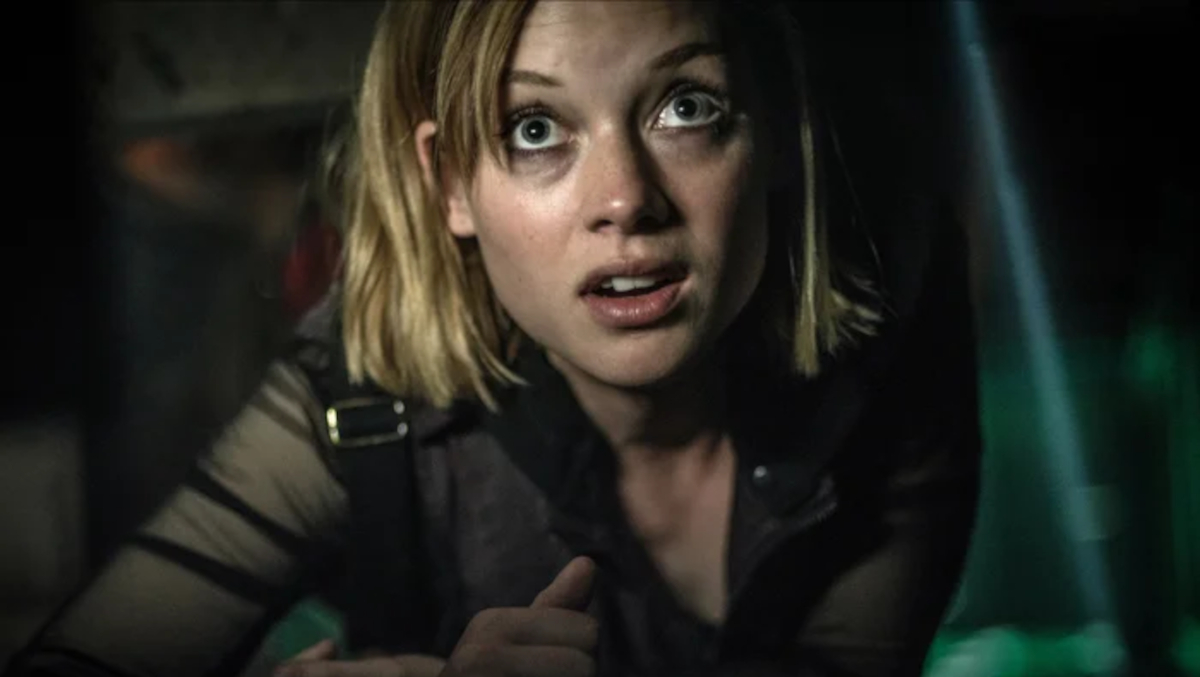
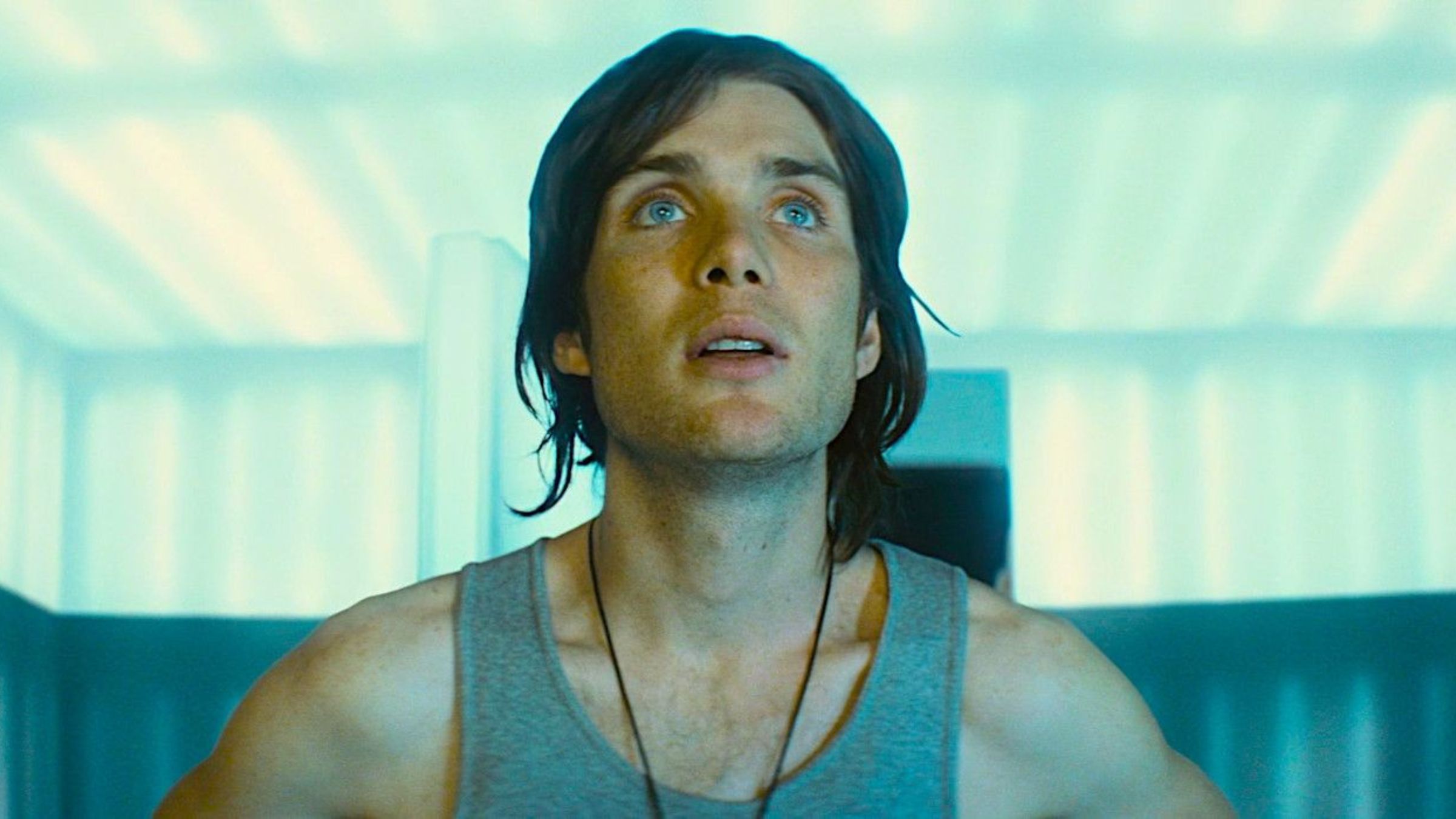
Long before Oppenheimer reached theaters, Sunshine reunited Murphy with 28 Days Later director Danny Boyle for a science fiction thriller about a crew sent to reignite a collapsing star before humanity freezes to death on Earth. The film centers on physicist Robert Capa (Murphy), the astronaut tasked with detonating the stellar bomb designed to save the species, and it surrounds him with an ensemble unraveling under the pressure of a mission with no margin for error. Sharing that ship is engineer James Mace (Chris Evans), whose volatility and mounting paranoia repeatedly threaten the crew’s survival. Sunshine was released in 2007, and four years later Evans would become Steve Rogers in Captain America: The First Avenger, a role he has carried across more than a decade of Marvel Studios productions and will reprise again in Avengers: Doomsday. Another crewmember is biologist Corazon, played by Michelle Yeoh, who appeared as Aleta Ogord in Guardians of the Galaxy Vol. 2 and Ying Nan in Shang-Chi and the Legend of the Ten Rings. Finally, there’s Trey, the navigator, played by Benedict Wong, who is also the current Sorcerer Supreme of the Marvel Cinematic Universe, Wong.
It’s Still Worth Watching Sunshine
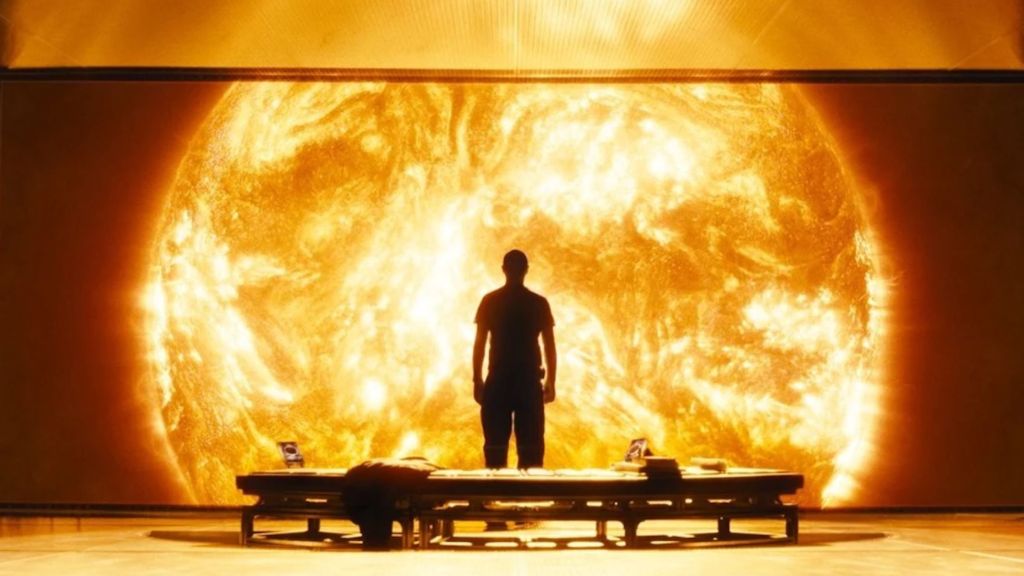
Sunshine still holds up because Boyle directs it like a psychological thriller rather than a conventional space adventure, focusing on the slow descent into chaos as the crew nears their goal. Cinematographer Alwin Küchler also frames the ship’s interior in claustrophobic angles that contrast against overexposed shots of the sun itself, underlining the crew’s growing obsession with a light that can kill them as easily as save them. Murphy centers that tension through Capa’s quiet unraveling, playing a man whose scientific detachment slowly turns into something closer to religious awe, while his crewmates, including Evans and Yeoh, embody the mounting distrust that spreads as their oxygen and options slowly deplete. The score, composed by John Murphy alongside the band Underworld, builds the same dread through sound, turning the film’s back half into an experience closer to horror than science fiction.
The only thing working against Sunshine is its ending, which abruptly changes the movie’s tone. That shift split audiences on release and contributed to a lackluster theatrical run, as Sunshine grossed just $34.8 million worldwide against a $40 million budget. To be fair, the twist does make sense when taking into account the movie’s themes of fanaticism. Yet, the execution is flawed, as the shift is too sudden, pulling audiences out of the story. Nevertheless, nearly two decades later, Sunshine remains one of the more ambitious studio science fiction films of its era, rewarding viewers willing to sit with its uneven back half for the sake of everything else it does right.
Sunshine is currently available to rent or purchase through digital platforms.