chiang rai launches

Chiang Rai Launches New Health Initiative to Combat Chronic Kidney Disease

CHIANG RAI – On July 10, 2026, Chiang Rai took a major step toward better community health. The city officially launched the “Reduce Kidney Failure Risk, Extend Quality of Life” project. Acting Sub-Lieutenant Bunrit Ayuyuen, the Deputy Municipal Clerk, opened the event at the Mueang Chiang Rai District Public Health Office.

The new program specifically targets at-risk residents and members of local public health networks. It aims to build a solid understanding of chronic kidney disease prevention across the community. Furthermore, health officials want to actively promote correct, everyday health care habits among all locals.

Key Takeaways:

  • Chiang Rai officially launched a focused health project to prevent chronic kidney disease in the community.
  • Medical experts provided free workshops on kidney health, safe medications, dialysis, and proper daily nutrition.
  • The local initiative directly supports the mayor’s long-term goal of making Chiang Rai a true “Wellness City.”

A professional medical team from Chiang Rai Prachanukroh Hospital led the educational health sessions. Dr. Parichat Khamlue opened the floor by discussing general kidney disease facts and related health complications. Next, Pharmacist Theeraporn Ekkabut warned attendees about how certain medicines and herbal products harm kidney function.

The community learning continued with practical care strategies for those already affected by illness. Registered Nurse Thanyalak Tharawijitkul shared important details about managing chronic kidney failure through proper dialysis. Additionally, Nutritionist Phimphan Wisutthikan explained how a balanced diet plays a huge role in supporting kidney health.

Interactive Health Booths and Daily Habits

Beyond just listening to medical lectures, attendees eagerly participated in hands-on health promotion booths. These interactive learning stations gave people highly practical health tips for their busy daily routines. Ultimately, the local goal is to help everyone apply these healthy habits in real life with complete confidence.

This entire health project strongly reflects the modern vision of Chiang Rai Mayor Wanchai Jongsuthanamanee. He is currently working very hard to transform the area into a leading Wellness City. Leaders truly believe that strong community health must start right at the basic family level.

When individual families stay healthy, the whole city naturally grows much stronger over time. Therefore, empowering local people with basic medical knowledge remains a vital step moving forward. This highly sustainable approach will surely improve the overall quality of life across all of Chiang Rai.

Trending News:

Traffic Alert: Chiang Rai Closes Highway 1232 for Flood Repairs

Chiang Rai Governor Launches 2026 Trade Push to Boost Local Businesses


Similar Posts

  • |

    Pattaya Public Health Office Launches “Rest Your Liver, Abstain from Alcohol For The Next Three Months During Buddhist Lent” Campaign

    PATTAYA – The Substance Addiction Treatment Division under the Disease Control Section of the Pattaya City Office of Public Health and Environment has organized a special activity titled “Invite to Rest the Liver, Abstain from Alcohol During Buddhist Lent” at Pattaya City Hall. Organizers explained the serious health risks associated with alcohol consumption. Regular and […]

  • | |

    Screwworm spreads in Mexico, raising alarm across …

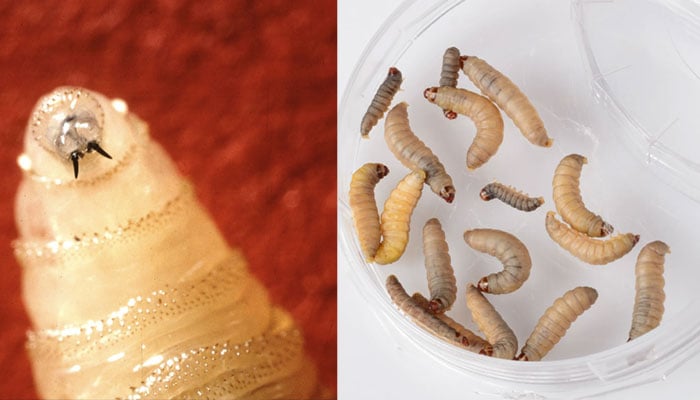
    MEXICO CITY: A dangerous flesh-eating parasite known as the New World screwworm is spreading through parts of Mexico and Central America, with hundreds of human infections reported and growing concern over its potential impact on livestock and animal health. The parasite is the larval stage of a particular fly. Unlike ordinary flies, the female screwworm fly can lay eggs in open wounds or vulnerable areas of living animals and humans. The eggs can hatch within about a day, after which the larvae enter the wound and feed on living tissue. The infection, known as myiasis, can become severe if treatment is delayed. In serious cases, the larvae can damage muscles and even reach deeper tissues and bones. A study published in a medical journal linked to US health authorities examined 202 confirmed human cases recorded in Mexico between April 2025 and March 2026. Researchers found that reported infections increased sharply, rising from roughly three cases a week in 2025 to more than nine cases a week during 2026. More than half of the patients examined had infections involving their legs. Other cases affected the head, neck, nose, mouth and eyes, highlighting the parasite’s ability to invade different parts of the body through wounds or vulnerable tissue. The study reported six deaths among the patients examined, although researchers directly linked only one of those deaths to screwworm infection. The average age of patients was about 61, while 72 per cent were men. Researchers also found that 77 per cent of those infected had at least one pre-existing medical condition, potentially increasing their vulnerability to complications. The parasite is considered particularly dangerous for livestock because its larvae feed on living tissue. Untreated infections can cause serious wounds, weaken animals and, in severe cases, prove fatal. The resurgence has also raised concerns in the United States. The country had previously eliminated the New World screwworm after decades of control efforts, achieving eradication in 1966. However, the parasite returned to the spotlight after an infected calf was confirmed in Texas’s Zavala County in June 2026, according to international reports. The development has heightened fears that the parasite could spread further north, particularly through livestock movement and other routes. Health and agricultural authorities face the difficult task of controlling the parasite while detecting infections early. For people, experts generally stress the importance of seeking medical attention for unusual or worsening wounds, particularly after exposure in areas where screwworm is circulating. The outbreak serves as a reminder that a tiny insect can create a major public-health and agricultural challenge when conditions allow a dangerous parasite to spread.

  • | |

    COVID-19 legal battle against Anthony Fauci

    On August 6, 2026, the Senate Homeland Security and Governmental Affairs Committee hold Dr. Anthony Fauci in contempt of Congress. The resolution, driven by the committee’s Republican Chairman, Senator Rand Paul of Kentucky, recommends referring the 85-year-old retired public health official to the U.S. Department of Justice for potential criminal prosecution. The panel’s decision follows a contentious appearance by Fauci during an investigation into the government’s COVID-19 response and the origins of the coronavirus. Throughout the session, Fauci repeatedly invoked his Fifth Amendment constitutional protection against self-incrimination, refusing to answer key questions from lawmakers more than 100 times. A Long-Standing Feud Escalates The bitter confrontation represents the latest chapter in a multi-year rivalry between Rand Paul and Anthony Fauci, who served as the prominent face of the federal government’s pandemic response until his retirement in 2022. For years, Paul and conservative lawmakers have accused Fauci of misrepresenting information regarding the origins of the virus, public health guidance, and funding for viral research. Shortly before the hearing, Paul released over 1,000 pages of Fauci’s personal diary entries, claiming they demonstrated hidden doubts about the origins of the outbreak. During his opening statement at the hearing, Fauci delivered a rebuke of the proceedings, characterizing the hearing as a political trap. He accused Senator Paul of harboring an unhinged obsession with sending him to prison, arguing that the true purpose was to force him into a procedural error or perjury. Citing legal advice from his counsel, Fauci stated that pleading the Fifth Amendment was his only prudent option to protect against politically motivated prosecution, despite his history of testifying before Congress across multiple presidential administrations. The Legal Dilemma Over Clemency and Constitutional Rights At the center of the contempt vote lies a unprecedented constitutional debate involving executive clemency and Fifth Amendment rights. Before leaving office in January 2025, former President Joe Biden issued a preemptive pardon to Fauci covering his official actions between 2014 and early 2025, intending to insulate the scientist from what the former administration deemed politically motivated retributive investigations. Senator Paul argued that because Fauci holds presidential immunity for his past government conduct, he no longer faces real legal exposure for those events, rendering his Fifth Amendment claims invalid. “Holding a witness in contempt is a serious thing, and it should be rare,” Paul remarked prior to the vote. “But the contempt power exists for precisely this circumstance.” Conversely, Democratic members of the committee and legal experts contend that because current lawmakers and political figures have repeatedly threatened Fauci with new criminal proceedings, his apprehension regarding self-incrimination remains legally legitimate. Democrats tried to stall the contempt measure by introducing five procedural motions to table or delay the vote, but the Republican majority defeated every motion along party lines. Potential Next Steps With the committee’s approval, the contempt resolution moves forward, though its future path remains uncertain. Typically, a contempt of Congress resolution requires a full vote on the Senate floor, where it would need a 60-vote threshold to clear procedural hurdles, an unlikely outcome given solid Democratic opposition. However, Chairman Paul indicated he may attempt to bypass a full floor vote by referring the resolution directly to the Department of Justice. Whether the Justice Department chooses to take up the referral and pursue criminal charges against the veteran public health official remains to be seen. Regardless of the legal outcome, today’s vote underscores the persistent political divide in Washington over the scientific, social, and policy decisions made during the COVID-19 pandemic.

  • Genicular Artery Embolization (GAE) for Knee Pain in Thailand

    BANGKOK – Persistent osteoarthritis knee pain can make walking, climbing stairs, and everyday activities difficult, even after medication, physical therapy, weight management, or injections. In Thailand, some patients seek an option between ongoing conservative care and total knee replacement, especially when surgery carries added concerns or feels premature. GAE is a minimally invasive, image-guided procedure […]

  • Why People With OCD Don’t Want to Give Up Their Compulsions

    Someone with OCD can know, without a doubt, that their compulsions are stealing hours from their day, hurting their relationships, and making their life smaller. And yet, when it comes time to actually stop, something inside them pulls back. This is one of the most confusing and least talked about parts of OCD. It’s not […]

  • Chiang Rai City Launches Holistic Care Program to Transform Elderly Quality of Life

    CHIANG RAI – Chiang Rai Municipality has launched a comprehensive “Holistic Elderly Care” initiative to support its growing senior population. Led by Mayor Wanchai Chongsuttanamanee, the program focuses on physical, mental, social, and spiritual well-being. Local officials aim to empower seniors with practical knowledge so they can maintain their health and independence at home. On […]

Leave a Reply

Your email address will not be published. Required fields are marked *