Health

  • | |

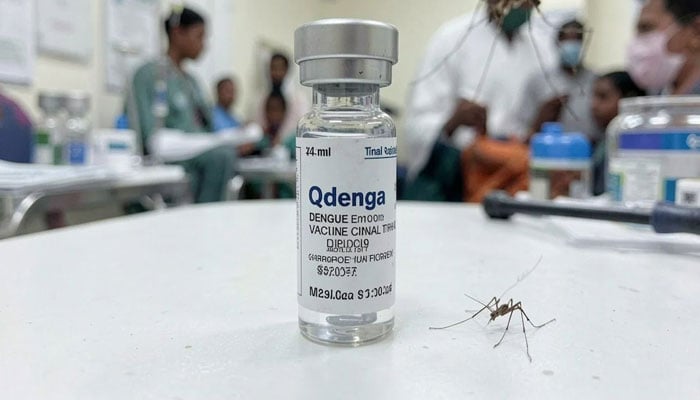
    India approves first dengue vaccine

    India has approved the use of its first dengue vaccine, marking a significant step in the country’s efforts to tackle a disease that affects millions of people each year. According to India’s Ministry of Health, authorities approved the Japanese pharmaceutical company Takeda’s dengue vaccine, Qdenga, on July 21. The Central Drugs Standard Control Organisation (CDSCO) has cleared the vaccine for people between the ages of 4 and 60. Health officials say the vaccine could help protect children, teenagers, and adults from dengue, a mosquito-borne viral infection that can sometimes develop into a severe and potentially life-threatening illness. The vaccination schedule consists of two doses administered three months apart. Takeda developed the vaccine in partnership with Indian pharmaceutical company Biological E, which is working with the Japanese firm to support its production in India. According to media reports, Qdenga offers protection against all four major dengue virus serotypes. Regulators in 42 countries have already approved the vaccine, while more than 24 million doses have reportedly been administered worldwide. So far, health authorities have not identified any major safety concerns linked to its use. The approval comes as India continues to face a substantial dengue burden. More than one million dengue cases have reportedly been recorded across the country since 2021, with around 1,500 deaths linked to the disease during the same period. Dengue spreads primarily through the bite of infected Aedes mosquitoes and remains a major public health concern in tropical and subtropical regions. India’s approval of Qdenga could provide health authorities with another tool to reduce the impact of dengue, particularly during periods when mosquito populations rise and infections increase.

  • |

    Sindh health minister calls for stronger measures to protect mothers during childbirth

      Karachi: Sindh Health Minister Dr. Azra Fazal Pechuho has expressed serious concern over the rising maternal mortality rate associated with repeated cesarean section (C-section) deliveries. Speaking at the “Maa Rahe Salamat” (May Mothers Stay Safe) Family Planning Summit held at the Jinnah Postgraduate Medical Centre (JPMC) in Karachi, she emphasized the urgent need for stronger policies and legislation to protect the lives and health of mothers in Pakistan. Addressing participants at the summit, Dr. Pechuho stated that Sindh has taken a leading role in promoting maternal and child health across the country. She highlighted that the provincial government has introduced several laws and initiatives aimed at improving healthcare services for women and children, particularly during pregnancy and childbirth. The health minister noted that the increasing number of cesarean deliveries has contributed to a higher rate of maternal deaths. According to her, repeated surgical deliveries expose women to greater health risks, including excessive bleeding, infections, complications from anesthesia, and damage to internal organs. She said the provincial health department is actively working to address these issues and expressed confidence that the results of these efforts will become visible in the near future. Dr. Pechuho stressed that protecting mothers during childbirth should be treated as a national priority. She said the government wants to introduce legislation that ensures the safety of women during pregnancy and delivery while also promoting informed family planning decisions. One of the key proposals she discussed was the introduction of tubal ligation after a woman’s third cesarean section. Tubal ligation is a permanent method of contraception in which the fallopian tubes are blocked or sealed to prevent future pregnancies. According to Dr. Pechuho, women who undergo a third C-section face significantly higher health risks if they become pregnant again. She argued that women should have the right to request tubal ligation during their third cesarean delivery if they wish to avoid future pregnancies. In her view, providing this option would help reduce preventable maternal deaths and improve long-term maternal health outcomes. She added that ensuring access to this procedure should be considered an important part of reproductive healthcare. The minister further remarked that if Pakistan is serious about reducing maternal mortality, mandatory consideration of tubal ligation after a third cesarean section should be included in public health policy. She explained that she deliberately presented the proposal in cautious terms but believes that legislation should move in this direction. According to her, she is already working to advance legal reforms that would support this objective. Dr. Pechuho concluded by reaffirming the Sindh government’s commitment to safeguarding the health and well-being of mothers and newborns. She emphasized that comprehensive maternal healthcare, effective family planning services, and timely medical interventions are essential for reducing preventable deaths and ensuring healthier families. She expressed hope that the proposed legal and policy reforms would strengthen maternal healthcare services and provide greater protection for women across the province.

  • | |

    US Measles cases hit highest level in 35 years, CD…

    The United States has recorded its highest number of measles cases in 35 years, with infections already surpassing last year’s record, according to data from the US Centers for Disease Control and Prevention. The CDC has reported at least 2,318 cases so far in 2026, exceeding the total recorded in 2025 with more than five months still remaining in the year. Health officials say more than 90% of cases are among people who are unvaccinated or whose vaccination status is unknown. Speaking to CNN, Dr Andrew Racine, president of the American Academy of Pediatrics, said: “This essentially is a public health failure, and it’s avoidable.” Several outbreaks that began in 2025 have continued into this year, while dozens of new outbreaks have also been identified. South Carolina has reported the highest number of cases, with an outbreak that began in October growing to nearly 1,000 cases before ending in April. The resurgence of measles, a highly contagious disease that was declared eliminated in the US in 2000, has been linked to declining vaccination rates in some communities. Misinformation about vaccine safety, coupled with vaccine hesitancy, has contributed to the resurgence of the disease, which can cause severe complications, particularly in young children and immunocompromised individuals. Health officials have urged parents to ensure their children are vaccinated against measles, mumps, and rubella, emphasizing that the MMR vaccine is safe and highly effective. The CDC has recommended that children receive two doses of the MMR vaccine, with the first dose administered between 12 and 15 months of age and the second dose between 4 and 6 years of age. Vaccination rates have declined in some states, leading to pockets of vulnerability where outbreaks can take hold. The rise in measles cases has prompted public health campaigns to increase vaccination coverage and address misinformation. Health officials have stressed the importance of community immunity, noting that high vaccination rates are essential to prevent outbreaks and protect those who cannot be vaccinated for medical reasons. The current outbreak has put a strain on healthcare systems, with hospitals reporting an increase in measles-related hospitalizations. Public health experts have called for renewed efforts to combat vaccine hesitancy and improve access to vaccines. The CDC has advised healthcare providers to be vigilant for measles symptoms, particularly in patients who have recently traveled to areas where the disease is endemic or have been in contact with infected individuals. The agency has also emphasized the importance of rapid identification and isolation of cases to prevent further spread. The measles outbreak serves as a stark reminder of the importance of vaccination in preventing infectious diseases. As the US continues to grapple with the resurgence of measles, the focus will be on ensuring that all communities have access to vaccines and accurate information about their safety and effectiveness. The coming months will be critical in determining whether public health efforts can curb the outbreak and prevent further spread of the disease. The CDC continues to monitor the situation closely and provide guidance to healthcare providers and the public. With the number of cases expected to rise, the need for action has never been more urgent. Public health officials are calling on parents and caregivers to ensure their children are up to date on all recommended vaccinations to protect themselves and their communities from preventable diseases. The measles outbreak highlights the ongoing challenges posed by vaccine-preventable diseases and the importance of maintaining high immunization rates to safeguard public health.

  • |

    Common mood-stabilizing drug may offer hope for Alzheimer’s disease

      Medical researchers have suggested that lithium, a widely available and inexpensive medication commonly prescribed to treat bipolar disorder and major depressive disorder, may also hold promise as a potential treatment for Alzheimer’s disease. Although the findings are encouraging, scientists stress that much more research is required before lithium can be recommended as a treatment for patients with Alzheimer’s. According to previous studies researchers found that people diagnosed with Alzheimer’s disease tend to have lower levels of lithium in their brains compared to healthy individuals. This observation led scientists to investigate whether restoring lithium levels could help protect the brain from the damage caused by the disease. To explore this possibility, researchers conducted laboratory experiments using mice genetically modified to develop Alzheimer’s disease. The study found that administering very low doses of lithium significantly improved the animals’ memory performance. In addition, the treatment reduced the harmful effects of brain cell damage that are typically associated with Alzheimer’s. These findings suggest that even small amounts of lithium may have protective effects on brain function. Scientists believe lithium works by helping to preserve the health of neurons, the specialized brain cells responsible for memory, learning, and thinking. The drug may also support communication between different regions of the brain by maintaining the connections between nerve cells. Since Alzheimer’s disease gradually destroys these connections, researchers believe lithium could potentially slow the progression of cognitive decline if administered during the early stages of the disease. Further support for this idea comes from a research paper published in the medical journal Translational Psychiatry. In the article, experts emphasized the need for more comprehensive studies to investigate the safety and effectiveness of low-dose lithium therapy for people with early-stage Alzheimer’s disease. They argued that while the initial findings are promising, larger clinical trials involving human participants are essential before any firm conclusions can be drawn. Experts from Alzheimer’s advocacy organizations have also responded cautiously to the research. Dr. Richard Oakley, Director of Research at the Alzheimer’s Society, said the findings contribute to the ongoing scientific discussion about lithium’s potential role in Alzheimer’s treatment. However, he warned that there is currently no conclusive evidence showing that lithium can prevent dementia or serve as a cure for Alzheimer’s disease. Dr. Oakley further explained that the human clinical trials conducted so far have been limited in size and scope. As a result, the available evidence is not yet strong enough to support the routine use of lithium for Alzheimer’s patients. He emphasized that larger, well-designed clinical studies are needed to determine the drug’s long-term benefits, possible side effects, and the most effective dosage. Alzheimer’s disease remains one of the world’s leading causes of dementia, affecting millions of people and placing a significant emotional and financial burden on families and healthcare systems. While current treatments can only help manage symptoms, researchers continue to search for therapies that can slow or stop the disease. If future studies confirm the benefits of low-dose lithium, this affordable and widely available medication could become an important addition to Alzheimer’s treatment. Until then, experts advise patients and caregivers not to use lithium for Alzheimer’s without medical supervision, as scientific evidence is still developing.

  • | |

    President, PM reaffirm commitment to end hepatitis

    President Asif Ali Zardari and Prime Minister Shehbaz Sharif have reaffirmed Pakistan’s commitment to eliminating hepatitis, saying the country will continue its efforts to tackle the disease despite limited resources. In their messages on World Hepatitis Day, both leaders stressed the need for sustained action, public awareness and collective efforts to control the spread of hepatitis and protect people from its serious health consequences. President Asif Ali Zardari said Pakistan remains among the countries most affected by hepatitis C, making it essential for the government, healthcare institutions and the public to work together to address the challenge. He emphasized that greater awareness, preventive measures and timely diagnosis can play a key role in reducing the burden of the disease. The president called for a strong and coordinated national response to hepatitis and said Pakistan must maintain its efforts to achieve its targets. He also highlighted the importance of preventing hepatitis C from becoming a major public health threat and reaffirmed the goal of controlling the disease by 2030. Prime Minister Shehbaz Sharif also reiterated the government’s commitment to eliminating hepatitis from the country. He said the government launched a national programme for the elimination of hepatitis C in 2025, under which millions of citizens are receiving free screening and treatment. The prime minister said the government will continue expanding efforts to identify patients at an early stage and provide them with access to necessary medical care. He stressed that the federal and provincial governments, along with the private sector, must join hands to achieve the national objective. Prime Minister Shehbaz Sharif expressed confidence that through coordinated efforts, improved healthcare services, public awareness and wider access to screening and treatment, Pakistan can achieve its target of eliminating hepatitis C by 2030.

  • |

    Pakistan’s Silent Hepatitis C Epidemic

    The world is changing rapidly. Artificial Intelligence (AI), genetic research, robotic surgery, and modern medicines have revolutionized healthcare in ways that were unimaginable just a few decades ago. Many deadly diseases have been brought under control, while others can now be completely cured. Yet despite these remarkable advances, one disease continues to silently destroy the lives of millions of people. It progresses for years without obvious symptoms, quietly damaging the body from within. That disease is Hepatitis C, often referred to by medical experts as the “silent killer.” Every year, July 28 is observed as World Hepatitis Day. The day aims to raise public awareness, emphasize the importance of early screening and timely treatment, and remind governments that viral hepatitis remains one of the world’s major public health challenges. For Pakistan, this day carries particular significance because the country now bears the world’s largest burden of Hepatitis C. The Government of Pakistan, in collaboration with the World Health Organization (WHO), has officially launched the Prime Minister’s National Hepatitis C Elimination Programme in the Islamabad Capital Territory (ICT). During its first six months, the programme aims to reach 1.6 million people in ICT, before expanding nationwide to provide services to more than 164 million people. Its primary objective is to eliminate Hepatitis C as a major public health threat by 2030, in line with the commitment adopted by the World Health Assembly. Globally, an estimated 50 million people are living with Hepatitis C, and nearly 10 million of them are in Pakistan, making the country home to the largest Hepatitis C burden in the world. Worldwide, only one in every three infected individuals is aware that they have Hepatitis C. The most dangerous aspect of Hepatitis C is that patients often feel perfectly healthy for many years. During this time, the virus gradually damages the liver. By the time symptoms such as persistent fatigue, loss of appetite, weight loss, yellowing of the skin or eyes (jaundice), or abdominal pain appear, the liver has often already suffered severe damage. This is why medical experts describe Hepatitis C as the “silent killer.” Rather than attacking suddenly, it quietly weakens the body over many years. Every Pakistani should ask an important question: if many countries have successfully reduced Hepatitis C infections, why does Pakistan continue to struggle with this crisis? There are several reasons. The widespread overuse of injections, the reuse of contaminated syringes, unsafe and unscreened blood transfusions, unregistered blood banks, improperly sterilized surgical and dental instruments, repeated use of razor blades by barbers, and poor infection control practices all contribute significantly to the spread of the disease. In many communities, injections are still widely believed to be the most effective treatment for almost every illness. However, unsafe injection practices remain one of the leading causes of transmission of Hepatitis C and several other infectious diseases. Pakistan’s share of the global Hepatitis C burden is alarmingly high. Every year, approximately 110,000 new infections are reported. Most of these are associated with unsafe medical practices, while a significant proportion occurs among people who inject drugs using shared needles. Many countries have successfully controlled Hepatitis C through safe blood transfusion systems, strict infection prevention measures, quality healthcare services, and widespread screening programmes. Countries such as Iceland, Norway, Finland, Sweden, the Netherlands, and Switzerland have achieved remarkably low Hepatitis C prevalence. Egypt is another remarkable example. Once among the countries most severely affected by Hepatitis C, Egypt dramatically reduced the disease burden through nationwide screening, free treatment, and comprehensive public awareness campaigns. Across many urban and rural areas of Sindh, Hepatitis remains a serious public health concern. Limited access to quality healthcare, the growing number of unregistered clinics, unsafe medical practices, and low public awareness continue to worsen the situation. In rural communities, many people still prefer injections even for minor illnesses such as fever or body aches. If a syringe is reused or not properly sterilized, this common practice can easily spread the virus. The impact of Hepatitis extends far beyond the patient. When the family’s primary breadwinner falls ill, the entire household suffers. Medical expenses, loss of income, disruption of children’s education, and psychological stress together create a serious social and economic burden. For this reason, Hepatitis should not be viewed merely as a medical issue. It is also a challenge closely linked to national development, poverty reduction, and the protection of human capital. Recognizing the growing burden of Hepatitis, the Government of Pakistan has launched a nationwide Hepatitis C elimination programme focused on mass screening, free treatment, and access to modern medicines. At the same time, the Government of Sindh is implementing the Hepatitis Free Sindh Programme, providing free screening, laboratory testing, Hepatitis B vaccination, and treatment services at government hospitals throughout the province. These initiatives are important, but they alone are not enough. Unless people become aware of these services and access is extended to remote and underserved communities, the desired outcomes will remain difficult to achieve. Preventing Hepatitis is both simple and highly effective. People should always insist on the use of new, sealed syringes, receive only properly screened blood during transfusions, ensure that a new razor blade is used for every shave, confirm that dental and surgical instruments are properly sterilized, avoid sharing personal hygiene items, and receive vaccination against Hepatitis B. By following these basic precautions, thousands of new infections can be prevented every year. The fight against Hepatitis is not solely the responsibility of doctors or hospitals. Governments, the private sector, educational institutions, the media, religious leaders, civil society organizations, and every citizen all have vital roles to play in controlling this epidemic. There is an urgent need to expand free screening services across every district, take strict action against illegal clinics, strengthen the regulation of blood banks, provide mandatory infection prevention training for barbers and beauty salons, and integrate health education into school and university curricula. For Pakistan, Hepatitis C is not merely a medical condition—it is a national crisis. Fortunately, it is also a disease

  • |

    Time-restricted eating may boost brain health

      A recent study suggests that limiting daily meals to an eight- to nine-hour eating window may help support brain health, particularly in older women. The findings were presented at NUTRITION 2026, the annual meeting of the American Society for Nutrition, and are currently considered preliminary because the research has not yet been peer-reviewed. Scientists from Rutgers University found that women aged 50 to 79 who followed time-restricted eating while maintaining a calorie deficit performed better on certain cognitive tests than those who spread their meals over a typical 12-hour period. The six-month study included 47 overweight or obese women, all of whom reduced their daily calorie intake by about 500 calories. Of the participants, 26 consumed all of their meals within an average 8.2-hour window, while the remaining women ate over an average 12.3-hour period. Both groups lost nearly 15 pounds on average by the end of the study. However, the women who followed the shorter eating window performed better in spatial planning and problem-solving tasks. They also made fewer errors on learning and memory tests, although those improvements were not statistically significant. Researchers found no noticeable differences in reaction time or multitasking abilities. Lead researcher Dr. Sue Shapses, a professor at Rutgers University and Rutgers Robert Wood Johnson Medical School, said the findings suggest that meal timing may provide additional cognitive benefits beyond weight loss alone. She explained that finishing meals about four hours before bedtime and limiting eating to an eight- or nine-hour daily window may help reduce age-related cognitive decline. Researchers believe these benefits could be linked to the body’s circadian rhythm, metabolism, inflammation, and nutrient-sensing pathways, although more research is needed to confirm these effects. Experts cautioned that the findings should be interpreted carefully because the study involved a relatively small number of participants and has not yet undergone peer review. The researchers emphasized that larger and longer-term studies are needed to determine whether time-restricted eating can significantly improve long-term brain health and cognitive function. Until further evidence becomes available, the results provide encouraging but preliminary insights into how meal timing may influence healthy brain aging.

  • | | | |

    JPMC launches free advanced breast cancer radiothe…

    KARACHI: In a significant step towards improving cancer care in Pakistan, the Jinnah Postgraduate Medical Centre (JPMC) has established a state-of-the-art Breast Radiation Bay that promises faster, safer and completely free treatment for breast cancer patients. The new facility is expected to transform care for thousands of women by reducing treatment time while improving precision and patient safety. Named the Bilquis and Abdul Sattar Edhi Breast Radiation Bay, the project has been developed through a joint collaboration between the Sindh government, the Patient Aid Foundation and the Edhi Foundation. Equipped with advanced tomotherapy technology worth more than Rs1 billion, the facility is in its final stages of completion and is expected to begin serving patients soon. According to Prof. Tariq Mahmood, head of the CyberKnife Department at JPMC, the cutting-edge technology will dramatically shorten the duration of treatment. Radiation therapy that previously required 20 to 22 sessions can now be completed in just five sessions, reducing the physical and emotional burden on patients. He explained that the new system delivers radiation with exceptional accuracy, targeting cancerous tissues while protecting healthy organs, particularly the heart. This precision is expected to improve treatment outcomes and reduce the risk of side effects, making cancer care both safer and more effective. The Breast Radiation Bay will have the capacity to treat around 160 breast cancer patients every day, providing life-saving care to thousands annually. In addition to advanced radiotherapy, the centre will offer a complete range of diagnostic services, including mammography, biopsy, high-resolution CT imaging, and 360-degree helical radiation therapy, allowing patients to receive comprehensive care under one roof. Medical experts say breast cancer remains the most commonly diagnosed cancer among women in Pakistan, with Karachi reporting one of the country’s highest incidence rates. They stress that early detection through regular screening greatly increases the chances of successful treatment. Doctors also urge women to seek immediate medical advice if they notice warning signs such as breast lumps, changes in breast size or shape, skin dimpling, nipple discharge or changes in nipple appearance. While these symptoms do not always indicate cancer, timely evaluation is essential. Health specialists believe the new facility marks a major milestone in Pakistan’s fight against breast cancer by expanding access to world-class treatment regardless of a patient’s financial circumstances. With advanced technology, free care and greater diagnostic capacity, JPMC aims to give thousands of women a better chance at early recovery and long-term survival.

  • | | |

    European colonization brought smallpox to the Americas

    Historians have believed that the collapse of Indigenous populations across the Americas was triggered largely by smallpox. The historical manuscripts and missionary chronicles provided detailed eyewitness reports of these devastating outbreaks. Molecular proof links colonial-era American epidemics directly to Old World viral strains remained elusive. Now, a study published in the journal Science provides the definitive genetic confirmation researchers have sought for generations. It’s led by geneticists at Trinity College Dublin in collaboration with biological anthropologists at the Universidad de Chile. Researchers have successfully extracted and sequenced the oldest known smallpox viral genomes ever recovered in the Americas. The ancient viral DNA was retrieved from the naturally mummified remains of two individuals buried in northern Chile during the early Spanish colonial era. The viral samples were recovered from bone fragments belonging to an adult woman (aged 30 to 35) and a young man (aged 18 to 20) buried near Camarones Cove. A coastal site in northern Chile that once marked the southern reaches of the Inca Empire. The individuals had been naturally preserved by the hyper-arid climate. They’re wrapped in camelid wool blankets and interred in traditional cloth bundles. Scientists initially analyzed DNA from 13 individuals excavated at the site. They were searching for ancient bacterial infections such as tuberculosis. Instead, they discovered preserved traces of the variola virus. Guess what? It’s the deadly pathogen responsible for smallpox. Radiocarbon analysis alongside molecular clock estimates revealed that both individuals died between 1492 and 1631 CE. The violent era of Spanish conquest led by conquistadors like Francisco Pizarro. Because the two viral genomes recovered from the mummies were virtually identical, geneticists concluded that both individuals likely succumbed to the same localized outbreak or were infected by the same circulating viral strain.  Evolutionary Trajectory of a Global Killer When researchers mapped the newly recovered genetic sequences onto a global evolutionary tree of smallpox, the results were unequivocal. The Chilean viral strain positioned directly between medieval European strains. The strains included those previously recovered from Viking-era human remains and later 17th- to 19th-century strains circulating in Europe. This placement provides molecular evidence that the virus was introduced to Indigenous American communities from the Old World. The study yielded surprising insights into how pathogens evolve when introduced to vulnerable host populations. The variola virus originally evolved from a animal-host (zoonotic) pathogen. It was undergoing extensive genetic alteration up through the 16th century as it adapted to human hosts. Surprisingly, the virus’s rate of genetic change slowed dramatically during the peak colonial expansion of the 17th and 18th centuries. Researchers hypothesize that Indigenous populations lacked any pre-existing immunity. So, the virus had reached an evolutionary optimum. It could spread effortlessly without needing further genetic adaptation. The virus’s evolution accelerated once again in the late 18th and 19th centuries. It was after the introduction of Edward Jenner’s smallpox vaccine in 1796. Therefore, the evolutionary pressure forced the pathogen to adapt once more. Why This Discovery Matters Today Smallpox stands as one of the deadliest infectious diseases in human history. It has claimed hundreds of millions of lives over millennia before its official eradication in 1980 through global vaccination efforts. In the Americas, the disease inflicted physical casualties. The virus also shattered social structures and morale. The rapid disfigurement and death led communities to feel overwhelmed by forces they could neither treat nor comprehend. This discovery demonstrates the immense power of ancient DNA research. Tracing how pathogen evolution interacts with human migration, population immunity, and public health interventions provides critical context for understanding modern infectious disease threats today.  

  • |

    Why young minds internalize being a burden

    When a child begins to internalize the belief that their presence is an obstacle, the transformation rarely happens in an explosive moment. Instead, it is a gradual, quiet erosion of their sense of self-worth. Recent reports surrounding youth mental health have drawn urgent attention to how children absorb socio-economic pressure, domestic tension, and emotional distress. The youth has convinced themselves that their families would simply be better off without them. Psychological research identifies a specific mindset known as perceived burdensomeness. It’s the distorted cognitive belief that one’s existence imposes an unmanageable drain on loved ones.  Adults often process household stress out loud through financial worries or fatigue. However, children are acute observers but poor interpreters of these adult struggles. When young minds witness prolonged arguments over money, household strain, or family burnout, they frequently externalize the blame onto themselves. Rather than recognizing systemic or situational issues, a child’s natural self-referential worldview leads to a heartbreaking conclusion. If I weren’t here, my parents wouldn’t be so stressed. Triggers for Emotional Withdrawal in Children  Hearing constant worry over basic living costs or healthcare expenses. Feeling as though love or acceptance is tied strictly to high achievement or complete emotional compliance. When overwhelmed caregivers unintentionally treat basic parenting duties as exhausting chores. Receiving persistent feedback that their emotional or physical needs are too much to handle. How Burden Beliefs Manifest in Everyday Behavior Unlike adults, who might voice feelings of worthlessness directly, children express this weight through shifts in conduct. Identifying these subtle indicators early can make the difference between early intervention and severe psychological crisis. From Obligation to Belonging Addressing this internal crisis requires shifting household culture from transactional survival to unconditional emotional safety. Child mental health advocates emphasize that reassurance must go beyond simple verbal praise. It requires active, structural validation within the home. A child needs to know that their value isn’t dependent on their convenience to adults. Love is not a debt they owe back to the family, but a foundation they stand upon. Explicitly reassure children that adult challenges such as bills, jobs, or adult relationships are strictly the responsibility of grown-ups. Validate their requests for help, space, or care as healthy and welcome parts of growing up. Spend unhurried, non-evaluative time together where no performance or chore is expected. Rebuilding a child’s foundational sense of belonging takes consistency, but by recognizing the early signals of perceived burdensomeness, parents and educators can intervene before silence turns into deep-seated trauma.