Health

  • | |

    Screwworm spreads in Mexico, raising alarm across …

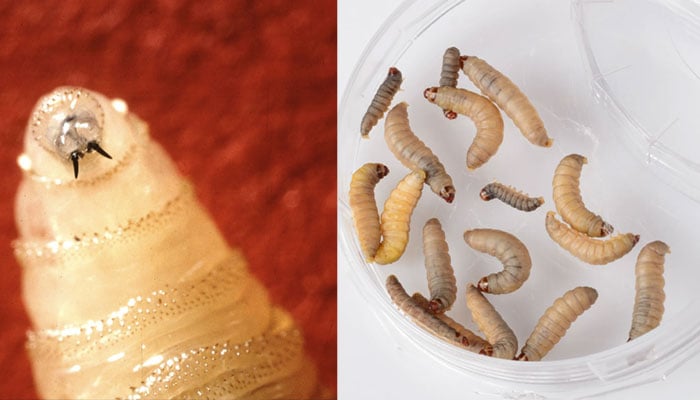
    MEXICO CITY: A dangerous flesh-eating parasite known as the New World screwworm is spreading through parts of Mexico and Central America, with hundreds of human infections reported and growing concern over its potential impact on livestock and animal health. The parasite is the larval stage of a particular fly. Unlike ordinary flies, the female screwworm fly can lay eggs in open wounds or vulnerable areas of living animals and humans. The eggs can hatch within about a day, after which the larvae enter the wound and feed on living tissue. The infection, known as myiasis, can become severe if treatment is delayed. In serious cases, the larvae can damage muscles and even reach deeper tissues and bones. A study published in a medical journal linked to US health authorities examined 202 confirmed human cases recorded in Mexico between April 2025 and March 2026. Researchers found that reported infections increased sharply, rising from roughly three cases a week in 2025 to more than nine cases a week during 2026. More than half of the patients examined had infections involving their legs. Other cases affected the head, neck, nose, mouth and eyes, highlighting the parasite’s ability to invade different parts of the body through wounds or vulnerable tissue. The study reported six deaths among the patients examined, although researchers directly linked only one of those deaths to screwworm infection. The average age of patients was about 61, while 72 per cent were men. Researchers also found that 77 per cent of those infected had at least one pre-existing medical condition, potentially increasing their vulnerability to complications. The parasite is considered particularly dangerous for livestock because its larvae feed on living tissue. Untreated infections can cause serious wounds, weaken animals and, in severe cases, prove fatal. The resurgence has also raised concerns in the United States. The country had previously eliminated the New World screwworm after decades of control efforts, achieving eradication in 1966. However, the parasite returned to the spotlight after an infected calf was confirmed in Texas’s Zavala County in June 2026, according to international reports. The development has heightened fears that the parasite could spread further north, particularly through livestock movement and other routes. Health and agricultural authorities face the difficult task of controlling the parasite while detecting infections early. For people, experts generally stress the importance of seeking medical attention for unusual or worsening wounds, particularly after exposure in areas where screwworm is circulating. The outbreak serves as a reminder that a tiny insect can create a major public-health and agricultural challenge when conditions allow a dangerous parasite to spread.

  • | |

    England moves closer to eliminating Hepatitis C

      Glasgow: England is moving closer to becoming one of the first countries in the world to achieve the goal of eliminating hepatitis C, a viral infection that primarily affects the liver. According to the National Health Service (NHS), significant progress has been made in diagnosing and treating people living with the disease. So far, around 80 percent of known hepatitis C patients have successfully completed treatment, while deaths associated with the disease have fallen by 36 percent over the past decade. Health authorities say the progress is the result of increased testing, early diagnosis and wider access to treatment. Several initiatives have been introduced to identify people who may have hepatitis C without knowing that they are infected. Among these measures are blood testing in emergency departments, screening when patients register with general practitioners (GPs), and the provision of free home testing kits. These programmes have helped health authorities identify thousands of people who were previously unaware that they had the infection. Following diagnosis, patients have been referred for treatment, allowing many to receive medical care before the disease could cause more serious liver damage. Official figures show that more than 100,000 people have been diagnosed and treated for hepatitis C in England since 2015. Health experts say this represents a major step forward in the country’s efforts to eliminate the disease as a public health threat. Hepatitis C is caused by a virus that can lead to long-term liver damage if it remains untreated. In some cases, chronic infection can result in serious complications, including cirrhosis and liver cancer. However, advances in medical treatment have significantly improved the chances of recovery. Experts say modern antiviral medicines have transformed the treatment of hepatitis C. Patients generally take direct-acting antiviral medicines for between eight and 12 weeks. These treatments are highly effective, with approximately 95 percent of patients able to achieve a complete cure. The availability of effective treatment has also strengthened England’s ability to meet international targets for hepatitis C elimination. Health officials believe that combining widespread testing with rapid access to treatment can help identify remaining cases and prevent further transmission. The NHS has emphasized that finding people who have the virus but do not know they are infected remains an important part of the elimination strategy. Because hepatitis C can sometimes remain without noticeable symptoms for years, individuals may not seek medical attention until significant liver damage has already occurred. Routine and targeted screening therefore plays an important role in identifying cases at an earlier stage. The decline in deaths over the past 10 years is another indication of the progress made against the disease. A 36 percent reduction in hepatitis C-related deaths suggests that improved diagnosis and access to effective treatment are helping reduce the most serious consequences of the infection. With more than 100,000 people diagnosed and treated since 2015, and around 80 percent of known patients successfully treated, England is now considerably closer to its hepatitis C elimination target. Health experts say continued testing, early diagnosis, treatment and public awareness will be essential to maintain this progress. With modern medicines capable of curing around 95 percent of patients within a relatively short treatment period, England is increasingly well placed to become one of the countries leading global efforts to eliminate hepatitis C as a major public health concern.

  • | | |

    Gastroenteritis and Cholera cases rise in Lahore 

      Gastroenteritis and cholera cases have started emerging in Lahore and surrounding areas, raising concerns about the quality of drinking water, food hygiene and sanitation in the city. Health officials have reported a significant number of patients suffering from gastrointestinal illnesses at basic health centres, dispensaries and district health units across Lahore. Chief Executive Officer (CEO) Health Lahore, Dr Asif Niazi, said that gastroenteritis cases were being reported at basic health centres, dispensaries and district health units. According to him, approximately 7,000 people were affected by gastroenteritis during the month of July. Dr Niazi further revealed that basic health centres were receiving an average of 271 gastroenteritis patients every day. He said that a significant proportion of those affected were children, with most patients falling between the ages of five and 10. The increasing number of cases has also been observed at major teaching hospitals in Lahore. Senior Medical Officer Dr Mustafa Kamal said that patients suffering from gastroenteritis and cholera were being brought to teaching hospitals for treatment. He stated that Sir Ganga Ram Hospital was receiving between 150 and 200 such patients within a 24-hour period. According to Dr Kamal, a high incidence of dysentery is one of the major symptoms associated with cholera. He added that cholera cases were also being reported in the emergency department and outpatient department of Mayo Hospital. The health officials have linked the rise in gastrointestinal diseases to unsafe drinking water and unhygienic food. Senior Medical Officer Dr Kazim said that contaminated water was one of the major factors contributing to the spread of cholera and other gastrointestinal illnesses. He also warned against consuming food sold by roadside vendors, saying that unhygienic food from carts and stalls could increase the risk of cholera and diarrhoea. According to the medical officer, ice sold in local markets could also be a potential source of contamination and may contribute to the spread of cholera and diarrhoea. Health experts have repeatedly emphasized the importance of clean drinking water, proper sanitation and food hygiene in preventing waterborne diseases. Gastroenteritis can cause symptoms such as diarrhoea, vomiting, abdominal pain and dehydration, while cholera can become particularly dangerous if severe dehydration is not treated promptly. The situation is particularly concerning for children, who can become dehydrated quickly after repeated episodes of diarrhoea or vomiting. With most reported gastroenteritis patients reportedly between five and 10 years of age, health authorities and families may need to pay particular attention to children’s water and food consumption. Residents have been advised to take precautions by drinking safe and properly treated water, maintaining hand hygiene and avoiding food and beverages prepared under unhygienic conditions. Particular caution may also be necessary when purchasing ice, as contaminated water used in its preparation can potentially transmit waterborne infections. The rising number of cases has highlighted the need for improved monitoring of drinking-water sources, food outlets and roadside vendors in Lahore and its surrounding areas. Authorities may also need to strengthen public awareness campaigns about preventive measures and ensure that affected patients have timely access to medical treatment. With thousands of cases reported in July and hospitals continuing to receive patients, health officials are closely monitoring the situation. Ensuring access to clean water and safe food remains essential to controlling the spread of gastroenteritis, cholera and other waterborne diseases across Lahore.

  • | | |

    Congo Ebola outbreak death toll crosses 2,000

    KINSHASA: The Ebola outbreak in the Democratic Republic of Congo has intensified dramatically, with the death toll reaching 2,061 as authorities reported 4,449 confirmed cases, highlighting the growing challenge facing health workers and communities. The latest figures, reported by Congolese authorities on Tuesday, show how quickly the outbreak has expanded since it was officially declared on May 15. The outbreak is being driven by the Bundibugyo virus, a species of Ebola for which there is currently no licensed vaccine or specific treatment. Health authorities have been relying heavily on early diagnosis, supportive care, surveillance and infection-control measures. The outbreak began in Ituri province, with cases subsequently reported in other parts of the country. The World Health Organisation has warned that insecurity, population movement and limited healthcare infrastructure are complicating efforts to contain transmission. The current epidemic is Congo’s 17th Ebola outbreak, according to health authorities. Its rapid growth has raised concerns among international health agencies, particularly as affected communities face humanitarian and security challenges. Medical teams are working under difficult conditions, wearing protective equipment while treating patients and tracing contacts. WHO has said that strengthening surveillance, contact tracing, clinical care and community engagement remains central to the response. Recent research has also suggested that the outbreak may involve a previously unrecorded variant of the Bundibugyo strain and could have resulted from a new animal-to-human transmission event, underscoring the importance of monitoring potential spillover from wildlife. With thousands of confirmed infections and deaths already recorded, authorities face an urgent race to slow transmission and prevent the outbreak from spreading further across the region.

  • | |

    Pattaya Officials Focus on E-Cigarette Laws and Youth Protection at National Health Conference

    NONTHABURI, Thailand On August 7th, 2026, Mr. Poramese Ngamphichet, Mayor of Pattaya City, assigned Mr. Kiatisak Sriwongchai, Permanent Secretary of Pattaya City, to represent the municipality at the 24th National Health Academic Conference (CDoH). The conference, held under the theme “Sweet, Salty, Drunk, Smoke: Traps of Chronic Health-Damaging Products,” took place in the meeting room […]

  • | | |

    Pattaya City and Sen Dai Foundation Launch Free Transport Service for Disabled and Vulnerable Residents to Access Healthcare

    PATTAYA, Thailand – August 6th, 2026 – Pattaya City, in partnership with the Sen Dai Foundation, officially launched a free transportation service project on Wednesday to help people with disabilities and other vulnerable groups access public health services. The launch, held at the Thapphraya Meeting Room in Pattaya City Hall, included the signing of a […]

  • | |

    COVID-19 legal battle against Anthony Fauci

    On August 6, 2026, the Senate Homeland Security and Governmental Affairs Committee hold Dr. Anthony Fauci in contempt of Congress. The resolution, driven by the committee’s Republican Chairman, Senator Rand Paul of Kentucky, recommends referring the 85-year-old retired public health official to the U.S. Department of Justice for potential criminal prosecution. The panel’s decision follows a contentious appearance by Fauci during an investigation into the government’s COVID-19 response and the origins of the coronavirus. Throughout the session, Fauci repeatedly invoked his Fifth Amendment constitutional protection against self-incrimination, refusing to answer key questions from lawmakers more than 100 times. A Long-Standing Feud Escalates The bitter confrontation represents the latest chapter in a multi-year rivalry between Rand Paul and Anthony Fauci, who served as the prominent face of the federal government’s pandemic response until his retirement in 2022. For years, Paul and conservative lawmakers have accused Fauci of misrepresenting information regarding the origins of the virus, public health guidance, and funding for viral research. Shortly before the hearing, Paul released over 1,000 pages of Fauci’s personal diary entries, claiming they demonstrated hidden doubts about the origins of the outbreak. During his opening statement at the hearing, Fauci delivered a rebuke of the proceedings, characterizing the hearing as a political trap. He accused Senator Paul of harboring an unhinged obsession with sending him to prison, arguing that the true purpose was to force him into a procedural error or perjury. Citing legal advice from his counsel, Fauci stated that pleading the Fifth Amendment was his only prudent option to protect against politically motivated prosecution, despite his history of testifying before Congress across multiple presidential administrations. The Legal Dilemma Over Clemency and Constitutional Rights At the center of the contempt vote lies a unprecedented constitutional debate involving executive clemency and Fifth Amendment rights. Before leaving office in January 2025, former President Joe Biden issued a preemptive pardon to Fauci covering his official actions between 2014 and early 2025, intending to insulate the scientist from what the former administration deemed politically motivated retributive investigations. Senator Paul argued that because Fauci holds presidential immunity for his past government conduct, he no longer faces real legal exposure for those events, rendering his Fifth Amendment claims invalid. “Holding a witness in contempt is a serious thing, and it should be rare,” Paul remarked prior to the vote. “But the contempt power exists for precisely this circumstance.” Conversely, Democratic members of the committee and legal experts contend that because current lawmakers and political figures have repeatedly threatened Fauci with new criminal proceedings, his apprehension regarding self-incrimination remains legally legitimate. Democrats tried to stall the contempt measure by introducing five procedural motions to table or delay the vote, but the Republican majority defeated every motion along party lines. Potential Next Steps With the committee’s approval, the contempt resolution moves forward, though its future path remains uncertain. Typically, a contempt of Congress resolution requires a full vote on the Senate floor, where it would need a 60-vote threshold to clear procedural hurdles, an unlikely outcome given solid Democratic opposition. However, Chairman Paul indicated he may attempt to bypass a full floor vote by referring the resolution directly to the Department of Justice. Whether the Justice Department chooses to take up the referral and pursue criminal charges against the veteran public health official remains to be seen. Regardless of the legal outcome, today’s vote underscores the persistent political divide in Washington over the scientific, social, and policy decisions made during the COVID-19 pandemic.

  • A New Lease on Life: Chiang Rai Prachanukroh Hospital Completes Third Kidney Transplant

      CHIANG RAI – On August 2, 2026, Chiang Rai Prachanukroh Hospital achieved a major medical milestone. A dedicated team of doctors completed a life-saving kidney transplant for a local patient. The patient had been battling chronic kidney disease and was patiently waiting on the organ transplant registry. This remarkable procedure marks the third successful […]

  • Chiang Rai Advances “Holistic Care for the Elderly” Project for Better Quality of Life

    CHAING RAI – The Chiang Rai Municipality is stepping up its efforts to improve the quality of life for senior citizens. Under the leadership of Mayor Wanchai Jongsuthanamanee, the city recently launched the “Holistic Care for the Elderly” project. This program is designed to help older adults build a stronger foundation for their physical, mental, […]

  • Chiang Rai Launches New Health Initiative to Combat Chronic Kidney Disease

    CHIANG RAI – On July 10, 2026, Chiang Rai took a major step toward better community health. The city officially launched the “Reduce Kidney Failure Risk, Extend Quality of Life” project. Acting Sub-Lieutenant Bunrit Ayuyuen, the Deputy Municipal Clerk, opened the event at the Mueang Chiang Rai District Public Health Office. The new program specifically […]