hong kong activist

Hong Kong Activist Detained in Bangkok Hours Before Flight to Canada

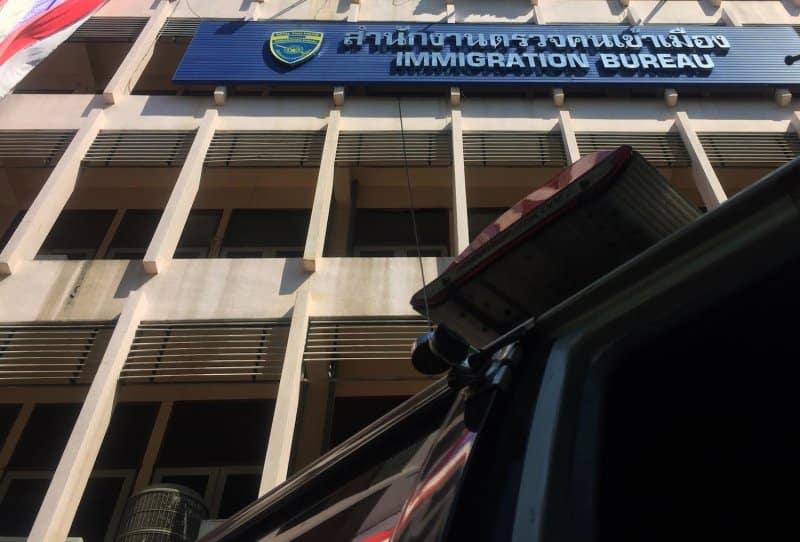
Thai immigration police have unexpectedly detained a prominent Hong Kong democracy activist just hours before her scheduled resettlement flight to Canada. Zhang Xinyan, 55, is currently being held at the Suan Phlu immigration detention center located in the heart of Bangkok.

Human rights advocates warn that her arrest places her at severe risk of forced deportation back to mainland China. If extradited, she could become the first person actively deported and heavily imprisoned under Hong Kong’s strict national security laws.

Key Takeaways

  • Thai authorities unexpectedly arrested 55-year-old activist Zhang Xinyan just before she boarded a resettlement flight to Vancouver, Canada.
  • Zhang is officially recognized as a refugee by the UNHCR and fled China in 2014 to openly practice Falun Gong.
  • She is one of 19 overseas activists currently wanted by Hong Kong police, facing bounties of up to HK$1 million.

A Last-Minute Arrest Shocks Human Rights Advocates

Zhang Xinyan was deeply involved in final preparations to leave Thailand and start a brand-new life in North America. Following significant coordination from international human rights organizations, the Canadian Embassy in Thailand arranged a July 8th flight to Vancouver.

They successfully conducted vital interviews, mandatory medical examinations, and careful biometric data collection to legally authorize her refugee resettlement. However, according to Sunai Phasuk, a senior adviser at Human Rights Watch Thailand, those carefully laid plans were abruptly halted.

In May, Thai immigration police unexpectedly arrested Zhang on local charges of allegedly overstaying her visa and working without proper permission. The specific details of her visa status remain unclear, but authorities immediately placed her in strict immigration detention to prepare deportation procedures.

Independent Canadian-based journalist Sheng Xue expressed absolute shock regarding the unexpected detention on the social media platform X. She noted that friends were fully prepared to celebrate the successful humanitarian rescue upon Zhang’s arrival in Vancouver. “Little did we expect that, at the final step… Thai authorities suddenly reneged,” she wrote, claiming the action resulted from intense pressure by the Chinese Communist Party (CCP).

Escaping Persecution and Seeking Asylum

Zhang Xinyan, a Chinese national, originally fled to Thailand in 2014 to escape severe religious and political persecution. She was a dedicated practitioner of Falun Gong, a very popular spiritual movement that is currently strictly banned across China.

While living in Thailand, she unfortunately lost her essential ability to travel legally across international borders. When she bravely attempted to renew her official Chinese passport, the Chinese Embassy in Thailand quickly confiscated and revoked the vital document.

This aggressive administrative action effectively left the activist completely stranded without any valid, recognizable international travel documents. Despite these major challenges, she successfully obtained official refugee status recognized by the United Nations High Commissioner for Refugees (UNHCR) in 2016.

This highly crucial UN designation was meant to formally protect her from being forcibly returned to a country where she faces brutal persecution. However, her current detention directly threatens this vital international legal protection and heavily alarms regional human rights groups.

The Long Arm of the National Security Law

Zhang is not just a religious refugee; she is actively targeted by the Hong Kong government for her political activism. She is officially listed among 19 different activists based overseas who are named in sweeping arrest warrants issued in July 2025.

The powerful Hong Kong police actively accuse these individuals of promoting “subversion” under the highly controversial, Beijing-imposed National Security Law. The authoritarian government has placed massive “bounties” on their heads, ranging from HK$200,000 to an astonishing HK$1 million.

This very aggressive tactic demonstrates China’s growing willingness to aggressively pursue perceived political dissidents well beyond its own physical borders. Mr. Sunai of Human Rights Watch strongly warned that any forced return to China would be a massive violation of international law.

Furthermore, he explicitly noted that a deportation would directly violate Thailand’s own domestic laws regarding the prevention of torture and enforced disappearance. The international community is closely watching this developing situation to ensure Thailand upholds its crucial human rights obligations.

Fears of Brutal Repatriation

The activist’s supporters are incredibly worried about her immediate physical safety and long-term mental well-being while in Thai custody. Sheng Xue reported that Zhang is “deeply worried that she will be forcibly repatriated in the coming days.”

Yuan Gongyi, the founder of the Hong Kong exile parliament, has swiftly arranged for a local Thai human rights lawyer to provide vital legal assistance. They are actively fighting to immediately halt any planned deportation proceedings and secure her immediate, unconditional release to Canada.

“Once repatriated, she will face extremely brutal persecution by the CCP regime,” Sheng heavily emphasized in her online statement. The sudden, unexpected nature of the arrest suggests intense diplomatic pressure behind the scenes, heavily complicating the legal rescue effort.

The Bangkok Post and other regional news outlets continue to closely monitor the tense situation unfolding at the Suan Phlu detention centre. The ultimate fate of Zhang Xinyan now heavily depends on the complex diplomatic negotiations currently happening between Thailand, Canada, and China.

SEE ALSO: China Warns Russia: Do Not Use Nuclear Weapons in Ukraine
Similar Posts

  • |

    Indian law graduates oppose CJI Surya Kant as convocation chief guest

    Graduates of the National Academy of Legal Studies and Research in Hyderabad have urged the university administration to reconsider its decision to invite Chief Justice of India Surya Kant as the chief guest at its upcoming convocation. The students have submitted a written request to the vice chancellor, registrar and faculty members. They said the university should consider constitutional values, justice and respect for citizens’ grievances while deciding who should preside over such an important academic event. The students’ concerns are linked to the Supreme Court’s handling of a petition related to police action during a protest at Jantar Mantar in New Delhi on July 20. The protest was held under the banner of “Chalo Sansad”. The students have raised questions about the court’s decision not to list the petition for an urgent hearing at the time. In their representation, the graduates referred to reports about a hearing held on July 22. They claimed that the lawyer representing the protesters was told not to waste the court’s time. The students also cited reports that the lawyer offered to show videos of alleged police excesses during the protest. According to the petition, the chief justice reportedly declined to watch the footage, saying he did not have time. The graduates further alleged that the lawyer was not allowed to fully explain the reasons behind the protest. They said the matter deserved greater consideration because of the allegations surrounding the police action. The students also said a separate letter had previously been sent to the chief justice. The letter reportedly requested the Supreme Court to take suo motu notice of the alleged police action. According to the students’ petition, more than 170 protesters were injured during the incident. They claimed that women and children were also among those injured. The graduates said their concerns were based on the principles they had been taught during their time at the law university. They argued that constitutional rights and citizens’ freedoms were central to their legal education. They said receiving degrees from a chief guest whose recent conduct they believe raises questions about the handling of allegations of police violence would be a matter of concern. The students have therefore asked the university to reconsider the invitation. They have also sought consultation with graduating students before making a final decision. They further requested a meeting with the university administration to discuss the issue. The graduates also asked the administration to respond to their concerns without delay.

  • | |

    Frankfurt airport worker dies in rare malaria outb…

    A worker at Frankfurt Airport has died after contracting malaria during a rare outbreak that has now infected six employees at Germany’s busiest airport, with health officials saying mosquitoes likely arrived on an incoming flight and spread the disease among ground staff. The remaining five infected workers are currently receiving medical treatment, according to a spokesperson for Fraport, the company that operates the airport. Officials have installed mosquito traps around the airport grounds, and any insects captured will undergo laboratory analysis to determine their species and point of origin. The Fraport spokesperson confirmed to the BBC that one employee died as a result of the infection, and said the company has shared detailed information with all staff members while urging anyone experiencing symptoms to see a doctor promptly. Reports in July indicated the outbreak initially involved four infected workers. The Robert Koch Institute, a German federal agency responsible for disease control and public health research, said at the time that the four employees became ill between July 4 and July 6, and that mosquitoes carrying the disease had entered the country aboard an aircraft. According to the institute, malaria cases in Germany almost always involve long haul travelers who contracted the disease while visiting regions where malaria remains endemic, making transmission within a German airport an unusual occurrence. The institute noted in its epidemiological bulletin that the absence of a travel history in such cases can delay diagnosis, and that a delayed diagnosis raises the risk of a more severe illness. The institute also said the last documented case of airport acquired malaria in Germany occurred in 2023, also at Frankfurt Airport. The Frankfurt Public Health Department is leading the investigation into the current outbreak. According to the World Health Organization, malaria spreads through the bites of certain mosquito species and occurs predominantly in tropical regions. The disease results from a parasite rather than direct person to person transmission, and while it remains both preventable and curable, symptoms can range from mild to life threatening depending on how quickly treatment begins. The airport has stepped up surveillance measures following the outbreak, and health authorities continue monitoring the situation as they work to determine exactly how the mosquitoes entered the facility and whether additional cases might emerge among airport staff or travelers who passed through the terminal during the affected period.

  • |

    Armed gunmen kill 12 and abduct women in Nigerian village raid

    Armed gunmen launched a hours-long night-time raid on the village of Lajinge in northwestern Nigeria’s Sokoto state, killing at least 12 people and abducting several women and children. The assailants set fire to homes during the assault, causing six members of a single family to burn to death inside their residence. Local residents reported that four additional individuals sustained injuries while the attackers also rustled significant amounts of livestock. Sokoto state police forces confirmed an ongoing investigation into the assault, which follows a similar attack that left 24 farmers dead in neighbouring Zamfara state just a week prior.

  • |

    Russia condemns EU’s 21st sanctions, warns of consequences

    Russia has sharply criticized the European Union after the bloc approved its 21st package of sanctions, saying the new measures will damage European economies more than Russia and further increase tensions between Moscow and Brussels. In a statement released by Russia’s Permanent Mission to the European Union, officials said the approval process for the latest sanctions exposed growing divisions within the EU. According to Moscow, many member states were reluctant to support additional restrictions because of the economic burden they are already facing. Russia claimed the lengthy negotiations reflected increasing concern among European governments over the impact of sanctions on businesses, energy supplies and overall economic growth. The Russian mission accused the European Union of continuing a policy of confrontation despite rising economic challenges across Europe. It said EU leaders were ignoring the financial costs of sanctions while pursuing what Moscow described as a political campaign against Russia. The statement also referred to comments by EU High Representative for Foreign Affairs Kaja Kallas, who indicated that further sanctions could be introduced in the future. According to Russia, discussions on new sanctions have become a political ritual aimed at showing unity among EU member states rather than achieving practical results. Moscow argued that the restrictions have failed to weaken Russia in the way European leaders had expected. Instead, it claimed that European citizens and businesses are paying the price through higher energy costs, inflation and slower economic growth. The statement further argued that Europe’s economic difficulties have been intensified by the EU’s decision to reduce imports of Russian energy, continued financial and military support for Ukraine, and instability in global energy markets caused by ongoing tensions in the Middle East. Russian officials also pointed to a recent assessment by the European Central Bank, which highlighted geopolitical conflicts and energy market uncertainty as major risks to the European economy. Moscow said this assessment supports its argument that continued sanctions are creating additional pressure on European countries. Using a road journey as a comparison, the Russian mission said the European Union was following a path that could lead its economy into serious difficulties. It argued that EU policymakers should reconsider their current strategy instead of introducing more restrictions that, in Russia’s view, have produced limited results while increasing costs for Europe. The statement concluded by reaffirming that Russia considers the EU sanctions to be illegal unilateral measures. Moscow warned that any additional restrictions imposed by the European Union would receive what it described as an effective and appropriate response from Russia.

  • | |

    Israel admits US jets used its bases for Iran strikes

    US and Iran tensions remain high despite a fragile ceasefire, with fresh concerns over regional security, drone attacks and the future of the Strait of Hormuz. Israeli Defence Minister Israel Katz said US aircraft had used Israeli airbases to launch strikes against Iran during the recent conflict. He said American aircraft had also used the facilities for refuelling operations before carrying out attacks. Iran, meanwhile, reported extensive damage to civilian infrastructure following the US strikes. Government spokesperson Fatemeh Mohajerani said Bushehr Airport had been severely damaged and was no longer operational. She said airports in Iranshahr, Semnan and Bandar Abbas were also affected. Mohajerani said the attacks damaged 12 bridges and two tunnels. She added that the main railway station in Bandar Abbas was among the affected infrastructure. Fishing boats, tourism businesses and other private property also suffered heavy losses. Iran also reported a significant reduction in its energy capacity. Mohajerani said the country lost around 230 million cubic metres of gas production capacity during the conflict. She also said about 350 government employees were killed during the war. The security situation around the Strait of Hormuz remains a major concern. Iranian Foreign Minister Abbas Araghchi held separate discussions with his Saudi and Omani counterparts about the waterway and wider regional developments. The officials stressed the importance of cooperation and diplomatic efforts to restore stability. Oman has reportedly proposed a regional mechanism to manage the Strait of Hormuz. The proposal would involve voluntary contributions from countries using the strategic waterway. The funds could support navigation, environmental protection and search-and-rescue operations. The plan has received backing from regional countries, according to a Gulf source. It would also prevent Iran from exercising exclusive control over the important shipping route. The Strait of Hormuz is vital to global energy markets. A significant share of the world’s oil and gas shipments passes through the waterway. Any prolonged disruption could therefore affect international energy supplies and shipping costs. The conflict has also increased tensions between Iran and neighbouring countries. Saudi Arabia said it intercepted drones targeting locations in the kingdom, including petroleum facilities. Riyadh said the drones were launched from Iraq by Iran-backed armed groups. Saudi Arabia’s claims have been rejected by an Iraqi resistance group. The group denied responsibility for attacks originating from Iraqi territory and accused Riyadh of making repeated allegations against Iraq. The Gulf Cooperation Council and Egypt condemned the reported drone attacks on Saudi Arabia. They described the incidents as a serious escalation and expressed support for Saudi Arabia’s security and sovereignty. Iran has also faced criticism over attacks involving its regional allies. A senior Yemeni official warned that the Houthis appeared to be following Iran’s approach to controlling strategic maritime routes after announcing a blockade targeting Saudi Arabia. Saudi Arabia has stepped up diplomatic contacts with regional and Western partners. Its foreign minister spoke with counterparts from Qatar, Kuwait and Britain about the security situation and efforts to contain the escalation. Russia has also commented on the widening conflict. Kremlin spokesperson Dmitry Peskov said Iran had the ability to defend its interests after a Ukrainian drone attack damaged an Iranian commercial vessel in the Caspian Sea. Peskov described the incident as another escalation and warned that the conflict could spread geographically. The Iranian vessel was reportedly carrying steel cargo when it came under attack. Despite the growing tensions, diplomatic efforts have continued. US President Donald Trump said Washington and Tehran were holding positive discussions and that a deal could still be reached. He warned, however, that US military action could resume if negotiations failed. Iran has denied reports that it formally requested negotiations with Washington. Its Foreign Ministry said messages were still being exchanged through mediators and that Tehran had not abandoned diplomacy. Jordan and the United Nations have also called for the US-Iran ceasefire to be respected. Jordanian Foreign Minister Ayman Safadi and UN Secretary-General António Guterres discussed efforts to restore calm and prevent further escalation.

  • Elon Musk admits his OpenAI bet backfired

    Elon Musk now believes one of his earliest moves to stop any single company from dominating artificial intelligence may have backfired badly. In a conversation with Zanny Minton Beddoes, editor-in-chief of The Economist, the xAI founder said he originally helped create OpenAI as a counterweight to Google, which had “more or less a monopoly on AI” at the time. Musk admitted things did not play out the way he had hoped. He pointed to Anthropic’s split from OpenAI, and its rise into a leading AI company, as proof his original bet triggered consequences he never saw coming. It ultimately sped up the AI race rather than slowing it down. He said he was not really trying to accelerate AI, but that creating OpenAI, followed by Anthropic spinning out of it, ended up producing knock-on effects that did exactly that. His takeaway was blunt, every road in AI now leads to faster development, not less. The comments arrive amid Musk’s ongoing legal battle with OpenAI CEO Sam Altman over the company’s shift from nonprofit research lab to commercial powerhouse. Musk has framed his frustration in simple terms, he says that he funded a nonprofit meant to be an open-source AI company owned by the world, only to watch it become an $800 billion closed-source for-profit business. That is the opposite of what he intended his donation for. Musk had sought $150 billion in damages from OpenAI, Altman, Microsoft, and other parties. A federal jury in Oakland ruled in May that his claims fell outside the statute of limitations, and Judge Yvonne Gonzalez Rogers dismissed the case on those grounds. Musk has said he plans to appeal to the Ninth Circuit. Despite the feud with Altman, Musk struck a notably warmer tone about Anthropic. He suggested the people who left OpenAI to start it did so because they had lost faith in Altman’s leadership, and he praised Anthropic CEO Dario Amodei as someone genuinely principled and seriously concerned about AI’s future. He went so far as to say the company’s team passed what he called his “evil detector.” Musk also floated a safety proposal: giving leading AI labs a window of a week or two to review rivals’ models before public release. His reasoning was that competitors checking each other, even amid personal animosity between CEOs, would actually make the process more honest rather than less.

Leave a Reply

Your email address will not be published. Required fields are marked *