japan proposes creation
| | |

Japan proposes creation of ‘Asian’ IEA

MANILA, Philippines – Japan on Tuesday, November 17, proposed the creation of a regional task force to strengthen cooperation on oil stockpiling and coordinate the release of supplies during emergencies.

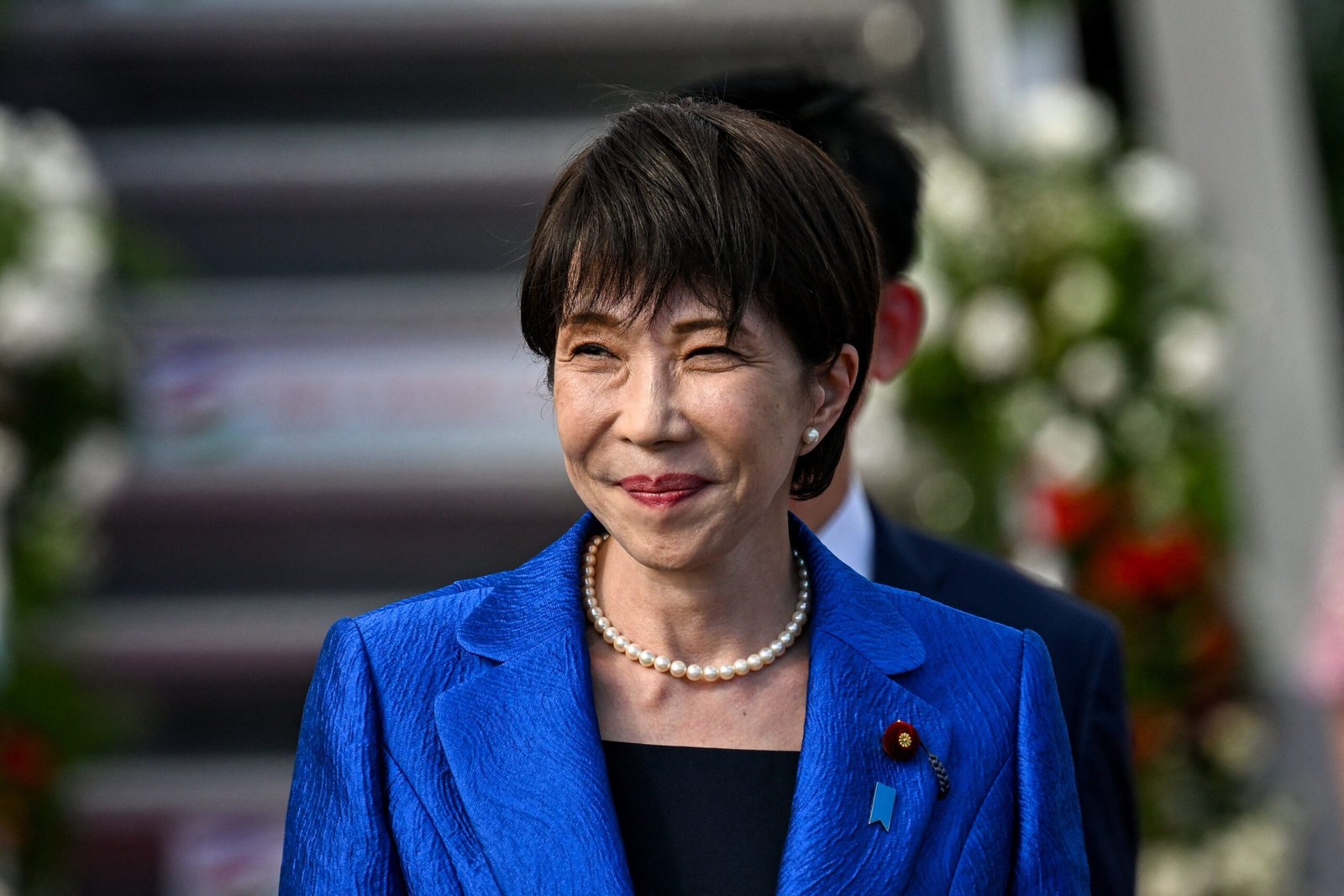
Japan Prime Minister Takaichi Sanae announced the proposed Asia Oil Security Task Force during the fourth Asia Zero-Emission Community (AZEC) Leaders’ Meeting in Manila.

“We intend to promote as an equivalent of Asian version of the IEA (International Energy Agency),” Takaichi said.

The Middle East oil crisis exposed vulnerabilities in the global and Philippine energy security, driven by heavy reliance on fossil fuels and imports and  critical shipping routes such as the Strait of Hormuz.

In a separate interview, Japan Ministry of Foreign Affairs (MOFA) Press Secretary Toshihiro Kitamura elaborated on the proposal, saying that Japan — under the initiative — would offer its unused oil storage facilities to other countries and help them develop their own oil stockpiling systems.

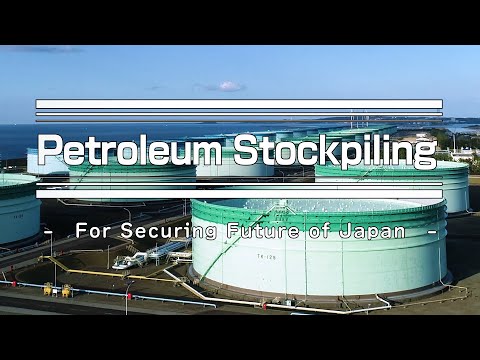
“We have suggested to utilize our crude oil stockpiling facilities in Japan, which is not utilized. By utilizing those unused stockpiling facilities, we can stockpile in advance the crude oil purchased in Middle East or other countries,” Kitamura told reporters. (Watch this video below on how Japan’s national petroleum stockpiling helps ensure its energy security:

Japan proposes creation of ‘Asian’ IEA

Kitamura said discussions on the proposed task force’s operational rules were still ongoing, including the possible fees other countries would pay to use Japan’s unused storage facilities.

“Under AZEC 2.0 POWERR Asia initiative, we are going to support Asian countries, especially ASEAN countries, to be more resilient by providing such a stockpiling system either individually, or jointly in the region,” he added.

Speaking at the AZEC summit, President Ferdinand Marcos Jr. said stockpiling alone would not be enough to ensure energy security. He said the Philippines is actively advancing its strategic petroleum reserve and welcoming “high-impact investments across our energy landscape, from renewables, grid modernization, and energy storage to natural gas, energy efficiency, and emerging technologies that contribute to overall regional energy security”. 

“Sustainable and enduring energy security demands that oil-consuming and oil-producing nations act in unison. We must deepen information sharing and practical storage arrangements, as well as commit to upholding international law to keep sea lanes open and maintain fair, transparent markets,” Marcos said.

Apart from Japan and the Philippines, other AZEC partner countries include Australia, Brunei, Cambodia, Indonesia, Laos, Malaysia, Singapore, Thailand, and Vietnam.

Japan, PH ink agreement on strategic petroleum reserve

In a related development, the Philippines and Japan signed a memorandum of cooperation (MOC) to advance the country’s strategic petroleum reserve and strengthen its preparedness against global oil supply disruptions.

Energy Secretary Sharon Garin and Japan’s Minister of Economy, Trade and Industry Ryosei Akazawa signed the agreement on Monday, November 16, which provides a framework for developing, managing, and releasing strategic reserves, while opening the door for Japanese participation in stockpiling projects led by the Philippine National Oil Company (PNOC).

“Japan will help us establish more storage facilities for fuel products, whether that is diesel, gas or crude oil,” Garin said.

The agreement also covers the development of oil storage facilities and the identification of financing arrangements. Japanese agencies will assist the Philippines through capacity-building, oil security assessments, and policy development, providing technical expertise and support in managing strategic reserves, Garin added. 

“We can establish our own oil tanks, or ports and jetties. We do have our own storage facilities for oil. But we need to know how to manage all these strategic reserves,” she said.

“We will start on capacity-building, especially with PNOC,” Garin added. – Rappler.com
Must Read

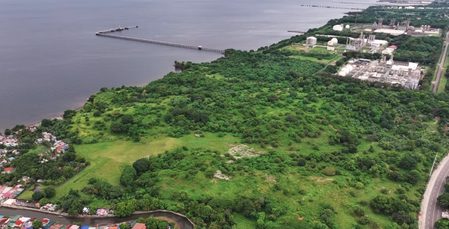
How much does the Philippines need to build a strategic petroleum reserve? 


How much does the Philippines need to build a strategic petroleum reserve? 

Similar Posts

  • | |

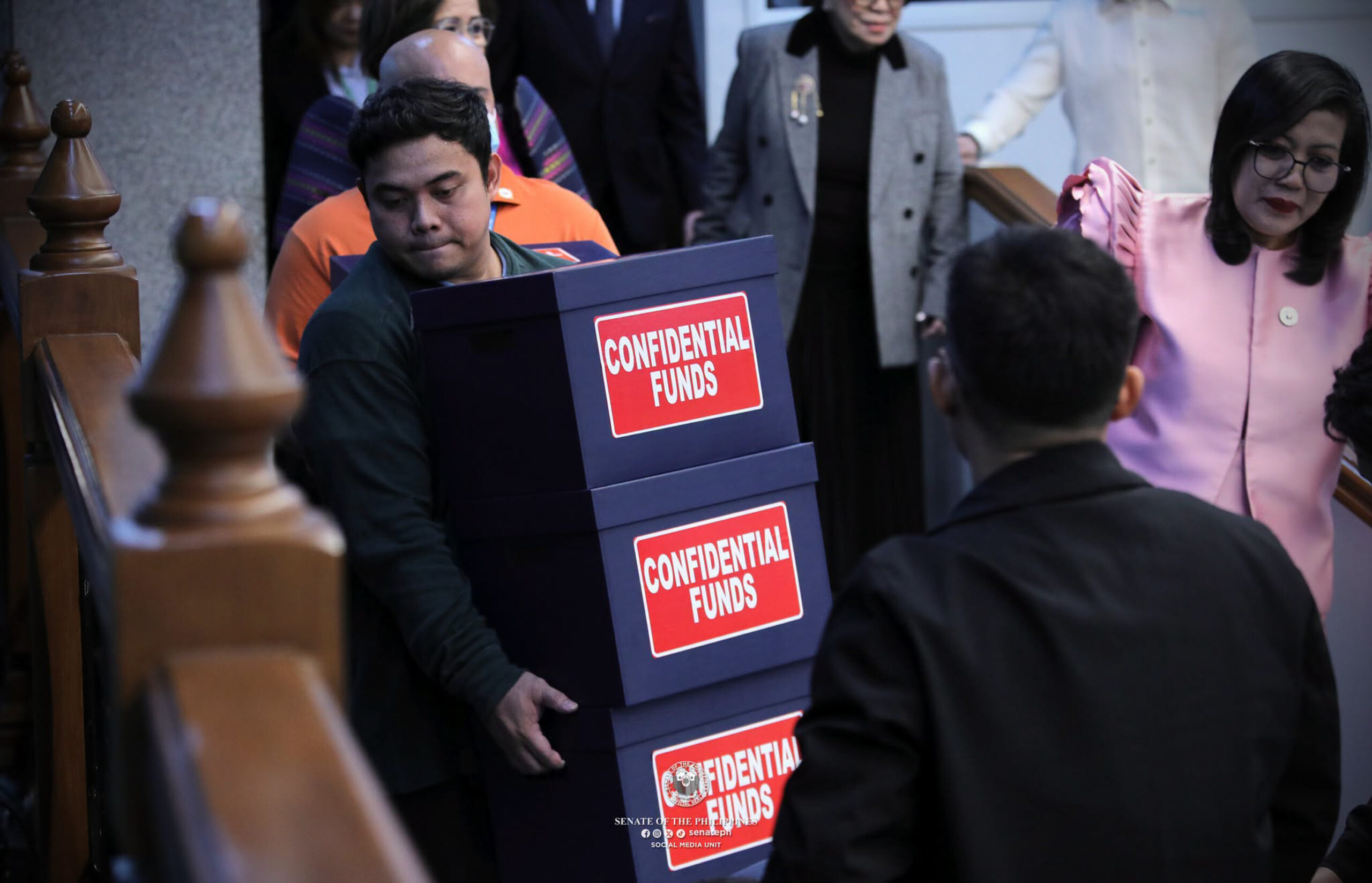
    Sara Duterte trial: After ‘unusual’ encashments, where did the confidential funds go?

    On Day 11 of the Vice President’s impeachment trial, the prosecution finally brings out long-infamous names — from Mary Grace Piattos to Andy C. Lim — in their bid to weave a narrative that Duterte misused her confidential funds

  • |

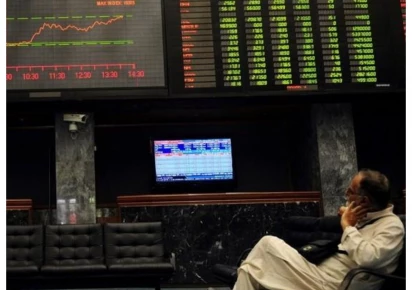
    PSX faces heavy selling as KSE-100 index drops over 1,300 points

    KARACHI: Selling pressure intensified at the Pakistan Stock Exchange (PSX) on Tuesday as investor sentiment weakened amid growing uncertainty over the prospects of a peace agreement between the United States and Iran and the reopening of the strategically important Strait of Hormuz. The benchmark KSE-100 Index came under pressure during the trading session, losing more than 1,300 points as investors remained cautious and reduced exposure to major stocks across several sectors. At around 2pm, the KSE-100 Index stood at 179,996.62 points, showing a decline of 1,313.66 points, or 0.72%, from the previous close. The market witnessed broad-based selling, with several major sectors contributing to the decline. Automobile assemblers, cement companies, commercial banks, fertiliser manufacturers, oil and gas exploration firms and oil marketing companies (OMCs) remained under pressure. Several index-heavy stocks also traded in negative territory. Prominent companies including HUBCO, Mari Petroleum (MARI), Oil and Gas Development Company (OGDC), Fauji Fertilizer Company (FFC), Habib Bank Limited (HBL), MCB Bank, Meezan Bank (MEBL) and United Bank Limited (UBL) were among the stocks weighing on the benchmark index. Previous session also ends lower The latest decline follows a weak close in the previous trading session. On Monday, the PSX initially moved higher but lost momentum during the second half of the session as investors opted to book profits in heavyweight shares. The KSE-100 Index eventually closed at 181,310.28 points, down 119.74 points, or 0.07%. The continued weakness suggests that investors are closely monitoring developments in international markets, particularly the situation surrounding oil supplies and the Strait of Hormuz. US-Iran tensions keep markets on edge Global financial markets remained unsettled on Tuesday as hopes for an agreement between Washington and Tehran appeared to fade. Negotiations aimed at ending the conflict and restoring normal shipping through the Strait of Hormuz have encountered fresh difficulties. US President Donald Trump on Monday responded to Iran’s conditions for a possible peace agreement by putting forward his own demands, including calls for compensation related to deaths and losses associated with wars, attacks and protests. The tougher rhetoric has raised concerns that diplomatic efforts could take longer, potentially prolonging disruptions around the crucial maritime route. The Strait of Hormuz is one of the world’s most important energy corridors, and prolonged disruption to shipping through the waterway could have significant consequences for crude oil supplies and global energy prices. Oil prices climb to highest level since July 31 The uncertainty surrounding the situation was reflected in international oil markets. Brent crude futures climbed to around $88 per barrel, while US West Texas Intermediate crude futures rose to approximately $82.45 per barrel. Both benchmarks reached their highest levels since July 31 after recording gains of roughly 5% during Monday’s trading session. Higher oil prices are a major concern for economies that depend heavily on imported energy. For Pakistan, sustained increases in global crude prices could increase the country’s import bill and place additional pressure on external accounts, inflation and domestic fuel prices. The rise in energy prices is also being closely watched by investors because higher input costs can affect corporate profitability and influence monetary policy expectations. Asian markets remain cautious The uncertainty was not limited to Pakistan. Asian equity markets moved within a narrow range as investors assessed the potential impact of rising energy prices on inflation and economic growth. MSCI’s broadest index of Asia-Pacific shares outside Japan moved between gains and losses before trading modestly higher. South Korea’s Kospi also recorded a slight increase. However, the escalation in tensions around the Gulf kept overall market sentiment fragile, with investors remaining wary of further developments that could affect energy supplies and global trade. US stock futures were also slightly positive on Tuesday. Nasdaq futures rose around 0.28%, while S&P 500 futures gained approximately 0.1%, following a weaker session on Wall Street on Monday. Inflation data in focus Investors are also awaiting the latest US consumer price data, which could provide further clues about the direction of interest rates and inflationary pressures in the world’s largest economy. The increase in crude oil prices has added another element of uncertainty ahead of the inflation report. A sustained rise in fuel and energy costs could complicate efforts to bring inflation closer to central-bank targets. For Pakistani investors, the combination of geopolitical uncertainty, higher global oil prices and pressure on heavyweight shares is likely to remain a key factor influencing trading sentiment in the near term.

  • |

    Oil prices rise as Hormuz tensions escalate

    Oil prices climbed on Monday as uncertainty over a possible diplomatic breakthrough between the United States and Iran increased, while a sharp slowdown in tanker movements through the Strait of Hormuz heightened concerns about disruptions to global crude supplies. Brent crude futures gained as much as 1% during early trading to reach $89.40 per barrel. The benchmark was later up 72 cents, or about 0.8%, at $89.20 a barrel by 0229 GMT. US West Texas Intermediate (WTI) crude also moved higher, rising 44 cents to $82.83 per barrel. Both international benchmarks posted gains of more than 5% last week after a series of attacks involving energy and shipping assets in and around the strategically important Strait of Hormuz. The incidents have intensified fears that further escalation could affect one of the world’s most important oil transit routes. Market sentiment was further affected by developments over the weekend, when Iranian Foreign Minister Abbas Araqchi said Tehran had yet to decide whether it would resume negotiations with Washington. US President Donald Trump, meanwhile, told Americans to prepare for somewhat higher gasoline prices as the conflict continues. Analysts said the renewed uncertainty had brought geopolitical risk back into crude markets after oil prices had previously come under pressure on expectations that diplomatic efforts could ease tensions. “Oil prices have now rebounded almost completely from the lows seen in early August, as hopes for a more permanent resolution between the US and Iran have faded and geopolitical risk premiums have returned to the market,” said Priyanka Sachdeva, head of market insights at Phillip Nova in Singapore. Sachdeva cautioned, however, that the rally could lose momentum unless there is evidence of a further deterioration in the situation. She said the market would need to see renewed aggression in the Strait of Hormuz, particularly significant damage to oil tankers or energy infrastructure, before prices were likely to move substantially higher. Hormuz shipping activity slows Concerns over physical supply disruptions increased after ship-tracking data showed a marked decline in vessel traffic through the Strait of Hormuz over the weekend. According to data from Kpler, only five commodity vessels crossed the strategic waterway on Saturday, while no such transits were recorded on Sunday. This compared with 31 commodity vessel crossings during the previous weekend. The slowdown is significant because the Strait of Hormuz is a critical route for international energy shipments. Any prolonged disruption could increase transportation risks, raise insurance costs and place additional upward pressure on crude prices. The United Arab Emirates also accused Iran of attacking another vessel operated by Abu Dhabi National Oil Company (ADNOC) while it was passing through the strait on Friday, according to the Emirati state news agency WAM. The UAE had earlier blamed Iran for two separate incidents involving ADNOC-operated vessels on Thursday evening. The latest incidents have added to concerns among traders that the conflict could increasingly affect commercial shipping and energy infrastructure, rather than remaining confined to military and diplomatic confrontation. Markets remain focused on escalation risks The Strait of Hormuz remains particularly important to global oil markets because a substantial volume of crude and petroleum products moves through the waterway. Any sustained interruption could therefore have consequences well beyond the region. For now, traders are closely monitoring developments involving US-Iran diplomatic contacts, attacks on shipping and the movement of tankers through the strait. While the latest price gains reflect a higher geopolitical risk premium, analysts remain cautious about predicting a prolonged rally. If shipping activity resumes and diplomatic channels reopen, some of the premium built into crude prices could quickly unwind. Conversely, additional attacks on tankers, oil facilities or other critical infrastructure could trigger a stronger market reaction and push prices higher as traders reassess the security of regional supplies.

Leave a Reply

Your email address will not be published. Required fields are marked *