At first truth hearing, mother recounts PWD son’s death in Duterte’s drug war
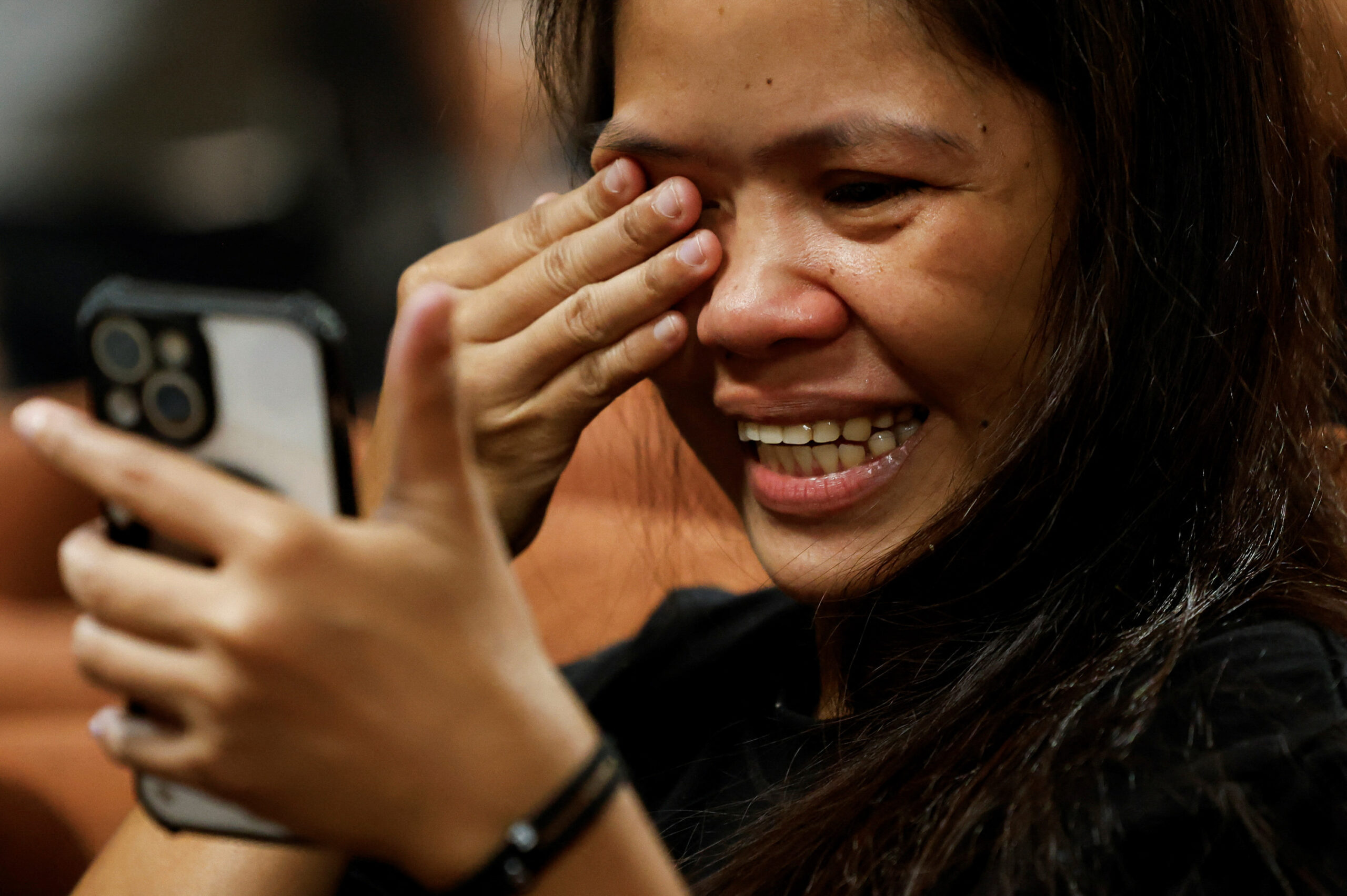
MANILA, Philippines – After nearly 10 years, Luzviminda Siapo had a chance to retell the story of how her son was killed under former president Rodrigo Duterte’s war on drugs.
Siapno shared the tragic fate of her son Raymart during the first public truth-telling session of the Philippine Truth and Reconciliation Commission on Friday, August 14. These sessions are part of the truth commission’s effort to document the lives of extrajudicial killing victims, as well as the lived realities of the loved ones they left behind. (READ: Here’s how a truth commission will investigate Duterte’s war on drugs)
Raymart, 18, was gunned down in Navotas City in March 2017 after being falsely accused of selling marijuana. He was among the thousands killed during Duterte’s war on drugs, during which the government officially recorded 6,252 deaths in police anti-drug operations as of May 31, 2022. Human rights groups estimate the true death toll, including vigilante-style killings, reached nearly 30,000.
“Sinong presidente mo? (Who’s your president?)” Luzviminda asked Raymart a decade ago. It was 2016, and he had just gotten his voter’s identification in time for the national elections.
“Si Duterte,” Raymart answered.

Raymart liked Duterte’s stance on drugs and his simplicity, so it was no surprise then that the former Davao mayor was the first – and last – president Raymand had voted for.
Siapo’s son suffered from a deformity. He had a clubfoot which is a condition “where a baby’s foot is fixed in a downward and inward position.” Despite this, Raymart still made the effort to help out with physically tasks, and was also preparing to go to work.
While Raymart was in the Philippines, Siapo was working in Kuwait as a domestic helper.
In March 2017, Siapo received a text from one of Raymart’s friends containing nothing but a crying emoji. Later on, another person told her that Raymart was killed.
Siapo recalled that gunmen in plainclothes surveyed their home. Later on, the assailants put on masks and went up to their house, slapped Raymart with a gun, then took him on a motorcycle.
Raymart was later found by his family in a funeral home – with a hole in his head.
“Sana kung may kasalanan anak ko, may due process din. (If my son had committed a crime, I wish he had been given due process),” said Siapo.
“Ang bilis. Ang bilis ng oras ng pagpatay nila. Ganoon silang kabilis pumatay ng tao. Wala silang awa eh. Hindi ko pa alam na may quota, may pera. Sabi nila sampung libo daw isang ulo. Naisip ko sana pinatubos niyo na lang po ‘yong anak ko, ‘di ba po? Kasi mayayakap ko pa kung kinulong man lang,” she added.
(It was quick. That’s how quickly they kill someone. They don’t show any mercy. I didn’t know yet that there was a quota, that there was money involved. They said it was P10,000 for a head. I thought ‘Why couldn’t they have made my son pay instead? I still could have hugged him if he was just brought to jail.)
Siapo found out that her son was included in the drug watchlist based on false accusations of peddling marijuana. The reports she obtained from the barangay, however, indicated that Raymart had a sachet of shabu (crystal meth) and a gun with him.
Raymart had previously been reported to the barangay for allegedly stealing his neighbor’s chicken, but he had never been involved with drugs, according to his family.
Siapo also alleged that police officers asked her to lie.
“Papalabasin natin na si PJ Fortaleza, ‘yong nagpa-report sa kanya sa barangay, siya ang nagpatay, at papalabasin natin na nandodoon siya nang time na namatay si Raymart,” Siapo recounted her conversation with cops.
(We’ll make it look like that a certain PJ Fortaleza, the one who reported Raymart to the barangay, was the killer.)
But Siapo said this was not the justice that she wanted. For her, the only way to bring justice to her son is if the real culprits are held accountable.
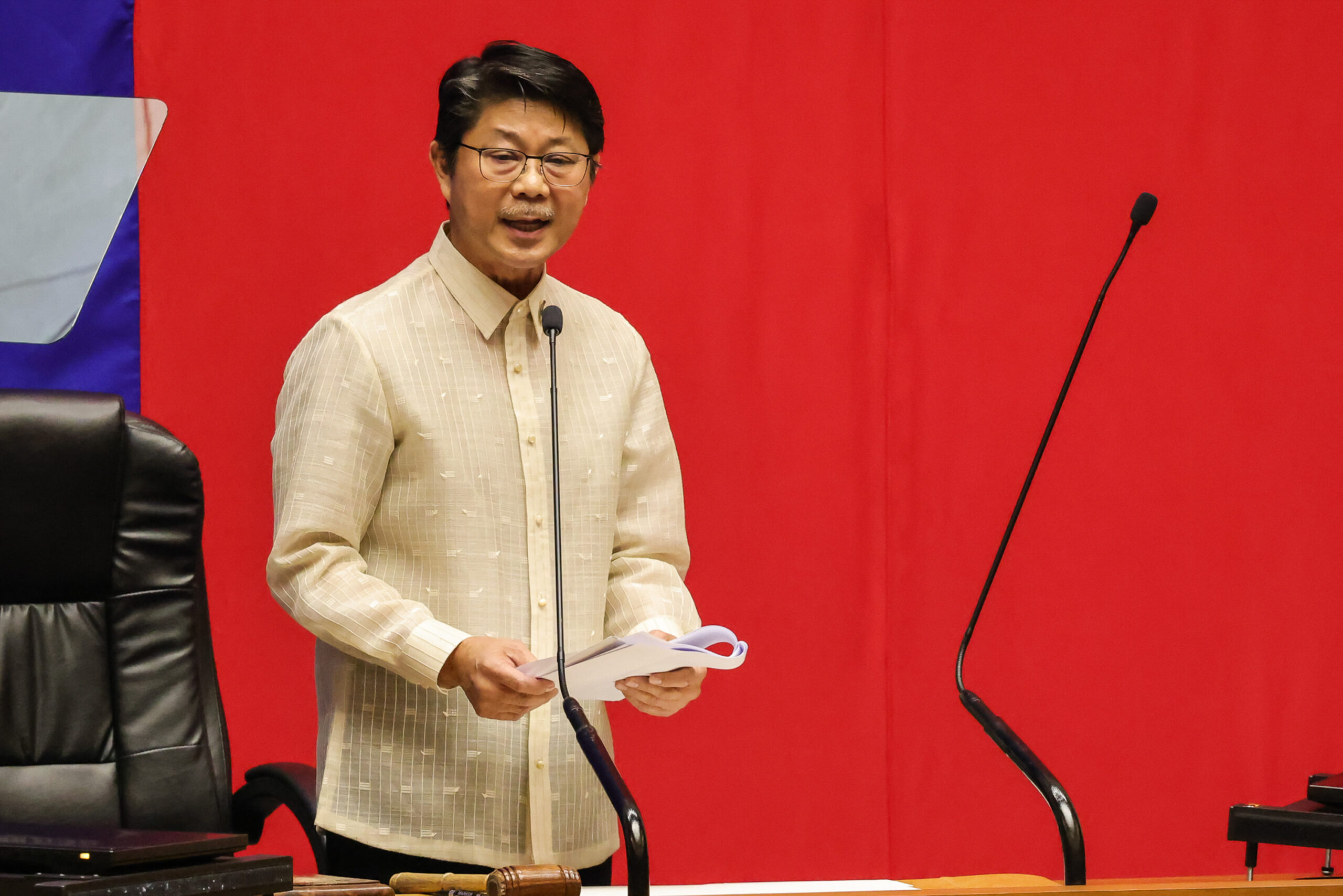
“One of the goals of these sessions is to awaken the conscience of those responsible for the killings, as well as to ensure that a culture of violence and human rights violations does not become normalized,” truth commission executive director Christopher Magno said in Filipino.
The sessions come as the Philippines prepares for the November 30 opening of Duterte’s trial before the International Criminal Court.

Sloppy police probe
To help piece together the story of Raymart’s killing, forensic pathologist and truth commissioner Dr. Raquel Fortun presented her team’s findings after examining the teen’s remains.
The skull incision from the initial autopsy was improperly made, Fortun said. Additionally, the medico-legal report described Raymart as “fully nourished” which Fortun questioned because Raymart was thin.
During the public session, Fortun also said that there was no reconstruction of the shooting, nor initial attempts to confirm if there were drugs in Raymart’s system. This, amid the report that the victim was found with a sachet of shabu.
There were also no attempts to determine whether the drugs allegedly recovered from Raymart were actually his.
“Bottom line is, he still should not have been killed to begin with, but still, something as basic as [forensic toxicology], ginawa ba ‘yan? Hindi (Was that done? No),” she emphasized.
Despite the limited evidence and incomplete postmortem documents, Fortun confirmed that Raymart’s death was a homicide – caused by gunshot wounds in his head.
Several civil society members launched the truth commission in May in an effort to provide credible documentation of the killings linked to Duterte’s drug war. Cardinal Pablo Virgilio David, Bishop of Kalookan, serves as its convenor and adviser, while former International Criminal Court judge Raul Pangalangan serves at its chair.
The commission will continue its truth-telling sessions to humanize drug war victims, analyze evidence, and demand accountability and reforms. – Rappler.com
Isabel Victorino is a fourth year AB Communication student at Ateneo de Manila University and a writer for its school publication The GUIDON. She is currently a Rappler intern.
This story has been edited by a Rappler reporter and editor.