Here are the 2026 Ramon Magsaysay Awardees
A career diplomat, a social entrepreneur, and a human rights defender are the 2026 Ramon Magsaysay Awardees

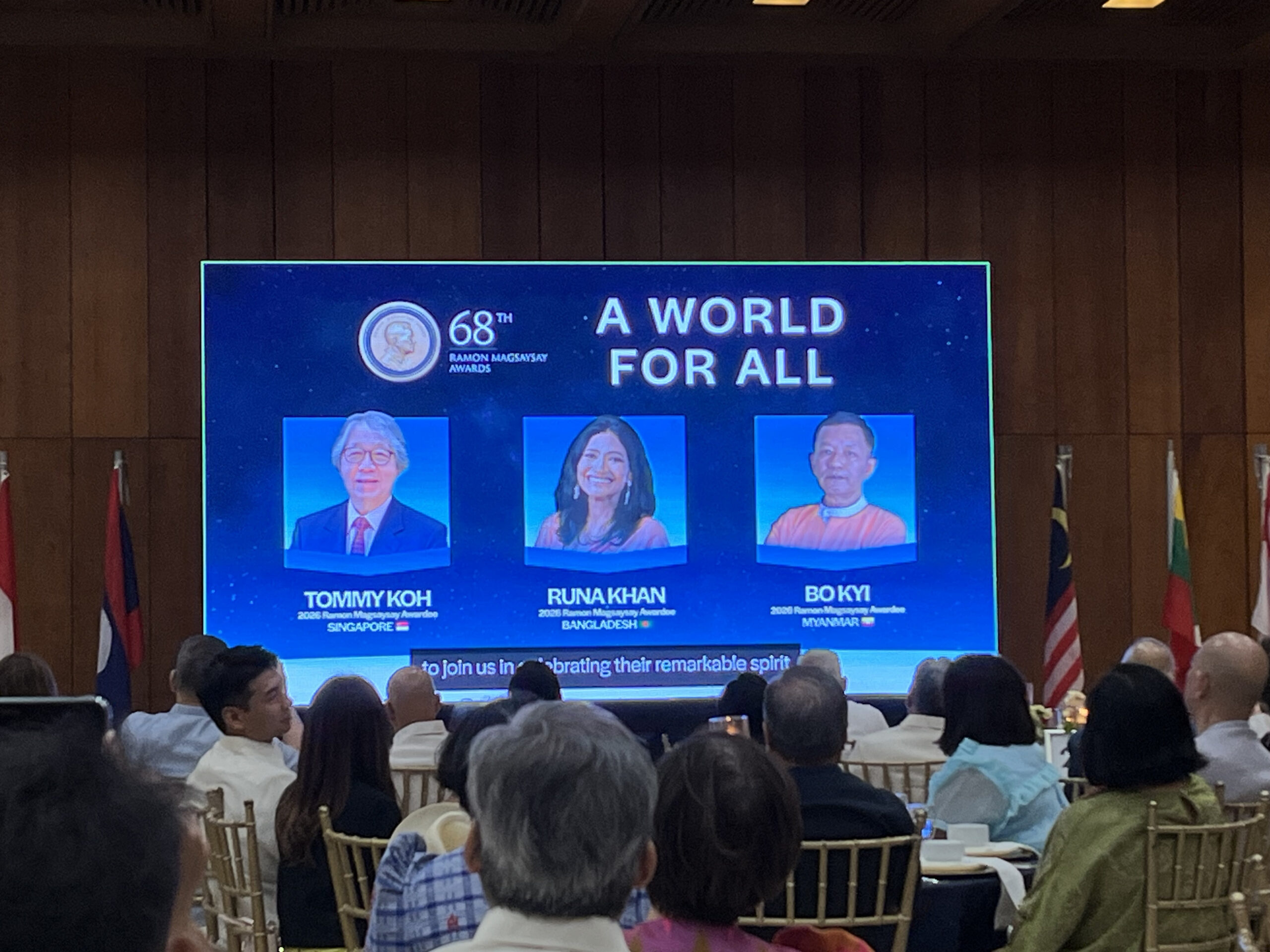
A career diplomat, a social entrepreneur, and a human rights defender are the 2026 Ramon Magsaysay Awardees

Families and survivors of a Bangladesh jet crash that killed dozens at a Dhaka school gathered this week to mark one year since the disaster, with many saying they are still waiting for accountability. Nure Jannat Yusha was a sixth grade student going through an ordinary school day when a Bangladeshi air force jet went down over her campus in the capital. The crash killed 36 people, most of them children, and turned Milestone School and College, a private institution that had been full of students moments earlier, into a scene of fire and panic within minutes. The disaster remains the deadliest aviation accident Bangladesh has recorded in several decades. Earlier this week, relatives and survivors came together to mark the anniversary. Many of the attendees were students who say the trauma of that day continues to shape their daily lives, including Yusha. She told a local broadcaster that fear still follows her whenever she encounters aircraft. “Even now, if I go to school and see a plane, I feel afraid,” she said. She added that the memory disrupts her sleep and resurfaces in nightmares that place her back in the fire. Yusha was among more than 160 people injured in the crash. She attended a memorial held at a hospital in Dhaka on Tuesday, where several families said they still lack clear answers about how and why the crash happened. Her mother, Yasin Akter, said the accident has changed her daughter in ways that go beyond physical injury. Yusha had once hoped to become a dancer, an ambition her mother says has since faded. “My daughter screams all day and is afraid,” Akter said, explaining that her daughter now associates the sky and passing aircraft with danger. The anniversary gathering highlighted a broader pattern common after major air disasters, where survivors and grieving families continue to seek transparency long after public attention shifts elsewhere. Psychological trauma among child survivors, in particular, tends to persist well beyond the initial recovery period, often requiring sustained mental health support that is not always readily available in the aftermath of large scale emergencies. Aviation authorities in South Asia have faced scrutiny in recent years over oversight of military and civilian flight paths near populated areas, an issue that has resurfaced in public discussion following the Milestone School crash. Analysts who study aviation safety note that incidents involving military aircraft over densely populated zones often prompt renewed debate about flight corridor planning and emergency response coordination, though structural changes can take years to implement even after a high profile disaster. For families like Yusha’s, the anniversary was less about policy debate and more about the everyday reality of raising a child who survived a catastrophe that claimed the lives of classmates and teachers. As the investigation into the crash continues, many of those affected say they simply want acknowledgment and clarity on what went wrong, along with continued support as their children work through the lasting effects of that day.