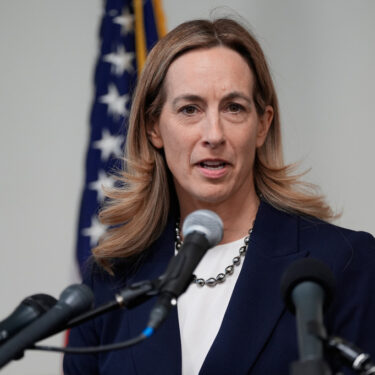
here 2026 ramon
|

Here are the 2026 Ramon Magsaysay Awardees

MANILA, Philippines – The Ramon Magsaysay Award Foundation (RMAF) has announced this year’s awardees of what is considered the “Asia’s premier prize and highest honor.”

For the 68th iteration of the Ramon Magsaysay Awards, the RMAF honored a career diplomat from Singapore, a social entrepreneur in Bangladesh, and a human rights defender in Myanmar.

This brought the number of recipients to 331 individuals and 28 organizations from 24 countries and territories since the award was first presented in 1958. (READ: By the numbers: Ramon Magsaysay Awardees)

Here are the 2026 Ramon Magsaysay Awardees:

Tommy Koh from Singapore

People, Person, Crowd

Singaporean statesman and diplomat Tommy Koh was recognized for “his exemplary leadership in international diplomacy and in the formation of a new generation of advocates devoted to the advancement of justice and human dignity the world over.”

“Through his steadfast faith in dialogue, the rule of law, and international cooperation, he has helped make peaceful coexistence possible in a world of unequal power,” the RMAF also said. 

Koh entered Singapore’s foreign services in 1968, representing his country at the United Nations.

His international law work included leading the negotiations for the UN Convention on the Law of the Sea.

The RMAF also cited his work as an academic. He was the founding chairman of the National University of Singapore’s (NUS) Centre for International Law in 2009 and founding rector of NUS Tembusu College in 2011.

Koh was not present at Monday’s announcement, as he rendered his last day at Singapore’s Ministry of Foreign Affairs after 55 years of service.

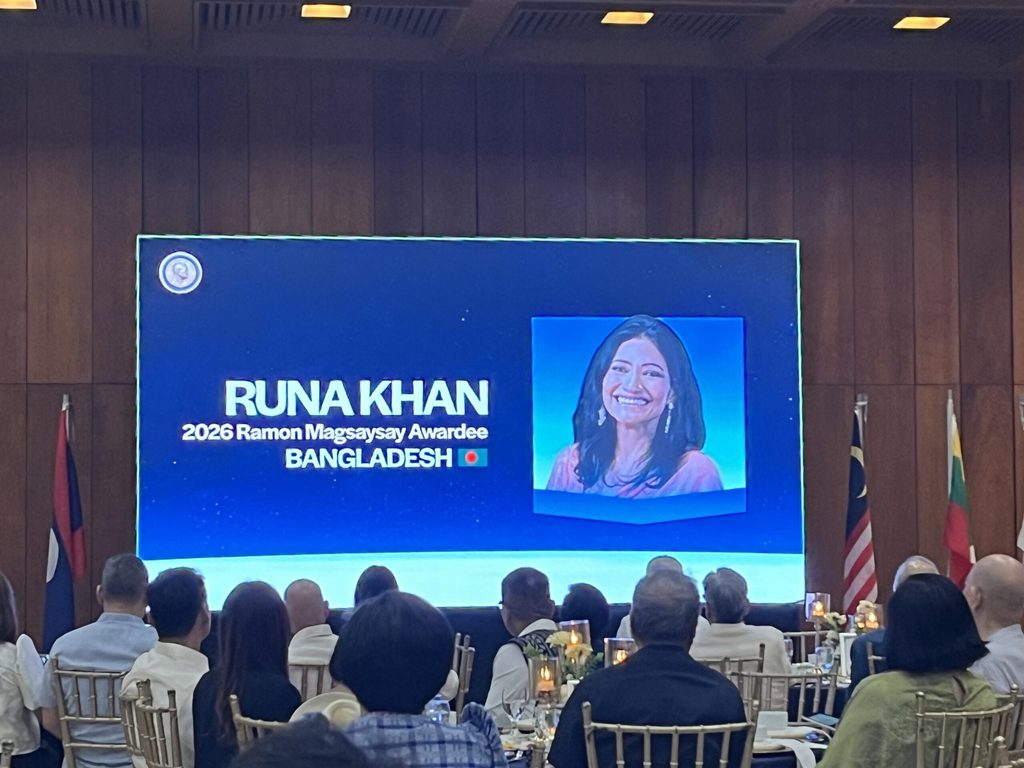
Runa Khan from Bangladesh
Adult, Female, Person

In 2002, social entrepreneur Runa Khan founded the organization called Friendship to bring healthcare, education, livelihoods, and climate resilience to the most vulnerable and poorest communities of Bangladesh.

Specifically, Khan’s work is helping Bangladeshis living on temporary islands and sandbars formed by river silt.

The organization made social services closer to these communities by introducing hospital ships, mobile clinics, and prefabricated schools.

The RMAF honored Khan for her “profound empathy for the poorest of the poor in her country, and her courage, vision, and tenacity in building and leading Friendship to accomplish her mission.”

“In her hands, privilege became not an entitlement, but a responsibility; not a family legacy to protect, but a gift to be shared so that others, too, might have the chance to live with hope, opportunity, and dignity,” it added.

Speaking through Zoom, Khan said she accepted the award with “profound humility and happiness.”

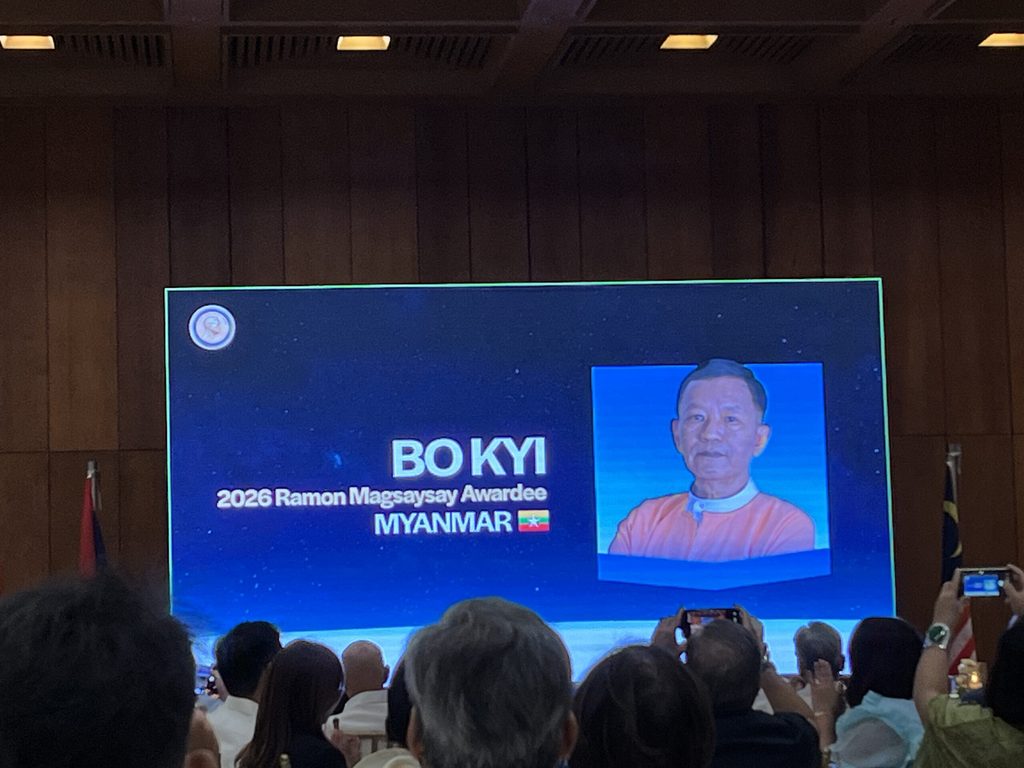
Bo Kyi from Myanmar
People, Person, Electronics

The RMAF cited the life’s work of Myanmar’s Bo Kyi, a former political prisoner, as a “steadfast pursuit of truth, accountability, and justice.”

When he was released from prison in 1998, Bo Kyi fled to Myanmar’s border with Thailand. Two years later, Bo Kyi helped in establishing the Assistance Association for Political Prisoners (AAPP) in Thailand’s Mae Sot town.

The AAPP documented political imprisonment and supported detainees and their families.

“His enduring commitment reflects extraordinary moral courage, personal sacrifice, and an unwavering belief that democracy and human dignity are always worth defending—and that even in the face of oppression, the truth must be told, justice must be pursued, and the freedom to believe must be upheld and defended at all costs,” the foundation said.

Also present through Zoom, Bo Kyi dedicated the award to the “Burmese people fighting injustice, especially the political prisoners who continue to stand strong behind bars.”

“If we continue to work together in solidarity to secure the release of all political prisoners, including Daw Aung San Suu Kyi, I believe we can build a Burma that brings peace, prosperity and stability to its people and the region,” he also said.

Suu Kyi, a Nobel Prize winner, has been in detention since her elected government was toppled by Myanmar’s military in a 2021 coup.

‘Greatness of spirit’

Susanna Afan, RMAF president, said that the 2026 laureates were chosen over their “greatness of spirit,” as well as their moral compass to keep fighting for the good of others.

The foundation also hopes that their solutions and actions will be emulated in other communities, Afan told reporters on the event’s sidelines.

The Ramon Magsaysay Award is given to individuals and organizations who address issues of human development in Asia. It is named after Philippine president Ramon Magsaysay, who served from 1953 until his untimely death in 1957.

The 2026 Ramon Magsaysay Awardees will hold public lectures before formally receiving the citation at the Metropolitan Theater in Manila on November 15. – Rappler.com

Must Read

Catholic priest Flavie Villanueva wins Ramon Magsaysay Award


Catholic priest Flavie Villanueva wins Ramon Magsaysay Award

Similar Posts

  • |

    Germany weighs tougher rules on sick leave

    BERLIN: Germany is considering tougher rules for workers taking sick leave, but researchers warn that stricter requirements may not address the deeper reasons behind the country’s high absenteeism. German employees took an average of around 22 sick days in 2024. The figure is among the highest reported internationally. The government’s proposed changes are part of a wider effort to improve productivity. Germany is dealing with an ageing population and years of weak economic growth. Under the proposed changes, employers could require workers to provide a medical certificate from the first day of absence. Telephone-based sick notes could also be scrapped. However, researchers say the debate should focus on why workers are becoming ill rather than simply making it harder to take sick leave. Healthcare, education and social services are among the sectors reporting the highest levels of absenteeism. Workers in these fields often face heavy workloads. They also deal with staff shortages, emotional pressure and difficult working conditions. BKK data shows that women working in healthcare and social work took an average of 27 sick days in 2024. Teachers recorded around 24 days. The figures were lower in several other sectors. Workers in finance averaged about 18 days, while employees in communications recorded around 16 days. Researchers say mental health is an important part of the problem. Mental health-related cases represent a relatively small share of total sickness cases. However, they often result in much longer absences. Data from AOK shows that sick-leave days linked to mental health problems have increased by 47% since 2014. Mental health conditions are now one of the biggest causes of prolonged absence after respiratory illnesses. Experts say burnout and exhaustion can develop without reaching the level of a diagnosed mental disorder. Healthcare workers and teachers are particularly exposed to these pressures. They carry significant responsibilities while dealing with emotional and sometimes physical challenges. Teachers have reported violence and aggressive behaviour in schools. A 2024 survey found that almost half had experienced psychological or physical violence among pupils at their schools. More than one-third also reported feeling emotionally exhausted several times a week. Nursing faces similar difficulties. Germany has a shortage of healthcare workers, but studies indicate that wage growth has remained limited in some hospitals and public institutions. Researchers describe the situation as an imbalance between effort and reward. Workers face high demands but may receive relatively low pay, limited career opportunities and insufficient recognition. Studies have linked such conditions to mental health problems and long-term sickness absence. However, experts caution against blaming Germany’s absenteeism solely on workplace stress. Sick leave is affected by many factors. These include the age of the workforce, working conditions, social attitudes and differences in healthcare systems. Germany also has generous sick-pay provisions. Workers can generally receive full wages during the initial period of illness. Several other European countries, however, report even higher levels of sick leave among full-time employees. Researchers have also found little evidence of widespread abuse of sick-note rules. A study by DAK and the IGES Institute found that the sharp rise in recorded absences in 2022 was largely linked to improved electronic reporting and unusually high levels of respiratory infections and Covid-19. Sick-leave levels have since stabilised. Researchers also found no clear evidence that telephone sick notes introduced during the pandemic caused the increase. The government’s proposal has faced opposition from labour representatives. The Verdi services union has described the plan as creating a culture of distrust towards employees. Doctors have also warned that tougher certification requirements could put additional pressure on already busy medical practices. The government has defended its approach. It says employers would have the option of requiring certificates from the first day of illness while allowing companies to retain existing arrangements. The debate is therefore moving beyond the question of whether German workers take too many sick days. Researchers argue that reducing absenteeism in the long term may require better staffing, improved working conditions, stronger career prospects and greater support for workers facing emotional pressure.

  • | | | | |

    US offers $15 million reward for Iran drone networ…

    WASHINGTON: The United States has announced a $15 million reward for information leading to the disruption of an alleged financial network linked to Iran’s drone programme, escalating pressure on entities accused of supporting the country’s military operations. The reward was announced by the Rewards for Justice programme run by the US State Department. According to the programme, the offer targets information about financial networks associated with Kimia Pars Sepehran Company (KIPAS), which Washington alleges is involved in producing drones for Iran’s Islamic Revolutionary Guard Corps (IRGC) Quds Force and its regional allies. In a statement posted on the social media platform X, the programme said it is seeking information on seven senior officials, their associates and the financial infrastructure that allegedly supports the company’s operations. US authorities said individuals who provide credible and actionable information may qualify not only for the financial reward but could also receive assistance with relocation if necessary. The announcement identified the individuals of interest as Hassan Aram Banizadeh, Reza Naharvani, Mehdi Naqaneh, Hadi Zavaraki, Abolfazl Meshkani, Abbas Sartaji, and Ehsan Mohaghegh. The latest reward offer is part of Washington’s broader campaign to disrupt networks it believes are involved in the financing, development and distribution of unmanned aerial vehicles used by Iran and affiliated groups across the Middle East. US officials have repeatedly accused Iran of supplying drones and military technology to allied armed groups operating in the region. Tehran, however, has consistently rejected allegations that it provides weapons in violation of international obligations, maintaining that its military activities are conducted within its national defence framework. The new announcement comes amid continued tensions between Washington and Tehran over regional security, sanctions and Iran’s military capabilities. Analysts say targeting financial facilitators has become a key element of the US strategy to weaken supply chains supporting Iran’s drone programme. The Rewards for Justice initiative has previously offered multimillion-dollar rewards for information related to terrorism, sanctions evasion and other activities considered threats to US national security. The latest offer underscores Washington’s continued focus on disrupting networks it believes contribute to Iran’s expanding drone capabilities.

  • |

    China’s internet obsessed with Moonshot&#82…

    The release of Moonshot AI’s Kimi K3 has generated significant buzz across Chinese social media, sparking a vigorous debate about China’s emergence as a strong contender in the global AI race. The Chinese startup launched the open-weight model on Thursday, promoting its capability to align with dominant frameworks from OpenAI and Anthropic at discounted rates, while temporarily halting new subscriptions due to overwhelming demand. Kimi K3 has become the most prominent Chinese AI model to spark discussion about China’s position in the global AI landscape. The key question is how China will meet the rising demand for computing power, with Moonshot AI emphasizing that Kimi K3 converts computing power into AI capabilities more effectively than its predecessor. “Put simply, the more capable AI becomes, the greater its appetite for computing power. This race to build more powerful AI hardware isn’t slowing down anytime soon,” said a user from Shandong province. Another user from Jiangsu added: “Competition among AI software is likely to shift from focusing purely on performance to balancing both performance and token usage. In other words, it’ll become a competition over value for money. It doesn’t matter how powerful your model is if it uses too many tokens. And it doesn’t matter how good it is if the monthly subscription is too expensive.” The model has reportedly matched or outperformed GPT and Claude on some benchmarks, according to social media posts. The low-cost open-source nature of Kimi K3 has made it particularly appealing to developers and researchers, who have been eager to test its capabilities. The temporary halt on new subscriptions highlights the immense demand for the model, which has quickly become a viral sensation in China’s tech community. Moonshot AI’s launch of Kimi K3 reflects the growing competition in the AI sector, particularly between China and the US. Chinese companies are increasingly developing AI models that can compete with their American counterparts, often at lower costs. The success of Kimi K3 has fueled optimism about China’s ability to innovate in AI and has raised questions about the future of the global AI industry. As the demand for AI capabilities continues to grow, the competition between open-weight and proprietary models is likely to intensify. Kimi K3’s success suggests that open-weight models can be competitive, offering a viable alternative to proprietary systems from US companies. However, the debate over performance versus cost-effectiveness will continue to shape the direction of AI development. The viral success of Kimi K3 has put Moonshot AI in the spotlight, with many watching to see how the startup will navigate the challenges of scaling its operations to meet demand. The company’s ability to balance performance, cost, and accessibility will determine its long-term success in the competitive AI market. For now, Kimi K3 has captured the imagination of China’s internet users, signaling a new chapter in the global AI race.

  • | |

    US vows unprecedented economic pressure on Iran

    WASHINGTON: The United States hUS vows unprecedented economic pressure on Iranas warned that it will introduce an unprecedented package of economic measures against Iran as Washington prepares to intensify pressure on Tehran amid stalled ceasefire negotiations and rising tensions around the Strait of Hormuz. US Treasury Secretary Scott Bessent said further announcements were expected next week, describing the planned measures as unlike anything previously used against a country facing economic isolation. Bessent said the new strategy would combine tougher economic restrictions with continued efforts to prevent Iranian ports from receiving or sending goods. He indicated that Washington intended to use economic pressure alongside restrictions on maritime traffic through the strategic Strait of Hormuz. US Defence Secretary Pete Hegseth, meanwhile, said the American military was capable of maintaining a naval presence in the region for an indefinite period to enforce the blockade. He said US naval vessels could be rotated in and out of the region to sustain the operation. The confrontation comes as attempts to revive a ceasefire agreement have faltered. Iran has sought to use its position around the Strait of Hormuz as leverage against Washington, while the United States has continued to tighten economic pressure on Tehran. The waterway has become a major flashpoint because of its importance to global energy supplies. Before the conflict began, roughly one-fifth of the world’s oil and liquefied natural gas shipments passed through the strait. Shipping activity has since fallen sharply, raising concerns over supplies, prices and the wider global economy. Two vessels belonging to Abu Dhabi National Oil Company were also attacked while transiting the strait, according to the United Arab Emirates’ state news agency. The UAE government blamed Iran for the incident. US President Donald Trump has repeatedly claimed that Washington has control over the strategic waterway. Iran, however, has rejected that assertion and maintained that the strait will not fully reopen unless its demands are addressed. Tehran has called for the removal of economic sanctions and the release of frozen Iranian assets. The prolonged confrontation is also putting pressure on the global energy market. The International Energy Agency has revised its forecast for global oil supply, warning that production could fall by about 4.3 million barrels per day this year. Oil prices declined by more than 2% on Thursday as markets reacted to expectations of weaker demand and a rise in US crude inventories. However, renewed attacks in the region continued to fuel fears that the conflict could spread further. The economic consequences are becoming increasingly serious. Economists have warned that a prolonged war could weaken global growth and increase the risk of recession in some economies. Hegseth declined to say whether declaring a ceasefire earlier in the year had been a mistake. He said the administration remained focused on preventing Iran from obtaining a nuclear weapon and insisted that the United States was taking the steps it considered necessary to achieve that objective.

  • New Jersey discovers software glitch that permitted non-citizens to vote

    A major technological defect within New Jersey’s Motor Vehicle Commission (MVC) added approximately 6,600 non-U.S. citizens to the state’s voters between June 2023 and June 2024. Governor Mikie Sherrill publicly disclosed the finding during a news briefing, explaining that an investigation was immediately launched upon discovery to ensure election rolls are corrected and fully secured. Preliminary assessments conducted by election authorities indicate that fewer than 400 of those erroneously added individuals actually went on to participate in elections. Officials emphasized that there is no indication these votes altered the outcome of any contest or resulted from intentional fraud by the affected residents. The voter registration system used across New Jersey driver’s license centers relies on digital touchpads designed to streamline voter sign-ups. When residents apply for or renew state identification or driver’s licenses, the system asks a series of preliminary eligibility questions, including whether the applicant is a United States citizen. Between June 2023 and June 2024, a severe programming error caused the system to bypass negative responses. Even when non-citizen applicants explicitly selected No on the prompt asking if they were eligible citizens, the software disregarded the answer and forwarded their information to election boards as new voter registrations. Governor Sherrill noted that the individuals involved were completely blameless. They answered the eligibility prompts truthfully, but the automated backend software processed them as voters regardless. Although the underlying code error was patched in June 2024, the full scope of the improperly generated registrations was not uncovered until recently. After identifying the affected records, state election administrators conducted a preliminary audit to evaluate whether any of the erroneously registered individuals had cast ballots. The review revealed that under 400 people on the list had voted in at least one election during the period in question. The misregistered voters were distributed across political spectrums, enrolling as Democrats, Republicans, and unaffiliated voters across multiple counties. State analysts confirmed that the limited number of votes cast were widely dispersed across time and region, meaning no single local or statewide race was tipped as a result of the system error. State officials clarified that affected individuals will not face prosecution or legal penalties, as they did not falsify documents or attempt to circumvent registration laws. In response to the revelation, Governor Sherrill announced immediate corrective steps to clean the voter registries and enforce administrative accountability. Election boards have begun systematically removing all 6,600 affected names from state voter databases. The state is mailing official notification letters to all impacted residents, informing them of the system glitch and confirming that their records are being updated to prevent future voter file errors. The state Motor Vehicle Commission is severing ties with IDEMIA, the third-party software contractor responsible for managing the license registration keypads, and moving to onboard a new vendor. The Governor’s Chief Counsel has opened an internal investigation into why the error persisted for a full year under the previous administration without being escalated or publicly reported. The disclosure has drawn varied reactions across the political and advocacy landscape. Voting rights organizations, including the League of Women Voters of New Jersey, commended the current administration for its swift transparency and proactive purging of improper records while reiterating that affected residents were victims of a software glitch rather than bad actors. At the same time, the incident has fueled debates over voter registration infrastructure and database management. Republican lawmakers called for broader overhauls and stricter verification mechanisms across state agencies. State leaders maintained that the issue represents an isolated technology failure that is being thoroughly rectified to preserve the integrity of future elections.  

Leave a Reply

Your email address will not be published. Required fields are marked *