
#memory #loss #serious

  • |

    The memory of water

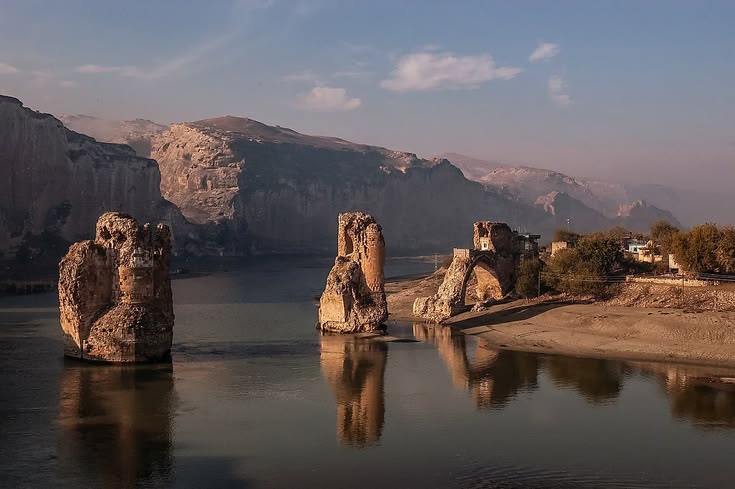
    Water remembers. It is humans who forget. This declaration serves as a poetic lens through which we can view one of the most pressing news events of our time. The events about the global climate crisis and the reshaping of ancient hydrological cycles. As modern reports routinely highlight record-breaking droughts, flash floods and melting glaciers across continents, we are confronted with a truth. Nature carries an indelible memory of every environmental transformation. However, human civilization continually acts surprised by the predictable consequences of its own actions. The quote captures a moment of brutal contradiction in ancient Nineveh. King Ashurbanipal was the ruler of the vast Neo-Assyrian Empire, beloved heir of Esarhaddon, and founder of a library that preserved thousands of cuneiform tablets. He committed a horrific act of violence by executing his former mentor. A single raindrop bears witness to this cruelty embedded unseen within the king’s hair. The heat rises and the droplet evaporates into the atmosphere. It does not truly vanish. However, it transforms, rising to the skies to fall upon the earth once more. When we examine contemporary environmental journalism, specifically reports detailing how rising global temperatures are altering oceanic currents and atmospheric rivers, we see the modern echo of Ashurbanipal’s raindrop. Scientists continuously warn that the water cycle operates as earth’s immortal memory bank. The water that falls over our cities today is the exact same substance that quenched the thirst of ancient empires. The very water flooded historical valleys and bore witness to human triumphs and atrocities alike. Water absorbs every thermal change, industrial pollutant and  shift in atmospheric pressure. Moreover, water holds that memory until it returns to the land as an uncontrollable tempest or a prolonged drought. The tragedy of human civilization lies in our collective amnesia. Ashurbanipal built an immortal storehouse of knowledge while remaining blind to the moral and environmental legacy of his own destruction. Similarly, modern society continues to treat water as a passive resource. Headlines every week record the fallout: drying riverbeds like the Colorado and the Euphrates and torrential monsoons displacing millions. Yet, humanity consistently responds to these events as isolated shocks rather than logical consequences of long-term ecological neglect.   Water does not forget the heat we introduce to the oceans. Rather, it responds by fueling violent storms. It does not forget the destruction of natural wetlands. Certainly, it responds by flooding our concrete infrastructure. The physical laws governing our planet ensure that every action leaves a permanent imprint upon the atmosphere. Human societies must learn to remember as water does: respecting history, recognizing cycles and anticipating consequences. So that we won’t remain caught in a cycle of self-inflicted crises or perpetually surprised by a natural world that simply never forgets.
  • | |

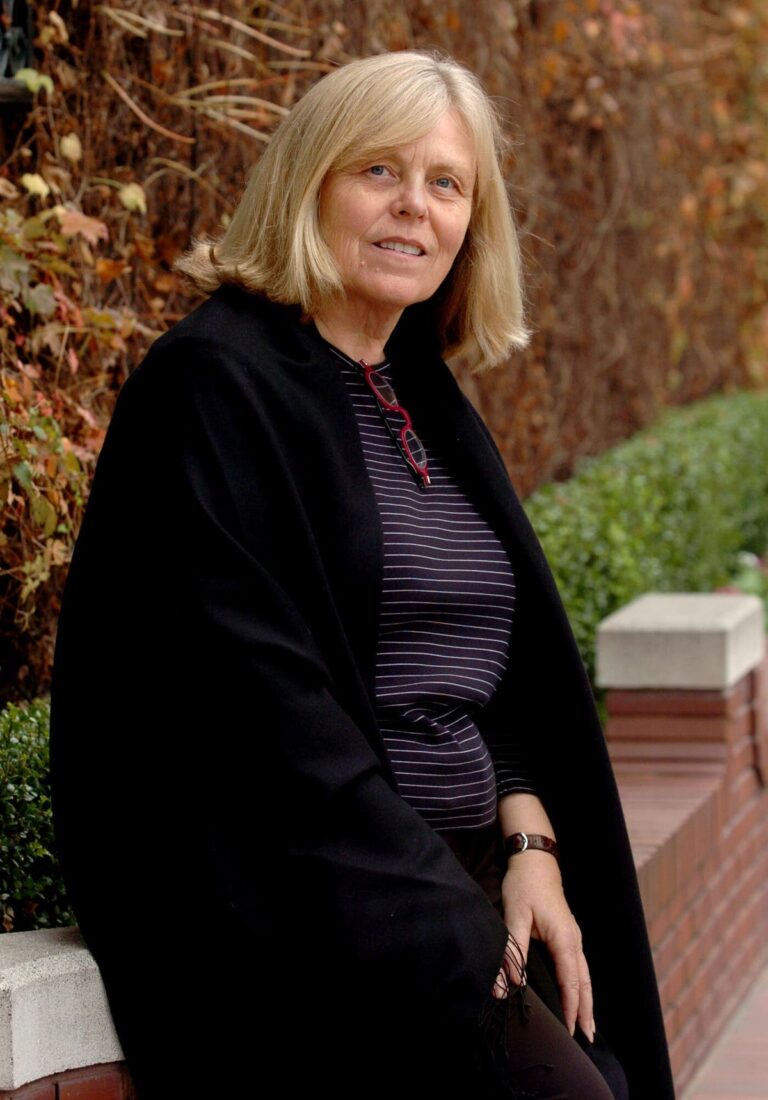
    Author Ursula Hegi leaves a legacy of memory and truth

    The literary world has lost one of its most perceptive voices on historical memory and collective silence. Author Ursula Hegi, whose work rigorously examined the human dimensions of life during and after World War II in Germany, died on July 27 at her home in Sag Harbor, New York. She was 80 years old. Hegi’s Journey as a Writer Hegi’s journey as a writer was deeply intertwined with her personal background. Born Ursula Koch in Düsseldorf, Germany, in 1946, she spent her early years amidst the rubble of a nation struggling to rebuild. Growing up in the immediate aftermath of the war, she experienced a culture dominated by a pervasive, uncomfortable silence. Despite visible physical destruction all around, adults rarely spoke openly about the Holocaust or Germany’s culpability in Nazi atrocities. That suffocating atmosphere of secrecy left an indelible impression on Hegi. At age 18, she left Germany for the United States. She later became a naturalized U.S. citizen. Unpacking the Burgdorf Cycle Hegi’s move across the Atlantic gave her the critical distance needed to confront the uncomfortable realities of her heritage. She began exploring these themes through fiction, creating the imaginary German town of Burgdorf. This setting served as the backdrop for four of her novels, most notably her 1994 masterpiece, Stones from the River. In Stones from the River, Hegi tells the story of Trudi Montag, a woman with dwarfism who serves as the town’s librarian. Trudi lives on the periphery of her community. She becomes a silent observer of human nature. People often dismiss or confide in her, allowing her to gather the town’s deepest secrets and witness how ordinary citizens slowly succumbed to, ignored, or quietly resisted the rise of National Socialism. The novel received widespread critical acclaim and was nominated for the PEN/Faulkner Award. It achieved massive commercial success when Oprah Winfrey selected it for her book club in 1997. It has catapulted Hegi to national prominence and cementing the novel as a staple of modern historical fiction. Confronting the Unspoken What set Hegi’s work apart was her refusal to reduce complex historical atrocities to simple caricatures. Rather than focusing solely on major political figures or battlefields, she turned her lens toward the everyday townspeople. The neighbors who looked the other way, the shopkeepers who compromised their moral standards, and the silent witnesses whose compliance enabled widespread horror. Through her character-driven narratives, Hegi demonstrated how shame and denial could poison future generations if left unaddressed. Her non-fiction work, Tearing the Silence, extended these themes by gathering interviews from German-born individuals of her generation to explore how their parents’ war choices shaped their own adult identities. A Lasting Influence Her career as an author of over a dozen books including short story collections, children’s literature, and standalone novels. Hegi spent decades teaching and mentoring aspiring writers, notably serving on the creative writing faculty at Stony Brook Southampton. Ursula Hegi’s legacy lies in her unwavering belief that storytelling can bridge the gap between guilt and healing. By confronting uncomfortable truths with empathy, clarity, and grace, her literature ensures that the painful lessons of the 20th century will not be forgotten.