[OPINION] The HIV epidemic we saw coming — and can still stop
The Philippines’ surging HIV epidemic stems from health-system execution failures, not individual behavior. To reverse it, the DOH must urgently expand testing, treatment, and incentives.

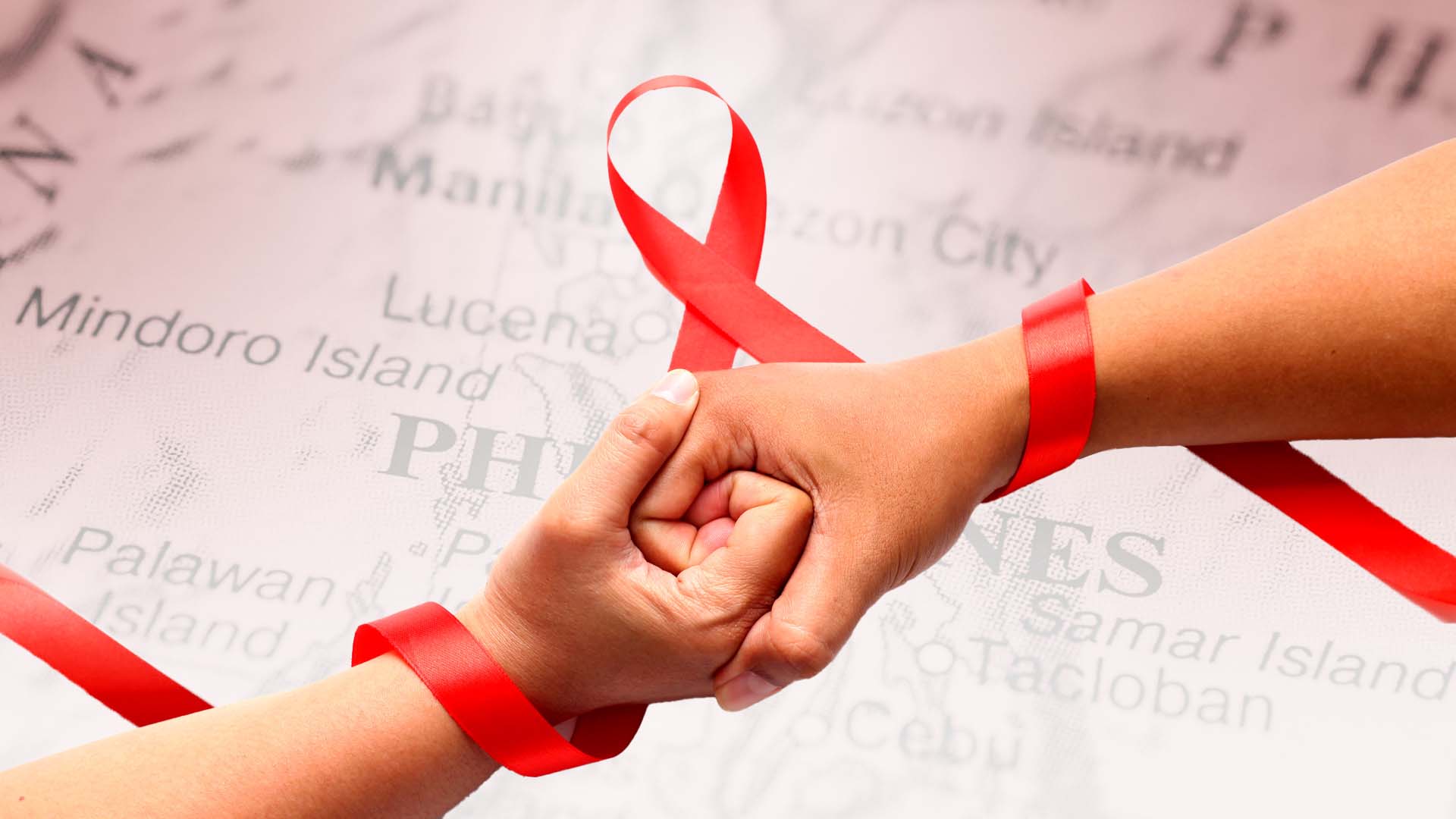
The Philippines’ surging HIV epidemic stems from health-system execution failures, not individual behavior. To reverse it, the DOH must urgently expand testing, treatment, and incentives.

The trend points to a looming nutrition crisis. What changed?
How do we make the Philippine economy itself capable of paying for increasingly expensive healthcare?

In its long history of tobacco control, Baguio City has treated tobacco use as the public health issue that it is, and not merely as an enforcement issue

A Pulse Asia survey conducted from late June to early July asked Filipinos which issues they would most like President Ferdinand Marcos Jr. to discuss in his fifth State of the Nation Address

The deal must be accepted by 95% of the ovarian cancer claimants in state or federal court before it becomes final
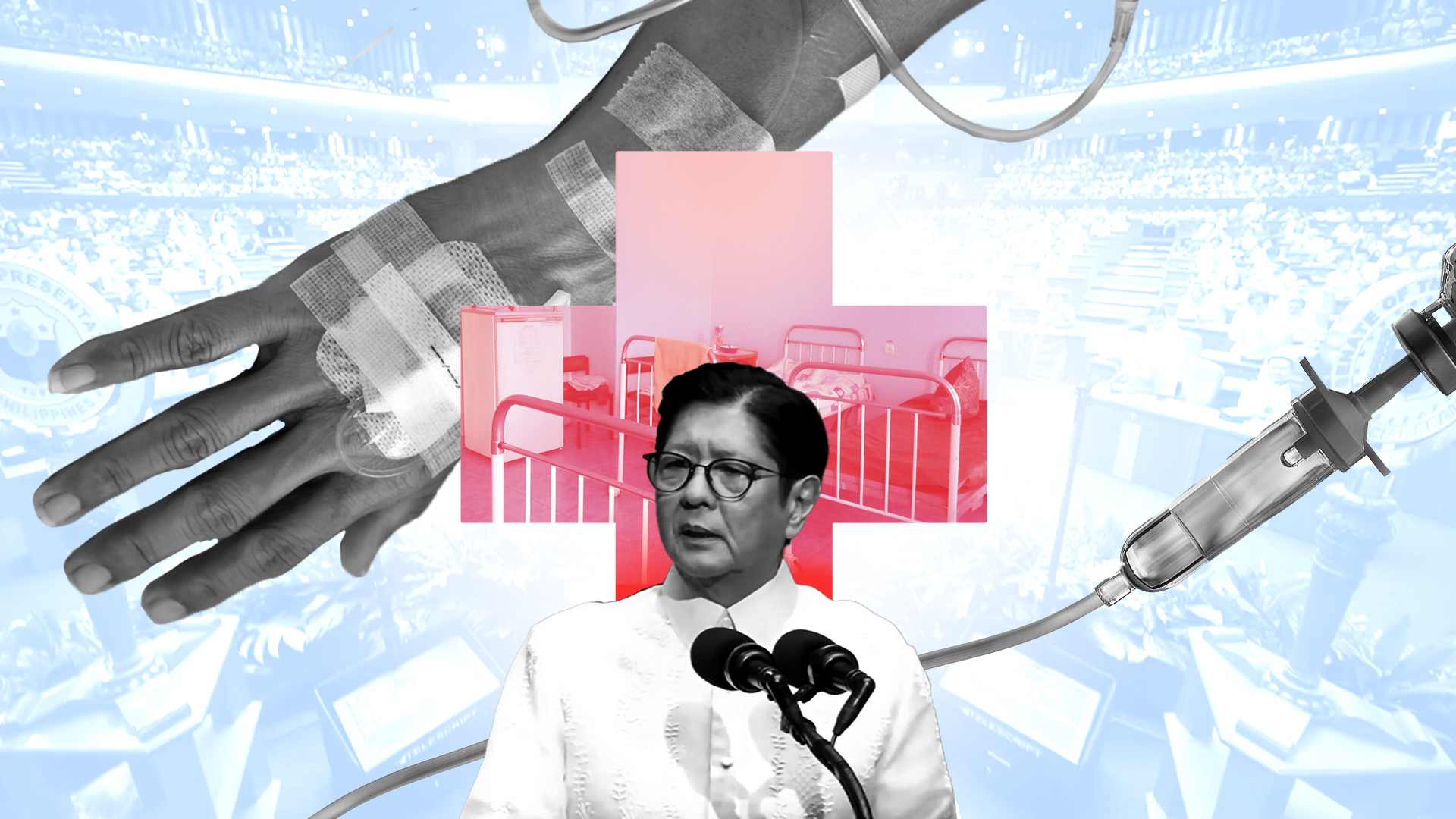
Healthcare policy in the Philippines is framed primarily as an expenditure. We debate hospital budgets, insurance coverage, and annual appropriations. But it is also one of the world’s largest and fastest-growing economic sectors.

The implementing rules and regulations are signed over a year after Republic Act No. 12199 was enacted into law in May 2025

Kapag walang mata ng publiko na nakatitig sa deliberasyon, kapag walang nag-iingay…aba, happy hour ang mga gustong bumalasubas sa badyet

Unlike chemotherapy, which kills both healthy and cancerous cells, or immunotherapy, which revs up the immune system, personalized cancer vaccines train the immune system to specifically target mutations found only on a person’s tumor