
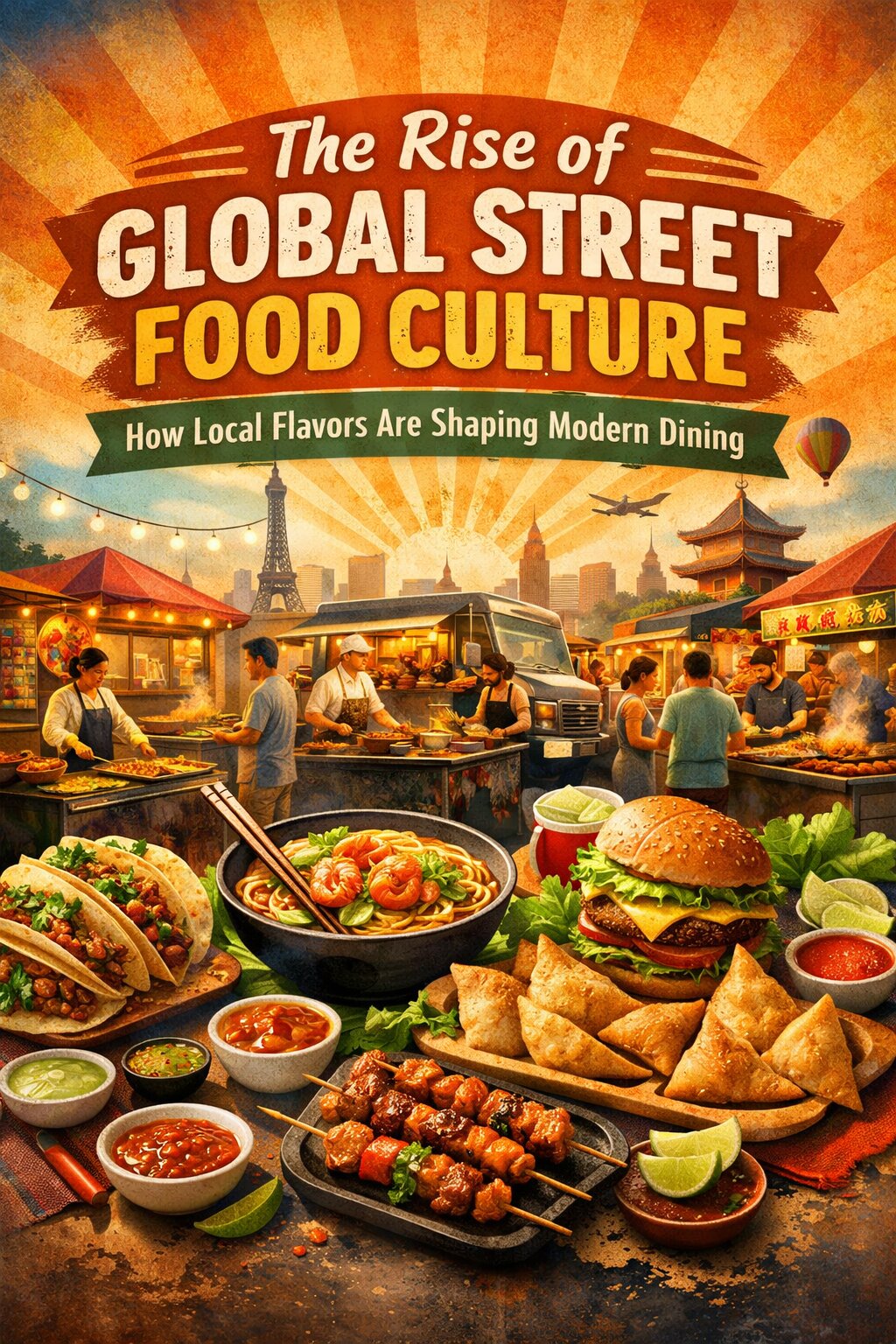
In recent years, one of the most exciting trends in the food world has been the growing popularity of street food culture. What was once considered simple roadside dining has now become a global culinary movement. From bustling night markets in Asia to vibrant food trucks in major cities, street food has captured the attention of food lovers everywhere. pediküre stuhl
This trend reflects a broader shift in how people approach food. Modern diners are seeking authentic flavors, cultural experiences, and affordable meals that offer something different from traditional restaurant dining. Street food delivers all of these elements, combining creativity, convenience, and cultural identity in a single dish.
Today, chefs, travelers, and food entrepreneurs are embracing street food as a powerful way to share local traditions while also experimenting with new culinary ideas.
What Defines Street Food?
Street food typically refers to ready-to-eat meals or snacks prepared and sold in public spaces such as markets, roadside stalls, and mobile food trucks. These foods are often designed to be eaten quickly and conveniently while people continue their daily activities.
Despite its simplicity, street food often showcases incredible culinary skill. Vendors develop recipes that highlight bold flavors, efficient preparation techniques, and ingredients that are both affordable and delicious.
Because street food vendors serve large numbers of customers daily, they often refine their recipes over many years. This experience allows them to perfect flavors and cooking methods that make their dishes memorable.
Why Street Food Is Gaining Global Attention
Several factors have contributed to the growing interest in street food around the world. One of the most important reasons is the desire for authentic cultural experiences. Travelers increasingly look for opportunities to taste foods that represent the traditions of a particular region.
Street food often reflects the everyday cuisine of local communities. These dishes provide a direct connection to the history and culture of the area.
Another factor driving this trend is affordability. Compared to formal restaurants, street food usually costs less while still delivering rich flavors and satisfying portions. This accessibility makes it appealing to a wide range of people.
Social media has also played a major role in promoting street food culture. Eye-catching photos and short cooking videos often showcase colorful dishes prepared at lively markets and food stalls. These visual experiences inspire people to explore new foods and culinary destinations.
Street Food Markets and Night Food Festivals
Street food markets have become popular attractions in cities across the world. These markets bring together dozens or even hundreds of vendors offering a variety of dishes in one location.
Visitors can explore different cuisines, taste small portions from multiple stalls, and experience the vibrant atmosphere of the market. The sounds of sizzling grills, the aroma of spices, and the colorful displays of ingredients create an unforgettable sensory experience.
Night markets are especially famous in many parts of Asia, where vendors prepare dishes under bright lights and crowds gather to enjoy evening meals. These markets are not only places to eat but also social spaces where families and friends spend time together.
The Evolution of Food Trucks
Food trucks have become an important part of modern street food culture. These mobile kitchens allow chefs to serve creative dishes in locations where traditional restaurants may not be practical.
Food trucks offer flexibility that fixed restaurants often cannot match. Owners can move their trucks to different neighborhoods, festivals, or events depending on demand.
Many chefs use food trucks as platforms to experiment with unique concepts. Some trucks specialize in fusion cuisine that combines flavors from different cultures, while others focus on reinventing classic street food dishes.
The success of food trucks has even led some operators to open permanent restaurants after building strong customer followings.
Fusion Street Food and Culinary Creativity
One of the most exciting aspects of modern street food is the rise of fusion cuisine. Fusion street food blends ingredients and cooking styles from different culinary traditions to create entirely new dishes.
For example, a vendor might combine traditional Asian spices with Latin American cooking techniques or pair Mediterranean ingredients with modern street food presentations.
These creative combinations reflect the global nature of modern food culture. As people travel and share ideas across cultures, chefs find inspiration in unexpected places.
Fusion street food also appeals to adventurous diners who enjoy discovering new flavor combinations and culinary innovations.
The Role of Local Ingredients
Despite its growing global influence, street food often remains deeply connected to local ingredients. Vendors frequently rely on fresh produce, herbs, and spices that are readily available in their region.
This connection to local agriculture helps preserve traditional cooking styles while supporting nearby farmers and suppliers.
Seasonal ingredients also influence street food menus. When certain vegetables or fruits are harvested, they may appear in multiple dishes across local markets.
Using local ingredients ensures that street food maintains its authenticity while highlighting the natural flavors of the region.
Street Food and Community Connections
Street food has always played an important role in bringing communities together. Markets and food stalls create spaces where people from different backgrounds gather to share meals and conversations.
Unlike formal dining environments, street food settings are often casual and welcoming. Customers stand, sit on simple benches, or walk around while eating, creating a relaxed atmosphere.
These social interactions help strengthen community bonds and make street food markets lively centers of urban life.
In many cities, street food vendors become beloved local figures who build strong relationships with regular customers.
Health and Hygiene Improvements
As street food becomes more popular globally, many cities have introduced improved hygiene regulations and food safety standards for vendors.
Training programs and certification systems help ensure that vendors follow safe food handling practices. These initiatives protect public health while allowing street food culture to thrive.
Modern equipment and portable cooking technology have also improved the quality and safety of street food preparation.
These developments help street food maintain its traditional charm while meeting contemporary health expectations.
Street Food in the Digital Age
Technology has changed the way people discover and enjoy street food. Mobile apps and online maps help customers locate popular vendors and track food truck schedules.
Social media platforms allow vendors to share daily menus, announce new dishes, and communicate with customers instantly.
Food bloggers and content creators often feature street food in their videos and articles, introducing global audiences to regional specialties.
These digital tools have expanded the reach of street food culture far beyond its local origins.
Challenges Facing Street Food Vendors
Despite its popularity, street food culture faces certain challenges. Rising urban rents and regulations can make it difficult for small vendors to operate in busy city areas.
Weather conditions also affect street food businesses, especially those operating outdoors.
Competition has increased as more entrepreneurs enter the street food industry. Vendors must continually innovate to attract customers while maintaining affordable prices.
However, many vendors overcome these challenges through creativity, strong community connections, and dedication to their craft.
The Future of Street Food Culture
The future of street food looks promising as global interest continues to grow. Cities are increasingly recognizing the cultural and economic value of street food markets.
Some urban planners are creating designated food districts where vendors can operate safely while attracting visitors and tourists.
Food festivals celebrating street cuisine are also becoming more common, bringing together vendors from different regions to share their specialties.
As travel and cultural exchange continue to expand, street food will likely remain a vibrant part of the global culinary landscape.
Final Thoughts
Street food culture represents one of the most dynamic and inclusive aspects of the modern food world. It celebrates creativity, affordability, and cultural diversity while bringing people together through shared culinary experiences.
From traditional market stalls to innovative food trucks, street food vendors continue to shape the way people enjoy meals in cities around the globe.


