3 iPhone Duo design quirks you probably missed — Explained
The iPhone Duo is one of the most important phones of the year. Such was its power that, even before its launch, it was able to influence the designs of phones from rival manufacturers; the Galaxy Z Fold 8 and the Xiaomi 18 Fold to name just two.
Watching Apple’s “Surprise and Shine” event, I was similarly influenced. The Duo (not iPhone Ultra as was expected) is everything we like tech to be: groundbreaking, exciting, covetable. Quite simply – I wanted one. And, if the attention the device has been getting is anything to go by, so did everyone else and you may struggle to get one over the coming weeks and months.
But even if I was prepared to shell out a cool £1,999 ($1,999 in the US), how well would it actually fit into my life?
There’s no getting away from the fact that the design has more than a few quirks that mean that it won’t function quite as seamlessly or invisibly as the phone you’re likely holding right now.
Part of that is down to the fact that the Duo lacks some extremely convenient iPhone features, including Face ID and an Action button. But it’s not just about what’s missing. It’s what’s there that’ll affect the way you use it.
Right aligned
Phones are generally made with a slight bias towards right-handed people, but few so obviously as the iPhone Duo.
About 10-12% of the population are left-handed. (That includes me. Hi!) For lefties, using the Duo will require much more of a conscious effort than getting used to rival phones.
The first and most obvious issue is that its Touch ID button – which is what you’ll get instead of Face ID – is situated on the right-hand side of the phone. That makes it ideally placed for firm contact with the thumb of a right-handed person.
If you’re holding the phone in your left hand (me again), it’s not ideally placed for anything at all.
Apple
Apple has said that the reader will be able to accept up to five different prints, so you have options, but a middle finger wrapped around this wide device won’t fall as neatly as the thumb.
And this won’t only affect unlocking your phone. Without Face ID as an option, you’ll need to use that button to open any secure apps you use and authenticate payments.
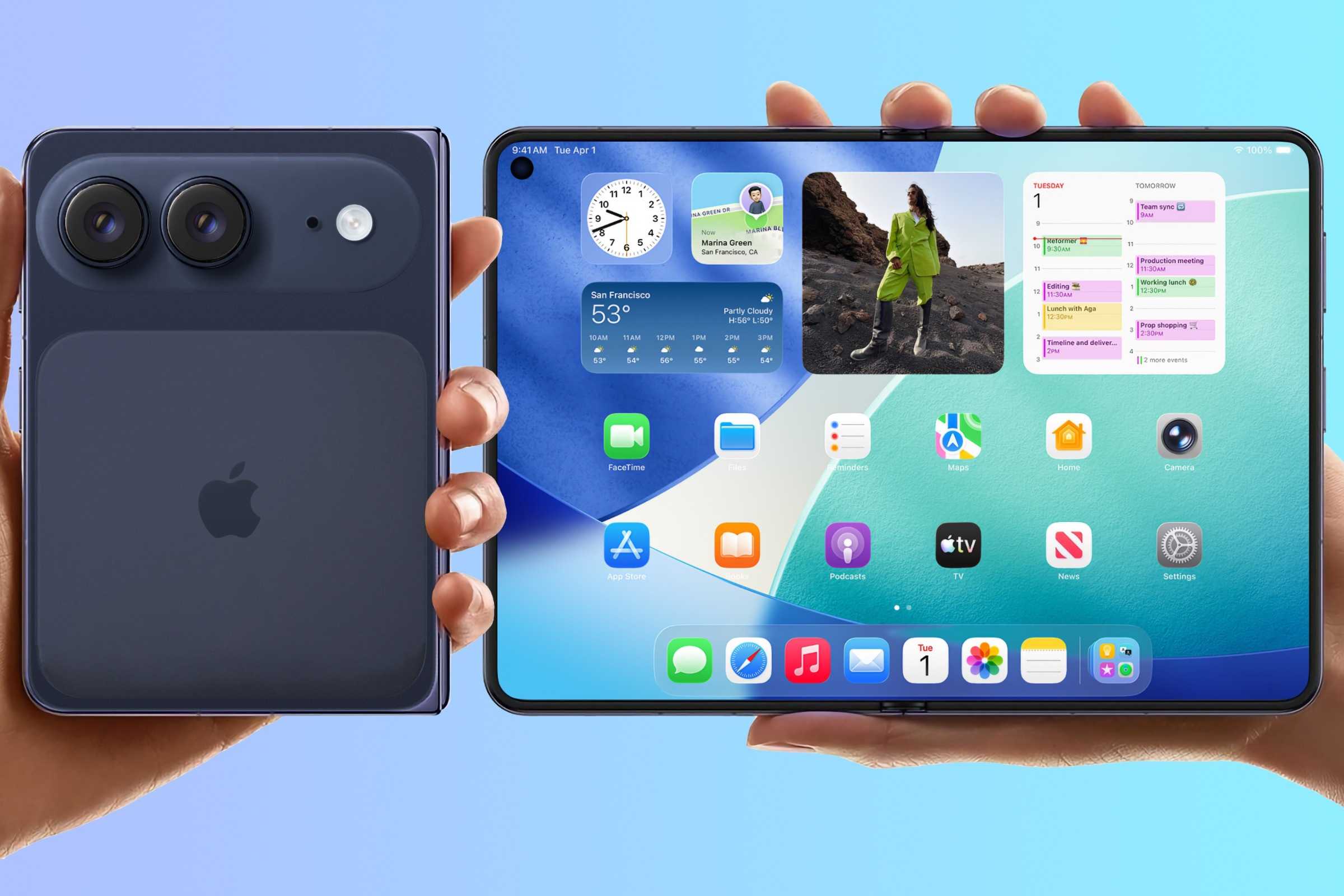
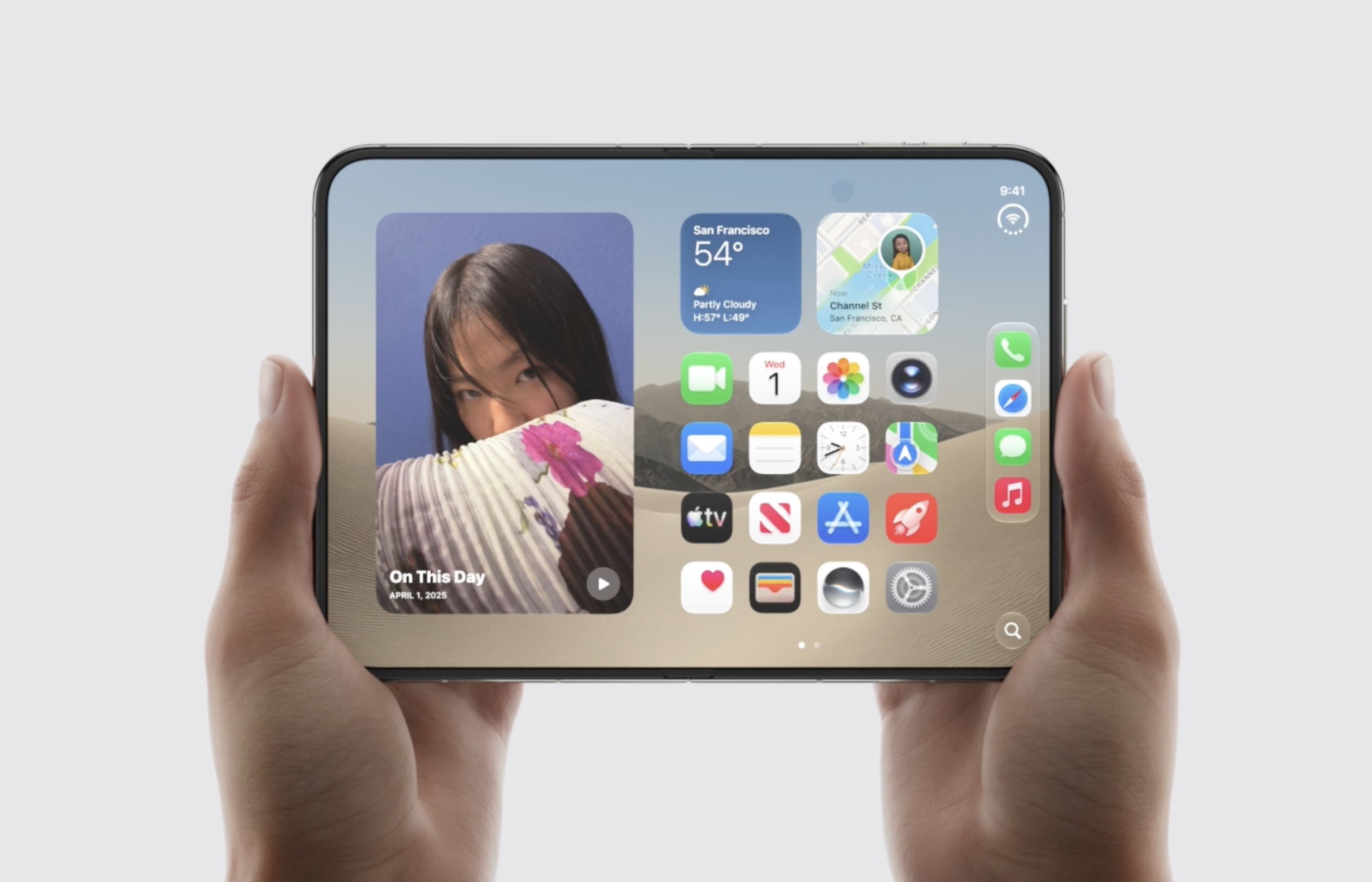
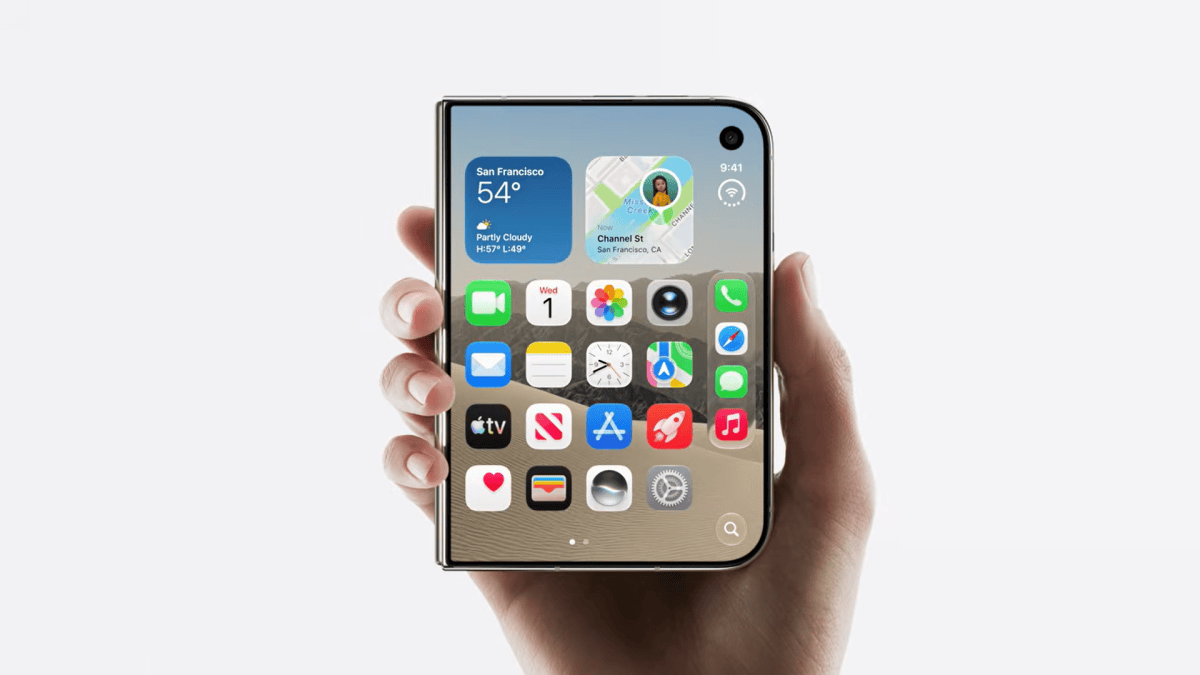
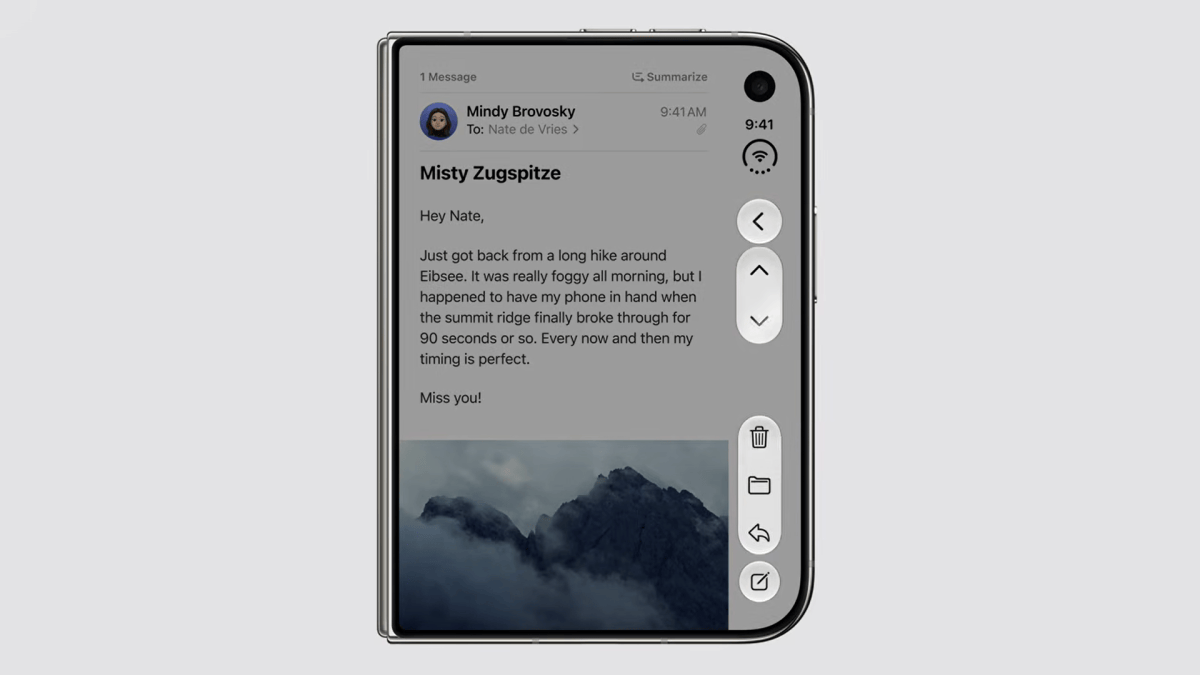
But that’s not all. To make the software better suited to the small, squarer 5.4-inch outer display, the bottom icon bar that you probably use for your most often-accessed apps has been shifted up to the right.
The same goes for in-app controls. Again, they’re now perfectly placed for the thumb on a right hand and may be almost impossible to use with one hand if you’re a lefty.
Apple
When coupled with the fact that the Duo is wider at 8.4cm (when closed) and considerably heavier at 254g than most foldable phones (for reference, the rival Galaxy Z Fold 8 is only 201g), it’ll be cumbersome for left-handed people to manage.
Apple does have an array of accessibility features, such as AssistiveTouch, Back Tap and a left-handed keyboard, which you could tinker with to make the Duo more intuitive to use. But it’ll never be as fluid an experience as using it right-handed.
A lack of symmetry
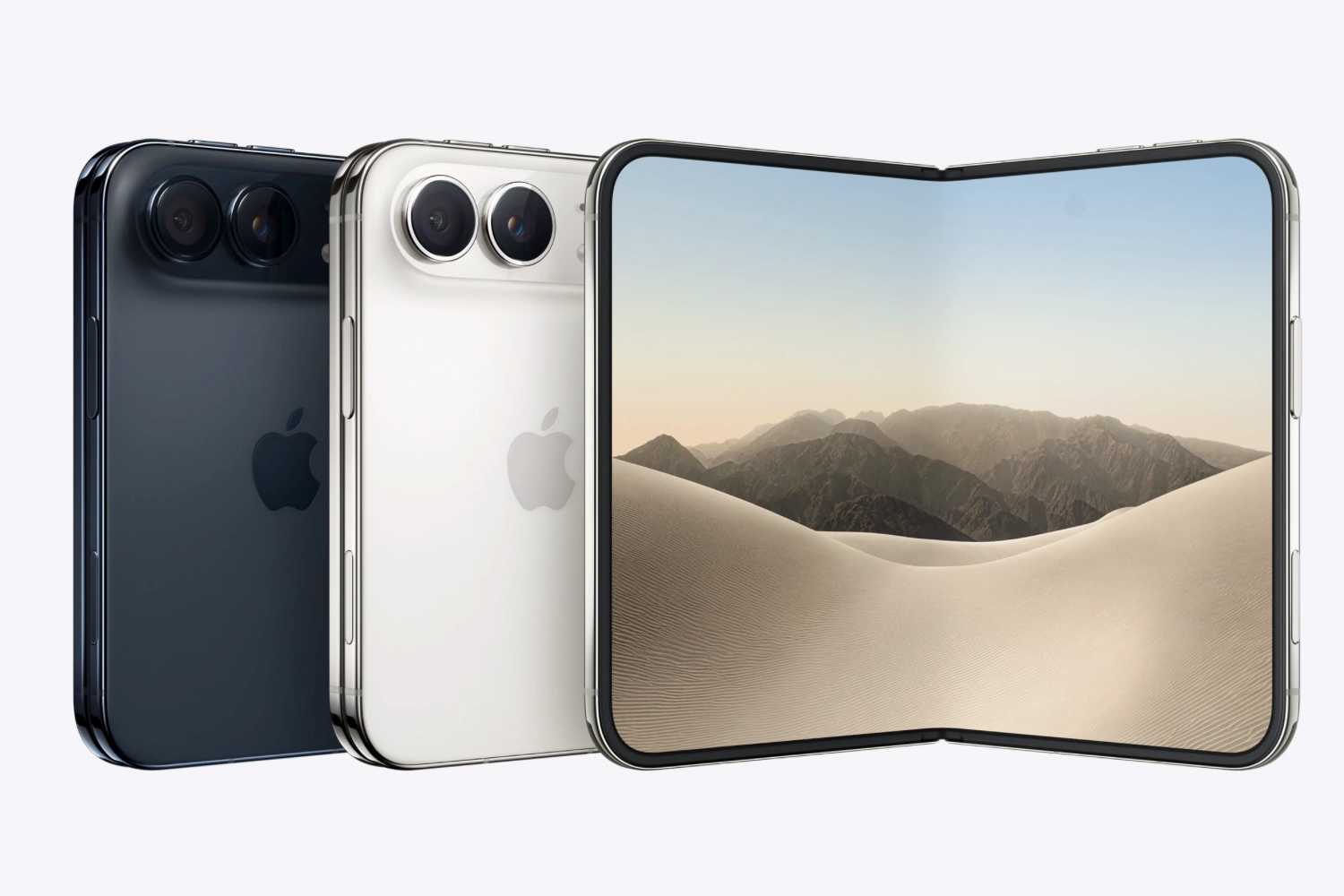
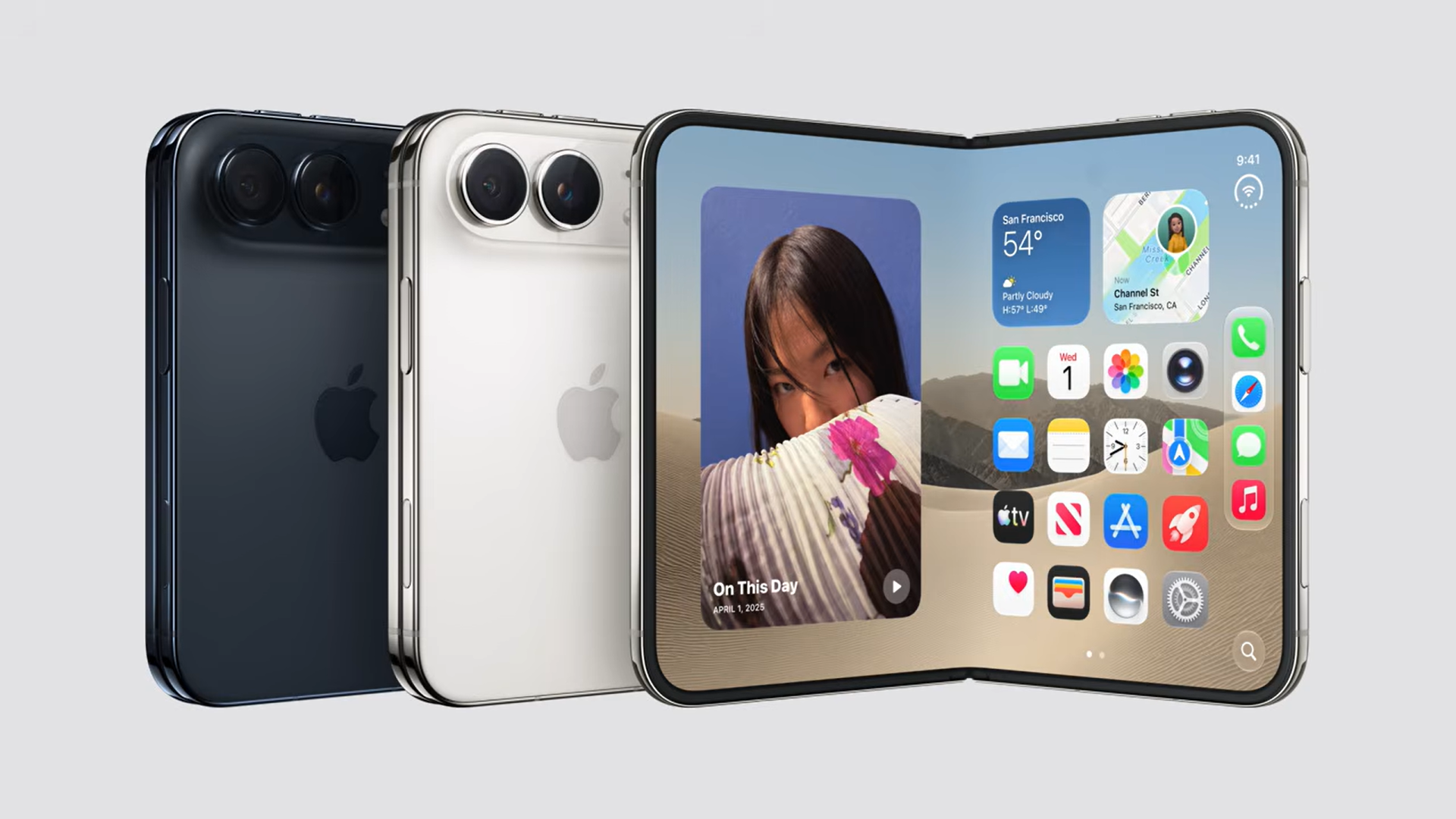
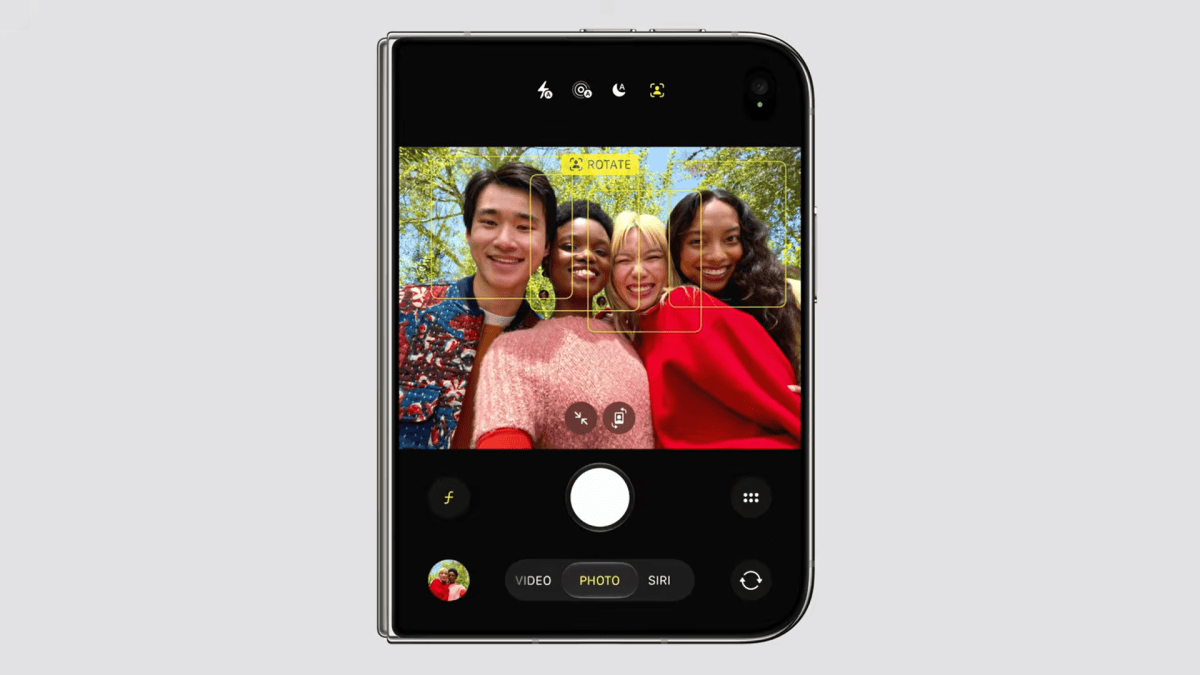
The Duo is pleasingly designed, with four rounded, iPhone-coded corners. Or, at least, that’s how it looks when it’s open. When closed, the left edge is flat, with two squared-off corners. The display covers the entire front of the phone, slim bezel aside, meaning that the screen is asymmetrical too.
Is that important? After all, there’s a whole inner display to enjoy, and that’s where the Duo comes into its own. It’s optimised for watching video and using apps side-by-side on the main display.
But a lot of phone use is about what’s quick and convenient, not what’s best. For many, if not most functions, you’ll likely wind up defaulting to the front display.
Apple
We are very, very used to symmetry in our devices. And even in images of the Duo when closed, the asymmetrical display draws attention to itself in a slightly distracting way. The more I look at it, the more I don’t love it.
Shorty but weighty
The fact that the Duo has an innovative design is one of the things I like best about it. That’s especially the case as 2026 has been a year of iterative phone design, with minute updates to most flagships across the board.
Phone design has converged across brands into something functional and minimal. It’s boring, but it has obvious advantages, and not only to manufacturers looking for a safe bet. It’s useful to consumers too.
Phone sizes and weights tend to be of a similar standard. That means we hold them in the same way, stick them in the same pockets and bags, and use them with the same chargers and accessories.
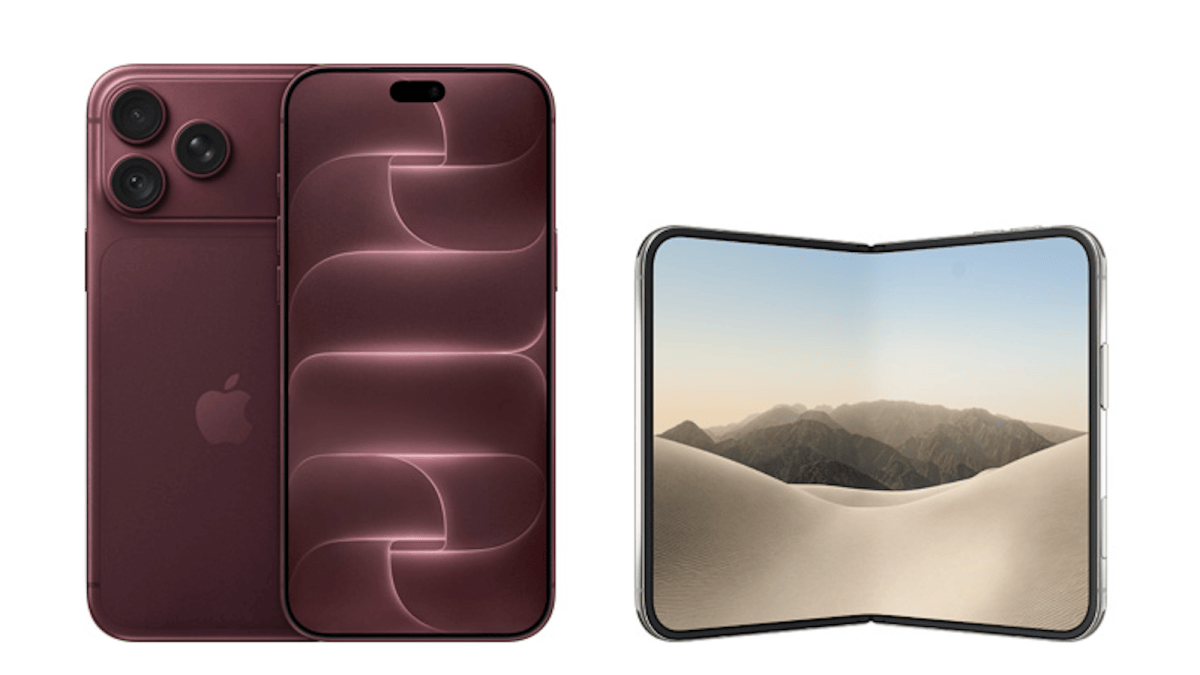
But the iPhone Duo is different. First off, it’s short. That’s one of the things that was most remarked on by people who were able to get a hands-on with the phone after Apple announced it. It’s only 11.8cm high – that’s not even as tall as the iPhone 13 mini (13.15cm)!
But not only is the Duo the shortest iPhone you can buy, it’s also the heaviest at 254g (yes, really).
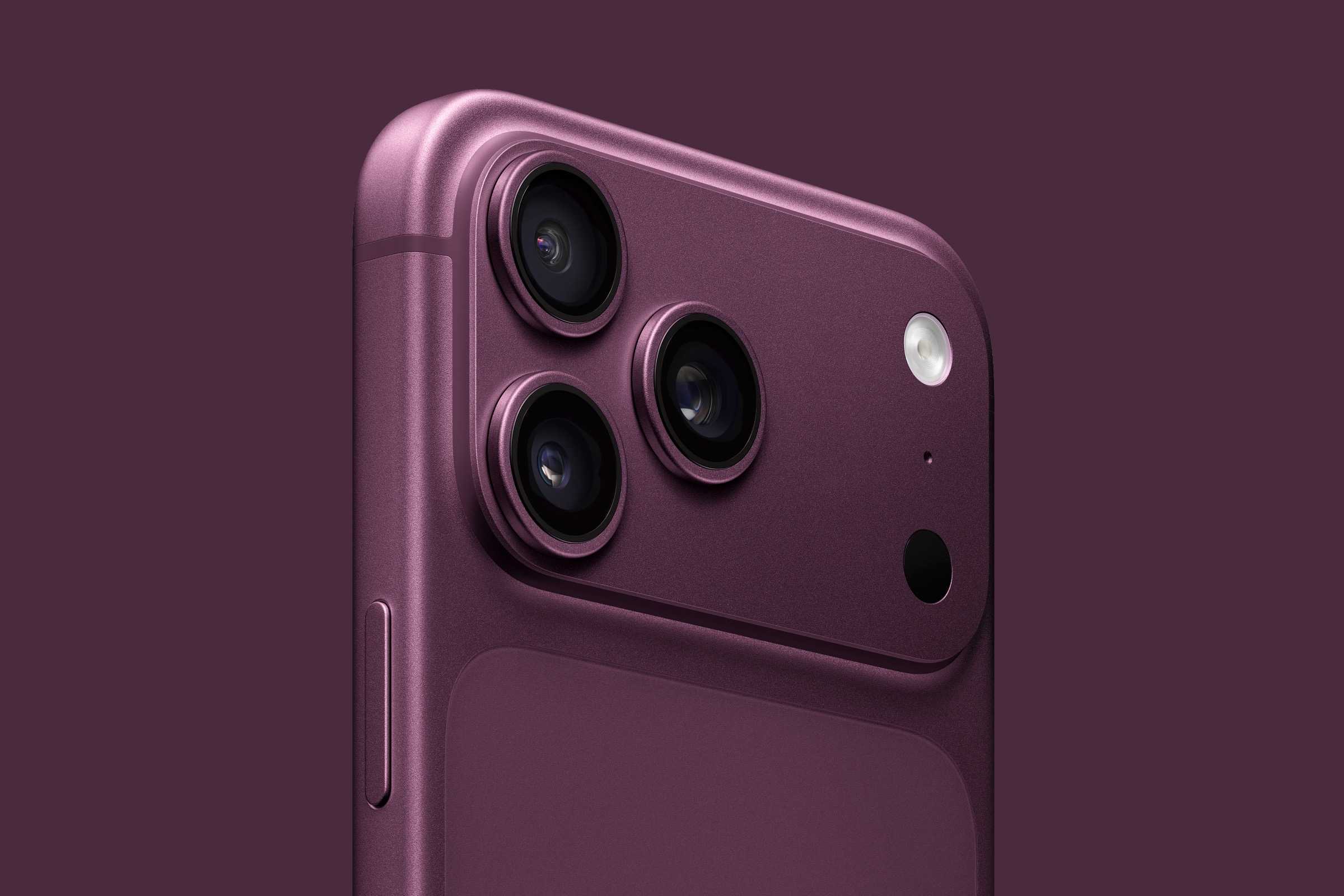
These changes mean it may not be compatible with any of your existing chargers, even though it does have MagSafe. If you’ve invested in a cool stand for your iPhone and Apple Watch, there’s more than a chance that the limited space below the camera plateau on the Duo’s back means it might not fit. And if it does, it may be too heavy to stick.
Then there are the differences in your hand. If you upgraded from an iPhone 16 Pro to an iPhone 17 Pro, you’d have barely noticed a change in the phone’s dimensions and weight (there’s a difference of 7g between generations, from 199g to 206g).
However, if you’re moving from a 17 Pro to the Duo, it’s a huge 48g difference. For most of us, that would take some getting used to.
Apple
But perhaps that’s an unfair comparison. Maybe you’re used to a weightier phone – the iPhone 17 Pro Max for example, which is 233g. In that case, what you’ll need to prepare for is a complete shift in the size.
Far from invisible
None of these quirks is necessarily a problem – if you’re right-handed, at least. But phones are such a ubiquitous part of our lives now that we only really notice them when there’s a problem.
As long as they’re functioning as intended, they might as well be invisible. But switch to the Duo and that won’t be the case.