Samsung Galaxy S26 FE overview: An upgrade in name only
At a glance
Expert’s Rating
Pros
- Newer SoC
- Nice colour options
- Great software features
- Lengthy support terms
Cons
- It’s basically the same as the S25 FE
- More expensive than before
- Downgraded USB port
Our Verdict
The Samsung Galaxy S26 FE is a decent phone, but with barely any upgrades over last year’s model and a higher price, it’s not a great value proposition. When the price drops, it might be more appealing, but right now you’ll get more for your money elsewhere.
Price When Reviewed
This value will show the geolocated pricing text for product undefined
Best Pricing Today
Price When Reviewed
$699
Best Prices Today: Samsung Galaxy S26 FE

Samsung’s affordable almost-flagship for 2026 has arrived; it’s time to get familiar with the Galaxy S26 FE. Aside from a raised camera bump and some new colours, the S26 FE looks almost identical to its predecessor. And when it comes to the internals, they’re quite familiar, too.
The only real upgrade this year is the chipset, and sadly, there’s a price hike to boot. Samsung is relying on its software perks to keep this phone appealing, but is that enough? I’ve been living with it as my main phone for a while to find out.
Design & Build
- Aluminium frame, glass back
- 193g
- IP68 rated
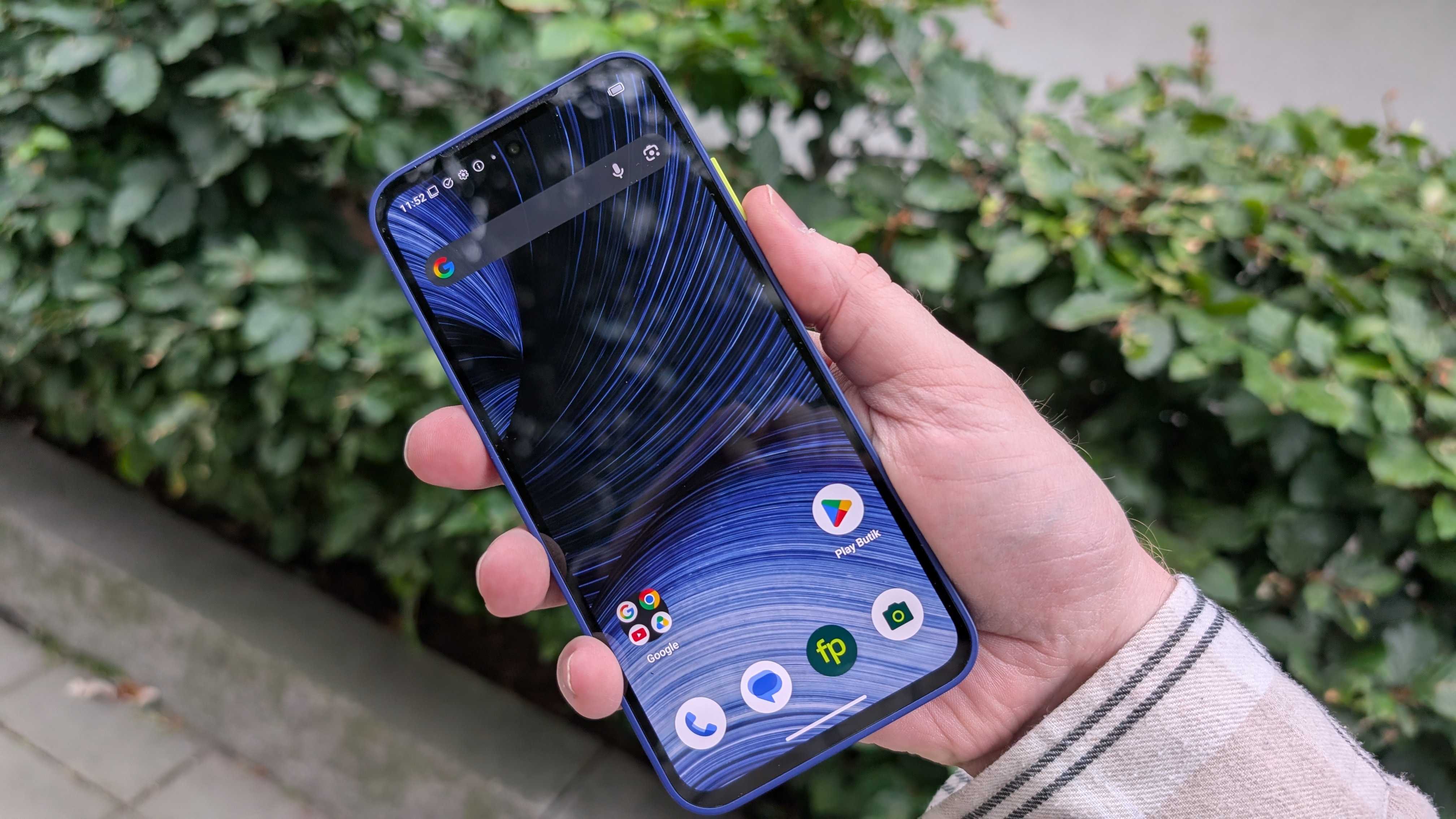
As mentioned in the introduction, the S26 FE doesn’t give us many surprises in the design department. It’s a very similar size and shape to its predecessor, with a flat front and rear, squared-off edges, and curvy corners. It’s almost identical to the Galaxy S26+, too.
Luke Baker
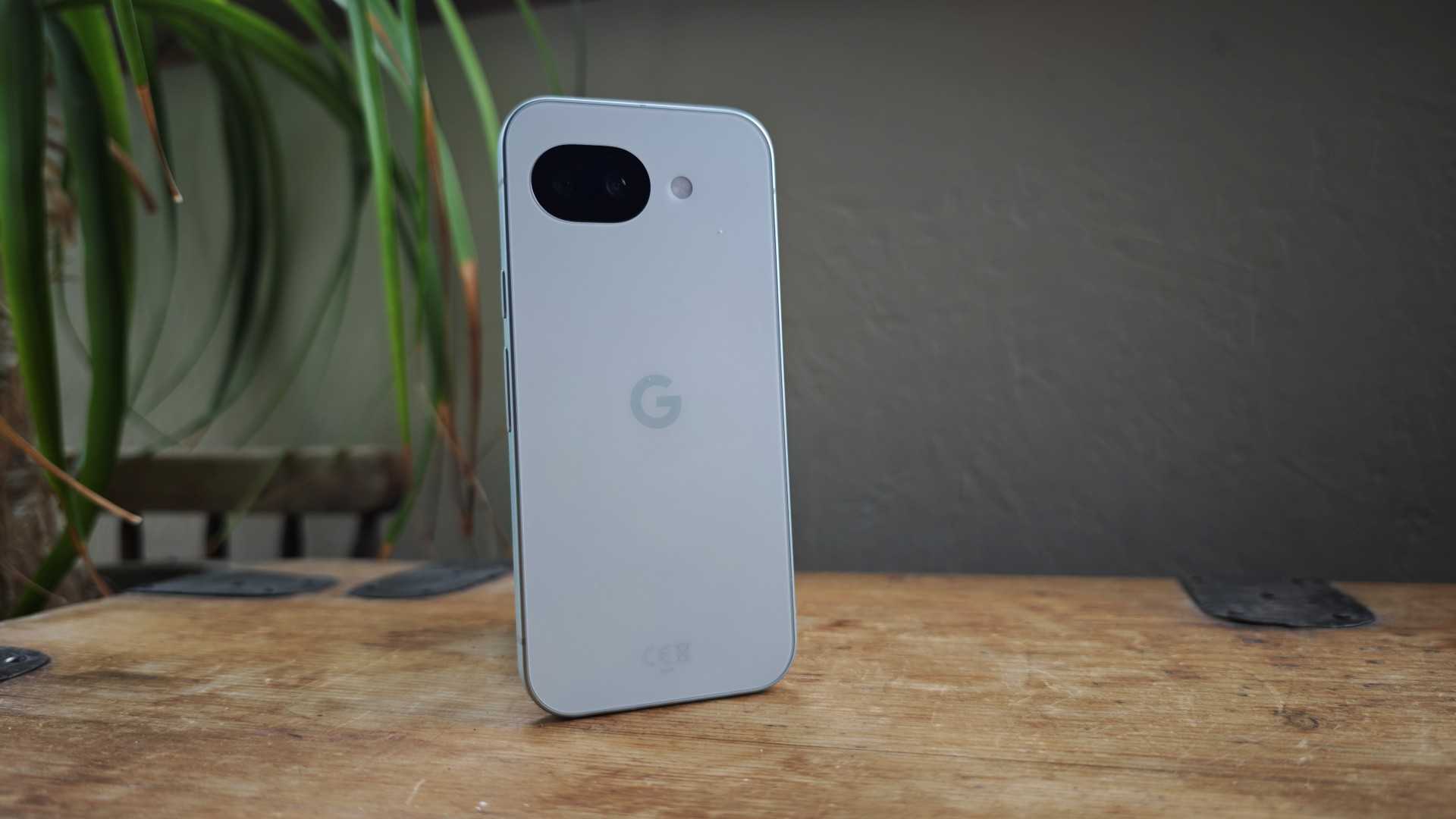
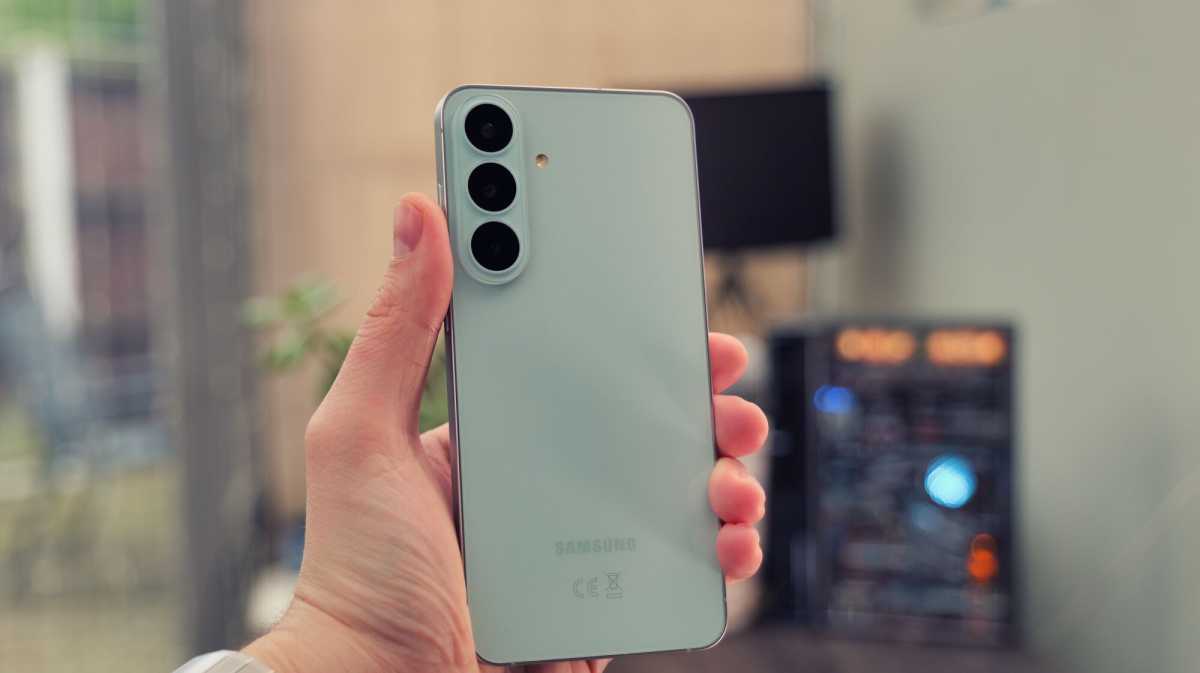
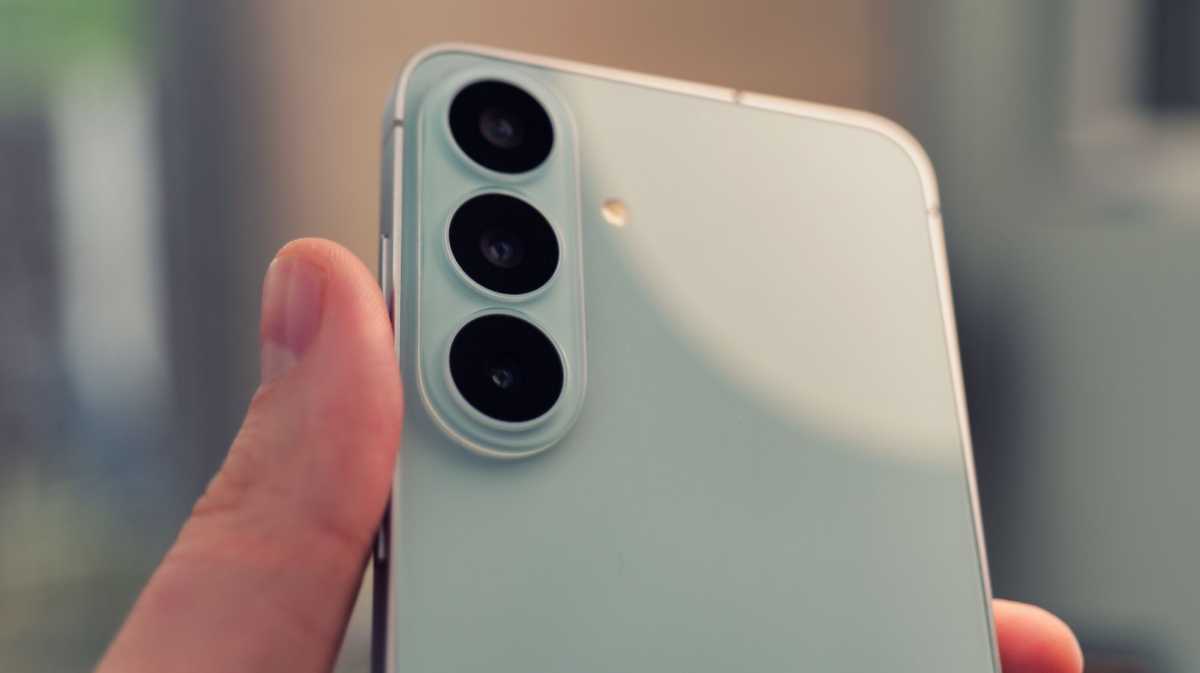
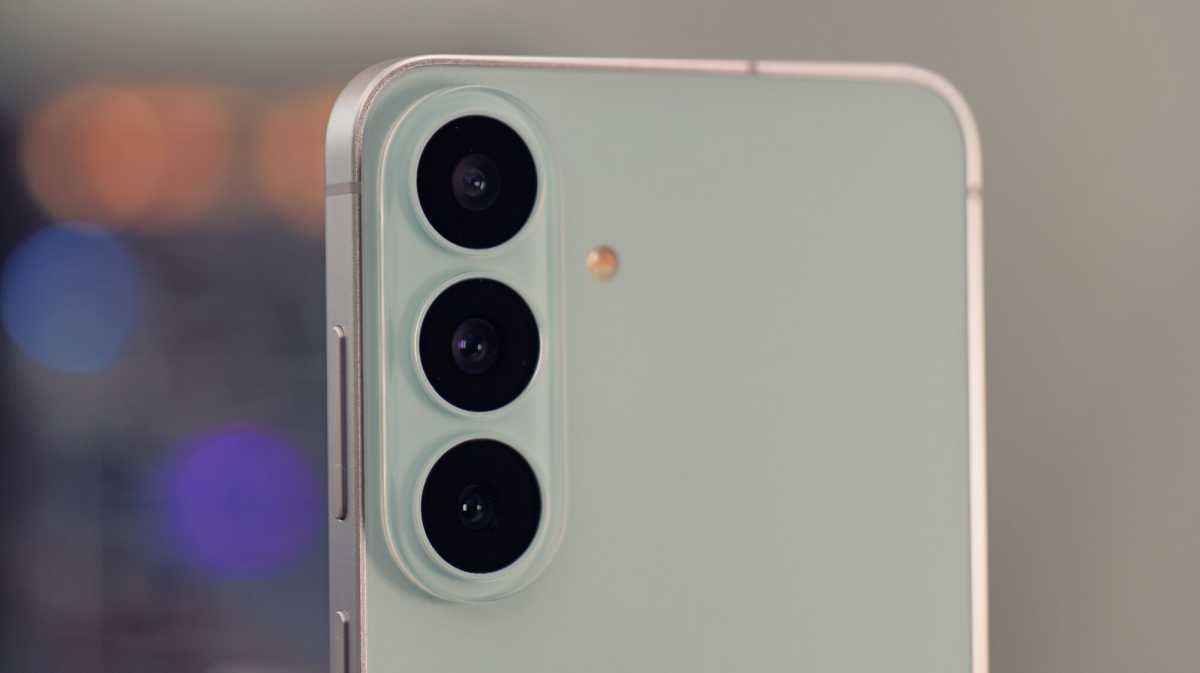
You get the usual traffic-light style camera arrangement that’s shared by almost all Samsung phones, only this time they’re on a little raised bump, more similar to the S26 and S26 Ultra. This version has a transparent-frosted finish, and the lenses don’t protrude from it at all, so there are minor differences if you’re looking closely.
I could use the S26 FE all day long without any fatigue.
The rear is made from Gorilla Glass Victus+, with a glossy finish that looks lovely, but it’s a bit of a smudge magnet (especially on the darker coloured models). The phone is available in three new colours: Graphite, Blueberry, and Pistachio. Each has a contrasting matte aluminium frame.
Luke Baker
I have the Pistachio model in for testing, and it’s my favourite of the three, although they all have their charms. There are no Samsung store-exclusive options for this launch; all colours should be available wherever you choose to buy your phones.
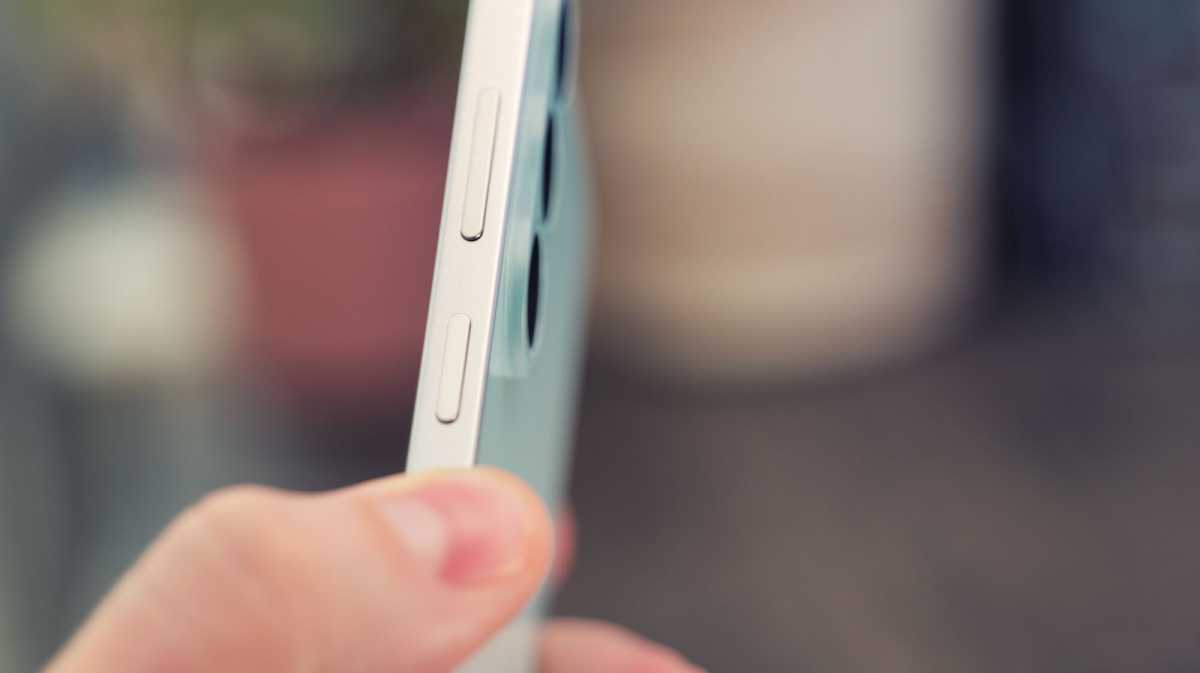
It’s quite a sizable handset, but it’s fairly slim and not too weighty, so most users should get along with it just fine. You may not be able to reach the top of the screen easily, but I could use the S26 FE all day long without any fatigue.
Luke Baker
Otherwise, there’s not a lot to report. The phone is still IP68-rated, and there’s still no case or screen protector included in the box.
The under-display fingerprint scanner is still a perfectly adequate, yet underwhelming, optical unit. It’s a real shame we still don’t get the superior ultrasonic sensors that you’ll find on all three S26 flagships.
Screen & Speakers
- 6.7-inch 120Hz 1080 x 2340 OLED
- Gorilla Glass Victus+
- Stereo speakers
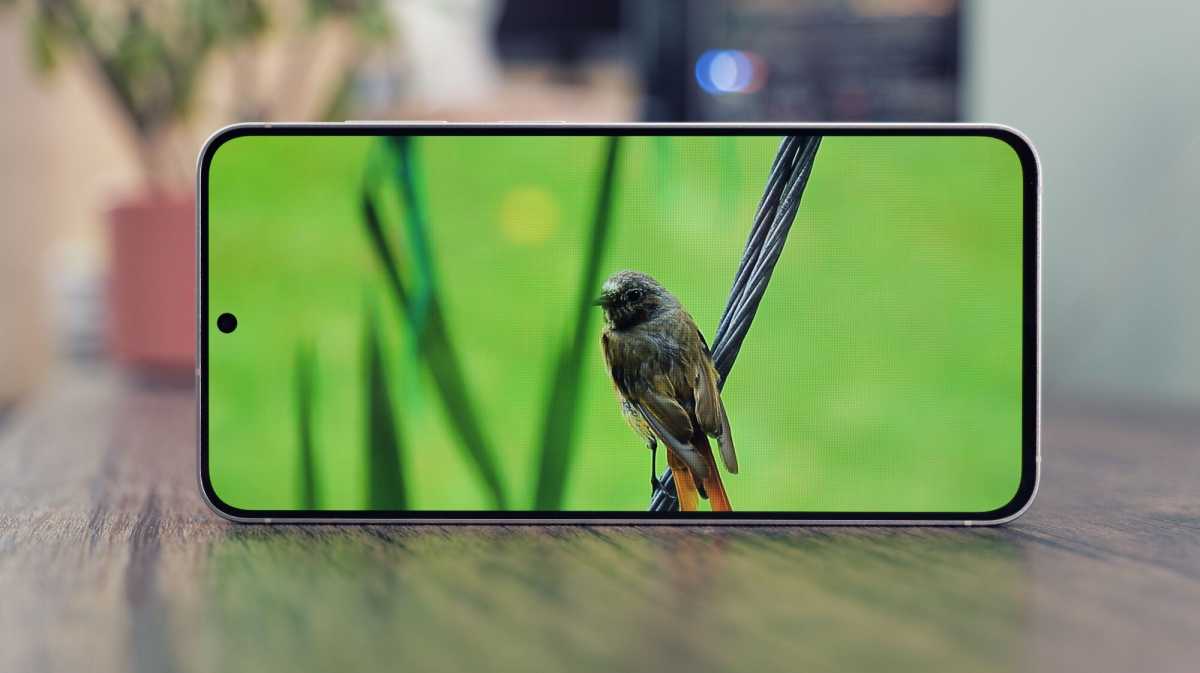
The screen and speakers – you guessed it – are unchanged. You still get a 6.7-inch 120Hz OLED panel with a peak brightness of 1900 nits.
It’s a good screen, as you’d expect from Samsung, but there’s nothing particularly exciting about it. It’s bright enough for most occasions, the colours seem accurate (although it’s only an 8-bit panel), and the 120Hz refresh rate makes scrolling feel very smooth.
Luke Baker
What bothers me is the bezel. It’s relatively slim, but the bottom edge is slightly bigger than the other three, so it has a rather unsightly chin. It really cheapens the look. Even the CMF Phone 2 Pro, which launched at about a third of the price of the S26 FE, had symmetrical bezels – why can’t Samsung manage the same?
While there’s nothing new with the speakers, they’re still very impressive. They’re powerful, they don’t distort much at high volume, and they do a decent job of projecting a stereo soundstage. As with most phone speakers, the bass is a little lacking, but for watching videos or playing games at home, they get the job done nicely.
Specs & Performance
- Exynos 2500
- 8GB RAM
- 128GB / 256GB / 512GB storage
The one real upgrade this generation is the SoC. We’ve jumped from the 4nm Exynos 2400 to the 3nm Exynos 2500, which should offer some gains in both performance and efficiency. It’s still a generation behind the base-model flagship S26, though, which uses the 2nm Exynos 2600 (at least in the UK).
Luke Baker
This chip is paired with 8GB of RAM and either 128GB, 256GB, or 512GB of storage. I have the base model with 128GB in for testing. It’s pretty stingy, considering all the mainline flagships now start at 256GB, and after installing a couple of my favourite games, I was almost running out of space.
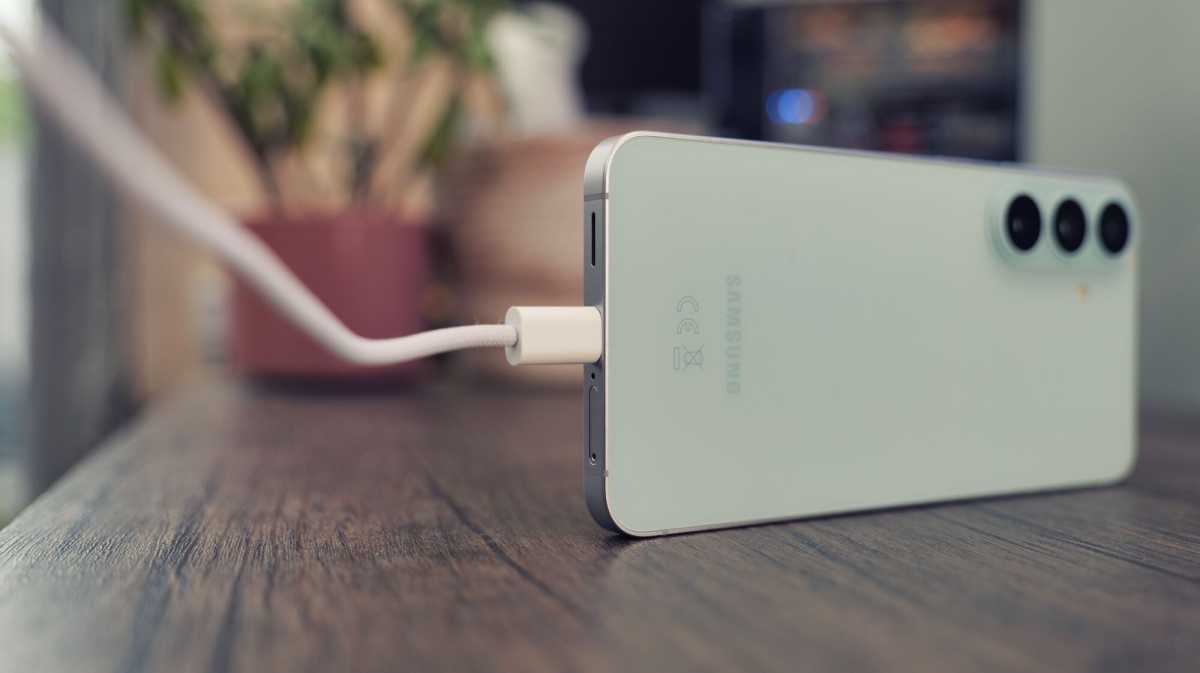
the USB port has been quietly downgraded this year… for some, it’ll be a true dealbreaker
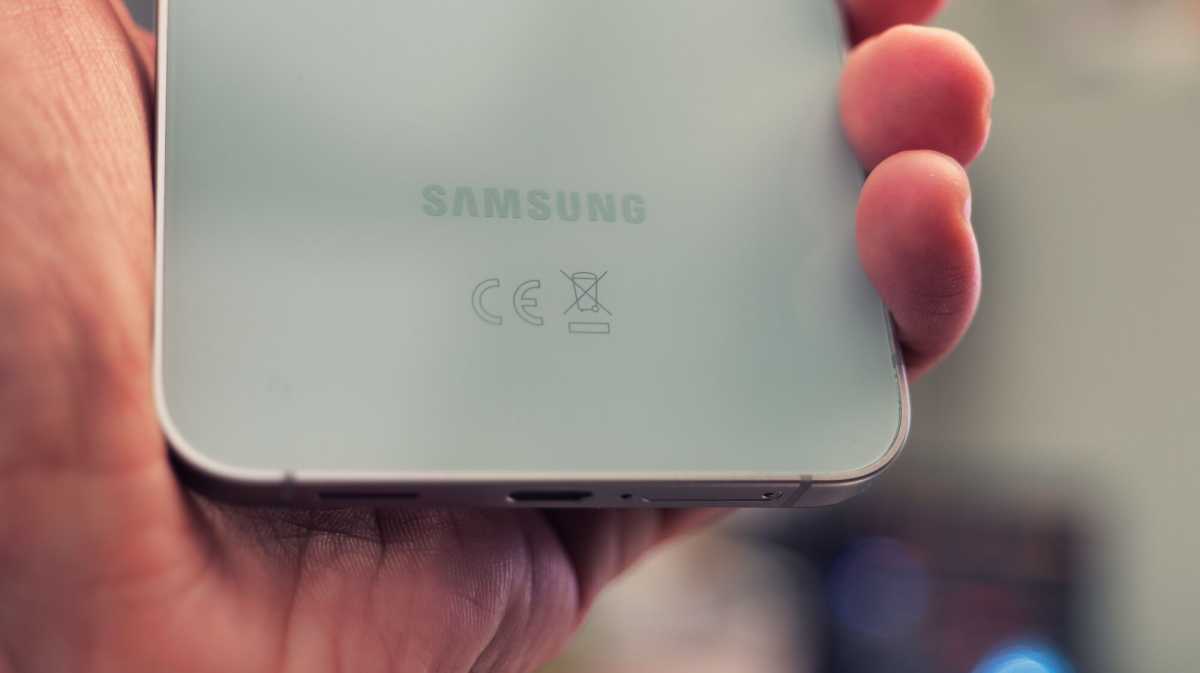
Another thing that’s worth mentioning is that the USB port has been quietly downgraded this year. It’s now USB 2.0, rather than 3.2. This means wired data transfers are significantly slower, and there’s no wired DeX mode. Many won’t even notice, but for some, it’ll be a true dealbreaker.
In daily use, the S26 FE performs just fine. I noticed a few animation stutters when I was first setting the phone up, but that was likely due to lots of updates happening in the background, and performance steadily got better as the days went by.
Luke Baker
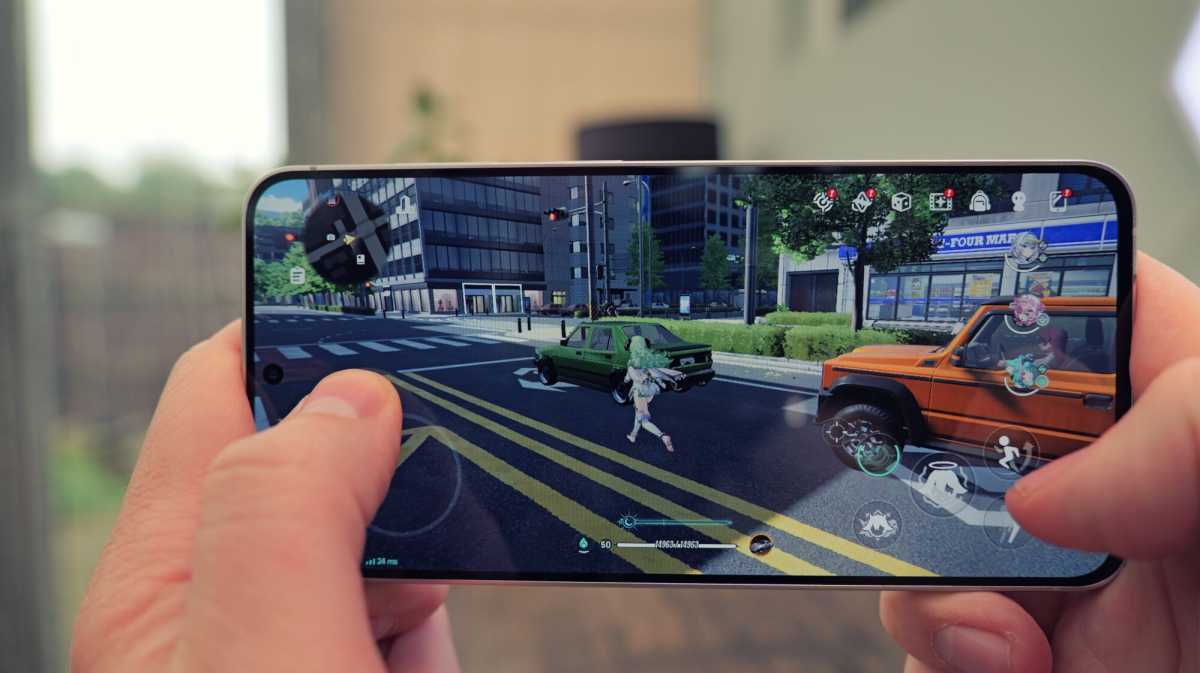
For all your basic needs like scrolling social media, checking email, and watching videos, this chip gets the job done fine. If you’re a keen gamer, though, you might find it lacking. Heavily optimised titles like COD Mobile run great, but more challenging games, like NTE, require lower graphics presets, and you’ll have to settle for 30 fps gameplay.
On the plus side, while the phone gets warm, it never gets too uncomfortable in the hand. Really, it all depends on what you want from your phone; it nails the basics, but it’s not on the same level as Snapdragon-powered rivals – or the newer Exynos 2600 in the S26.
Samsung Galaxy S26 FE benchmarks
- Geekbench 6 single core: 2083
- Geekbench 6 multicore: 7633
- Wild Life Extreme Score: 5412
- Wild Life Extreme Frame Rate: 32.41fps
- Wild Life Extreme Stress Test: 59.5% stability
- PCMark 3.1 for Android battery test: 12 h 23 min
- Charging with the supplied charger in 15 minutes: 36%
- Charging with the supplied charger in 30 minutes: 64%
Cameras
- 50Mp main sensor
- 12Mp ultrawide
- 8Mp 3x telephoto
- 12Mp selfie camera
Samsung doesn’t offer up any surprises in the camera department. The S26 FE has the same 50Mp 1/1.56-inch main sensor as last year (undoubtedly the star of the show), along with a less impressive 12Mp fixed-focus ultrawide and an 8Mp telephoto with a tiny 1/4.4-inch sensor.
Luke Baker
On the front, there’s a 12Mp punch-hole selfie camera, but unlike the mainline S26 models, this one doesn’t have autofocus. That said, it does have a wider FOV than last year’s model, so you’ll be able to fit more people, or more of your surroundings, into the frame.
the cameras are highly dependable in good lighting conditions
Photos from this phone have Samsung’s signature look to them. They’re vibrant, but not too vibrant, with high dynamic range, and they’re very sharp. Colours seem quite accurate across the board, and the cameras are highly dependable in good lighting conditions.
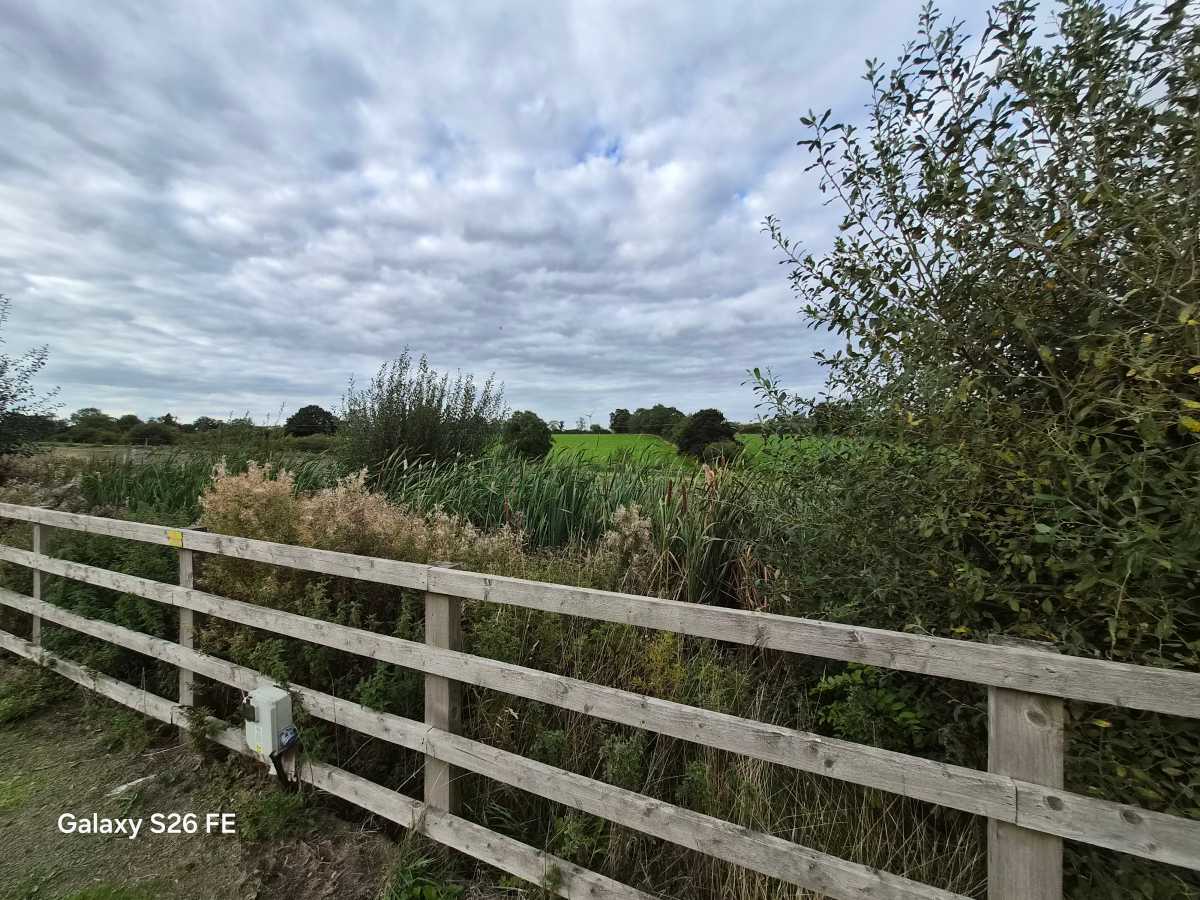


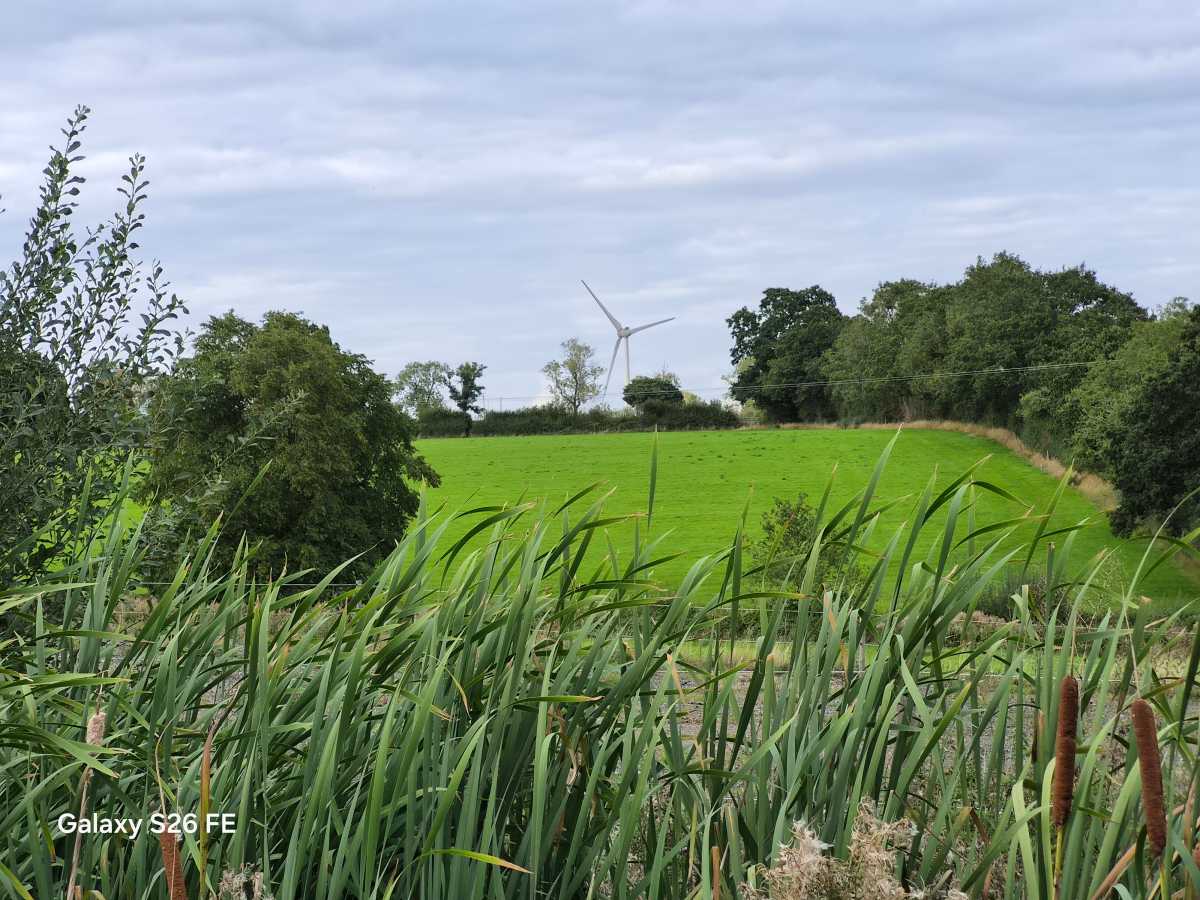
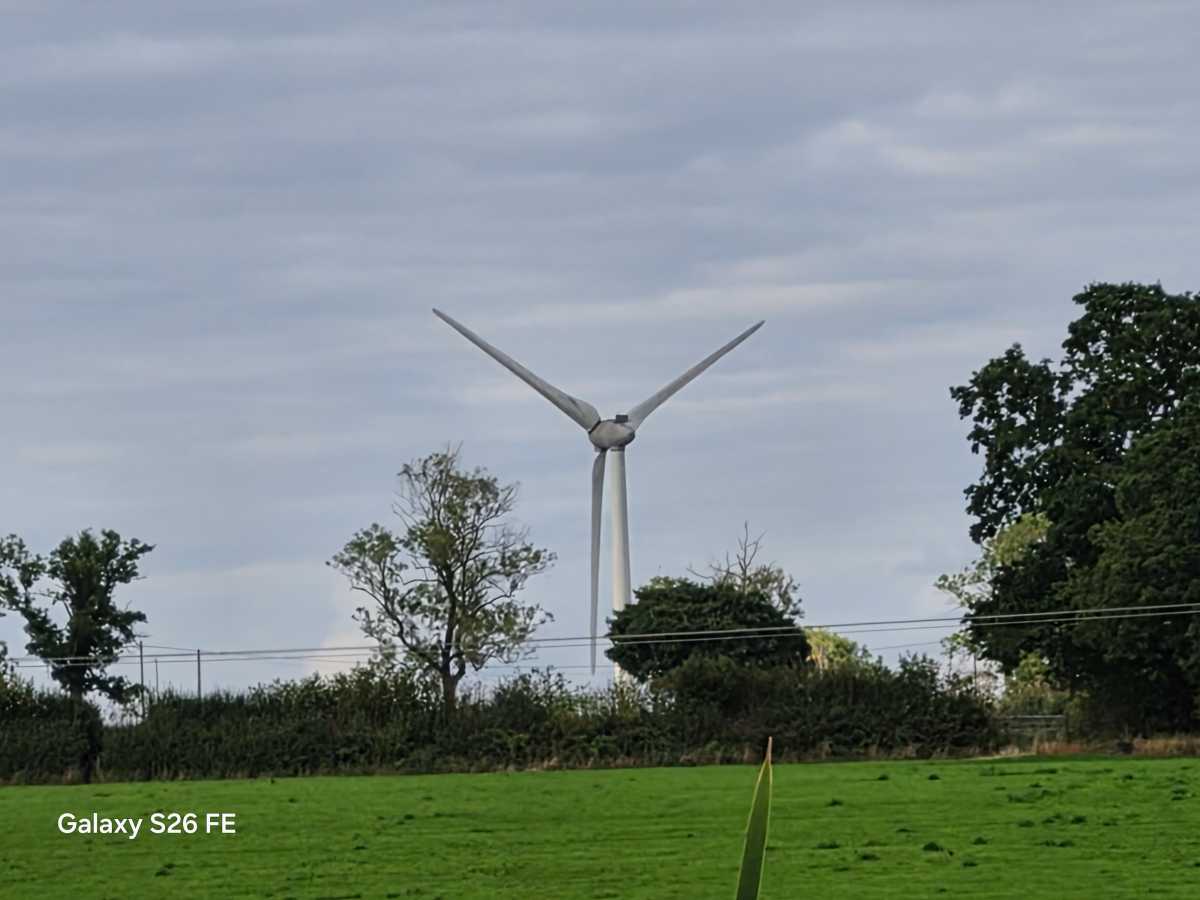
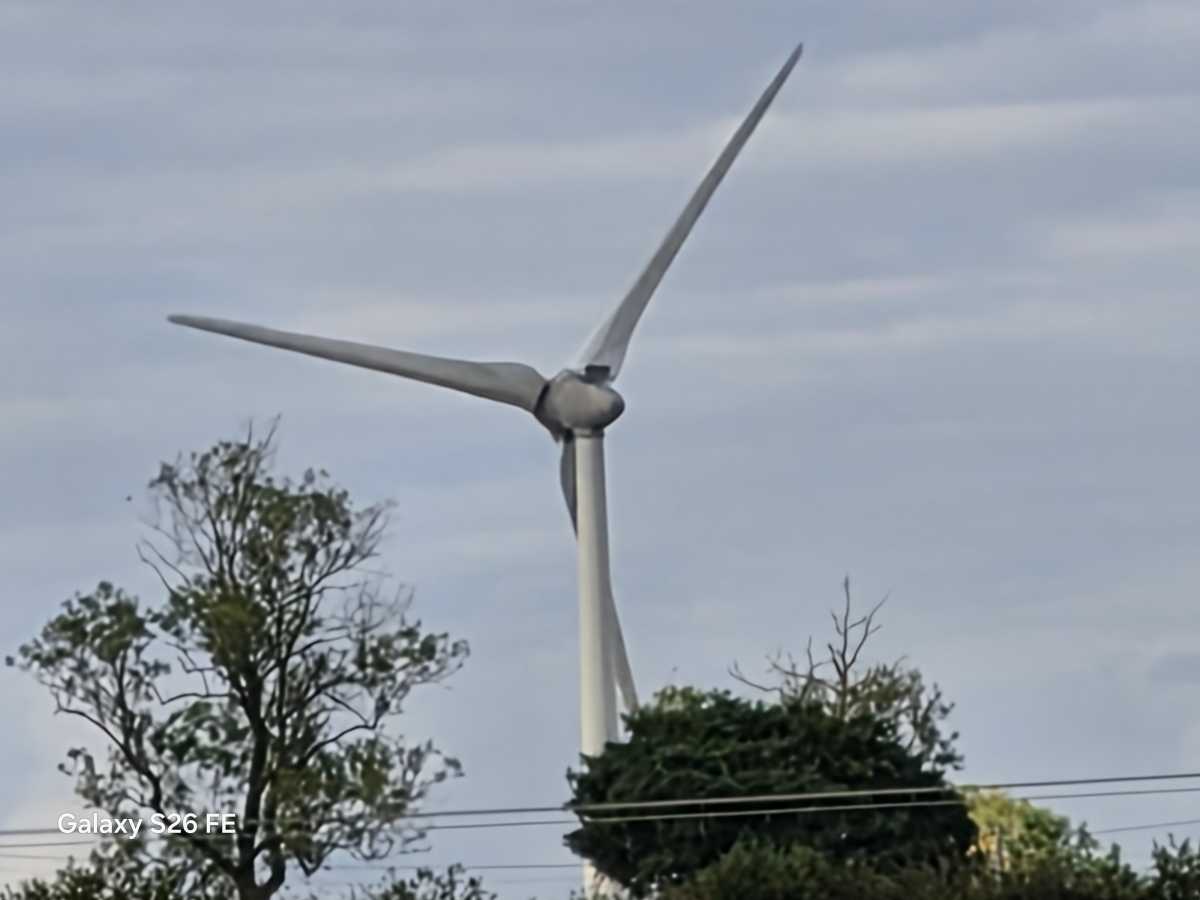
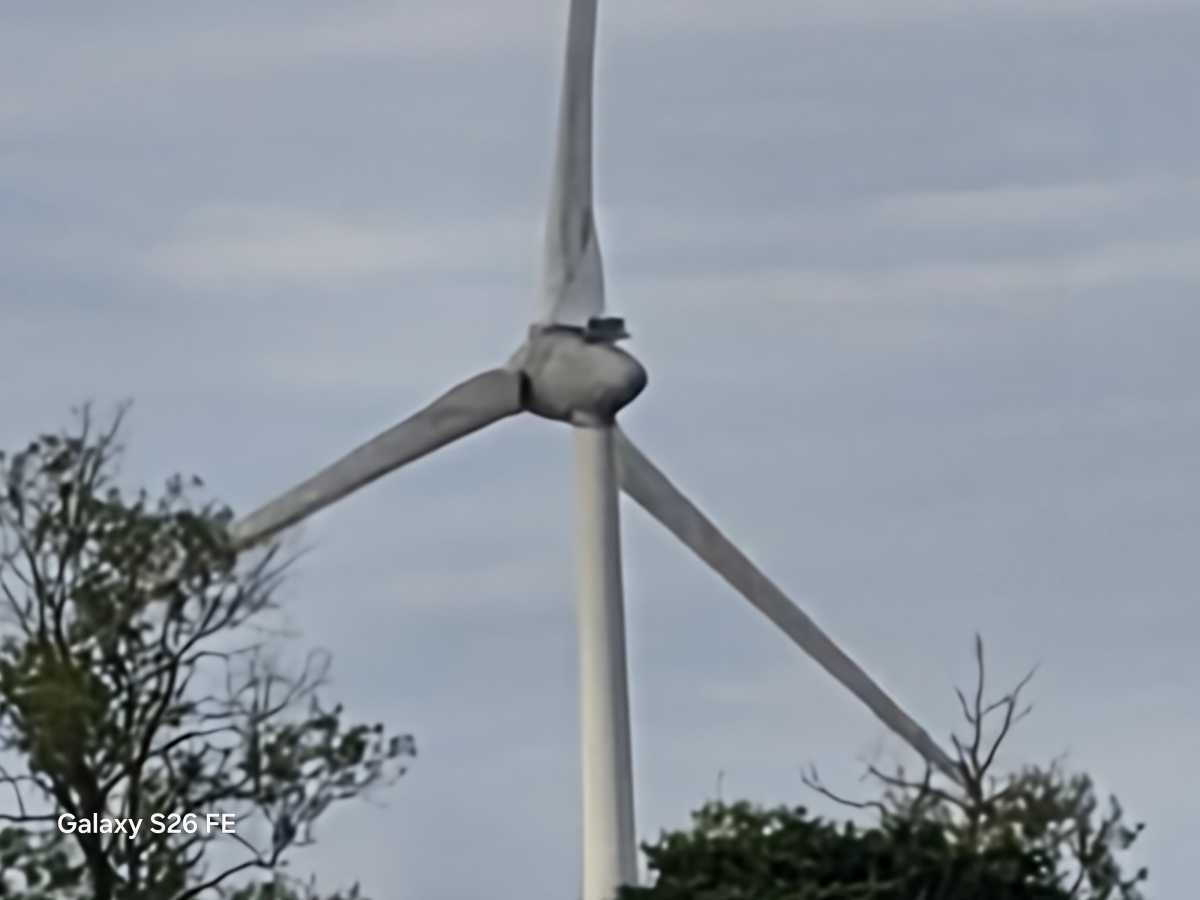


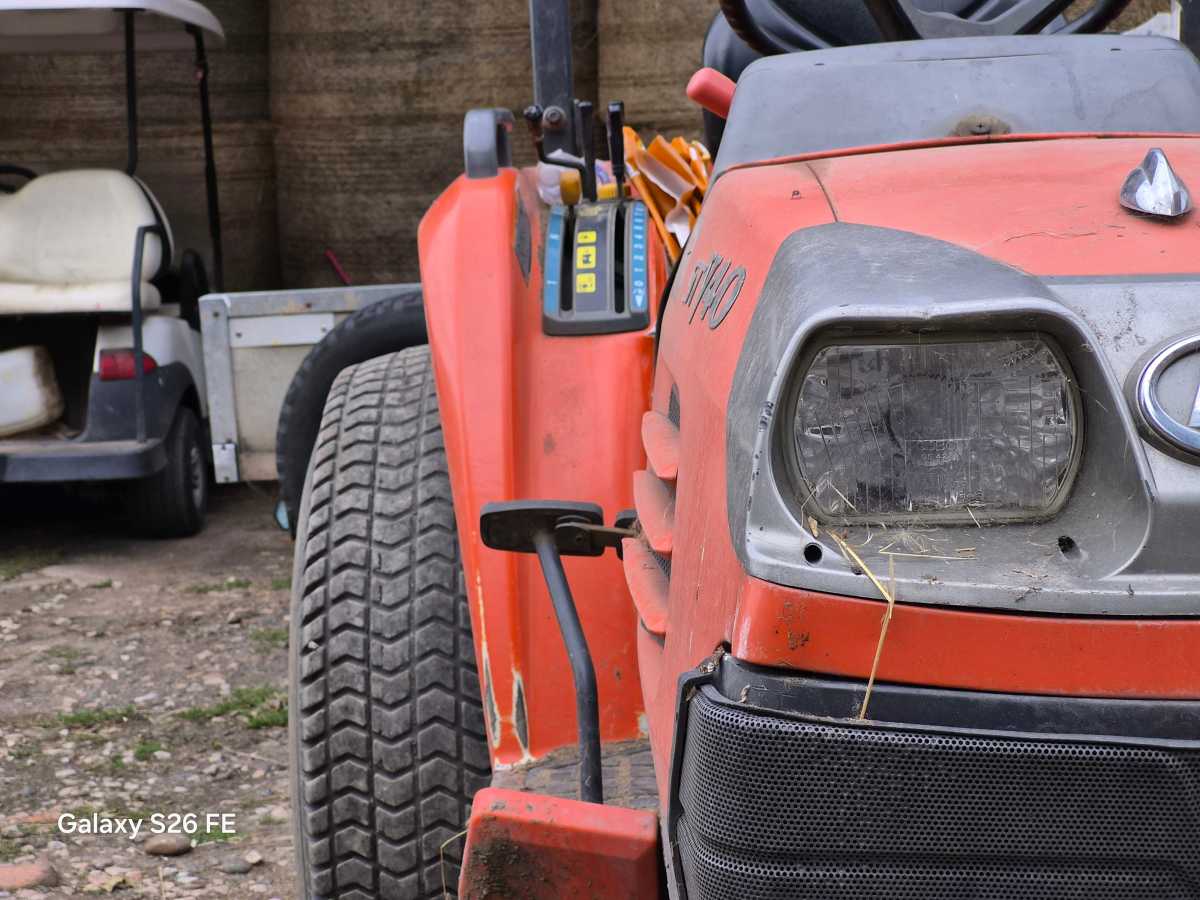


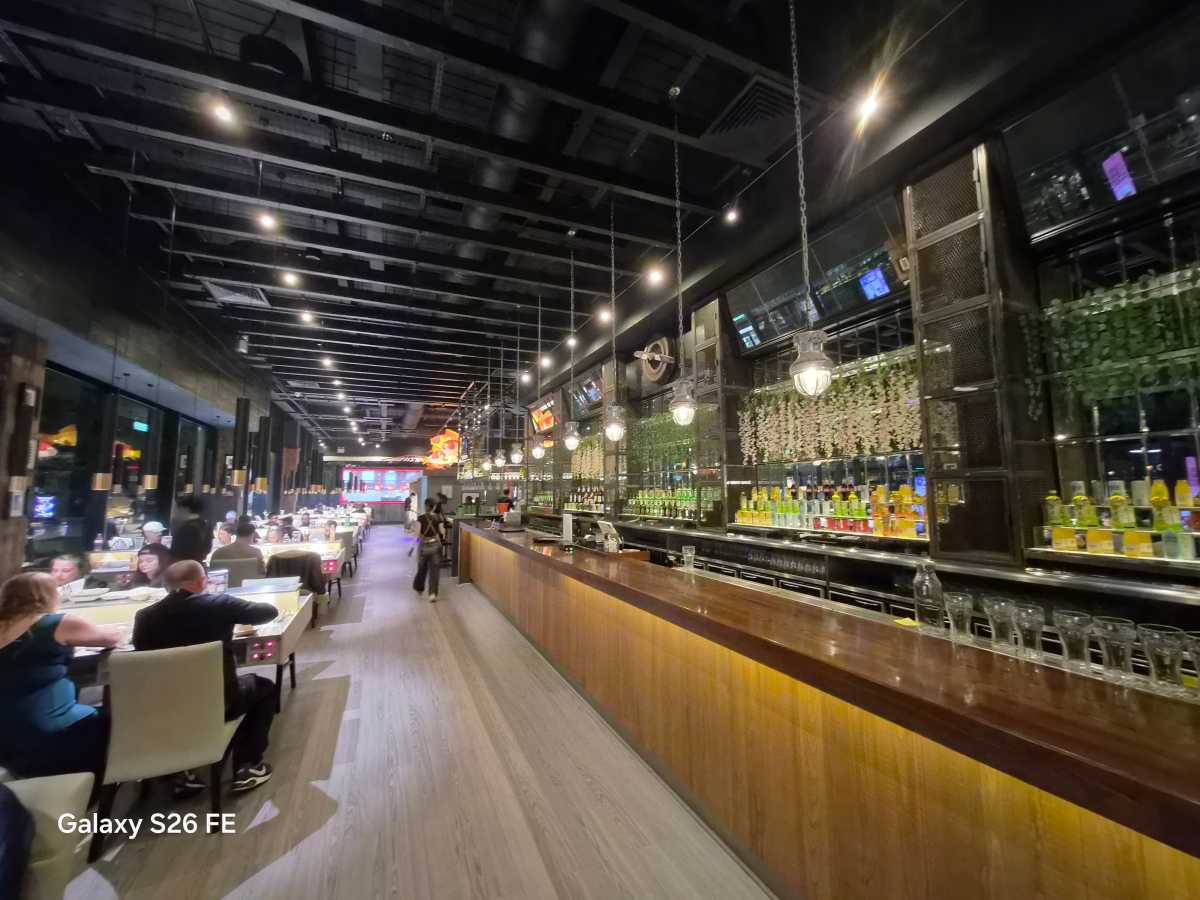
At night, the main camera does a solid job, but the other lenses are lacking. Both the ultrawide and telephoto produce grainy shots that look a bit washed out and lifeless. Night mode helps, but there’s only so much you can do with these tiny sensors.
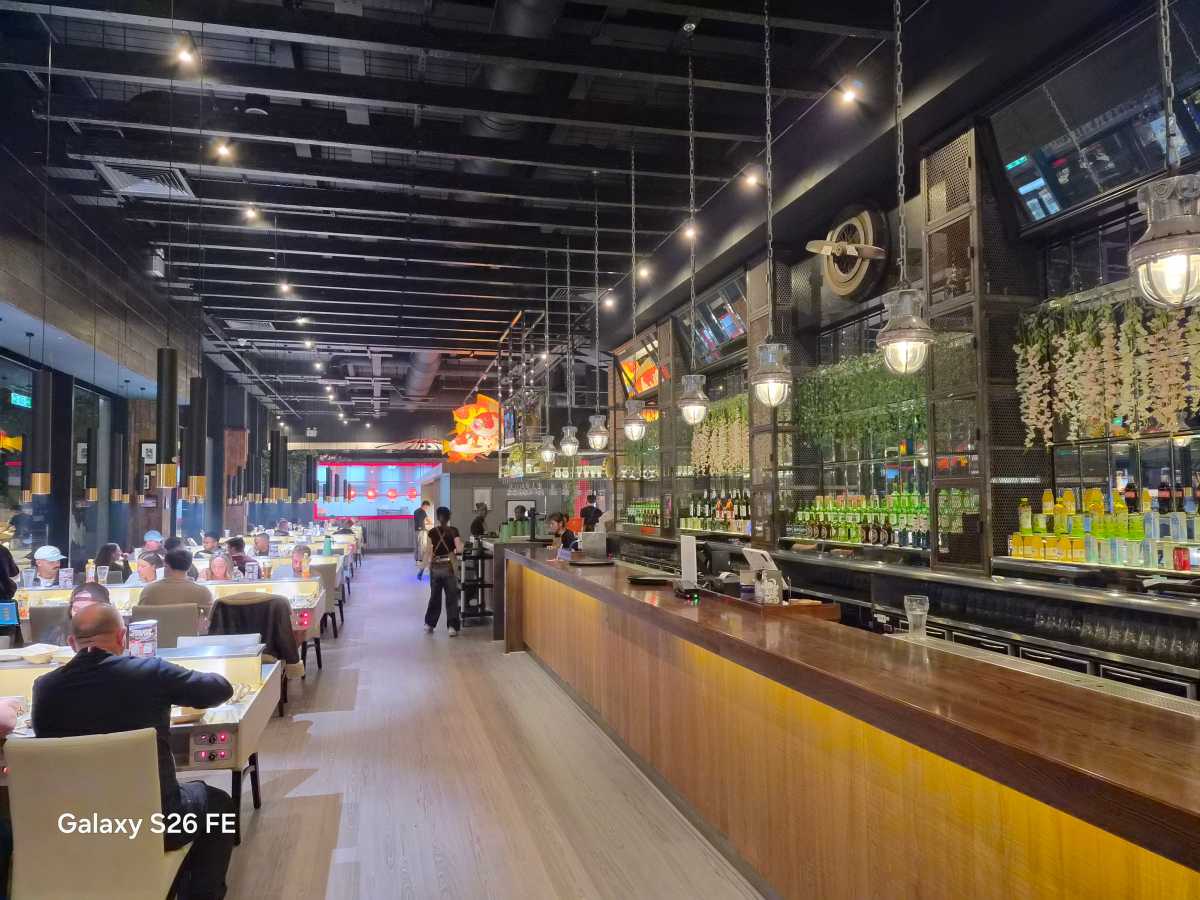

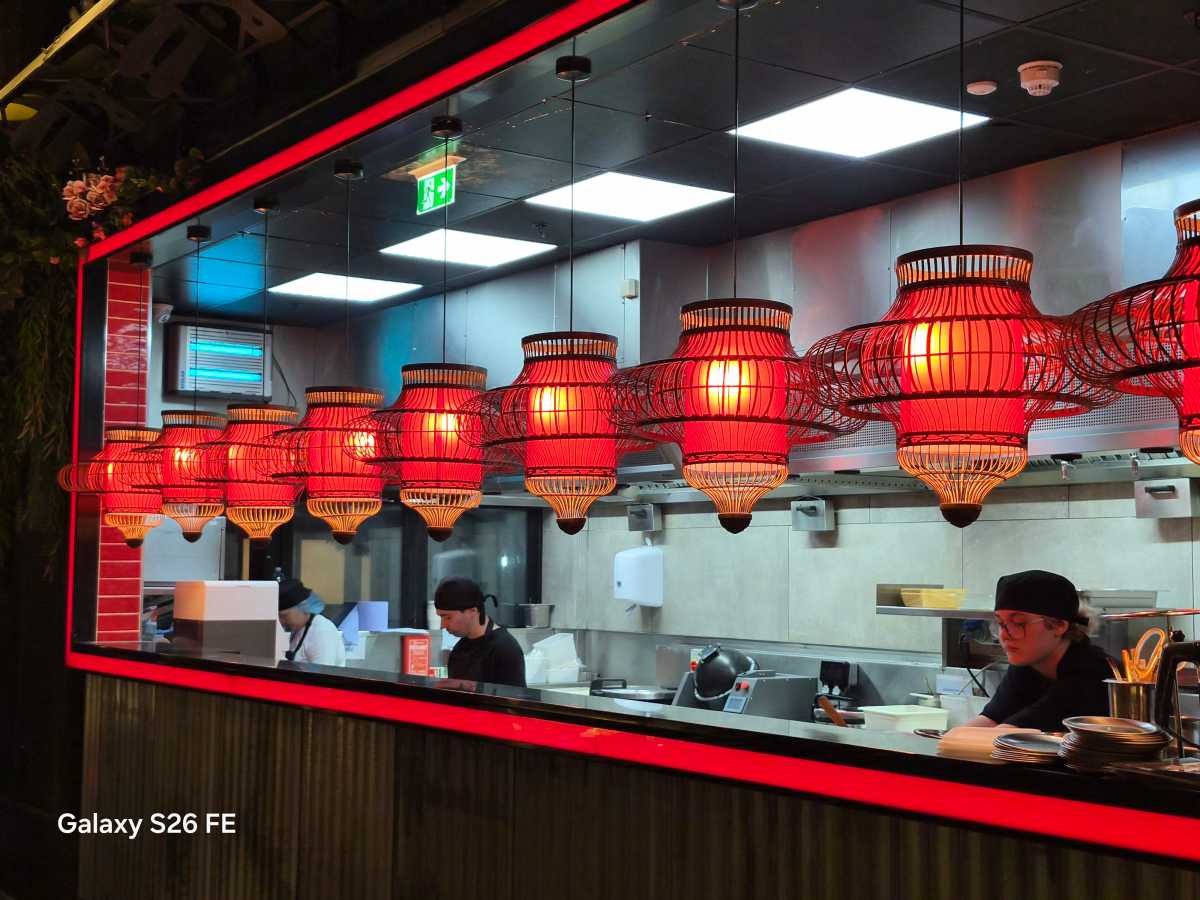

As for the selfie camera, it’s decent enough, but it’s not going to shock you. The lack of autofocus means it’s not the best for group photos; you need to stand in the sweet spot to get perfectly sharp images. When you do, you can get some good shots, and as ever, Samsung’s portrait mode cutouts are pretty great.
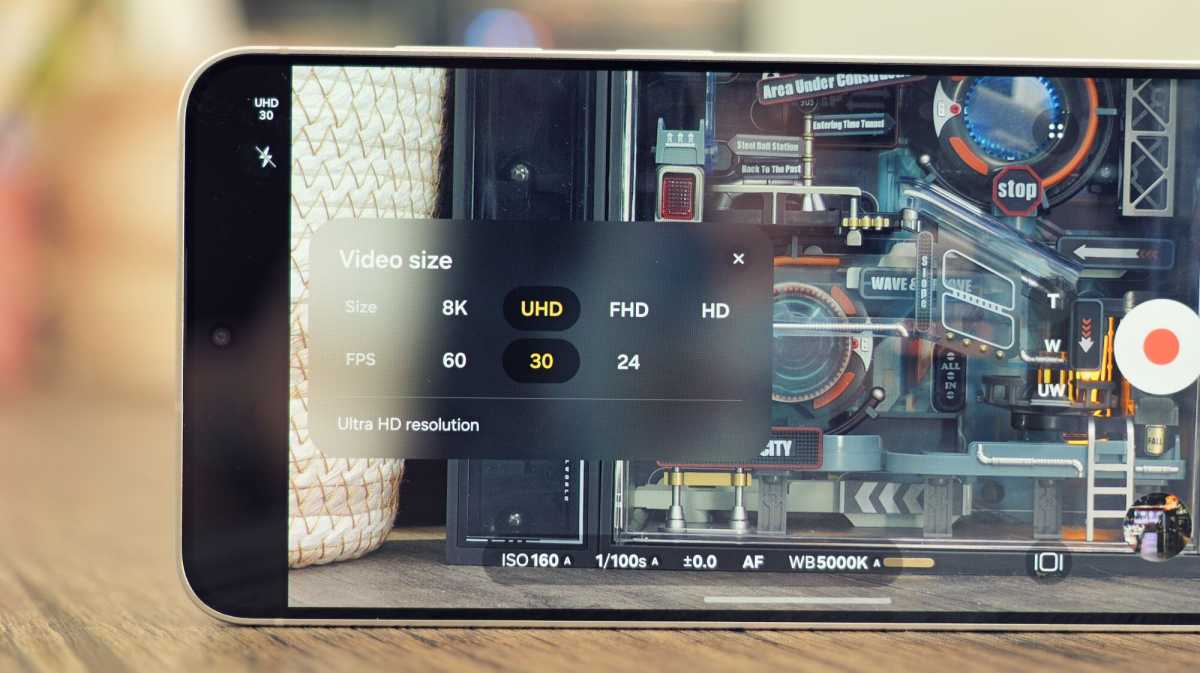
For video shooting, you can shoot at 8K 30fps on the main camera, or 4K 60fps. The other cameras all max out at 4K 30fps. Pro Video mode includes helpful features like manual focus and 24p shooting, but it lacks a Log profile or APV codec like other S26-series phones.
Luke Baker
The S26 FE has inherited a few new features that were previously only available on Samsung’s flagships, though. You can now enable full 360-horizontal lock stabilisation, and you can use the new My FanCam mode, which will automatically crop a video to follow a subject of your choosing.
Battery Life & Charging
- 4900 mAh battery
- 45W wired charging
- 15W wireless charging
The Galaxy S26 FE has a modest 4900mAh battery that’s smaller than most of its direct competition (although still technically larger than the iPhone 17e). It charges at a respectable 45W with a wire, and a somewhat sluggish 15W wirelessly.
It’s a little disappointing to see. Samsung finally incorporated some Silicon-Carbon tech into its new foldables last month, and I was hoping to see the same here. I suppose you can’t have the FE model outshining the S26 Ultra, though.
Luke Baker
This battery can get me through a typical day, where I spend most of it working at my desk. However, on days with heavier use, like when I was travelling, I found it more limiting and needed to grab a charger before the day was through. It’s not awful, but most of the competition offers better longevity.
It got me well over 60% charged in just half an hour; I’ve measured worse from brands that claim far higher wattages.
While 45W charging might not sound too astonishing, in practice, it was quicker than I expected. It got me well over 60% charged in just half an hour; I’ve measured worse from brands that claim far higher wattages.
And there’s still no built-in Qi2 magnets, so you’ll need a case to add compatibility, a move that Samsung has defended.
Software & Apps
- One UI 9, based on Android 17
- Now Brief and Now Nudge
- Fresh Galaxy AI features
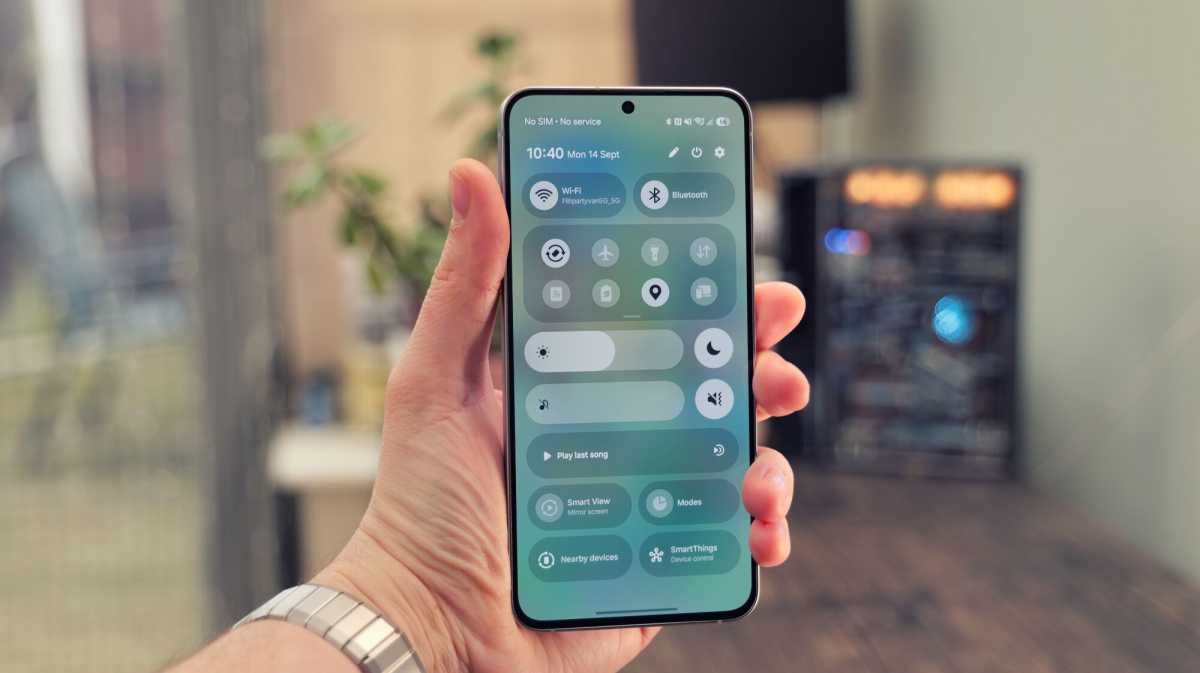
The Galaxy S26 FE runs Samsung’s One UI 9, built on Android 17. It’s a very similar software experience to Samsung’s full-fledged flagship devices, and it’s probably the biggest selling point for this phone.
Luke Baker
My feelings about One UI are the same as ever. I love the customisation options; it’s really easy to make it your own, and it’s speedy, reliable, and absolutely jam-packed with features. The biggest downside is the redundancy. Samsung includes all of its own apps, along with all of Google’s, and lots of them do the same thing. I still don’t have a clue why we have both Gemini and Bixby, nor do I know which one I should use for what.
One UI 9 is probably the biggest selling point for this phone
On the plus side, there’s absolutely no bloatware (unless you count all of Samsung’s apps), and that’s a rarity in this price segment.
The S26 FE has inherited most of the new features that debuted with the S26 series, and the new Z-Fold phones, too. This includes Now Brief, which is a quickly accessible summary of your day, including calendar events, weather, traffic info, and more.
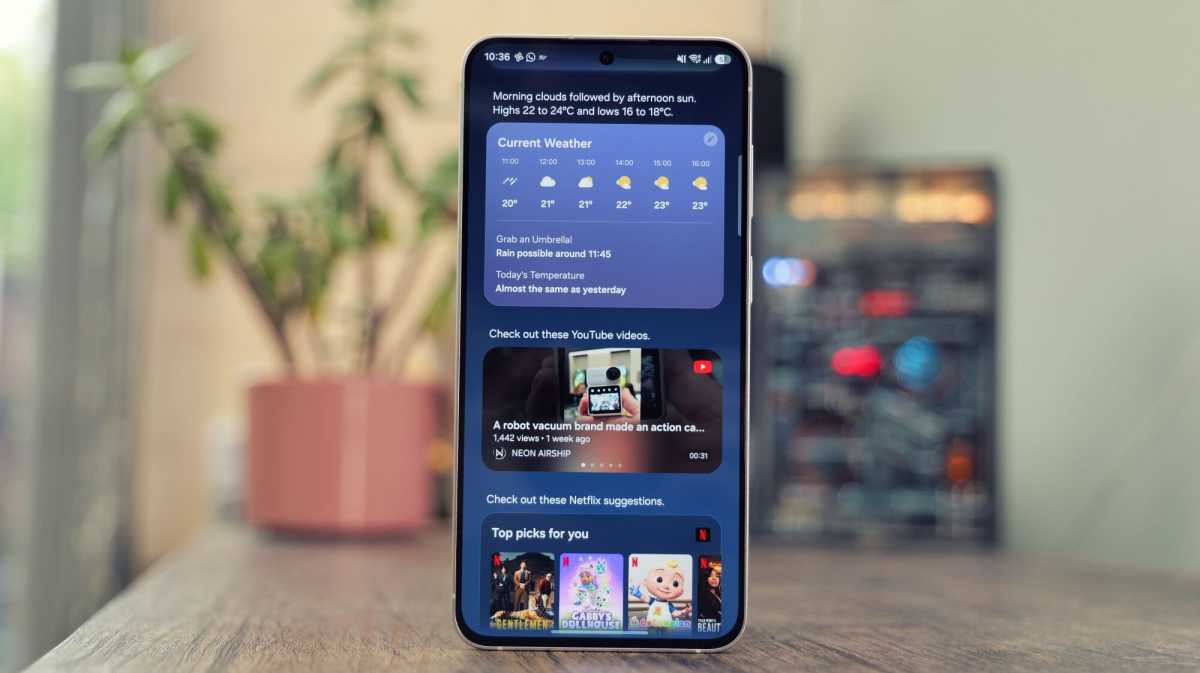
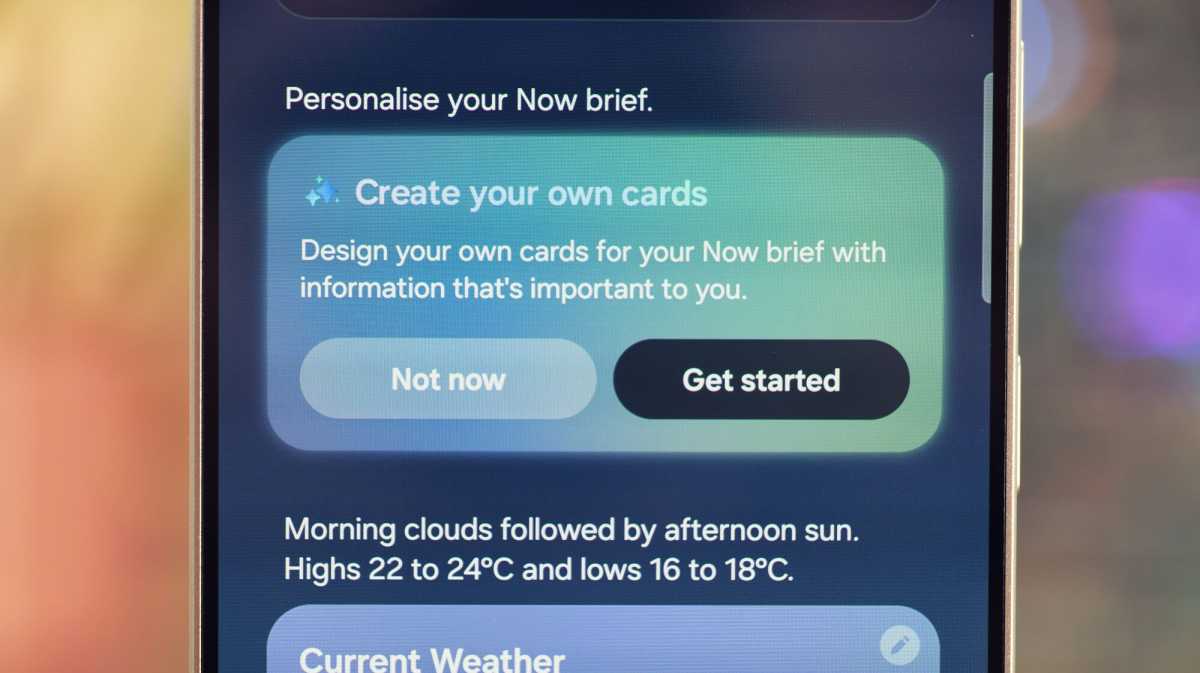
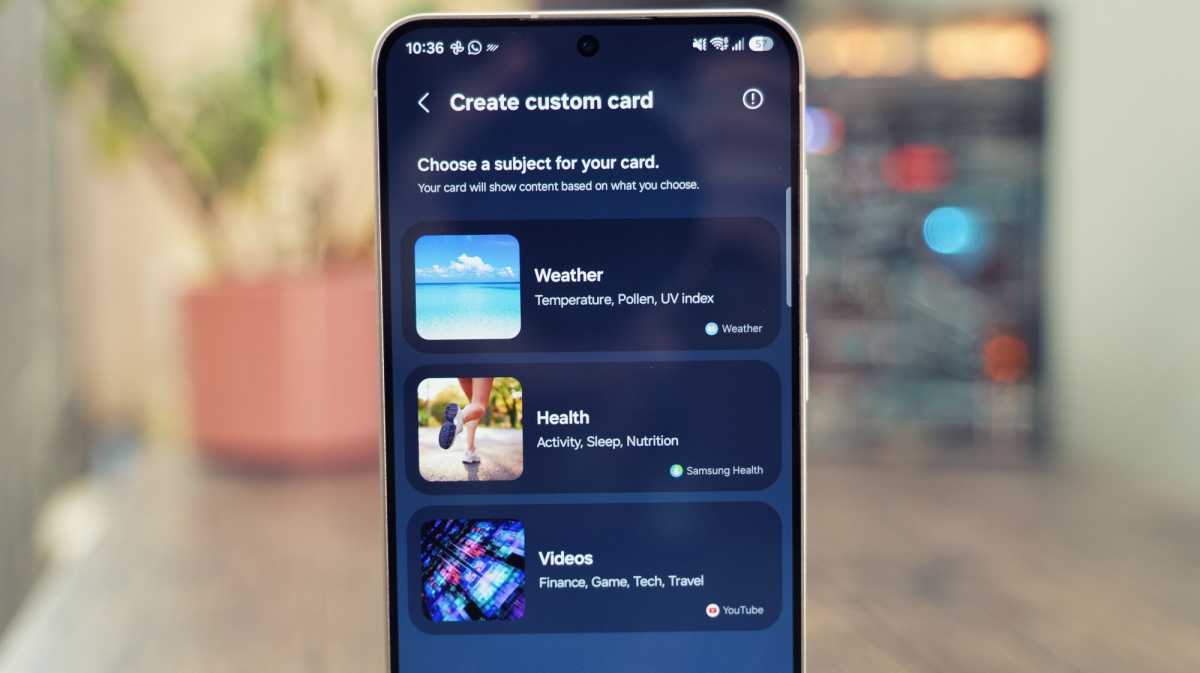
Now Brief has been updated significantly, and you can now add custom cards to it. Say, for instance, you’re prioritising fitness; you can pull in health insights to keep you on track.
You also get Now Nudge, which is contextually aware and is supposed to pop up to offer assistance in a variety of scenarios. For example, if someone texts you proposing a meet-up, Now Nudge should do things like suggest creating a Calendar event or open directions in Maps. In reality, though, I’ve never seen it appear.
The S26 FE also adds features like Audio Eraser, which can remove background noise from your recordings or from content on sites like YouTube. There’s also the new Document Scan mode in the Camera app, which cleans up photos of documents for a cleaner, more professional look.
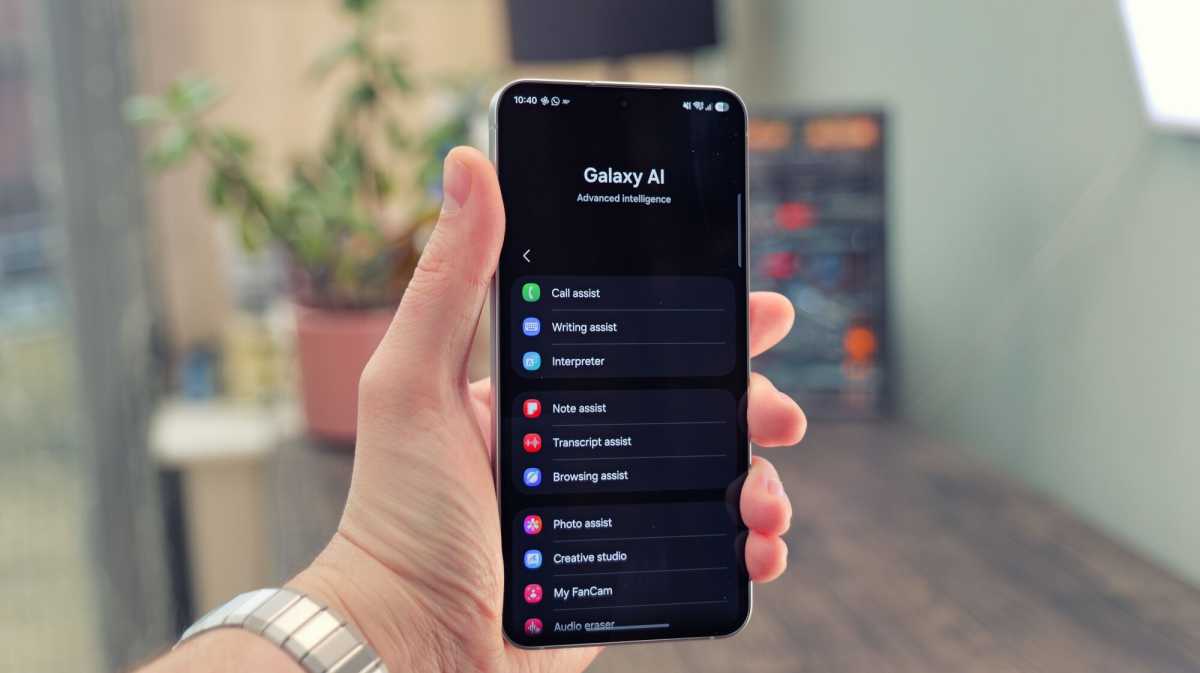
Luke Baker
All of Google’s latest goodies are present, too. There’s Circle to Search, Gemini Live, and Gemini can offer assistance across multiple apps for more complex tasks. None of these are exclusive to this device, but they tend to arrive earlier on Samsung phones, which is a nice perk.
Software support terms are as impressive as ever. Samsung promises 7 years of OS updates and security patches, just as you get on its pricier phones. This is something that competitors struggle to match, especially at this price point.
Price & Availability
The Samsung Galaxy S26 FE is available to order now in most regions globally, including the UK and US.
It starts at £699/$699 for the 128GB model, rising to £799/$799 for 256GB and £949 for 512GB (unavailable in the US). You’ll get 8GB of RAM no matter which option you choose.
You can buy one outright from Samsung UK and Samsung US, plus many third-party retailers and networks in both countries.
Compared to the S25 FE, that’s a price hike of £50/$50 for 128GB, £100/$100 for 256GB, and £150 for 512GB. Of course, we can thank the component shortage for that, but it certainly stings, especially when there are so few upgrades this year.
While just about still cheap enough for us to consider it a mid-range phone, there’s no shortage of great alternatives.
That includes the 256GB version of the regular Galaxy S26, which is available for less than the 256GB S26 FE at retailers including Amazon UK at the time of writing.
Should you buy the Samsung Galaxy S26 FE?
The S26 FE is a solid upper-mid-range phone. The software is great, the screen and speakers are decent, and the cameras won’t let you down (in good lighting). Software support terms are also among the best. The pricing, though, is a real problem.
With just 128GB of storage at £699/$699, this phone is not a good value proposition. The recently released Poco F9 Ultra wipes the floor with it in every department, and it can be had for a few quid more (or sometimes less, if you catch the right offer).
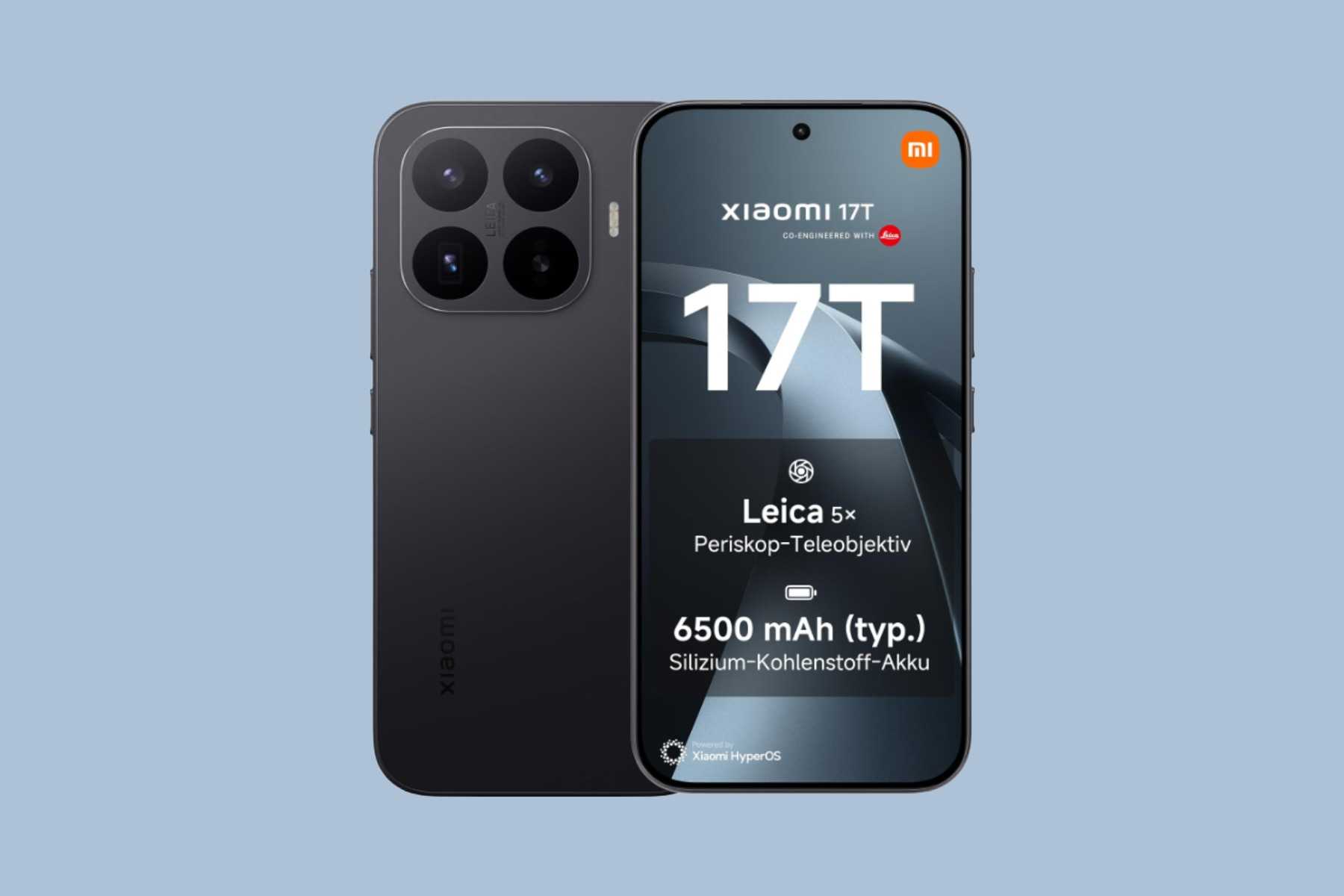
The same could be said for the Honor 600 Pro, the Oppo Reno 16 Pro, the Xiaomi 17T; the list goes on and on. If you want a Samsung device, and you’re not set on a massive screen, you could always opt for the base model Galaxy S26, too.
In the future, when the price comes down, this phone might make sense. As of right now, though, it’s hard to recommend.
Specs
- OneUI 9, based on Android 17
- 6.7-inch 120Hz 1080 x 2340 OLED
- In-display fingerprint scanner
- Exynos 2500
- 8GB RAM
- 128GB / 256GB / 512GB storage
- Cameras:
- 50Mp main sensor
- 12Mp ultrawide
- 8Mp 3x telephoto
- 12Mp selfie camera
- Up to 4K @ 60fps rear video
- Stereo speakers
- Dual-SIM
- Wi-Fi 802.11 a/b/g/n/ac/6e
- Bluetooth 5.4
- 4900 mAh battery
- 45W wired charging
- 15W wireless charging
- 161.6 x 76.9 x 7.4 mm
- IP68 certified
- 193g
- Colours: Blueberry, Graphite, Pistachio