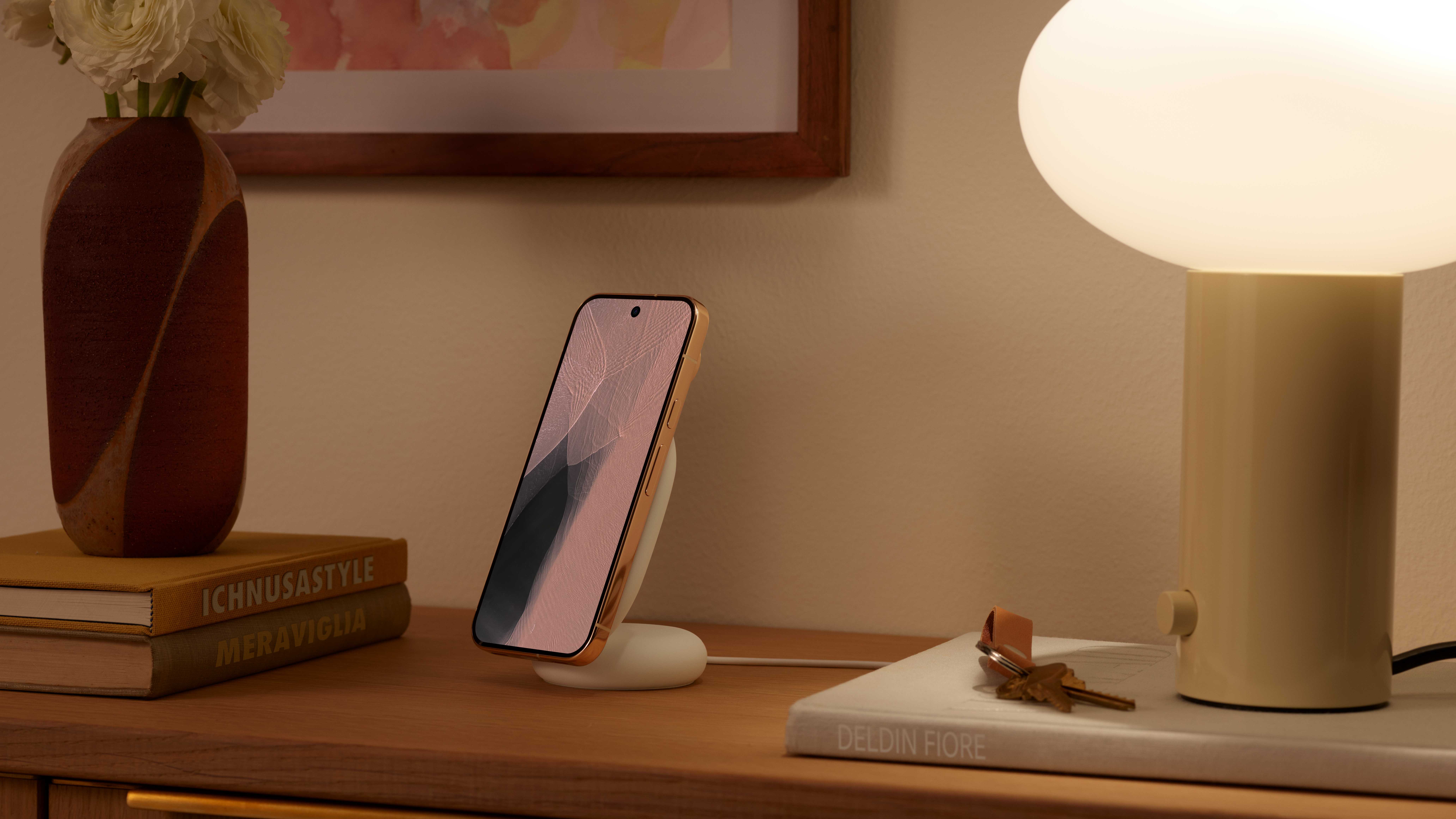
What to Know About google Pixel 11 Vs Pixel 11 Pro: 5 key differences
Google has announced its new flagship smartphone series and, for most people, it’s going to be a straight choice between the regular Pixel 11 and the Pixel 11 Pro.
So which of these two phones is better for you? The first step to answering that is to see how they compare.
You’ll need to wait a little longer for our full reviews, but we do have access to a full spec list and official images for both phones.
Here are the key ways in which the Google Pixel 11 and the Google Pixel 11 Pro differ.
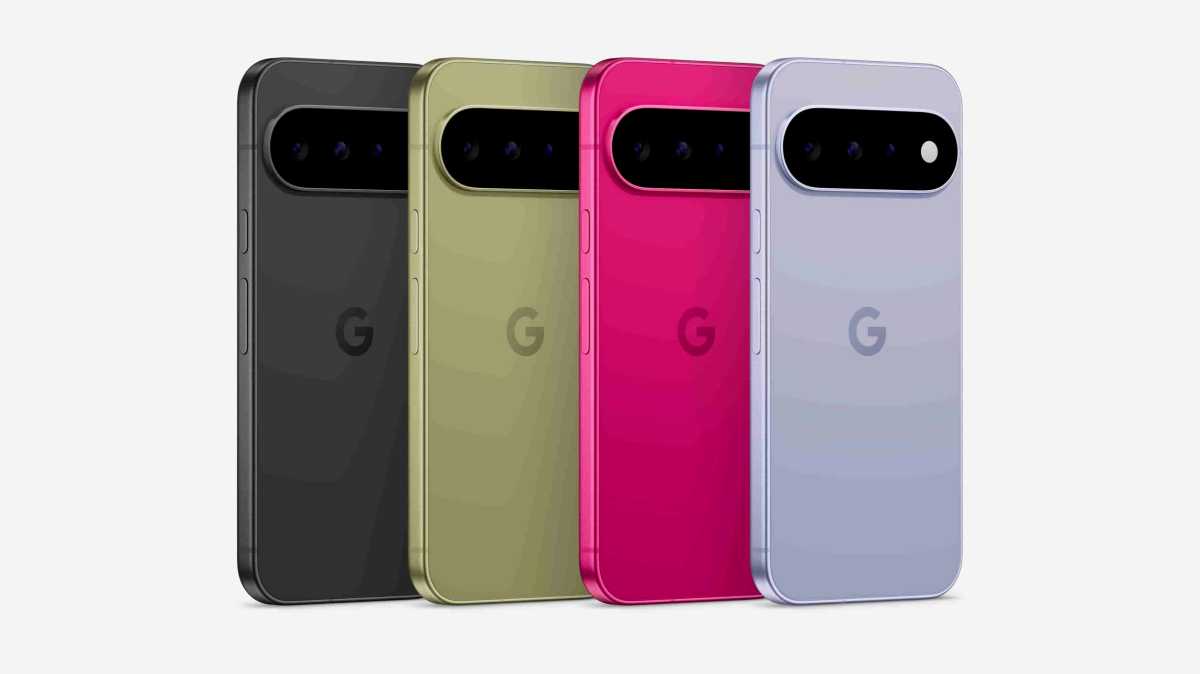
The colours
Let’s get the obvious one out of the way. Google has equipped its two main phones with different colour options.
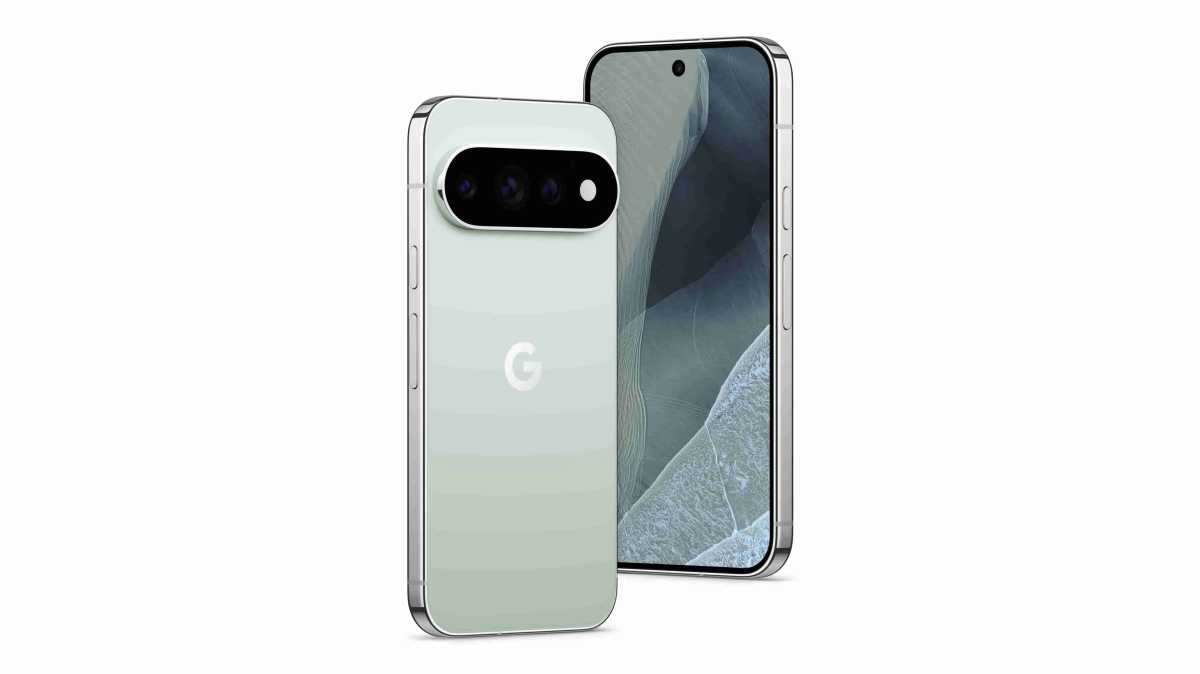
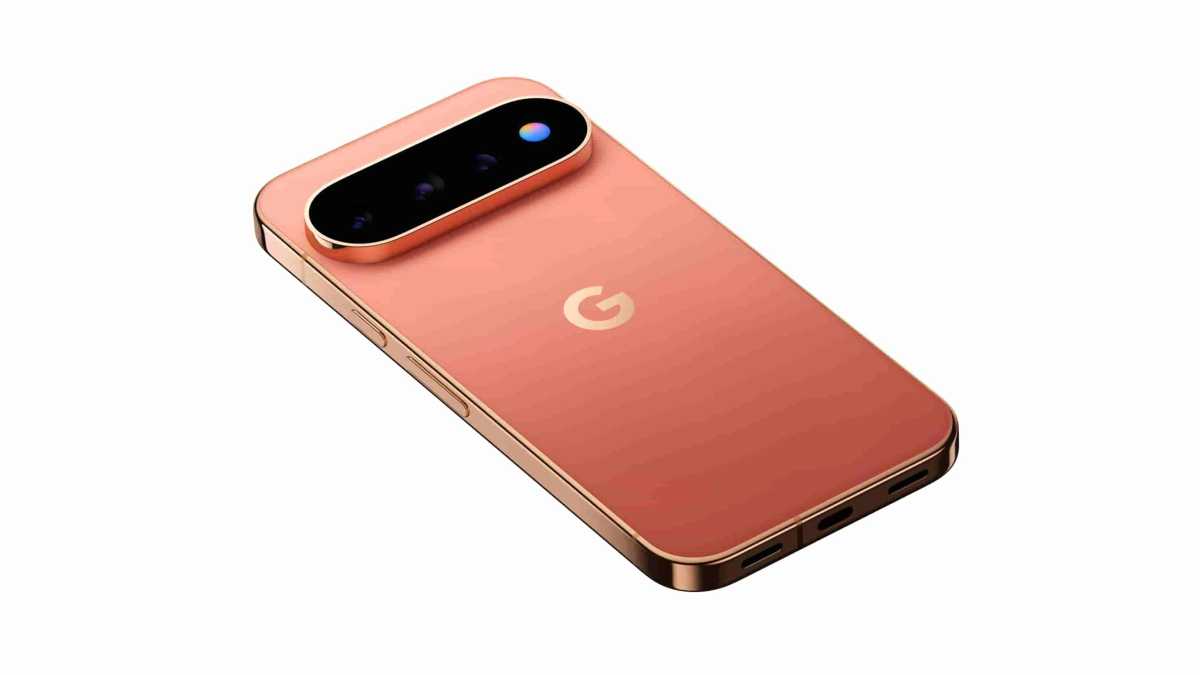
The Pixel 11 Pro comes in Canyon, Olive, and Fog, while the Pixel 11 comes in Frost, Pistachio, and Hibiscus.
Both models also come in Obsidian, but even this tone of black has a sophisticated matt finish on the Pro model.
Display quality
The two phones are about the same size and run on exactly the same Tensor G6 chip. However, the key point of interaction – the screen – differs quite a lot.
While both OLED displays measure 6.3 inches, the Pixel 11 Pro’s is sharper, brighter, and more flexible with its refresh rate. In other words, it’s downright better.
The Pixel 11 Pro display has a resolution of 1280 x 2856 compared to the Pixel 11’s 1080 x 2424. That might not sound like a lot, but it makes for a 17% higher pixel density in the Pro model.
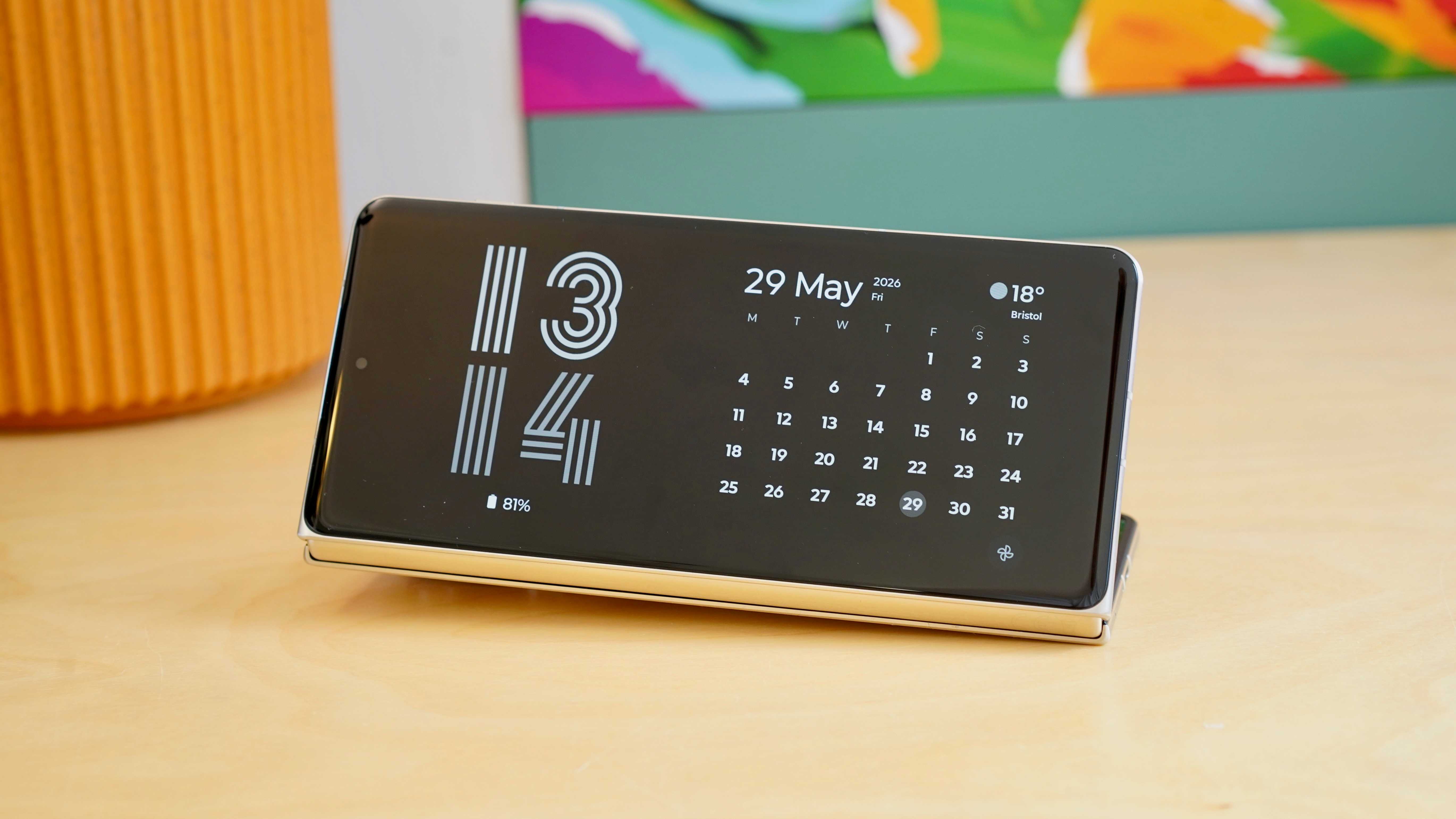
This Pro display also benefits from LTPO panel technology, which means that it can scale from 1 to 120Hz according to the task at hand. The Pixel 11 display, by contrast, can only flit between 60 and 120Hz, making it less power-efficient, particularly with its Always On Display function.
Finally, the Pixel 11 Pro screen can hit up to 3600 nits in peak conditions, which is significantly higher than the Pixel 11’s 3000 nits.
HiLight system
The main innovation with this year’s entire Pixel 11 range is something called the HiLight system – and it’s only coming to models with ‘Pro’ in the name.
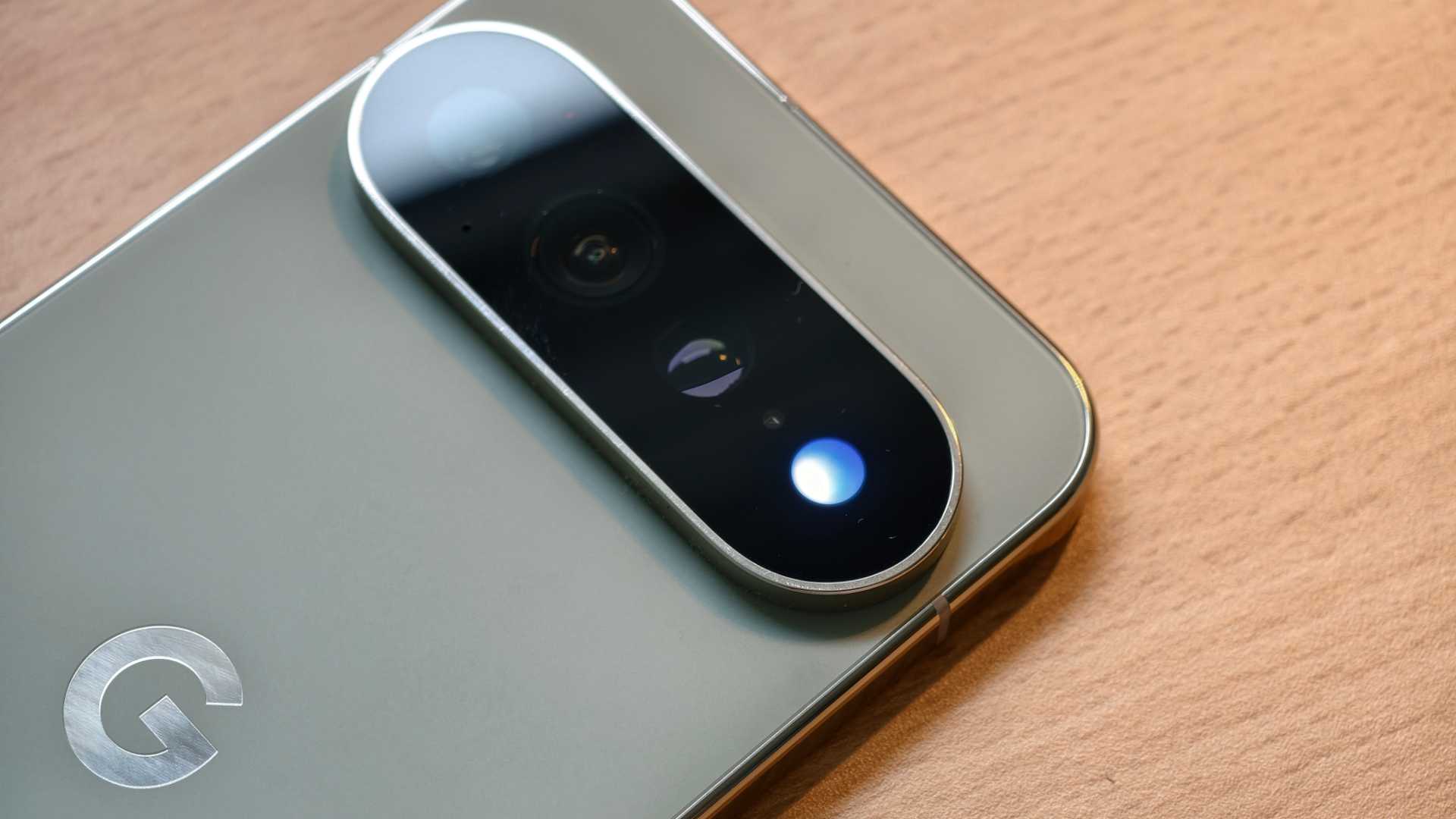
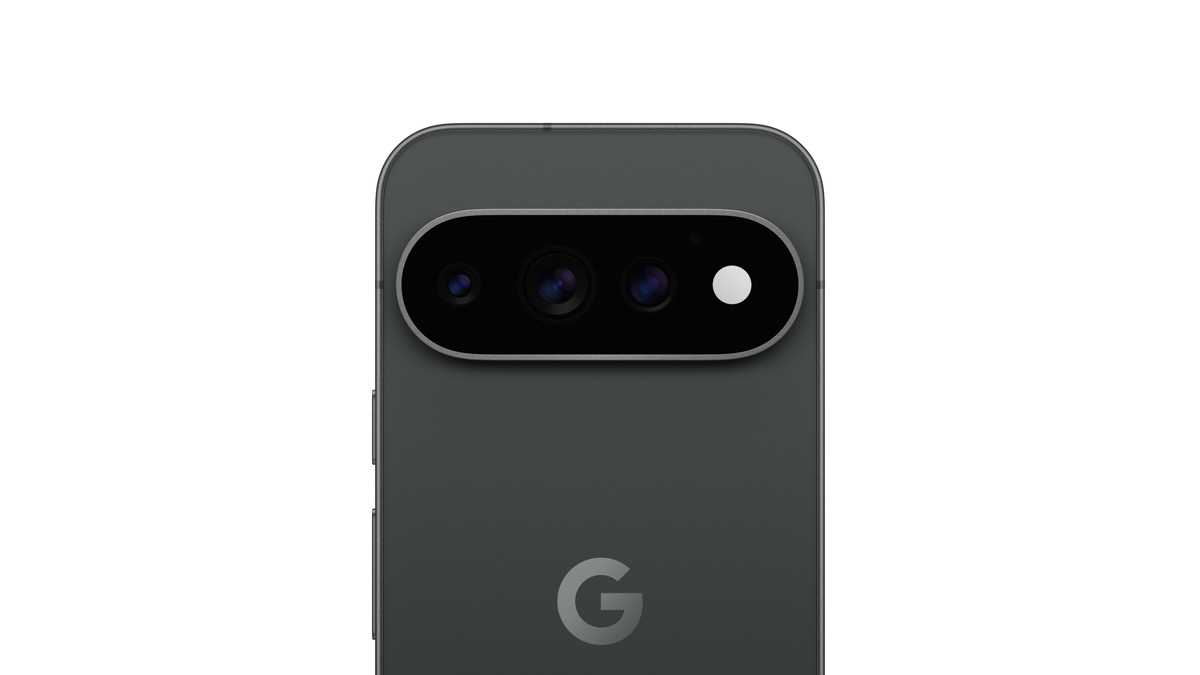
This notification light system, which was being referred to as Pixel Glow prior to launch (a much better name), surrounds the camera flash with LED lights that can glow any combination of colours.
The idea is that when your phone is face down, this HiLight system will gently glow to give visual cues concerning incoming notifications. Think custom colours for favourite contacts, and an indication of when Gemini is figuring things out.
Basically, if you’re a face-down-on-the-table phone kind of person but would still like a little alert info, the Pixel 11 Pro is for you.
All-round camera quality
As is always the case, the Pro model of Google’s latest phone range is the one to opt for if you take your mobile photography seriously.
The Pro’s cameras are better right across the board, starting with a larger 1/1.3” 50Mp main sensor with a wider f/1.68 aperture. The Pixel 11, by contrast, has a 1/1.56” 48Mp main sensor with an f/1.70 aperture.
In ultra-wide terms, the Pixel 11 Pro gets a 1/2.51” 48Mp sensor with an f/1.7 aperture and a 123-degree field of view. The Pixel 11 can only muster a 1/3.1” 13Mp sensor with an f/2.2 aperture and a 120-degree FOV. Inferior in every way.
It’s a similar story with the dedicated 5x telephoto cameras on both. There’s a 1/1.95” 48MP sensor with an f/2.8 aperture on the Pro, and a 1/3.2” 10.8Mp sensor with an f/3.1 aperture on the Pixel 11.
The Pro can capture 120x ProZoom shots compared to the regular model’s 30x, and 8K video compared to the Pixel 11’s 4K.
Even the selfie cam is better on the Pro, with a 42Mp 103-degree sensor compared to the Pixel 11’s 10.5Mp 95-degree equivalent.
Ultra-Wideband chip
Google is finally launching its own Pixel Tag tracker alongside the Pixel 11 series, and only the Pixel 11 Pro has the Ultra-Wideband chip to make the most of this.
It means that the Pixel 11 Pro can hone right in on objects carrying the dainty Pixel Tag (other trackers are available), whereas the Pixel 11 will only be able to get you within the general vicinity.
The chip also grants the Pixel 11 Pro greater spatial awareness, and enables support for digital car keys and more fine-tuned interactions with other UWB-equipped smart home devices that rely on positional accuracy.