A Look at google Pixel user ends up in court over this feature
In the US, a Google Pixel user is now facing a court conviction. This is because when Samuel Tunick attempted to re-enter the US from his holiday in the Dominican Republic in January last year, border control detained him and sought to examine his smartphone for suspicious content.
Instead of complying, Tunick refused to grant access to the device and, by entering a false PIN, ensured that all data was deleted. He was able to do this thanks to the alternative Android operating system GrapheneOS.
The US authorities are now accusing Tunick of destroying evidence, according to The Guardian. The border officials were allegedly searching his device for evidence of child pornography. They therefore attempted to unlock and search the device, which Tunick successfully prevented.
In reality, the authorities are said to have targeted the American because he was on a terrorism watchlist. This classification is said to stem from the fact that Tunick was linked to a protest movement that had demonstrated against a police training centre in Atlanta. Nevertheless, according to Tunick’s lawyers, the officers did not have a search warrant.
How did he delete the data?
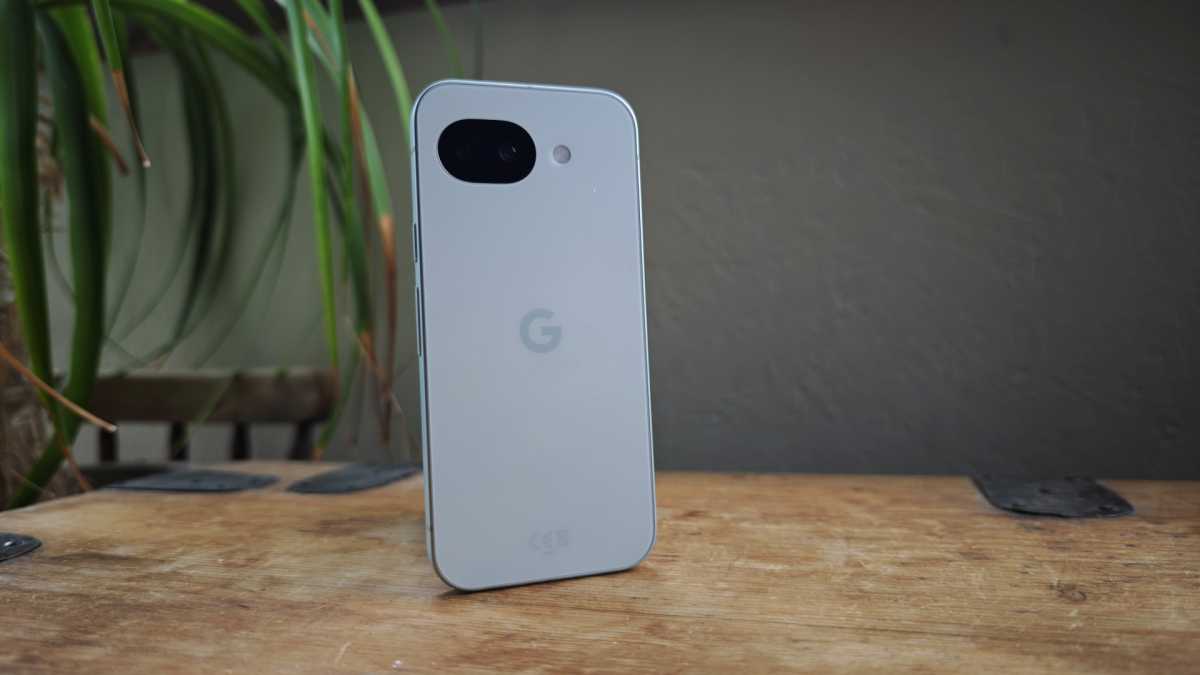
As mentioned at the start, Tunick was using an alternative operating system called GrapheneOS on his Google Pixel smartphone, which has special security features. One of these is the ‘Duress PIN’, a kind of emergency PIN. This ensures that the device is not unlocked, but instead deletes all data.
Chris Martin / Foundy
After the authorities had repeatedly demanded his smartphone PIN and refused to allow Tunick to consult a solicitor, he therefore decided to use the ‘Duress PIN’ function. Presumably out of fear that the device would otherwise be seized. When the “Duress PIN” (instead of the correct PIN) was entered, the screen went black, flashed several times and the phone appeared to restart, but in doing so deleted all personal data.
GrapheneOS is currently only available for Google Pixel smartphones, but is set to become available for more manufacturers in the future. In the past, Spanish police authorities had specifically targeted users of Google Pixel devices, as drug dealers – particularly in Catalonia – had apparently made use of this function to evade investigations.
Nevertheless, it seems excessive to place Pixel smartphone owners under general suspicion on this basis. Experts criticise the fact that GrapheneOS could be classified as ‘criminal by default’. Everyone has the right to protect their private data from searches.
Verdict still pending
The case is expected to go to court in October 2026. A judge will then have to determine whether the authorities searched Tunick under false pretences and whether he was within his rights to delete his data from his smartphone.
Should the court rule in favour of the prosecution, this could set a dangerous precedent. US authorities could place users of GrapheneOS and Google Pixel devices under general suspicion. This would undermine the right to the protection of one’s own data.