Android users warned: Google Chrome could be exposing you to hackers
If you’re using Chrome on your Android phone, you need to be very careful right now.
Security researchers at Sekoia are currently warning of a dangerous hacking campaign targeting Android users via the default web browser. The attackers are exploiting two security vulnerabilities, one of which is found in the Google Chrome app. Although Google has officially patched these, anyone who has not yet updated their app remains at risk.
The second vulnerability lies deep within the graphics driver of Android phones equipped with a Qualcomm processor. Qualcomm is the second-largest chip supplier for Android smartphones, so millions of users are thought to be affected.
The situation becomes truly dangerous when a user lands on a manipulated website whilst using the Chrome browser, which has not been updated. Malicious code can then be downloaded without the user noticing or even having to click on anything. It happens entirely automatically.

Luke Baker
The AndroSnitch malware then carries out the attack. It copies user data, passwords and other information to send directly to the hackers. This allows them to steal log-in details and take over accounts, or even carry out targeted phishing attacks.
All versions of Chrome prior to version 145 are potentially at risk (except version 143). The current version is 157. Active attacks were observed primarily in August, September and October. Attackers created fake versions of legitimate websites relating to various companies or government topics. The focus was particularly on the USA and Ukraine, though not exclusively.
How to stay safe from the Chrome malware
The most important thing is to update the Chrome browser on your Android device, if you haven’t already done so. To do this, go to the Google Play Store, search for Chrome and update the app. Do not click on any unknown links that may lead to tampered websites.
It’s also best to update your Android smartphone or check for the latest updates in the settings under ‘About device’ or ‘Android version’. The report does not indicate whether Google has already provided a suitable fix for the Qualcomm vulnerability. However, this will ensure you’re on the safe side.
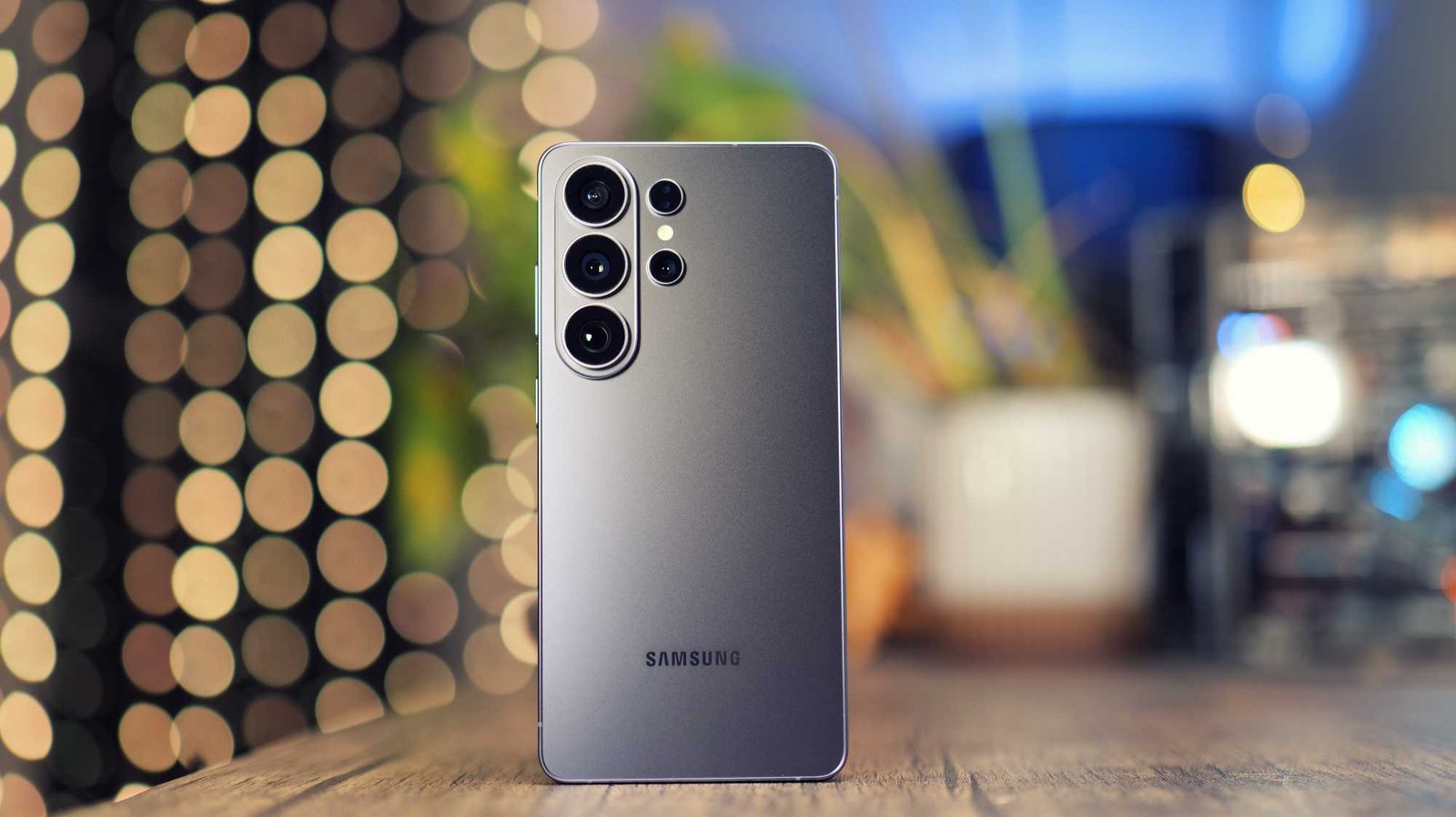
Interestingly, one phone appears immune to the attack: Samsung Galaxy S25 Ultra. The researchers do not explain exactly why this is the case. However, the malware appears to check the device number and, in this instance, ‘spares’ the user.