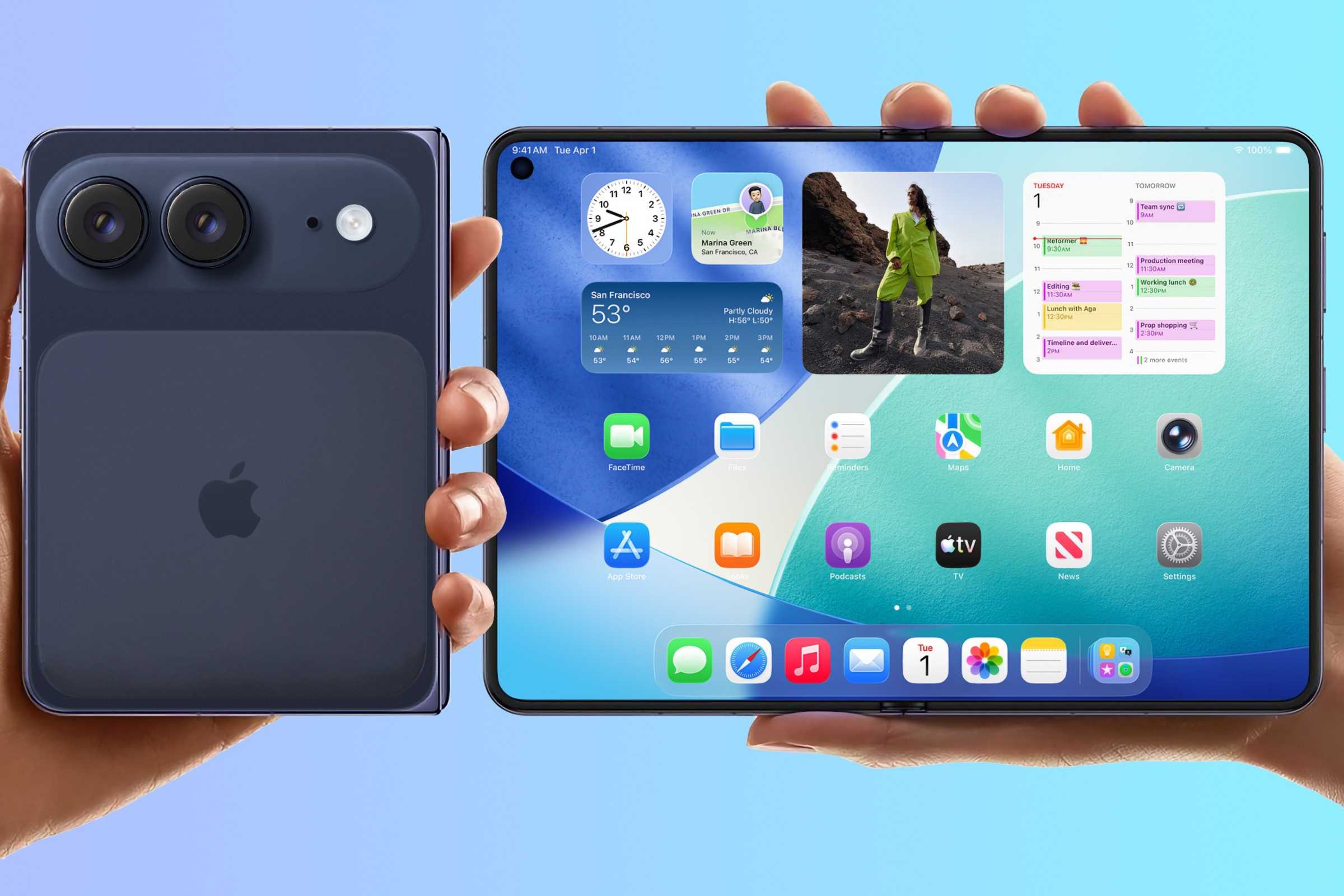
Apple Reference Image is the top iPhone camera feature no one’s talking about
When it comes to innovations from big tech companies, here’s a phrase I rarely find myself saying: now that will make the world a better place.
But when I started reading about Apple Reference Image, I did. It’s a digital guarantee that an image is a real photograph, captured by an iPhone sensor at a specific time.
It’s a feature that, according to Apple, “sets a new standard for verifiable digital photography”. Switch the mode on and “the camera will capture securely timestamped sensor data, which you can then develop and view as an unalterable reference image in the Photos app.”
Perhaps unsurprisingly, an equivalent feature already exists on Android. Google has offered verified photography from the Pixel 10 range on, using the C2PA standard. C2PA is an open technical standard that embeds cryptographically signed metadata into the image at capture. The brand is rolling out C2PA technology to video on the Pixel 8, 9 and 10.
Android users who have this capability, and iPhone 18 users about to get it, may not even know about it. It’s not the sort of feature, like iPhone’s Dual Capture, that’s going to set TikTok on fire. But in a world where even the President of the United States regularly posts AI slop, it feels increasingly necessary.
it’s difficult to prove that an image is real. And there are a number of situations in which you may need to.
Apple
Untruth social
Most people who spend time online must have asked themselves at some point or another whether the image or video they’re looking at is real or AI-generated.
There are different levels of awareness, sure. My mother-in-law, for example, is regularly taken in by footage of suspiciously exotic animals that don’t exist outside of an LLM hallucination. But plenty of fairly internet-savvy people require similar help. You only need to look at the subreddit Is this AI for real-world examples and to see how worry over the authenticity of images has eroded trust in online exchanges.
There already are plenty of ways (of various levels of reliability) that you can identify images that have been generated or edited with AI. You can search for flaws in the render (fingers and text can still be tells), look for watermarks (such as Google’s SynthID), or use a detection tool.
But it’s difficult to prove that an image is real. And there are a number of situations in which you may need to.
Smartphones are now responsible for 92.5% of all photographs taken. We use smartphone images for all sorts of social activities: buying and selling on apps, online dating, social documentation, citizen journalism and activism.
As more and more images are faked – from catfish photos to AI images of damaged parcels, to fabricated crowds at public events – it’s good to see that the big phone brands have developed methods for verifying photos. Or, at least, it’s a good first step.
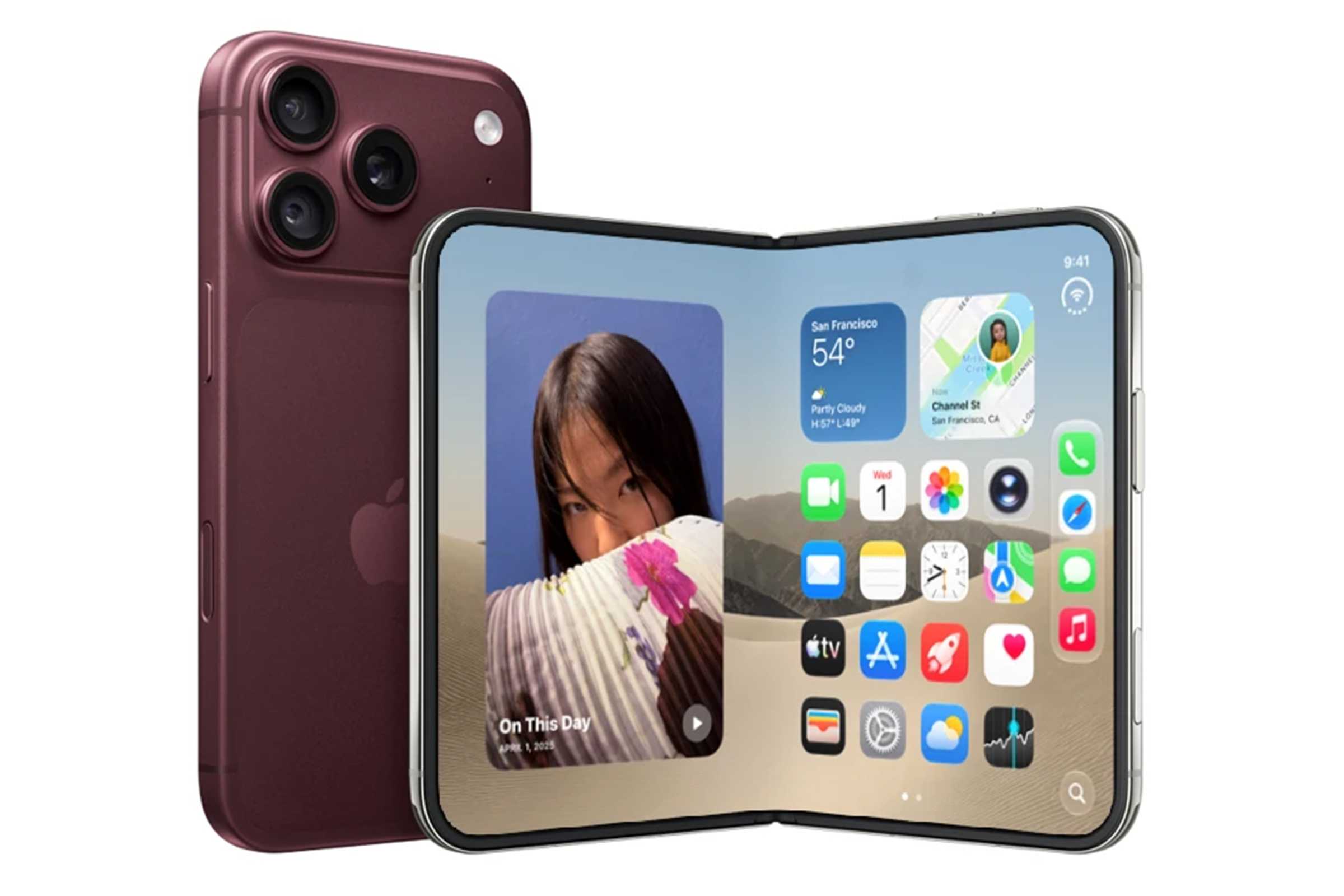
you can only use Apple Reference Image on the main sensor of the iPhone 18 Pro and Pro Max
Apple
The limitations of Apple’s approach
Apple, being Apple, was never likely to get on board with an open technical standard, citing privacy concerns (as usual). Still, we’d have no reason to distrust the fact that Apple’s system is reliable.
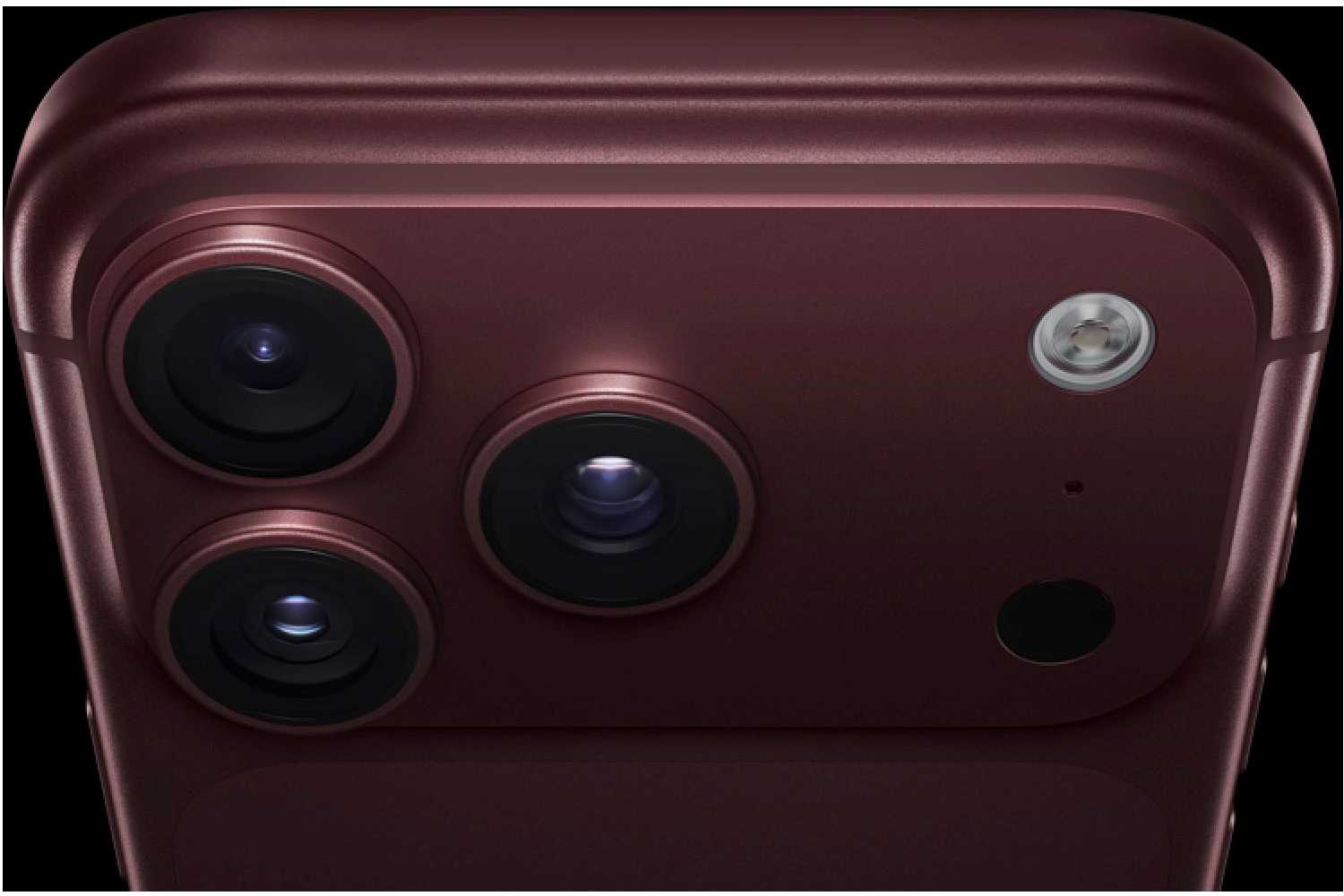
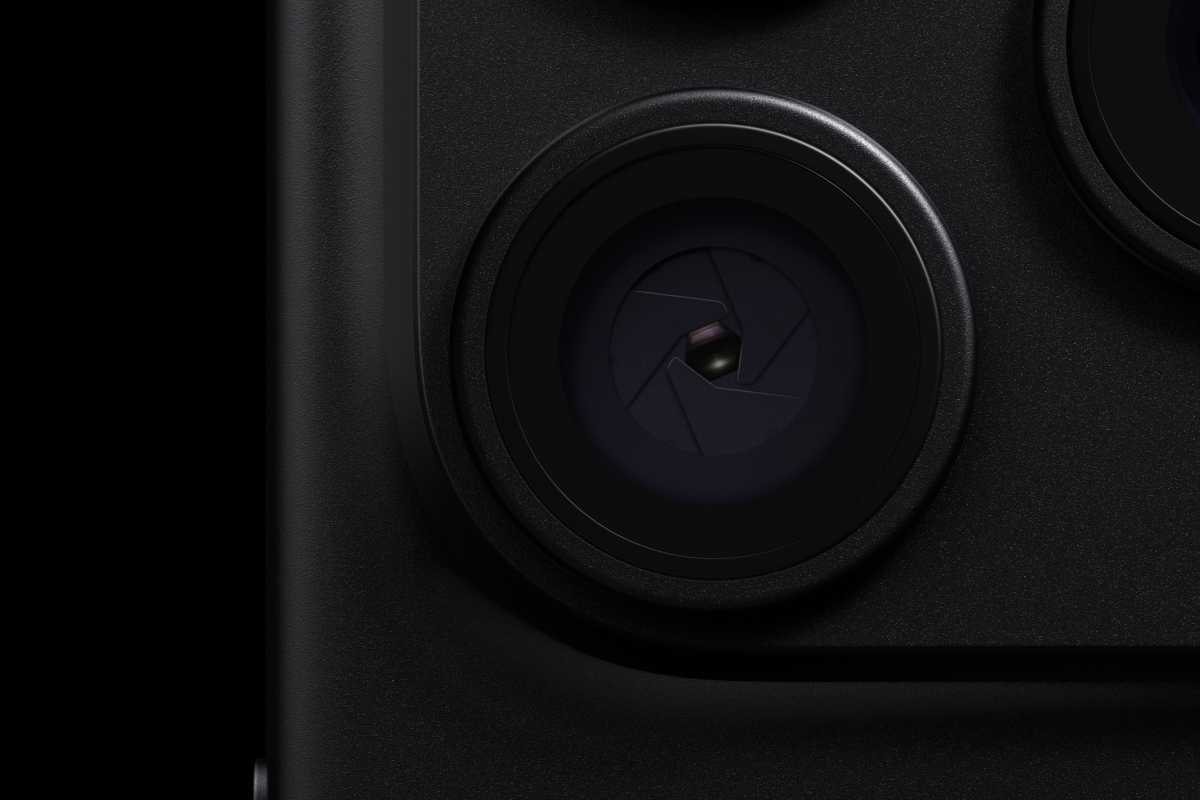
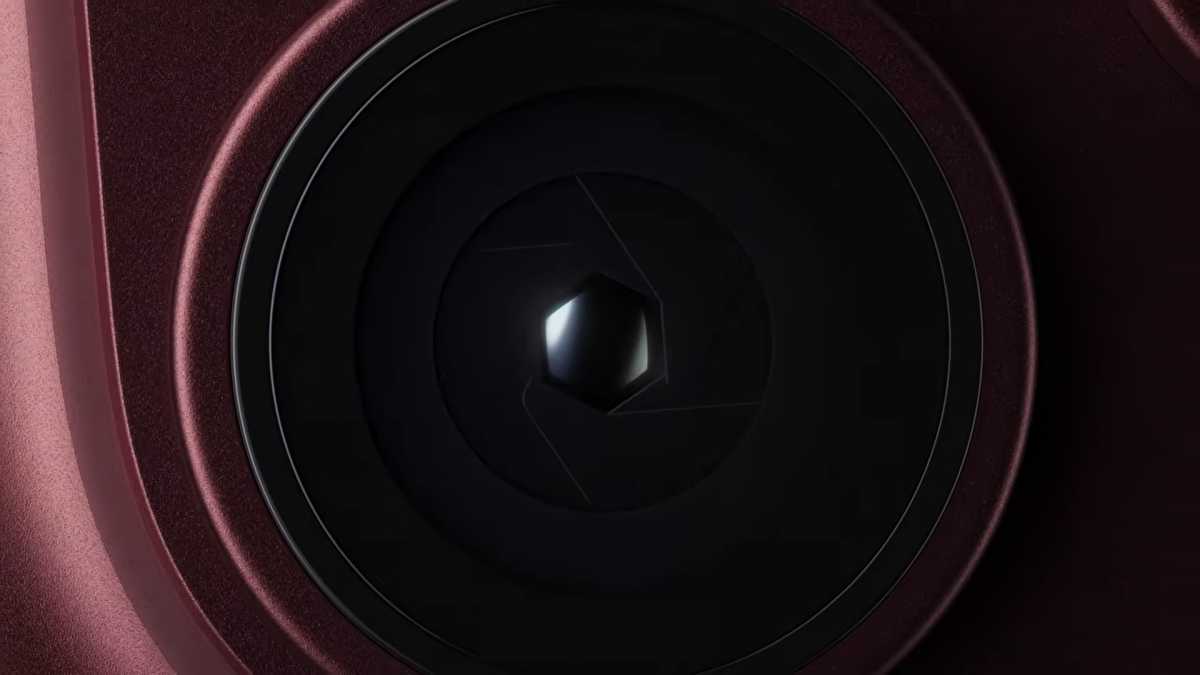
But it does have limitations. The key one is that, right now, you can only use Apple Reference Image on the main sensor of the iPhone 18 Pro and Pro Max.
Apple Reference Image isn’t available as a camera mode in the EU or China
Still, that will get the feature to more people than you might think. A survey of 4,000 people quoted by Investing.com found that 53% of them said they were planning to upgrade to an iPhone 18 Pro or Pro Max this year. Apple has reportedly taken over 7 million orders for the iPhone 18 Pro models so far in China alone.
But this brings us to the second issue: national availability. Apple Reference Image isn’t available as a camera mode in the EU or China. EU users with iOS 27, iPadOS 27, and macOS 27, however, can develop and view reference images. In China, users can view reference images that have been shared with them.
Whether there are similar limitations for Google’s own tech is not quite as clear, but it should be widely available – it conforms to an open technical standard and the tech is on devices from the last two generations worldwide.
While we hope that Apple will roll its own version of the feature out globally, and across more of its phones, what the brand could bring to the table is awareness that this technology exists.
How to use Apple Reference Image
If you have a supported Pixel phone, C2PA Content Credentials technology is automatic. On a Pixel 10, every JPEG photo taken with the default camera app will have C2PA metadata embedded by default.
If you have an iPhone 18 Pro or Pro Max, it’s switched off by default. You’ll need to go to Settings, tap Camera and then toggle Reference Image on. Sharing and viewing reference images is a bit more involved, but Apple provides full guidance online.