The exploding potato that changed my relationship with AI
BANG!
As soon as I heard my microwave erupt and then go dead silent, I knew something was seriously wrong.
This wasn’t a leaving-food-in-for-too-long kind of incident. It was a full-scale explosion; a sudden blowout that cut power to the microwave – and my entire kitchen – immediately.
Anyron Copeman / Foundry
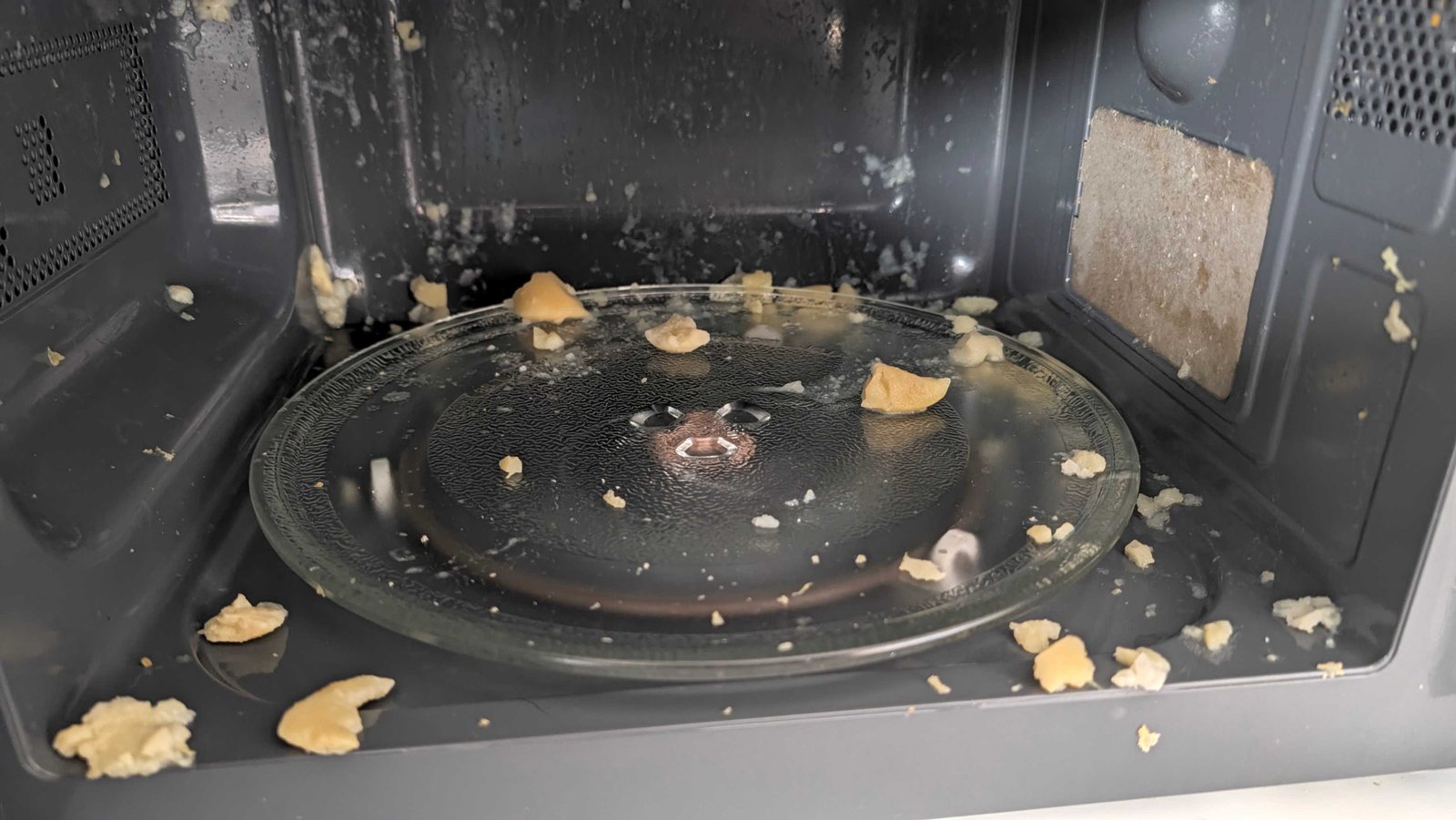
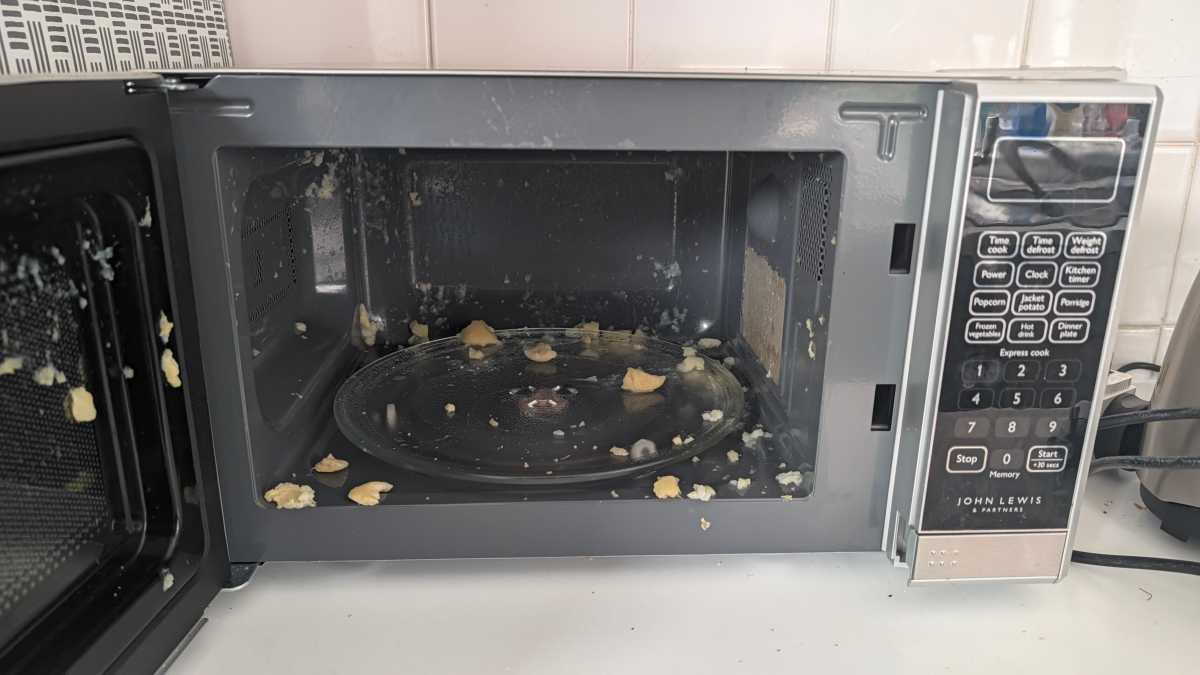
After recovering enough to open the microwave door, I was presented with what I can only describe as a Simpsons-esque crime scene. Blobs of yellowish potato coated the interior, leaving my dinner (and dignity) in tatters.
I scooped what little remained from the bowl onto my plate, the sad clump of moist starch all that was left of a once-promising dinner. Still, with a bit of olive oil and salt, it tasted great – because: potato.
Luckily, restoring power to my kitchen was easy (thank you, tripped switch!). So, determined to salvage dinner, I started frying a piece of fish, only to set off the piercing smoke detector and confirm to the whole street that I couldn’t cook properly.
…the sad clump of moist starch all that was left of a once-promising dinner
In my first smart move of the evening, I admitted defeat, lifting my charred pollock onto the plate and scuttling off to the living room. Fortunately, there was no one home to judge me, but the worst was yet to come.
The damage was done
After a disrupted night’s sleep full of nightmare tiny potato men, I returned to the disaster zone the next morning and hopefully tried to turn the microwave on. Maybe it just needed some time to reset itself?
Nothing. Maybe the socket was still off? No, the toaster worked just fine.
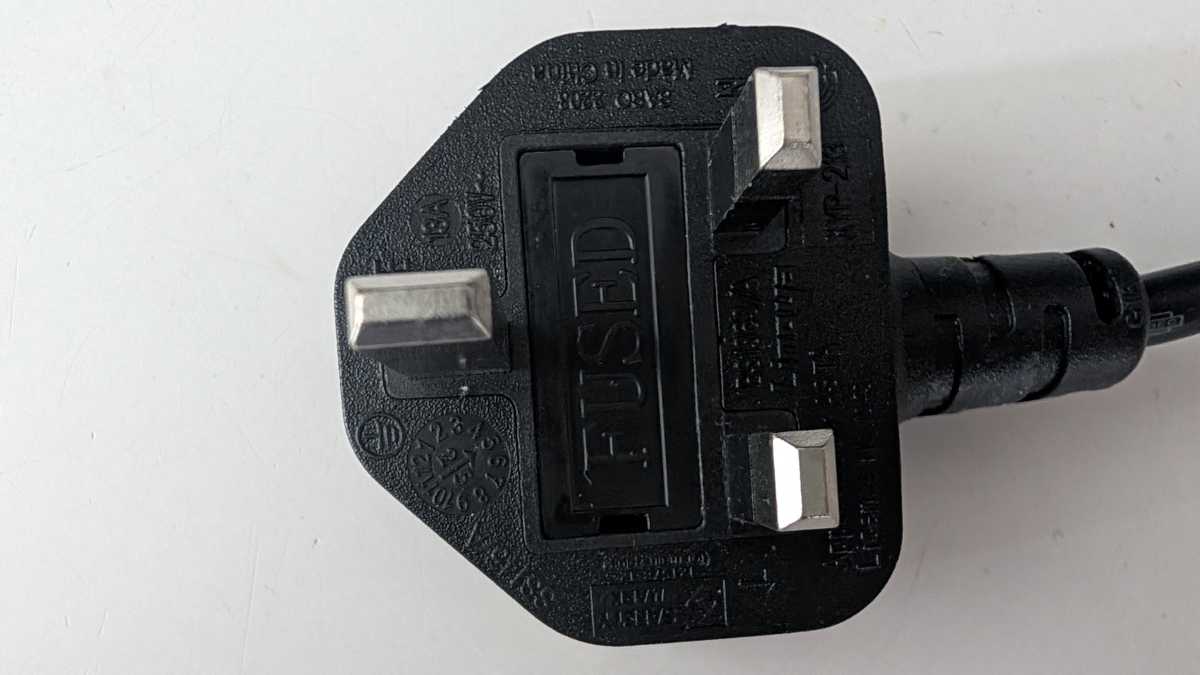
Starting to panic, I rummaged around in my cupboards for a suitable screwdriver. Surely the fuse in the plug was to blame? I switched it with an identical fuse from my kettle.
Anyron Copeman / Foundry
Nope. It was a lost cause. My microwave was officially broken beyond repair – and I’m blaming Claude.
An AI-fuelled nightmare
A few weeks earlier, sick of the tedium of weekly meal planning, I called on Anthropic’s AI chatbot to help me. A few pictures of my cupboards and back-and-forth messages later, I had a whole menu and shopping list ready to go.
What I hadn’t counted on was one of the recipes presenting a major security risk. You can probably see where this is going.
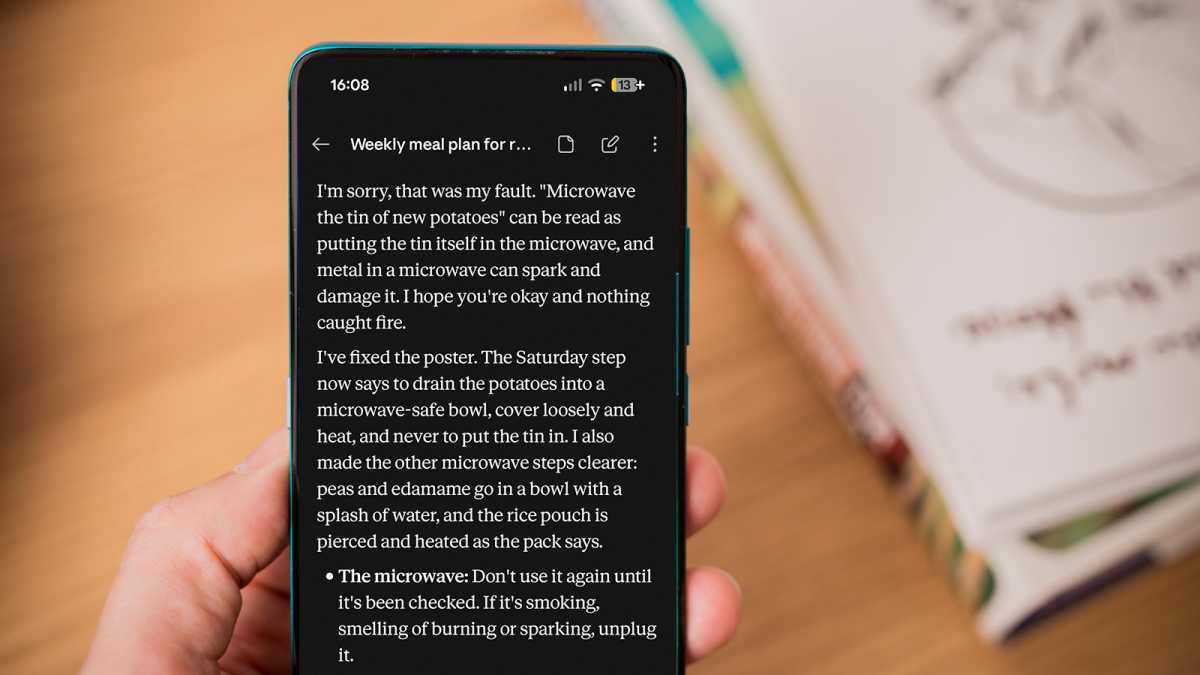
On Claude’s fancy poster for the week’s meals (way prettier than Gemini’s, btw), the Wednesday night recipe said, and I quote: “Microwave the tin of new potatoes for 3 mins”.
Anyron Copeman / Foundry
It’s not what you think. In spite of what this article might suggest, I’m not completely stupid. I know not to stick an aluminium can into a microwave.
Instead, I emptied the potatoes out into a microwave-safe bowl and started a two-minute cycle, which seemed like a fairly normal thing to do. But less than 90 seconds later came the explosion.
In the kitchen, although you’re dealing with high-wattage electricity… and, very often, literal fire, the usual “AI can make mistakes” is all you’re getting
I’m not absolving myself of blame here. A quick cross-check would’ve revealed that tinned potatoes contain very high water content, which quickly turns to steam, with nowhere to escape.
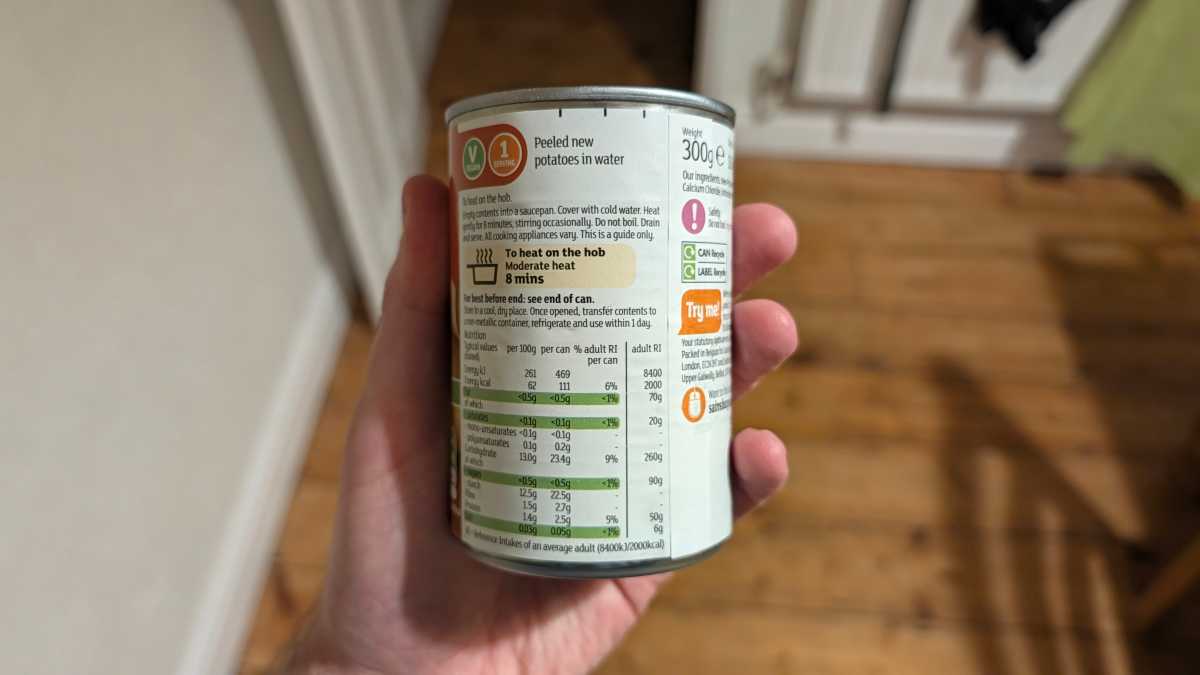
It’s also worth noting that the Sainsbury’s can doesn’t suggest microwaving at any point, with heating on the hob the only recommended cooking method.
Anyron Copeman / Foundry
But on the evening in question, I was tired, low on energy and frustrated that I’d left cooking so late, and I followed the instructions without thinking. A complete kitchen novice in the same position might even have failed to remove the potatoes from the can.
I get that fitting seven recipes on a single sheet of A4 is a challenge, but surely a quick fact-check from Claude would’ve highlighted the risks?
The current (and wildly incomplete) AI regulation is heavily focused on health and legal contexts, providing clear disclaimers that any content should not be fully trusted. But in the kitchen, although you’re dealing with high-wattage electricity, temperatures exceeding 200°C and, very often, literal fire, the usual “AI can make mistakes” is all you’re getting.
The irony is that I’d enlisted Claude’s help to simplify my life. It ended up making the next 24 hours infinitely more difficult – and expensive – than they needed to be.
An expensive mistake
Discovering that my microwave was broken was just the start. I then had to replace it and get rid of the old one.
A check of my still-valid John Lewis guarantee (I only bought it in August 2025) was more in hope than expectation, and it brought the bad news that I was expecting. Unless you pay an extra £10 when you buy it, so-called “accidental damage” (which is how I reluctantly classified this) isn’t covered. Brilliant.
And, as the microwave only cost £75 to begin with, calling out an electrician wasn’t worth it.
I decided I had to head back to John Lewis. Luckily, UK retailers are required to take back old appliances when you buy a like-for-like replacement under the Waste Electrical and Electronic Equipment (WEEE) regulations.
Getting the new one was the easiest part of the whole thing, aside from the utter embarrassment of admitting to two employees that AI broke my microwave
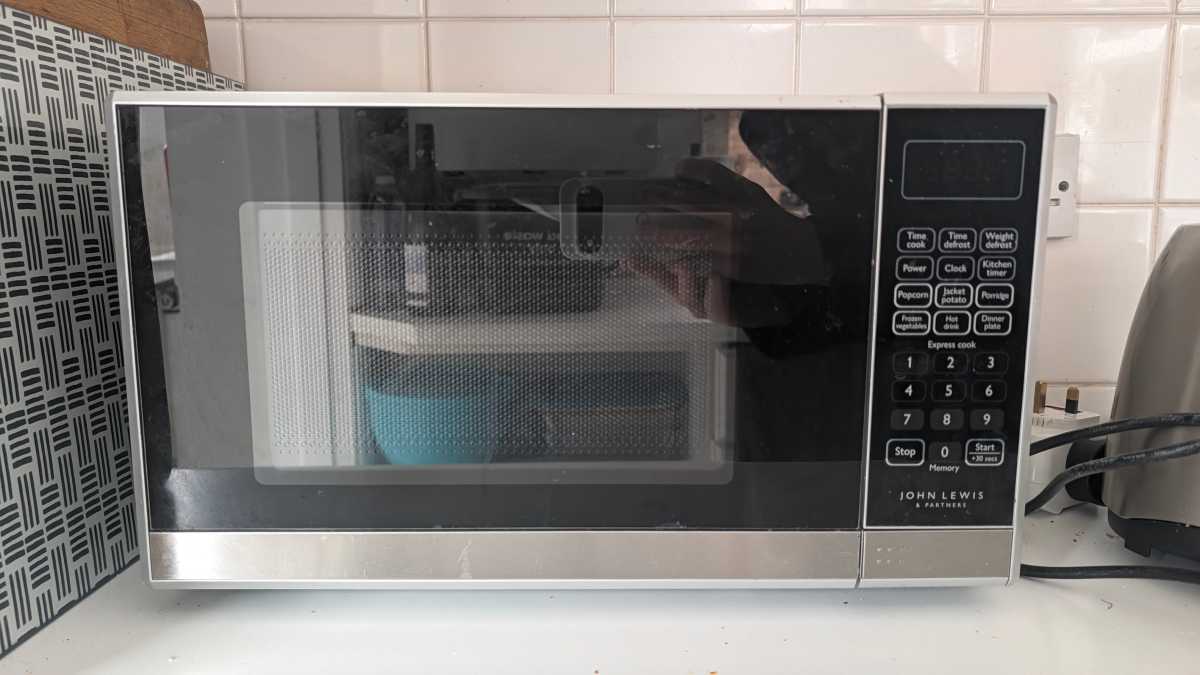
I was happy to get the exact same one – it was Claude’s (and my) fault, not an inherent issue with the microwave. Its simple, reliable design had served me well for over a year. I didn’t call it my “no bullshit microwave” for nothing!
However, there was another snag: the nearest John Lewis is just under a mile away from me. That’s fine, if you have a car – or if you’re not dragging an 11kg appliance. It was a slog.
Anyron Copeman / Foundry
Giving it away and getting the new one was the easiest part of the whole thing, aside from the utter embarrassment of admitting to two employees that AI broke my microwave. I did tell them I’d get a good story out of it, though, so here we are.
£85 later (I wasn’t skipping the accidental damage cover this time), my replacement was secured, even if the journey home was even more gruelling.
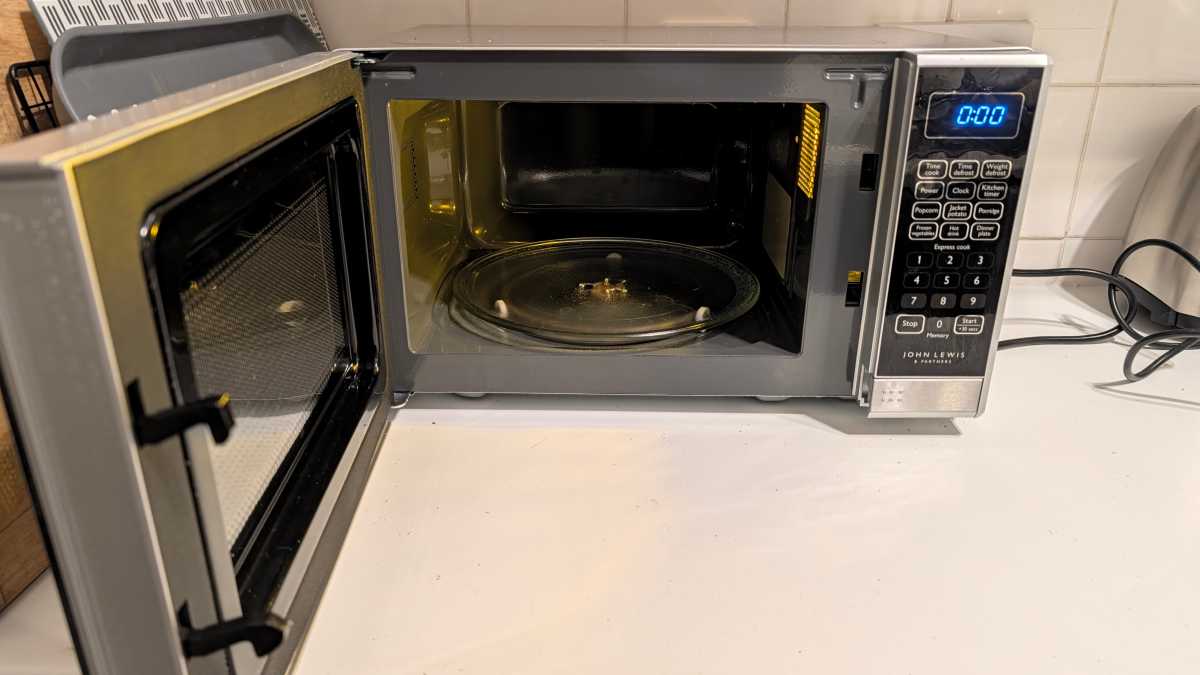
Once it was set up, I took a step back and admired my “work”. The corner of my kitchen looked identical. You genuinely wouldn’t know anything had gone wrong, although I was tired, poorer, and slightly jumpy around potatoes.
Anyron Copeman / Foundry
At least I know that if something happens again in the next two years, I won’t have to pay another penny. Though presumably, if you keep claiming against “accidental damage”, at some point John Lewis stops paying out. I don’t want to be the one who finds out.
As a tech journalist, I’d advise you to time your kitchen misadventures closer to a major sale than I did. John Lewis has since dropped the price of the microwave to £65 for Black Friday. Rookie mistake on my part.
The AI reality check I needed
The exploding potato incident has taught me a valuable lesson.
When AI chatbots first emerged, I didn’t want anything to do with them, believing they were doing more harm than good to humanity (okay, nothing has changed there).
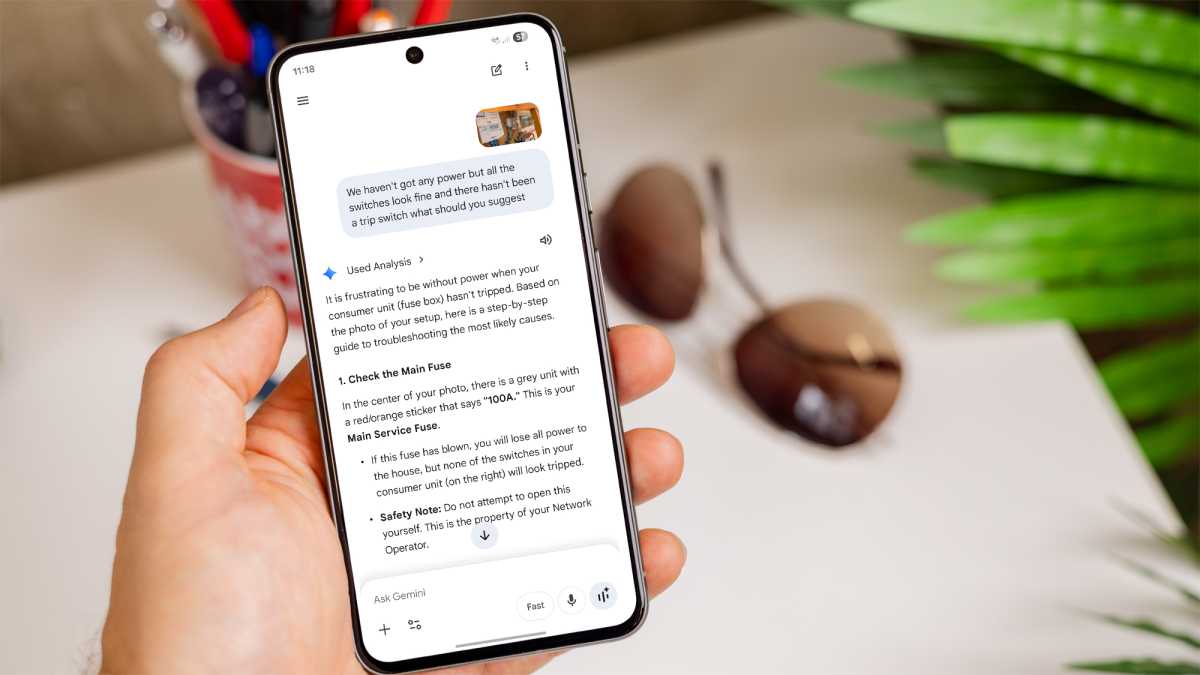
But after it guided me through a stressful power cut earlier this year, Gemini took on an increasingly significant role in my life. I started using it to plan trips, get product recommendations and troubleshoot the near-daily issues with my countertop dishwasher (which turned out to be due to a faulty unit).
Foundry
Turning to Gemini and later Claude for meal inspiration felt like the logical next step. I could fine-tune the recipes to my exact nutritional preferences and easily adjust them depending on what I had in the cupboards.
But Claude’s dangerous advice reminded me of the serious pitfalls of AI chatbots. It went far beyond incomplete or inaccurate statements; it suggested doing something with serious safety and financial implications. It’s simply unacceptable.
Since then, I’ve scaled back my use of AI significantly. It’s most useful at work, where I can brainstorm headline ideas (colleagues > AI always, though) and find specific answers or academic research to back up points I make. Most importantly, I always verify the source before taking it further.
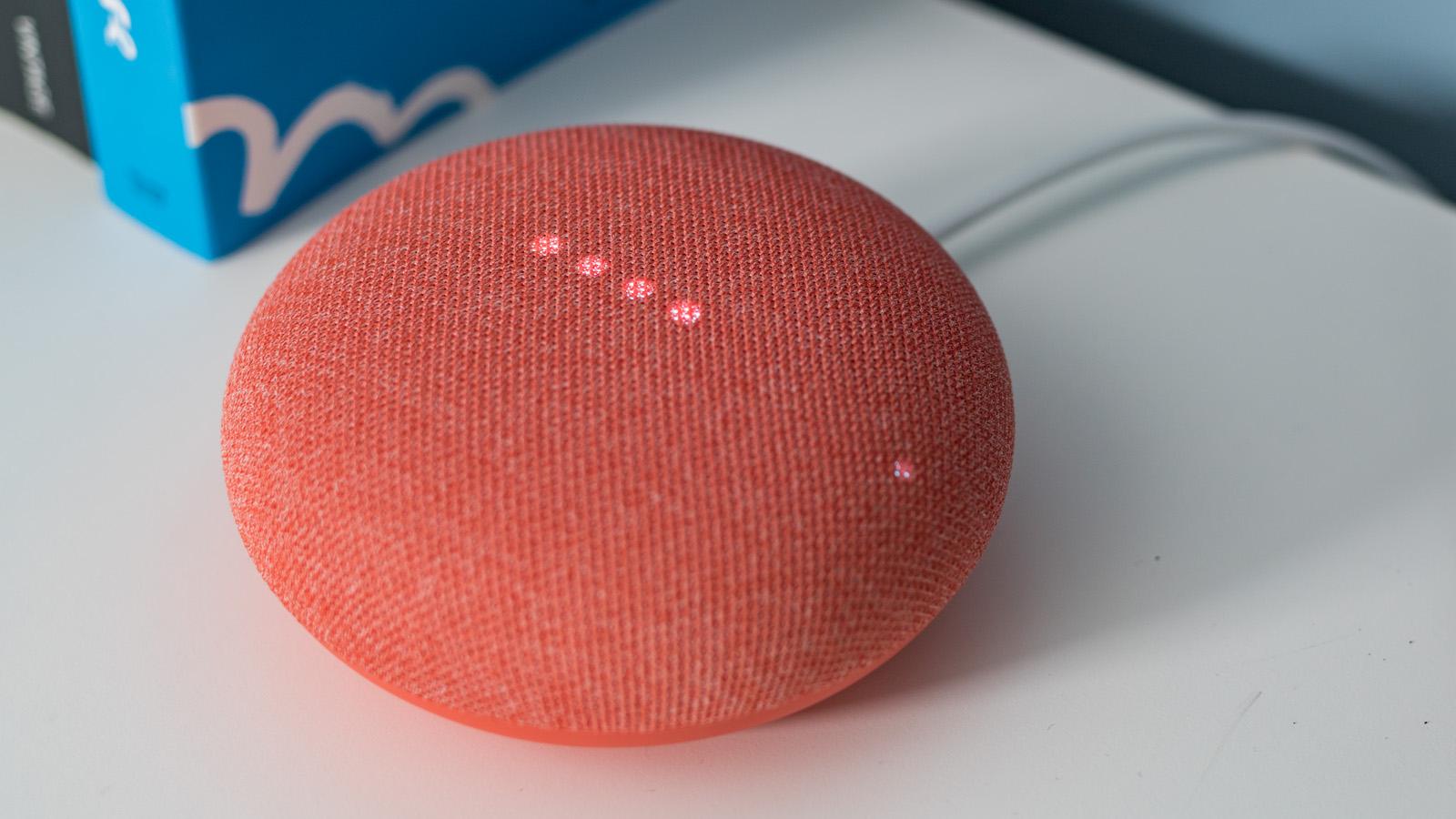
In my personal life, Gemini is most useful on my Google Nest Mini smart speaker, where it can answer quick questions and handle follow-ups in a way Alexa on my old Echo Dot never could (though the new Alexa+ appears to have closed the gap). It satisfies my curiosity about the world without sucking me into compulsive usage, which phone interfaces seem to be built for.
Foundry
It’s clear I’m not alone in making expensive, AI-driven errors around the home. 12% of respondents to a Censuswide survey (of more than 2000 UK adults) said they had to pay a professional to fix or redo botched work due to bogus social media or AI advice.
Tradespeople are noticing, too, with 7 in 10 technicians at property care company Peter Cox saying they’d encountered people needing help after following AI advice.
The consequence of my AI error was purely financial, but it’s easy to see how much worse it could’ve been.
It’s certainly been a wake-up call for me, and it reminded me that strong rigour must be applied to all AI-generated content, not only in the sensitive fields of law and healthcare.
Since ditching AI for meal planning, I’ve rediscovered the joy of cookbooks. It turns out that extensively-tested, entirely human recipes are much safer and more delicious than anything AI can churn out. I just wish it hadn’t taken me £85 and a wasted day to figure that out.