Here’s every Googlebook price, release date & key specs
This week, Google gave its new laptop initiative a proper launch and devices from big brands such as Dell and Lenovo are now available to pre-order, but how much do they cost, where can you buy them and when can you get your hands on one?
Oddly, some of that information is hard to come by, but we’ve done some digging to bring you all the key information.
The Googlebook range brings a ‘new category’ of laptop to the market. Not a replacement for Chromebooks, but with a Googlebook OS based on Android, designed to work flawlessly with Android phones.
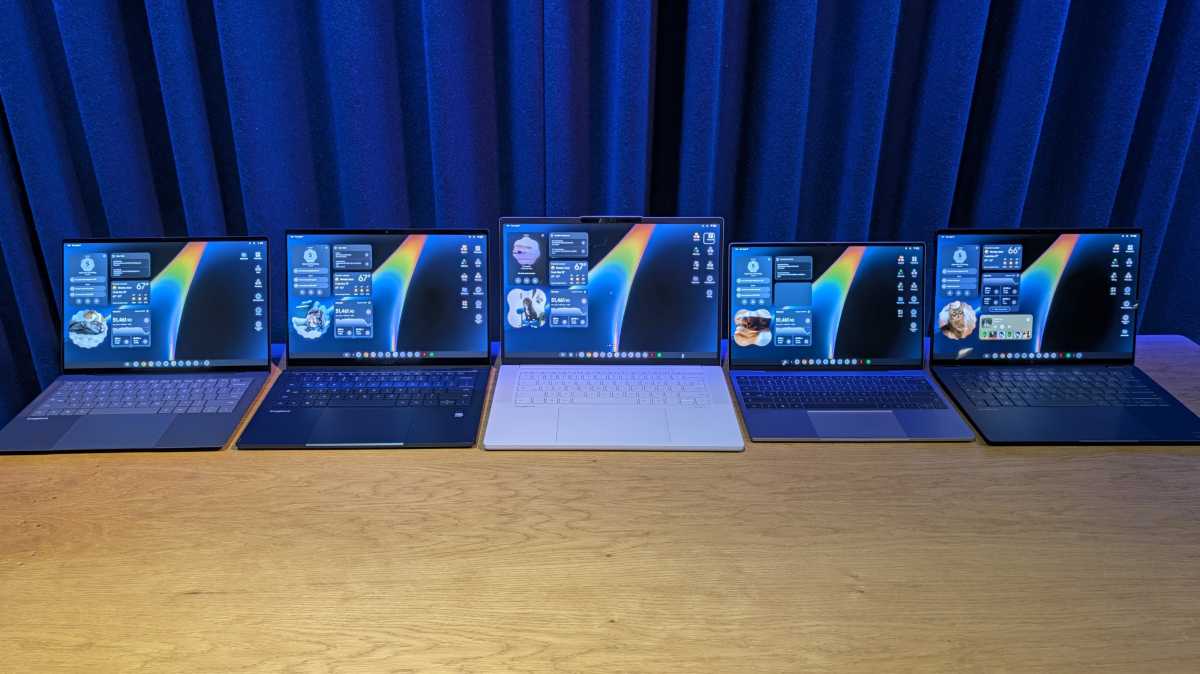
Also bear in mind that this time around, Google hasn’t made an own-brand device. Instead, it has partnered with the biggest laptop brands to launch a first wave of five models: Dell, Acer, Asus, HP and Lenovo.
Anyron Copeman / Foundry
Oddly, there’s nothing about Googlebooks on the official Google store in the UK and only three are on the US store.
Regardless, every single one comes with 16GB of RAM and 512GB of storage as standard, as well as features like the Glowbar, a fingerprint scanner and Gemini Intelligence.
Here they are, in ascending price order, with all the key info you need:
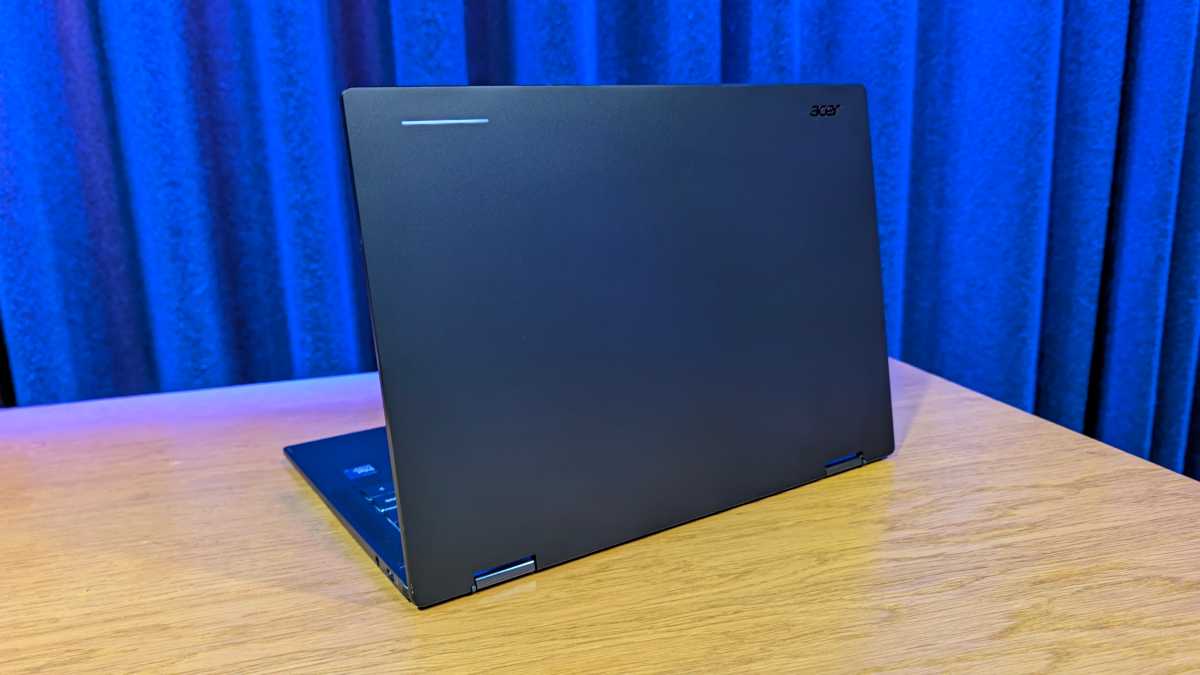
Acer Googlebook 14
Anyron Copeman / Foundry
Key specs:
- Intel Core Ultra 5/7 Series 3
- 14-inch OLED (2880×1800) touchscreen, 120Hz
- Gorilla Glass trackpad
- 1.13kg
- USB-C x3
- Fingerprint sensor
- Aluminium and Magnesium
- Up to 16 hours battery life
Summary and reasons to buy:
The Acer Googlebook is the cheapest of the range and the only model with a 360-degree hinge, making it a convertible laptop. It’s somewhere in the middle of the pack for battery life and is limited to only USB-C ports.
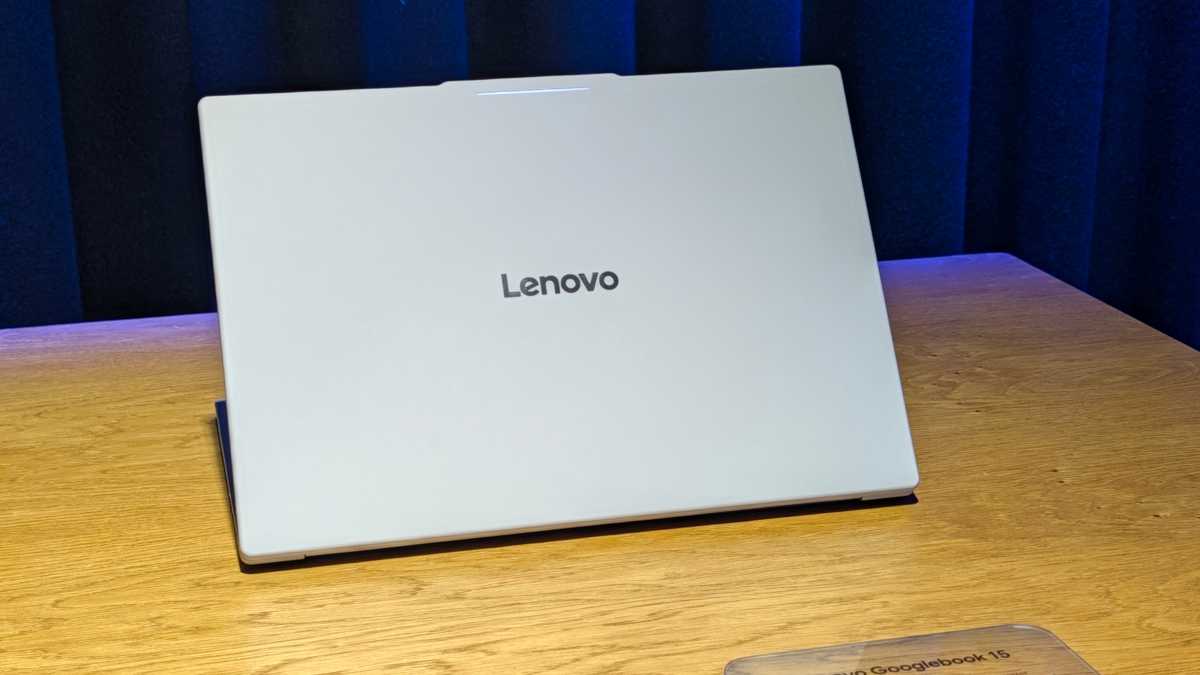
Lenovo Googlebook 15
Anyron Copeman / Foundry
Key specs:
- Intel Core Ultra 5 Series 3
- 15.3-inch (2880×1800) OLED touch display
- 1.27kg
- USB-C x 2, USB-A, HDMI
- Dolby Atmos
- Magnesium-alloy and carbon fibre
- Haptic touchpad
- Face authentication and fingerprint sensor
- Physical Camera Shutter
- Up to 13 hours battery life
Summary, pros and cons:
Lenovo has the biggest screen of the five Googlebooks and is one of only two to offer facial biometrics alongside the fingerprint scanner. You also get a range of ports and a physical camera shutter for privacy. On the downside, it offers the shortest battery life.
Dell XPS Googlebook
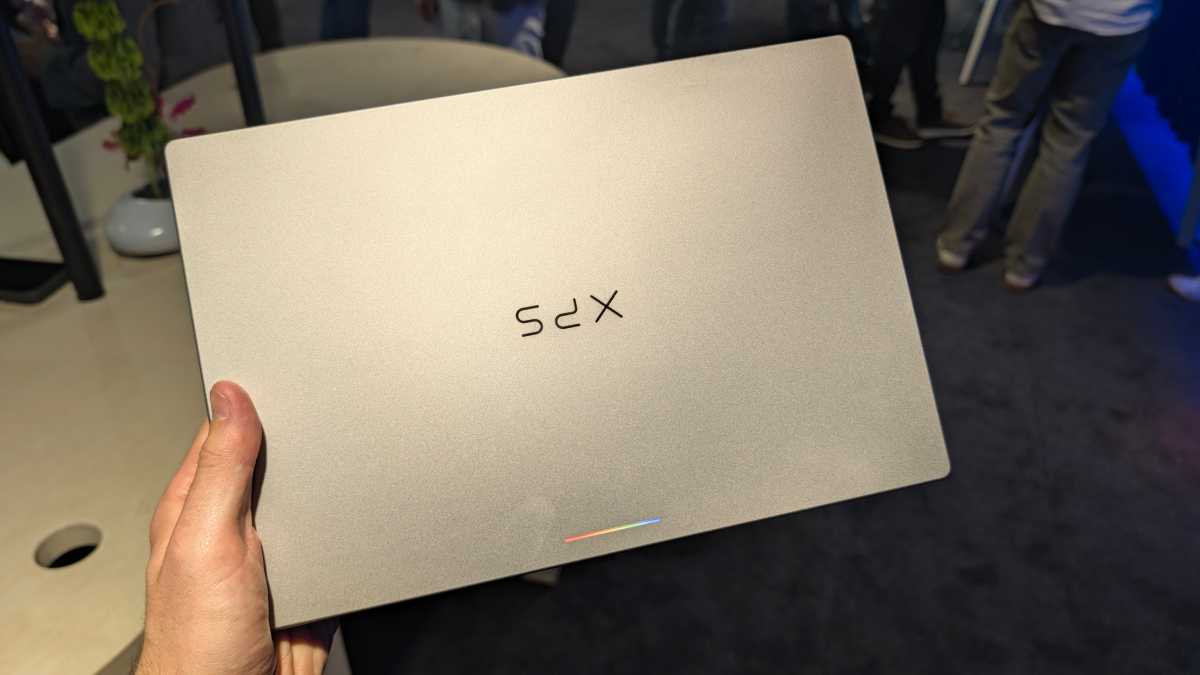
Anyron Copeman / Foundry
Key specs:
- Qualcomm Snapdragon X Elite
- 13.4-inch (2560×1600) IPS touchscreen, 120Hz
- 1kg
- USB-C x2
- Machined Aluminum chassis
- Fingerprint sensor
- Up to 18 hours battery life
Summary, pros and cons:
Dell’s XPS Googlebook offers a compact and svelte design along with solid battery life. On the downside, it’s the only one without an OLED screen and you have limited USB ports.
Asus Googlebook 14 (CX9)
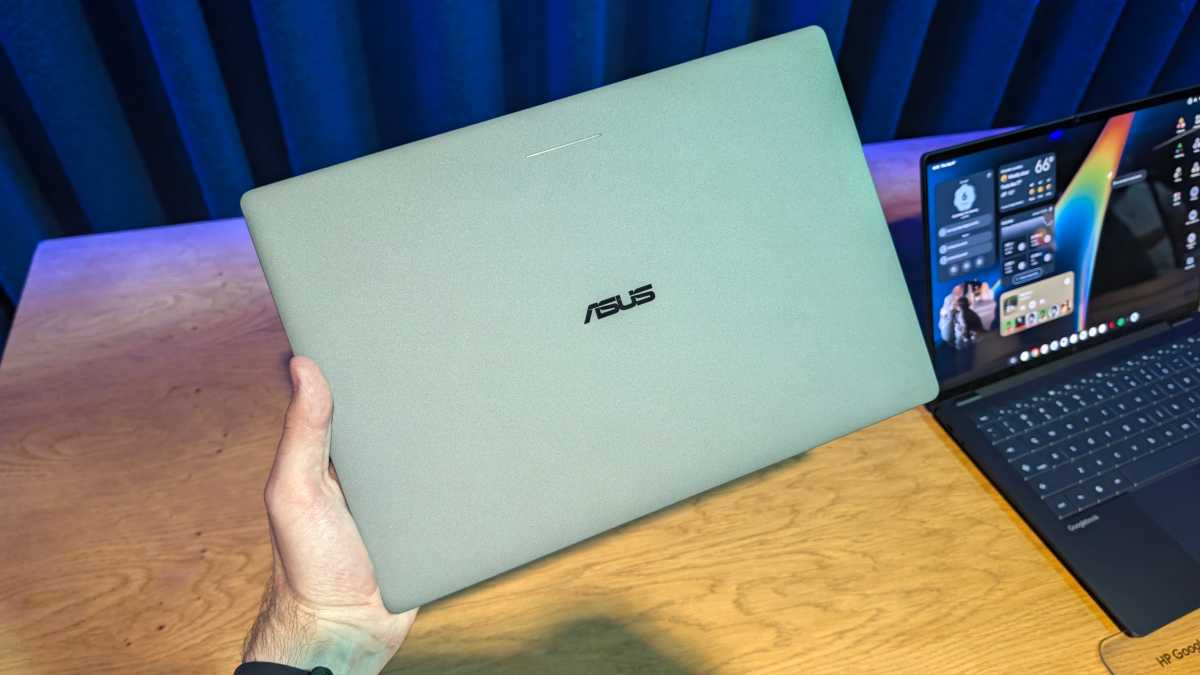
Anyron Copeman / Foundry
Key specs:
- Intel Core Ultra 5/7 Series 3
- 14-inch (2880×1800) OLED touchscreen, 120Hz
- 1kg
- USB-C x2, USB-A, HDMI
- Aluminium and Magnesium chassis
- Haptic touchpad
- Fingerprint sensor
- Up to 20 hours battery life
Summary, pros and cons:
The Asus Googlebook is strong in a number of areas, including weight, ports and the longest quoted battery life of the five. It’s just not as cheap as some and lacks face authentication.
HP Googlebook 14c
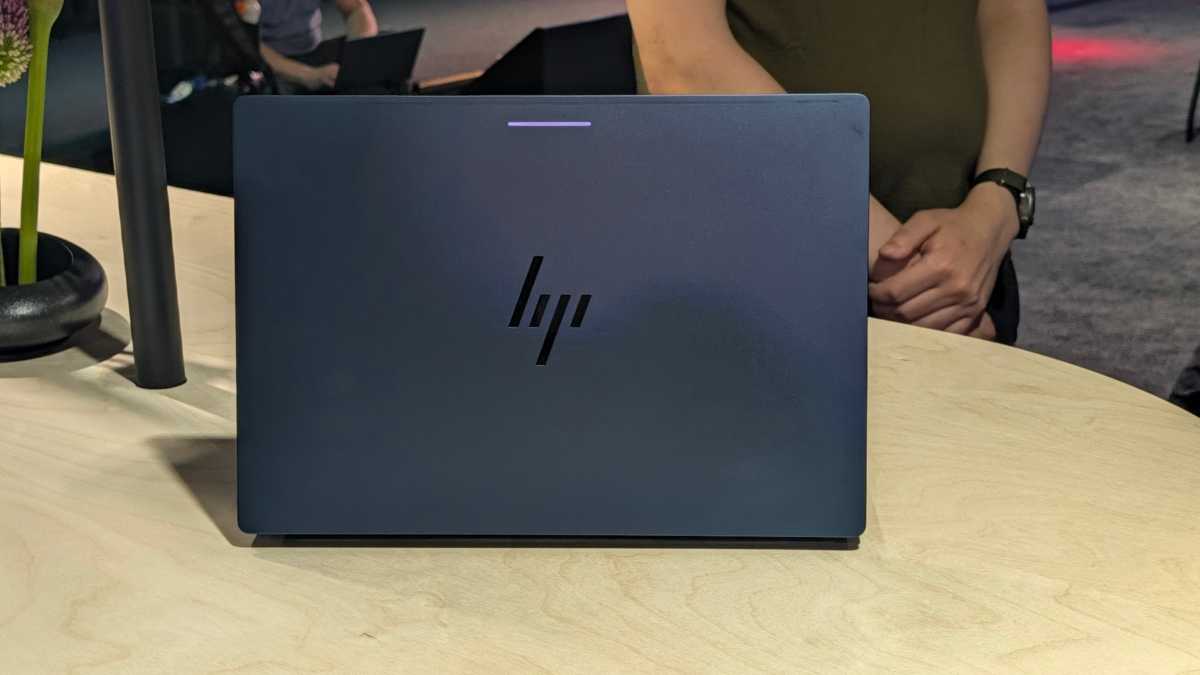
Anyron Copeman / Foundry
Key specs:
- Qualcomm Snapdragon X Elite
- 14-inch (2880×1800) OLED touchscreen, 120Hz
- 0.98kg
- USB-C x2
- All-Aluminum build
- Haptic touchpad
- Face authentication and fingerprint sensor
- Up to 19 hours battery life
Summary, pros and cons:
HP’s Googlebook offers almost the longest battery life (only 1 hour behind Asus) and is one of two to support facial biometrics. It looks to be an all-rounder but is the most expensive and had limited USB ports.