If these iPhone Air 2 specs are real, it’ll be a phone with a purpose
Apple’s iPhone Air 2 is expected to launch next spring, along with the iPhone 18 base model and 18e. According to leaker Digital Chat Station, who’s become one of the most reliable sources of Apple rumours, the follow-up to Apple’s first slim phone will fix a couple of key issues with its predecessor.
In a Weibo post, the tipster outlines what they claim will be the phone’s key upgrades: “a 2nm A20 series chip… an added ultra-wide-angle lens, and a larger battery”.
As far as we’re concerned, it’s the battery and camera upgrades that really matter, as these were the key features that didn’t line up with the iPhone Air’s price point.

Anyron Copeman / Foundry
The original iPhone Air went on sale starting from £999/$999 for 256GB of storage. Since its 9 September 2025 launch, the RAM crisis has deepened and Apple took the unprecedented step of increasing the prices of some of its already released phones, including the iPhone Air.
If you were to buy it today from Apple, you’d be paying from £1,099/$1,099. (Still, it’s available for less from other retailers.)
But with phone prices now clustering higher than ever before, £1,099/$1,099 isn’t a ludicrous sum to pay for a high-quality phone. It’s well under flagship prices.
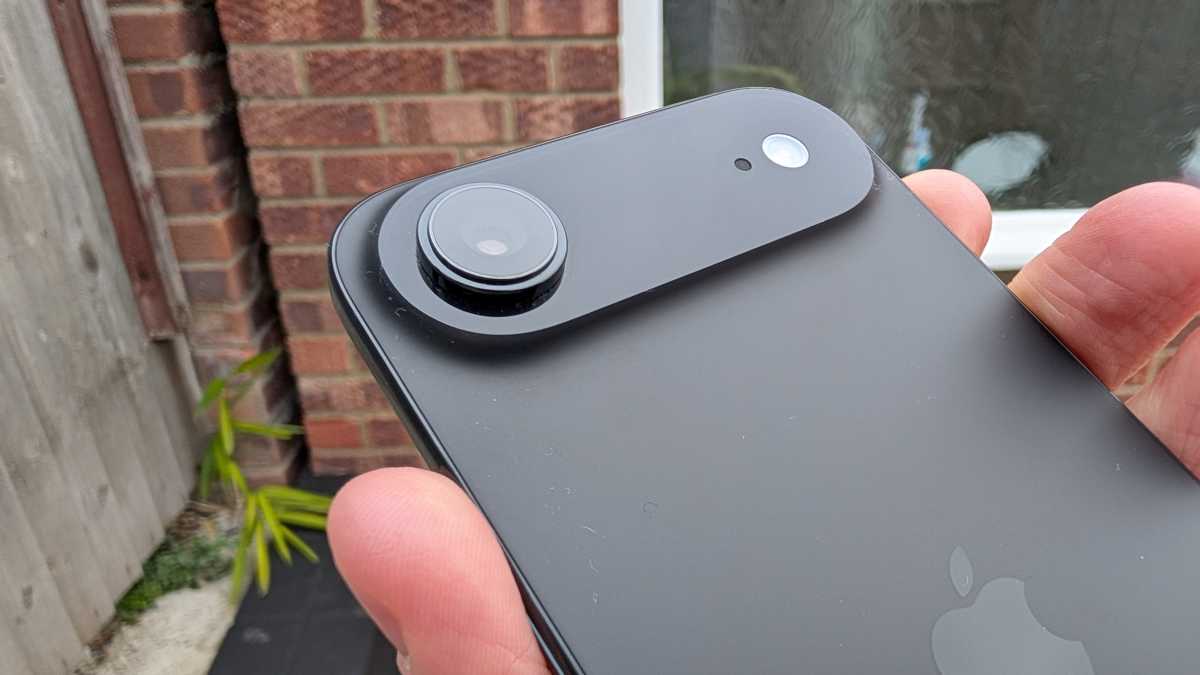
However, it is a lot to pay for a phone with a single camera and a modest battery set-up. In our review of the iPhone Air, our Mobile Editor Anyron said: “With moderate use – around three hours of screen-on time – a single charge will comfortably get you to the end of the day.”
That’s not terrible, but if you’re spending north of £/$1K, you probably want to be confident that you can get through an entire day without charging if you’re travelling or if you need to work on your phone.
Then there’s the lack of an ultrawide camera. That’s an annoyance in itself, especially if you want to use your phone for holiday snaps. But when coupled with the lack of a telephoto lens (no, Apple’s “2x optical zoom” doesn’t count, as it merely crops a standard image), you’re very limited in the quality of landscape shots you can take on an Air. Portraits and selfies, however, are very good.
Anyron Copeman / Foundry
Who’s it for?
All of these factors led us to question who the iPhone Air was really for. Although it’s beautifully designed, it’s not a practical phone – we called it “the least sensible phone ever” – especially for its price point.
And it didn’t find its market niche. It didnt it sell particularly well, although it outperformed the likely sales of the Plus model it replaced. The iPhone Air was, for a while, considered to be an experimental release that used the same space-saving fixes as the iPhone Duo (both share the camera plateau that allows for a slimmer chassis elsewhere), and would probably only see one generation. So the news that Apple would be issuing a follow-up was met with some surprise.
But with the tweaks and upgrades to the iPhone 2 that Digital Chat Station posits, it’s starting to look like a pretty good buy.
Here they are in full:
- 6.55-inch 1.5K+ 120Hz LTPO OLED display
- 2nm A20 series chip
- 48Mp dual-camera setup
- New ultra-wide-angle lens
- Larger battery
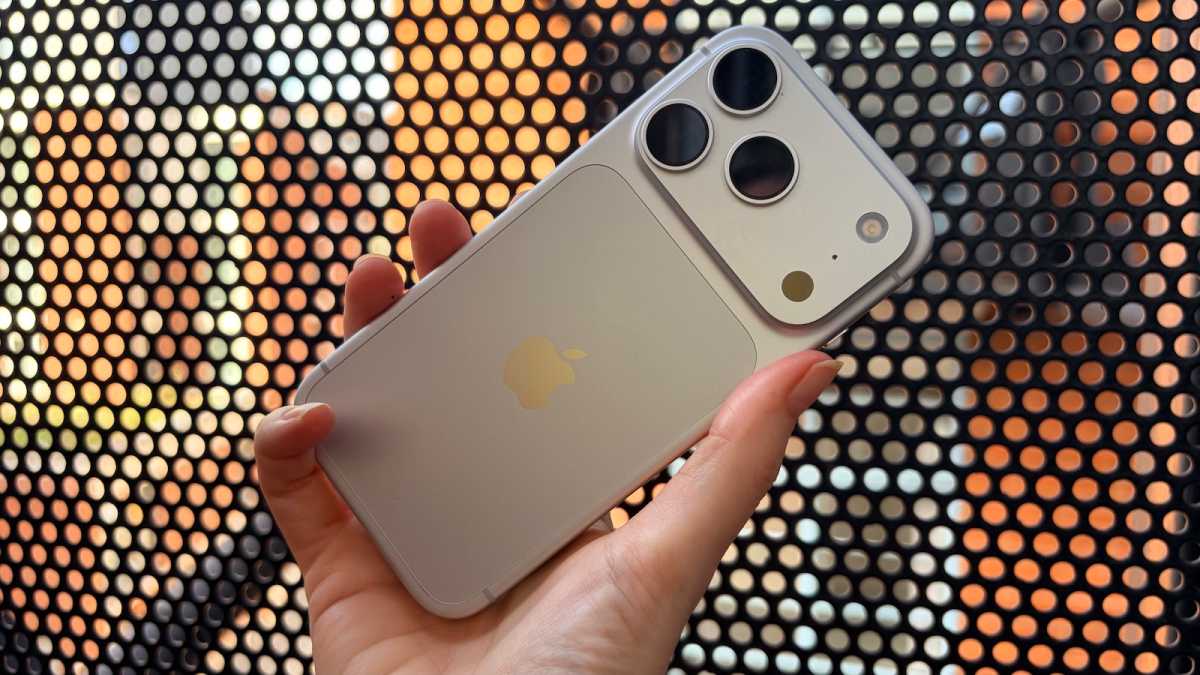
The iPhone Air 2 could then offer something that a significant number of people want: a light, compact phone that’s a good all-rounder. If Apple can keep its weight the same, it’ll be a substantial 46g less than the iPhone 18 Pro (below) and is, of course, one of the slimmest phones available.
Emma Rowley / Foundry
Price matters too. If that stays steady, the Air 2 will be £100/$100 less than the iPhone 18 Pro. In other words, it’s pricey but not eye-watering, which will start to look like very good value as brands increasingly focus on their higher-margin flagship models.
Samsung, for example, is reportedly cutting back on its affordable A-series phones while adding a new model to its foldables line-up.
All in all, by the time 2027 rolls around, the iPhone Air could very well be one of Apple’s most sensible buys.
To see what we think of the latest iPhone releases, see our reviews of the iPhone 18 Pro and the iPhone Duo.