Microsoft Surface Phone leak has me wondering what might have been You Should Know
Anyone who has been following the smartphone industry since its inception – middle-aged nerds, that’s who I’m talking about (guilty as charged) – will be able to tell you that this didn’t used to be a two-horse race.
For a time, Microsoft was the third spoke to this gigantic wheel with its Windows Phone platform (not to mention BlackBerry in the mix too). Its move to gobble up Nokia in 2014 ultimately proved to be a failure, and it exited the market just a few short years later.
However, a fresh image has emerged on Windows Central offering a glimpse at a potential sliding door moment from a time just before that fateful merger.
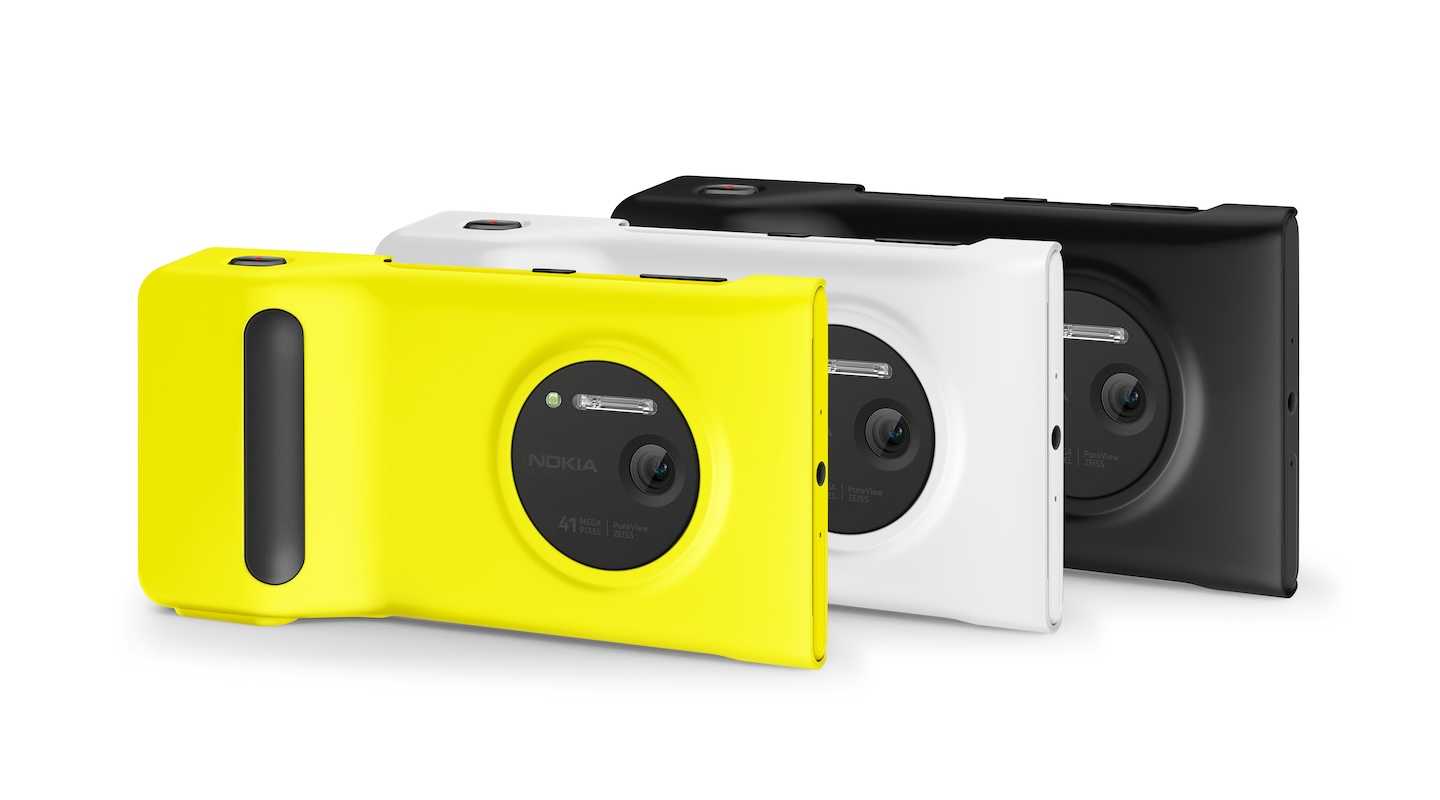
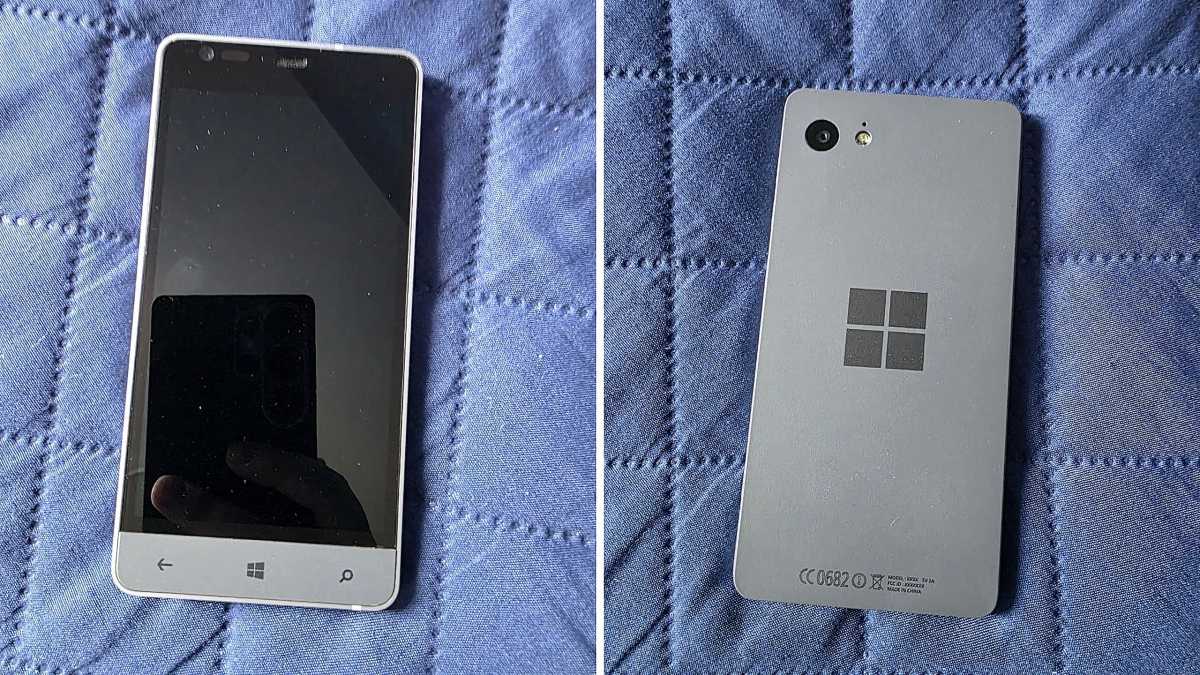
The image shows a prototype for the so-called Surface Phone, which seems to date from some time in 2013 – the same year as the iconic Nokia Lumia 1020 arrived (shown above). The device was reportedly set to launch the following year alongside the company’s Surface Pro 2-in-1.
It seems to be running an early build of Windows Phone 8.1, and is powered by an unnamed Qualcomm chip. The display is a humble 720p affair, but then 1080p only just started becoming a normal spec around this time.
Windows Central
What might have been
The design of the phone itself is very much in keeping with the company’s Surface aesthetic, which made its way into a Microsoft Surface Duo 2, with a flat-edged metallic body and a Windows logo on the back. On the front, below that display, a set of three navigation keys, with the Windows logo in the middle.
There’s also a single camera on the back.
According to the report, there are individual volume up and down buttons on the right-hand edge, and a power button on the top, with a 3.5mm headphone jack (RIP) on the bottom alongside the micro-USB port.
Despite its age and some of these obviously dated elements, I think this is a bit of a looker. While I was a fan of Nokia’s design work during this period (the Nokia Lumia 920’s unibody polycarbonate shell still feels like a good idea today), this Microsoft design seems to have been just ahead of where smartphone design ended up going during the metal unibody era.
Who knows what might have been if Microsoft had opted to launch this off its own back?