Oppo Reno 16 overview: Style & substance
At a glance
Expert’s Rating
Pros
- Compact and durable
- Solid cameras
- Bright AMOLED screen
- Some great software features
Cons
- Pre-installed bloatware
- Mind Space needs work
- No wireless charging
Our Verdict
The Oppo Reno 16 is one of those phones that doesn’t do quite enough to stand out from the busy mid-range crowd, but it hits most major checkmarks to the point where, for a lot of people, it’ll give you exactly what you want from a new smartphone. If the handset didn’t include such a significant price increase over previous Reno phones, then it might have an element of value in its corner, but it feels a bit overpriced for what you’re getting, particularly the chipset and lack of wireless charging.
Price When Reviewed
This value will show the geolocated pricing text for product undefined
Best Pricing Today
Best Prices Today: Oppo Reno 16

With the Oppo Reno 16, the brand has thrown its hat into the mid-range ring yet again, providing consumers with a tempting alternative option to add to an ever-growing list of contenders including Google Pixel and Samsung Galaxy.
In general, it’s more common to associate Oppo with the higher-end of the smartphone market. After all, the Oppo X9 Pro and the Oppo Find X9 Ultra were instant winners in the bid to be the best camera phone upon release, giving the likes of Samsung and Xiaomi a serious run for their money, and the Find N6 almost perfected the foldable format.
This hasn’t always been the case however, as the Oppo Reno mid-range handsets have been mainstays in certain parts of the world, but the last two generational updates never made their way to the UK. The Oppo Reno 16, Reno 16 F and the pricier Reno 16 Pro have come to break that cycle, and with fairly intentional timing too, given that OnePlus, which is owned by Oppo, has now shuttered its operations in the West.
So after a hiatus, was the Oppo Reno 16 worth the wait? I’ve spent a few weeks with the phone as my main device to find out.
Thomas Deehan / Foundry
Design & Build
- Smaller than before
- Rounded edges that feel great in the hand
- Upgraded IP69K certification
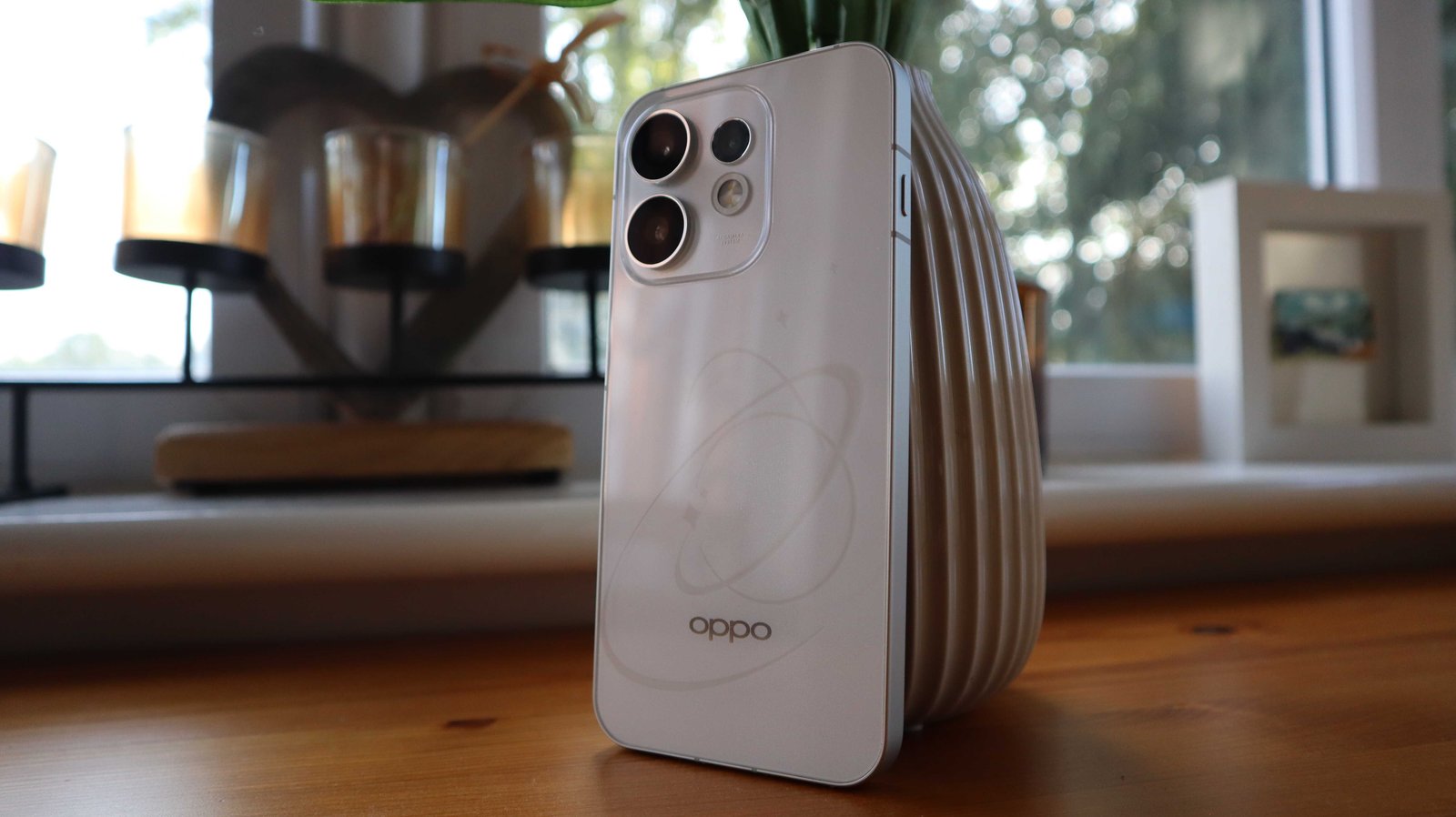
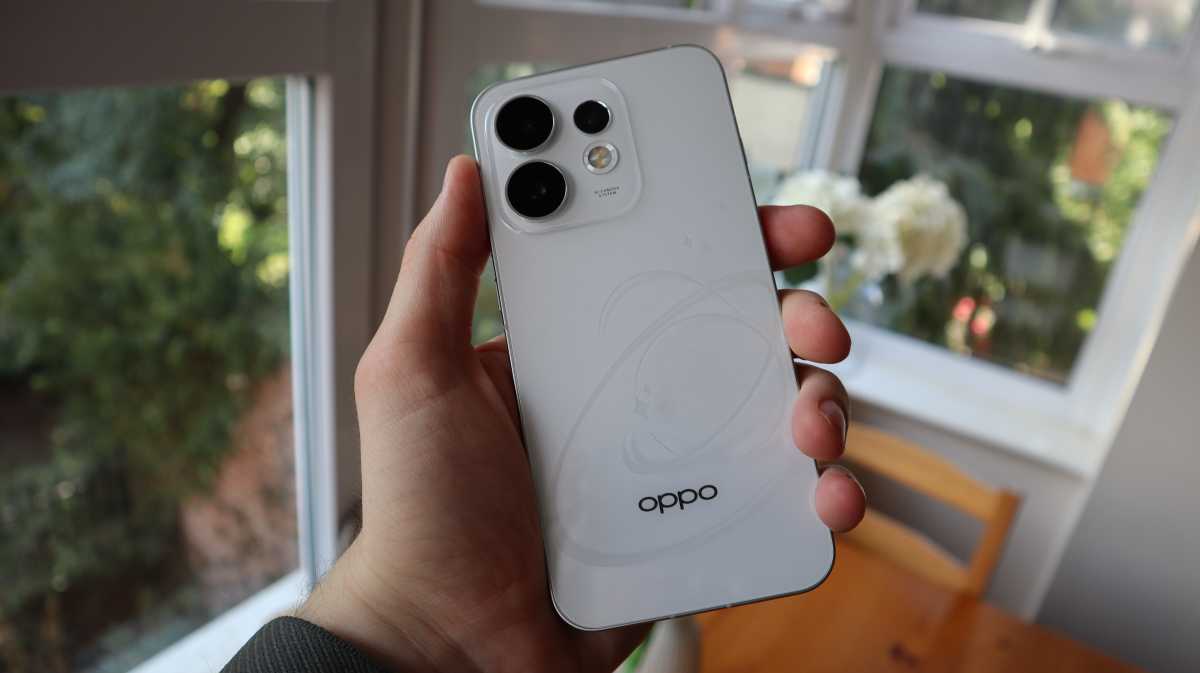
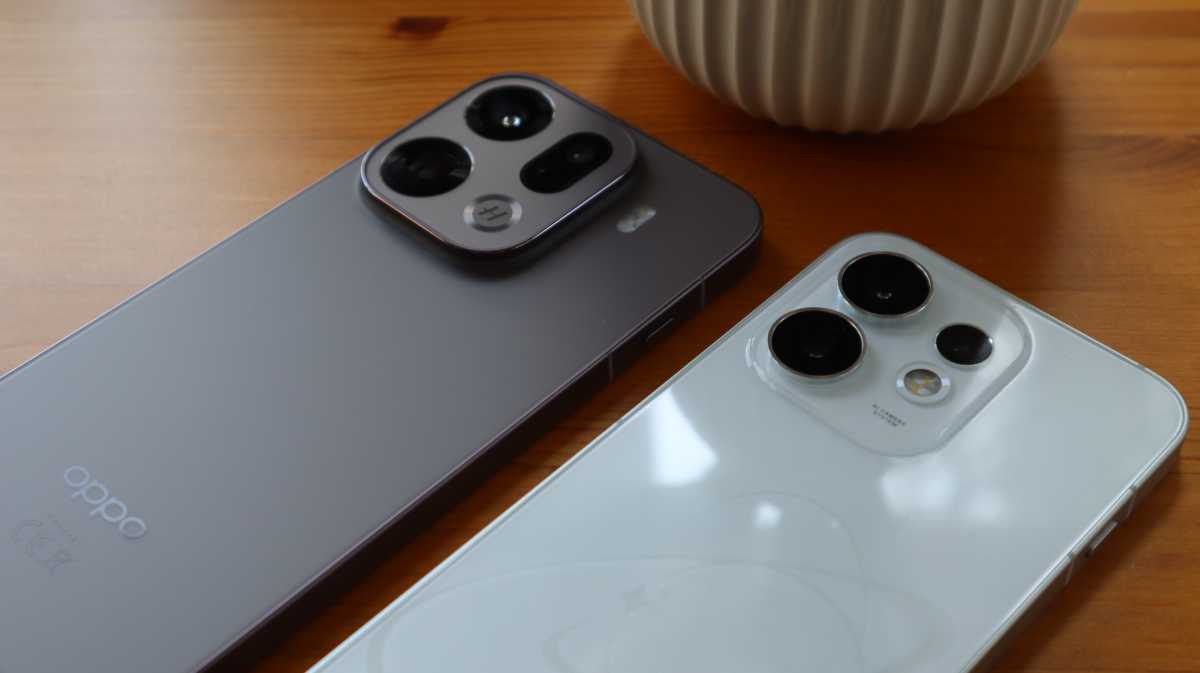
For the purpose of this review, I’ve had the Pop White variant of the Oppo Reno 16 in tow (you can also get it in Purple Black), but one of the most amusing moments came when a friend completely mistook the phone for one of the latest iPhones, and to her credit, there is something there.
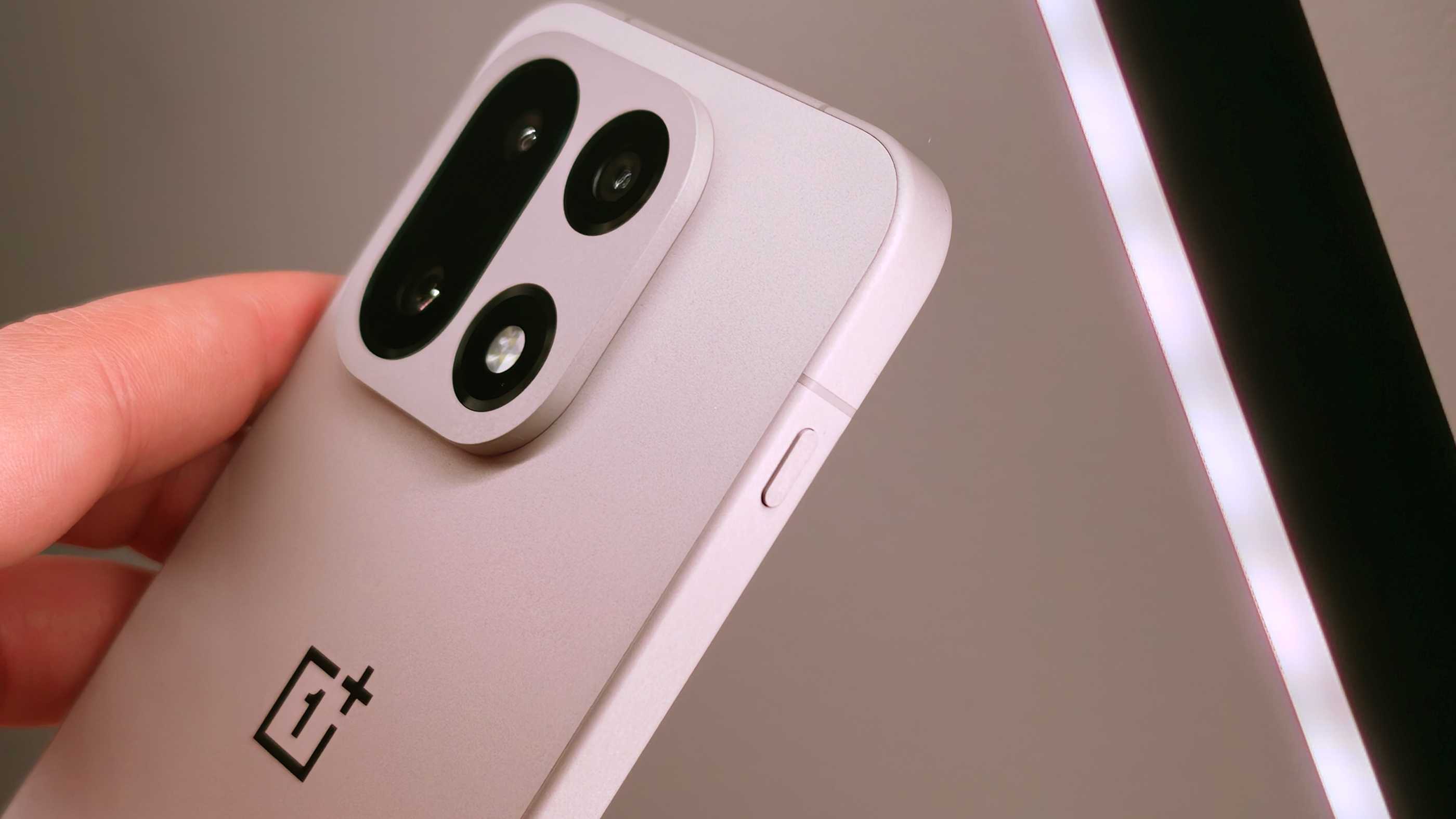
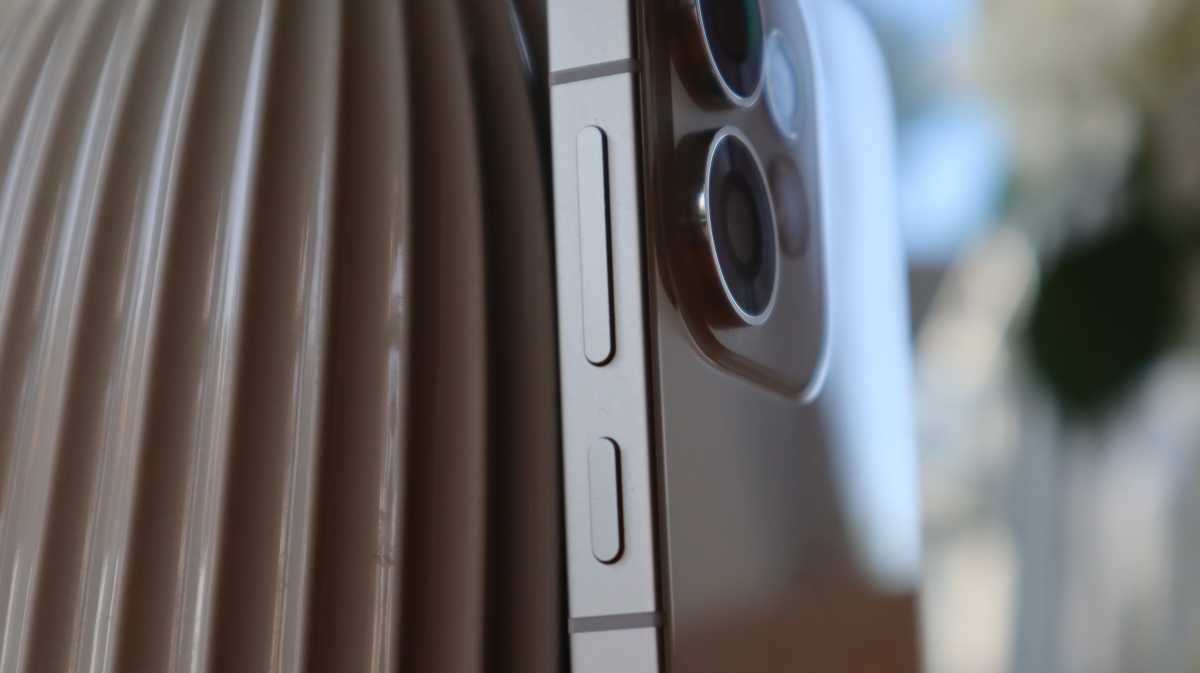
From the side, the Reno 16 carries similar railings to an iPhone, alongside the same rounded-off edges that make Apple’s devices feel so comfortable in the hand. The prominence of the wide and telephoto lenses also feel like they’ve taken a leaf out of the iPhone 17’s book, so the comparison is valid, although I don’t think it’s as close as the Honor 600.
it took me right back to the days when 3D tech was all the rage, and I like its implementation here
Still, even without a wholly original design, the Oppo Reno 16 looks great, and the fact that it’s just slightly smaller than its predecessor and better sized to be used one-handed is simply lovely. The phone has a premium feel too, with an aluminium frame and a glass backing, not to mention the somewhat eye-bending 3D graphic that features on the Pop White variant.
If you move the phone around in your hand, you’ll see a planet, which is etched into the back of the device, leap out from its confines with some impressive depth. I’m not quite sure how it all works, but it took me right back to the days when 3D tech was all the rage, and I like its implementation here.
If anything, I would like to see more companies take note as a means of helping their own devices to stand out. Bear in mind, though, that there is no such effect on the back of the Purple Black variant.
Thomas Deehan / Foundry
In terms of durability, the phone is tougher than before with an upgraded IP69K certification, which gives it the ability to not only withstand a dip in the water, but also high-pressure jets, should such a thing ever come your way. Even though I pride myself on being very careful with tech at large, the Reno 16 did escape my hands at one point and fell straight to the hard floor of my flat. Thankfully, nothing was damaged, nor could I see any sign that the drop had even taken place.
Compared to the Oppo Reno 15, there’s an extra button in the form of the Snap Key which sits on the left-hand side and acts as a quick select function for a feature of your choosing, similar to Apple’s Action Button. Unlike the Find X9 series, there isn’t a Quick Button on the right-hand side to access the camera app in a pinch, but you can set the Snap Key to do the same thing.
Screen & Speakers
- 6.32-inch OLED display
- 1.5K resolution and 120Hz refresh rate
- Stereo speakers work well
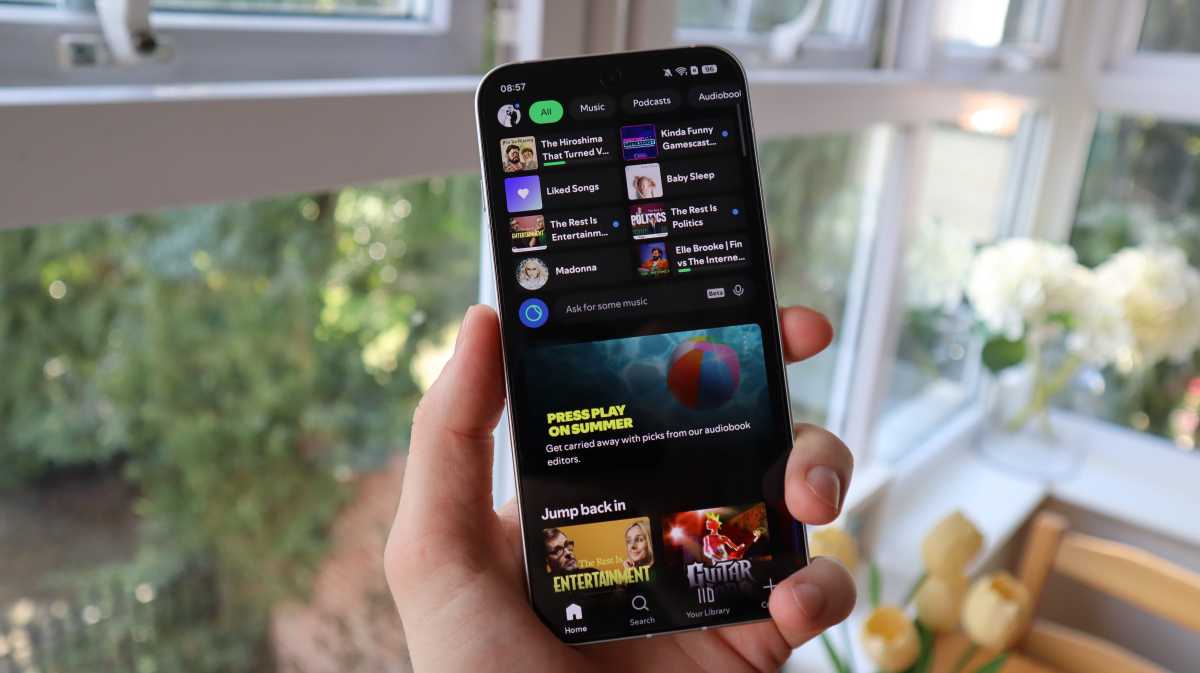
While some people might prefer having a larger display, particularly when it comes to watching entertainment (my Galaxy S25 Ultra is a go-to device for exactly that), I do prefer the smaller footprint of the Reno 16 overall as it makes the 6.32-inch display easier to use in all scenarios.
The screen feels zippy and responsive, plus I never felt the need to perform hand acrobatics in order to reach the top of the panel. For moments when you’re commuting on public transport and you’re using one hand to keep hold of a railing, it’s a huge help. Even with the smaller panel however, the Reno 16 has quite a few upgrades that are worth mentioning.
There’s now a peak brightness of 3600 nits, which is the same as the Find X9 Pro and X9 Ultra as an unexpected upgrade

Thomas Deehan / Foundry
The display itself carries a 1.5K resolution so everything looks wonderfully crisp, and when paired with the OLED panel, the contrast between colours can really leap out from the screen. Diving into the early scenes of Avengers: Infinity War, I was impressed by how much detail came through during the multi-hero fight in New York, particularly with the surrounding destruction. I could hone in on any corner of the screen and still see plenty to catch my attention.
There are stereo speakers onboard too which make for a fun playback experience, or for playing lullabies as I’ve needed to with trying to get my six-month-old daughter to sleep through the night (the heatwaves are a menace).
There’s now a peak brightness of 3600 nits, which is the same as the Find X9 Pro and X9 Ultra as an unexpected upgrade. As you’d expect, the improved brightness makes the device much easier to use outdoors, so if you’re running for a train whilst trying to book a ticket, you won’t be left squinting to see if it’s all gone through.
The only area where I’m a little disappointed is in the refresh rate. The Reno 16 can reach 120Hz, but given that the phone now carries a price tag that puts it right at the higher end of the mid-range crowd, I feel that a 144Hz rate would have been more appropriate. After all, you can find exactly that on the cheaper Nothing Phone (4a) Pro, and the similarly priced OnePlus 15R goes even further with 165Hz.
Thomas Deehan / Foundry
Specs & Performance
- Snapdragon 7 Gen 4 is surprising given the price
- Solid performance nonetheless
- Handles games very well
I was a bit surprised when looking at the spec sheet for the Oppo Reno 16 to see that the Snapdragon 7 Gen 4 chipset was under the hood. This is the same processor found in the much cheaper Nothing Phone (4a) Pro, and I found it to be fairly on the money in terms of what you’d expect from a phone around the £500/$500 mark – it works well for most things but you’ll see the limits fairly quickly when pushing the phone with gaming and multitasking.
Given the much higher price tag of the Reno 16, something like the Snapdragon 8 Gen 5, which powers the OnePlus 15R, would have felt more appropriate. However, after having used the phone for some time now, I can say the 7 Gen 4 chip has exceeded my expectations. I’m not quite sure how Oppo has managed to achieve this, but the Reno 16 does feel like a faster phone compared to my time with Nothing’s mid-ranger.
Jumping between apps is a smooth experience, and I didn’t see any noticeable slowdown when indulging in side-by-side multitasking, which is handy for a bit of productivity on the go.
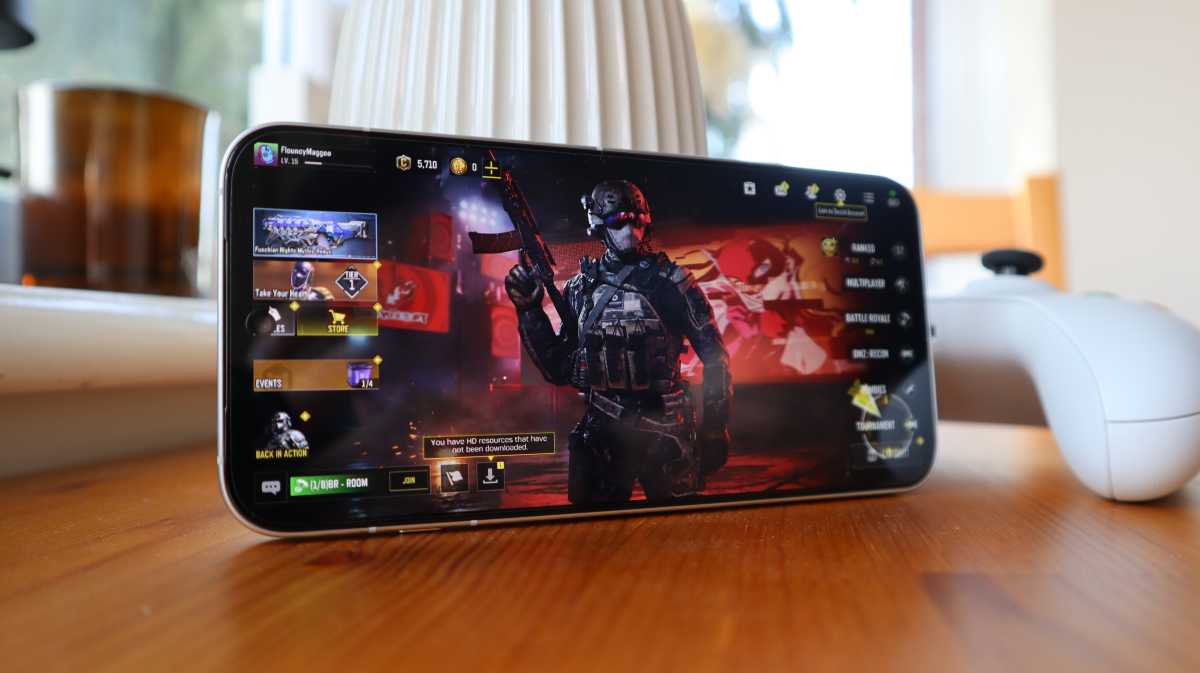
When gaming, I was able to get through several matches in Call of Duty Mobile with great performance. The game was responsive and the only thing holding me back was the touch controls (aiming is always so much easier with a controller in tow). Putting the phone to the test with Honkai: Star Rail, which is far more demanding than CoD, I was impressed to see how well the Reno 16 held its nerve.
Thomas Deehan / Foundry
It wasn’t perfect, as I would see the frame rate dip, and at times there was full-on frame skipping, but the game was playable nonetheless. Bear in mind that this test was done with all of the graphical settings maxxed out, so you’ll get a much better experience by dropping down the scale.
One impressive spec to mention is that the Reno 16 comes with 512GB of storage as standard in the UK, which is double almost every rival.
Cameras
- Three 50Mp rear-facing cameras
- 50Mp selfie camera
- Natural looking colours in shots
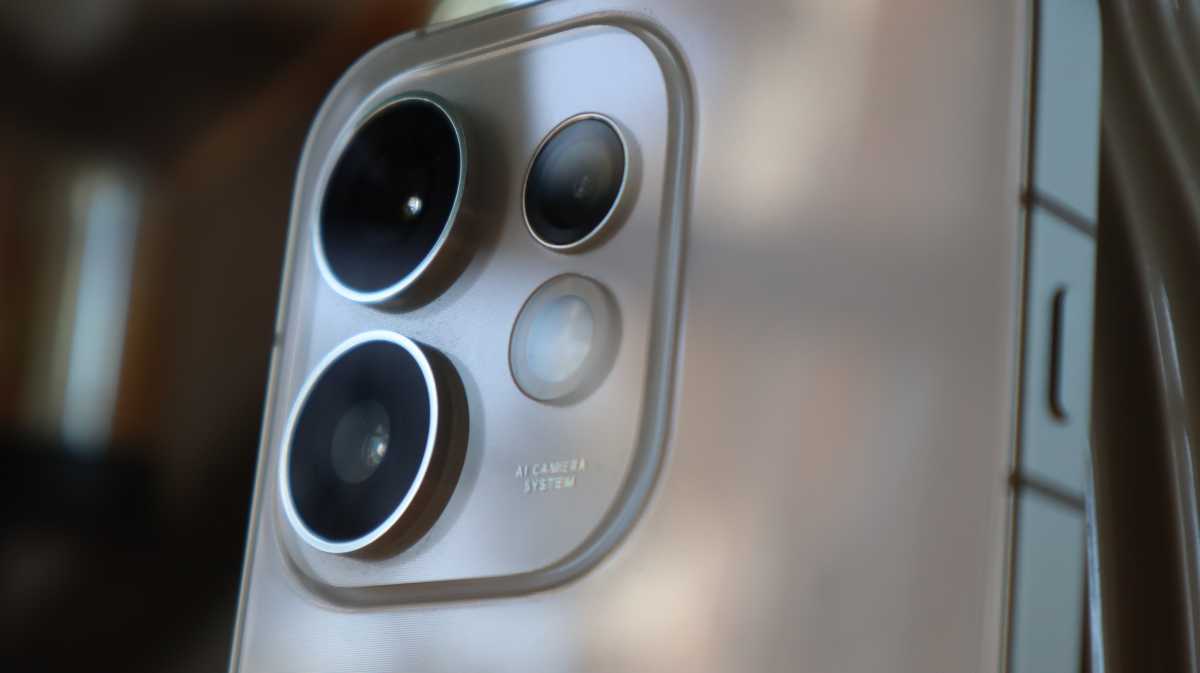
I’ve long since lost count of the amount of smartphones that I’ve tested, but when it comes to the camera set-up onboard, it’s usually a hodge-podge of different specs that take some effort to commit to memory. By comparison, there’s something rather nice about the fact that every sensor on the Oppo Reno 16 is 50Mp. The main, ultra-wide, 3.5x telephoto and the selfie camera all adhere to the same megapixel count.
Thomas Deehan / Foundry
Aside from just looking great on paper, this consistency across the cameras meant that I felt more inclined to jump between the options as there wasn’t a sense that I would be compromising on detail by choosing something other than the main wide-angle lens, and I found myself quite pleased with the results.
Across all three of the rear-facing cameras, there’s a nice amount of detail onboard which meant that any time I felt like cropping in to adjust a shot for social media, I could still hold on to a good amount of visual fidelity.
In fact, while the 3.5x telephoto lens does a great job for zoom shots, the camera app also has a button for a 7x digital zoom which is surprisingly competent. I used this digital zoom to capture Tower Bridge from quite a distance, and even though it was a somewhat overcast day in London, the Reno 16 was still able to do the scene justice.
It’s not flashy but it is confident, and it works rather well for street photography




Of course, having used both the Find X9 Pro and the X9 Ultra, I’m a bit spoiled with knowing exactly how good Oppo’s camera prowess can be, and if you are looking for a phone that can work as a genuine DSLR-style replacement that fits in your pocket, then either of those phones are worth checking out, but to give the Reno 16 its due, the phone has a natural degree of colour reproduction that I really like and is a lot cheaper than its Find brothers.
Unlike Samsung’s phones which tend to up the saturation for a shot that’s designed to capture your attention if you’re scrolling by on social media, the Reno 16 doesn’t go overboard on colour, but what that means is that the pictures I took more accurately resemble how I remember them.
It’s not flashy but it is confident, and it works rather well for street photography. In one particular shot, I managed to snap a young chef who was hard at work, but the overall composition shows just how easy the scene is to miss if you’re walking by in a hurry, and that’s what makes it great to my eyes.







Low-light photography is pretty solid, although I did notice the phone getting caught out by nearby lampposts, adding some unwanted lens flare into the mix. Still, even in pictures that did catch a flare, the rest of the shot still looked great, so you can always crop in to take it out.
Battery Life & Charging
- Long-lasting 6000mAh battery
- 80W wired charging
- No wireless charging
Despite its smaller stature, the Oppo Reno 16 carries a fairly sizeable 6000mAh battery, decimating the 4300mAh alternative found in the Samsung Galaxy S26 which is also known for being a more compact flagship phone. You do get a higher 6700mAh cell when buying the Reno 16 outside of Europe, but there’s still enough juice in the tank to keep practically everyone happy.
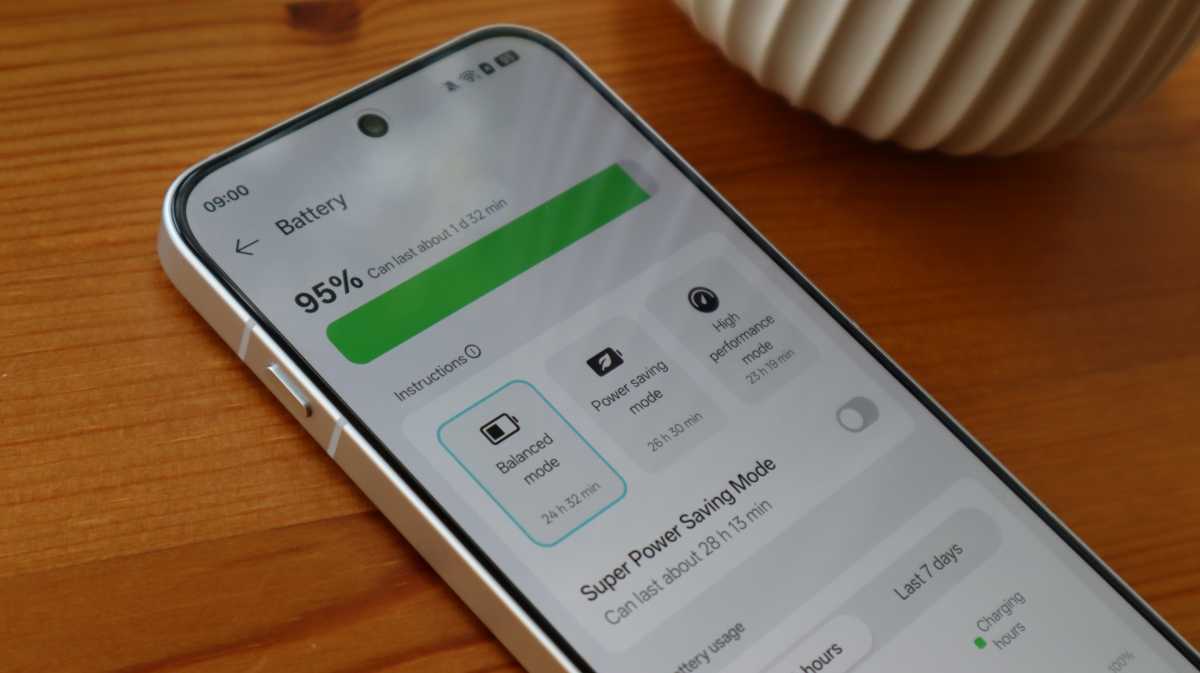
More casual users can easily stretch the phone to last for a total of two days, but I think even the most heavy-duty users would struggle to get anywhere near 0% over the course of a single day. Popping on a stream of Captain America: The Winter Soldier, the battery only dropped 8% after two hours, which is quite impressive, and the phone scored a whopping 21 hours and 52 minutes in our PCMark battery test.
There’s 80W SUPERVOOC charging available over a wired connection, but the UK version doesn’t include an adpater so I needed to use a 65W fast charger that I had to hand instead. With this in tow, it took 30 minutes to 45%, and just under an hour and 20 minutes to get the phone to a full battery.
The lack of wireless charging does feel rather egregious given the price
Thomas Deehan / Foundry
The lack of wireless charging does feel rather egregious given the price increase, however, especially as it’s a feature that you can find on cheaper options like the Pixel 10a or the iPhone 17e if you fancy venturing out of the Android ecosystem. Strangely, the Oppo Reno 16 Pro doesn’t pack wireless charging either, so you’ll have to plump for the X9 Pro if you want to stick with Oppo.
Software, Apps & AI
- ColorOS is a joy to use
- Pre-installed bloatware to deal with
- AI is a mixed bag here
If you’ve had the pleasure of using Oppo’s ColorOS overlay before, then you’ll know that it’s one of the best in the business, and that very much remains the case here. I don’t think it’s quite as slick as OxygenOS (and it’s criminal that OnePlus’ overlay is going away in the West), but it’s up there. You’re not bombarded with own-brand apps like many rivals, but there is an unfortunate amount of pre-installed bloatware to deal with.
Apps like Temu, AliExpress and CapCut can be found from the outset, so it did take me a few minutes to get rid of them all and set up the device to my liking. Still, what works in ColorOS’s favour is how you can customise a lot of the homescren to suit your style – I was quite surprised to see that you can create vertical buttons of your favourite apps and now I wish that every phone had this feature.
Oppo’s best homegrown app by far is Zen Space, which provides a very simple way for users to cut out the doomscrolling and focus on the task at hand by locking down your phone and all notifications for a time of your choosing. If you need a short break, then you can use Zen Space for just a minute and focus on mindful breathing, or pop it on for a full hour to get through a good bit of work.
As someone who automatically reaches for their phone when their mind starts to wander, it’s a helpful feature to keep your head in the game.
As someone who only ever uses AI for moments like this where I want to find a specific answer quickly, this is an amazing piece of software
Thomas Deehan / Foundry
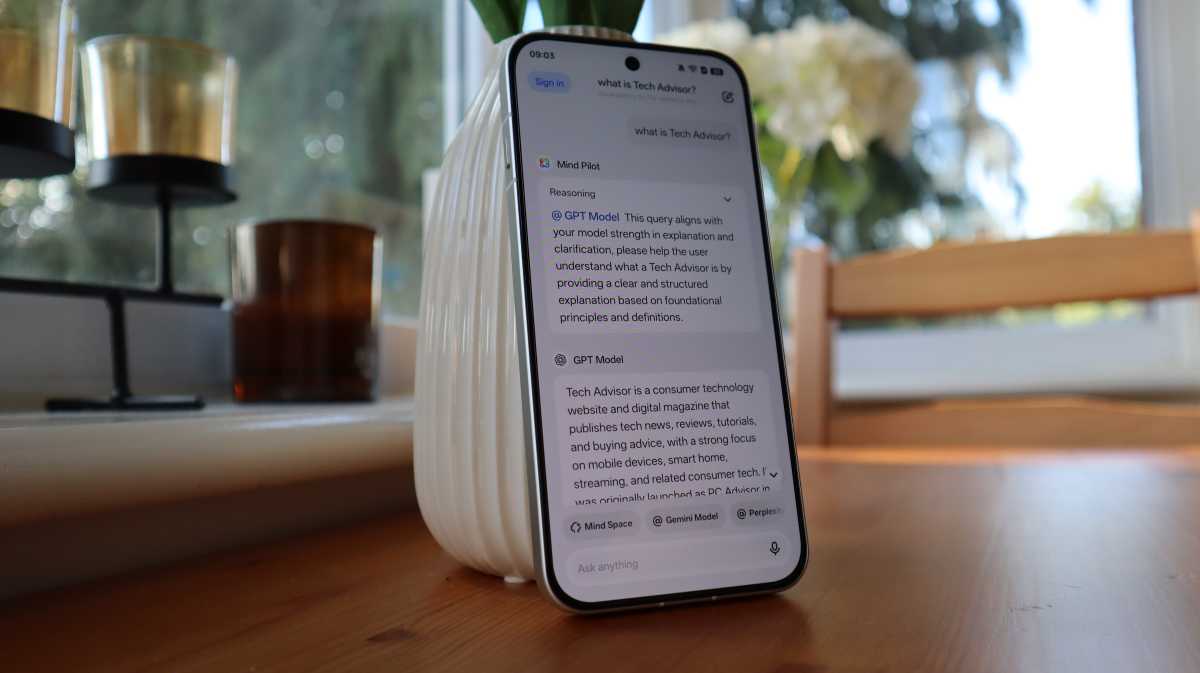
In terms of how AI is deployed across the phone, there are two main points of interest, Mind Pilot and Mind Space, both of which operate in very different ways. For what I want from AI, Mind Pilot is the better concoction of the two, as it effectively combines Perplexity, ChatGPT and Gemini into a single chatbot, so that depending on the question or query you have, Mind Pilot gets you an answer from the AI program that’s best equipped to answer.
For example, when asking about the weather in London amidst a summertime heatwave, Mind Pilot shipped the question over to Perplexity, explaining that it picked this particular model because of its prowess when it comes to real-time search results. As someone who only ever uses AI for moments like this where I want to find a specific answer quickly, this is an amazing piece of software, and if you really want a more complex response, you can get all three of the aforementioned AI bots to answer you, and their responses will be posted one after the other.
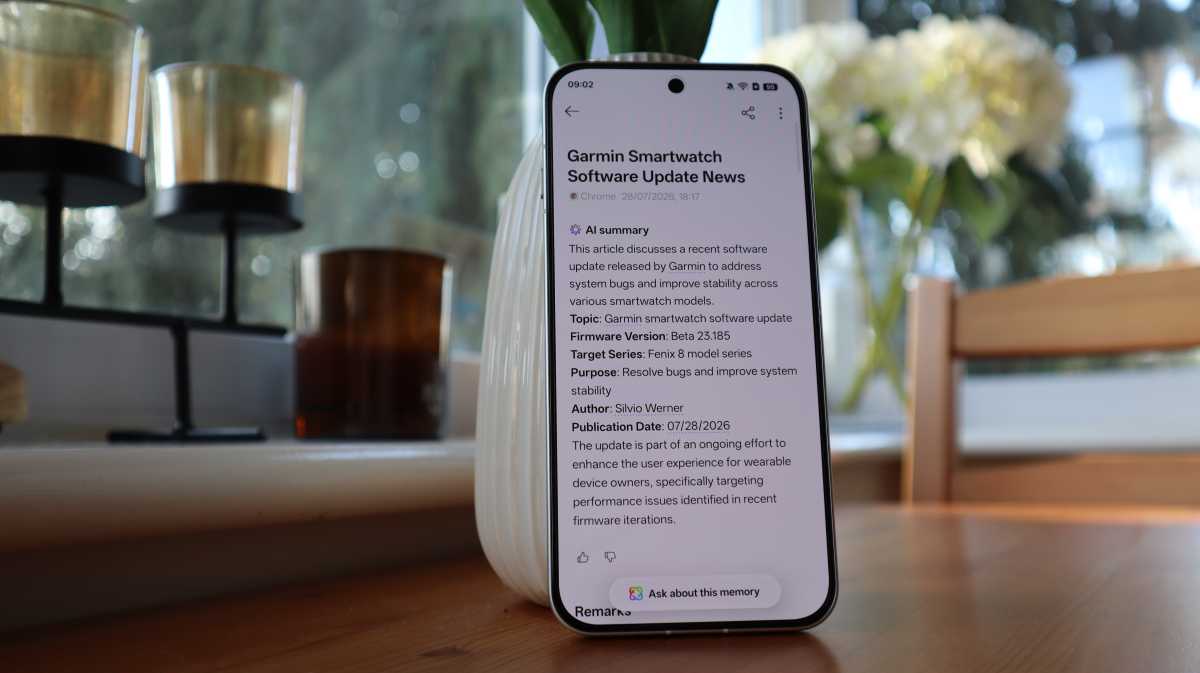
Mind Space on the other hand operates in a very similar fashion to Nothing’s Essential Space, where you can hoard screenshots and voice notes for AI to peruse and then provide information or updates about the things you’ve captured when you need it. The problem, however, is that it still feels like a half-baked idea.
Using the Snap Key when reading an article activates Mind Space, but instead of generating a summary based on the entire article, it can only read exactly what’s on the screen, which to my mind, completely defeats the point of having a type of digital journal like this. It doesn’t even save the link for the article in question, so it doesn’t feel useful to me in its current iteration.
At the very least, you do get a decent amount of long-term support for the Reno 16 as the phone is set for five OS updates and six years of security patches to stretch its life cycle just a tad further. This doesn’t quite match the longevity currently offered by Apple, Samsung and Google, but it’s not far off.
Thomas Deehan / Foundry
Price & Availability
Although the phone is available in Pop White and Purple Black colourways, there’s just a single storage option for the Oppo Reno 16, providing 512GB with 8GB RAM for £699/€899. The phone is not available to buy in the US, sadly.
It’s available from the official Oppo store as well as Amazon UK.
Compared to the Oppo Reno 13, which was the last of the 16’s predecessors to be released in the UK, it’s a fairly substantial price hike of £200, and at its current price, the Reno 16 is right at the cusp of what can still be considered mid-range before dipping into flagship territory.
In terms of its closest mid-range competitors, the OnePlus 15R (if you can find it) carries a price tag of £649/$699.99 and packs a few tempting features like a large 7400mAh battery and a 165Hz refresh rate.
There is, of course, the Oppo Reno 16 Pro, but with a price tag of £899/€1099, that phone is firmly placed as a flagship competitor.
Thomas Deehan / Foundry
Should you buy the Oppo Reno 16?
The Oppo Reno 16 is one of those mid-range phones that will tick all of the key boxes for a lot of people. Sure, it doesn’t have one excelling feature like the OnePlus 15R and its 7400mAh battery, or even the Pixel 10a and its flagship-level photography skills, but there isn’t a single aspect that feels lacking.
The screen is bright, the build is solid and the cameras pump out very natural-looking shots and thanks to the impressive zoom capabilities onboard, you have the freedom to get creative. Throw in ColorOS and the fairly impressive Mind Space chatbot and it’s clear that the Oppo Reno 16 is a great phone.
My key concern however is that with such an uptick in price compared to the last Reno handset we got in the UK, I’d expect a bit more from the phone, including a more powerful chipset and wireless charging, at least.
For not that much more, you can get the iPhone 17 or the Pixel 10, so I think it’s worth considering the competition before you commit to a purchase, but if the Reno 16 just happens to be discounted to a price that more closely mimics its predecessors, then it’s an easy win.
Specs
- ColorOS 16 (Android 16)
- 6.32-inch AMOLED 120Hz display
- Qualcomm Snapdragon 7 Gen 4
- 8GB RAM
- 512GB storage
- 50Mp wide
- 50Mp ultra-wide
- 50Mp 3.5x telephoto lenses
- 50Mp selfie camera
- Optical in-display fingerprint scanner
- Stereo speakers
- Wi-Fi 6
- Bluetooth 5.4
- NFC
- 6700mAh battery
- 80W wired charging
- IP69K certified
- 151.2 x 72.4 x 8.2mm
- 177g (Purple Black), 188g (Pop White)
- Launch colours: Pop White, Purple Black