The privacy screen problem that phone makers don’t get — Explained
While almost every area of smartphone hardware invention has ground to a halt – a megapixel here, a few extra nits there – privacy screens are one of the only genuinely groundbreaking areas of innovation. But there’s a problem.
For a long time, it’s been possible to buy a privacy screen you stick to your phone’s display as an add-on feature, but with the introduction of the Galaxy S26 Ultra, it’s now available built directly into the screen itself.
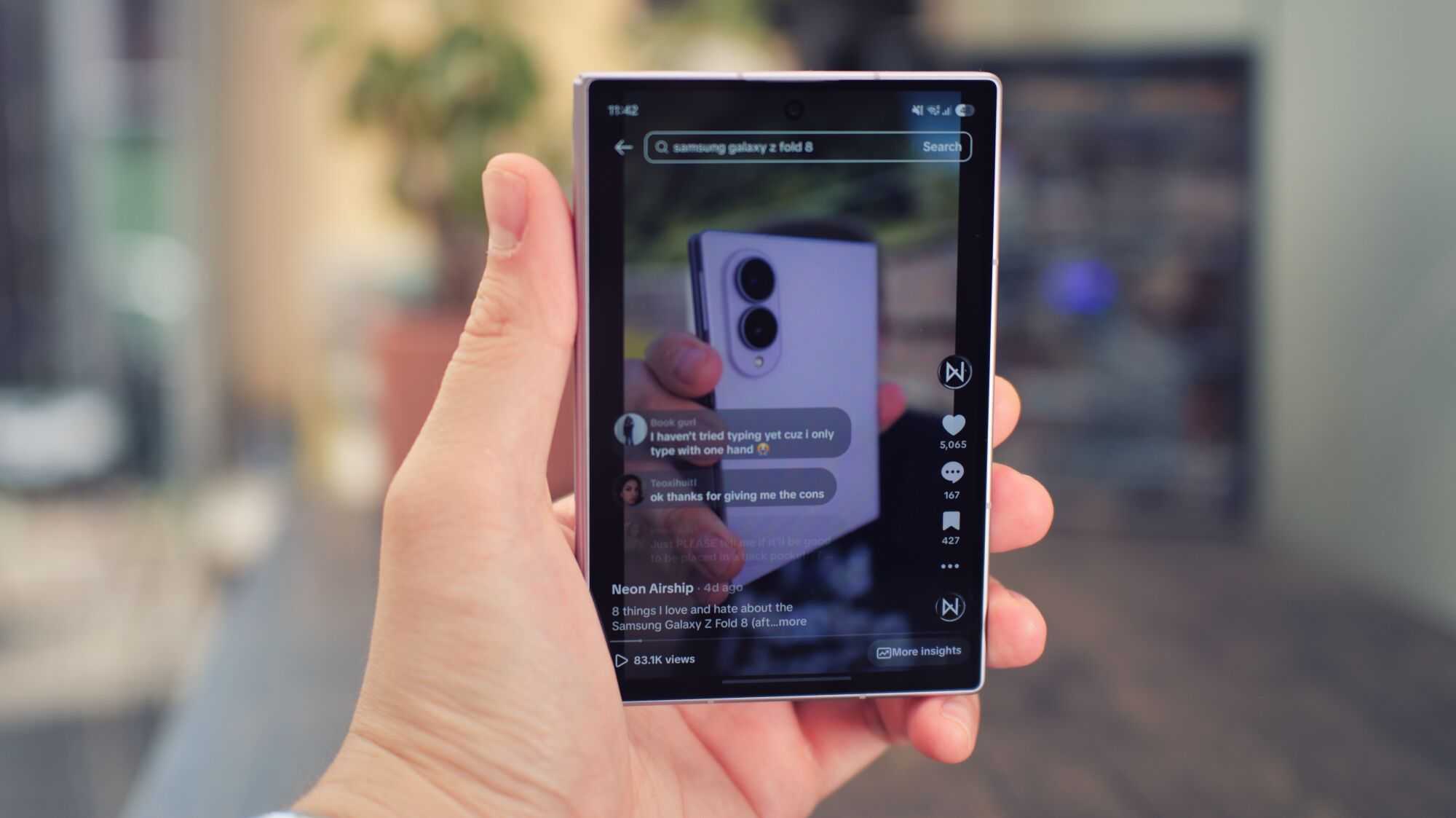
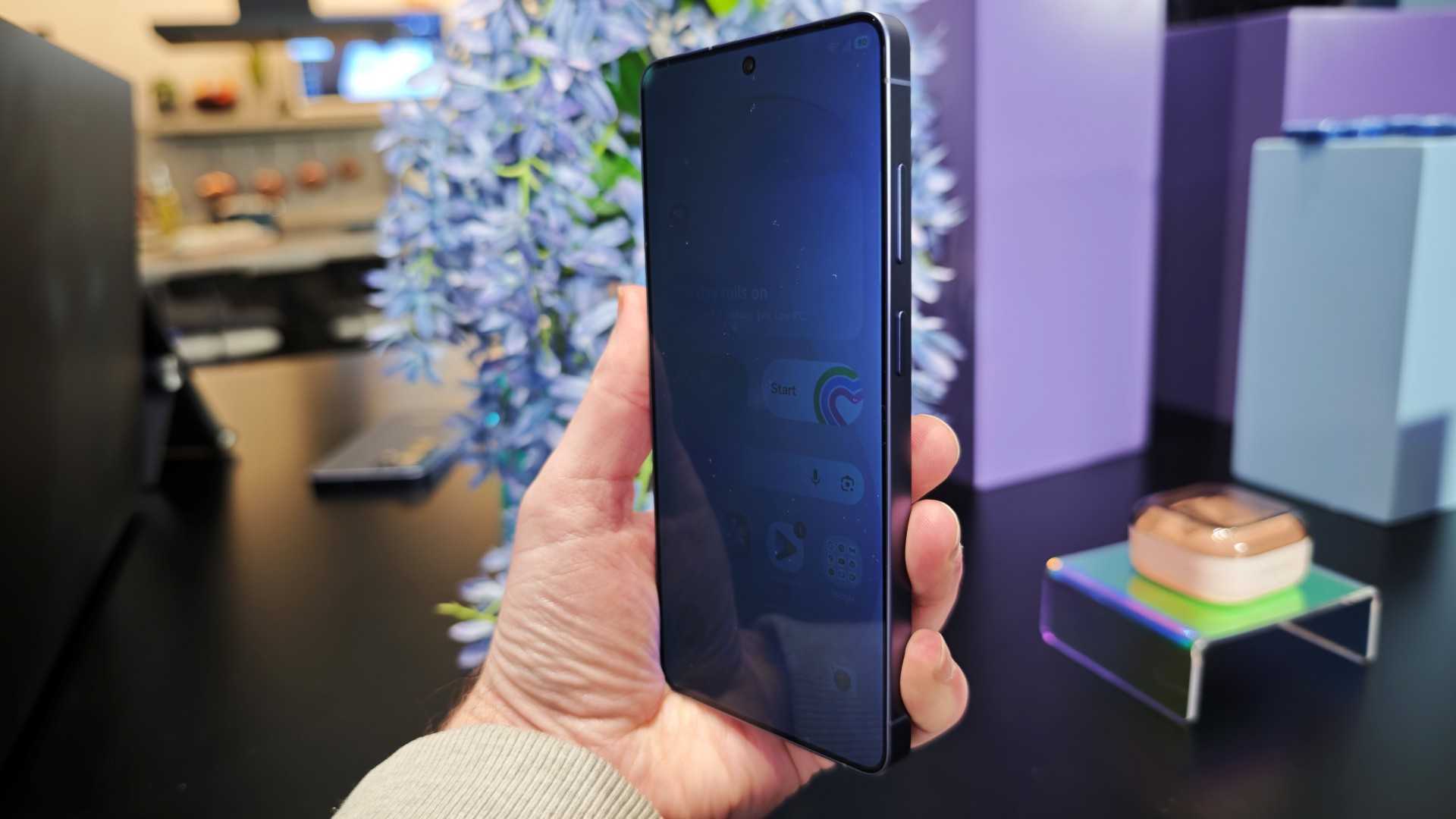
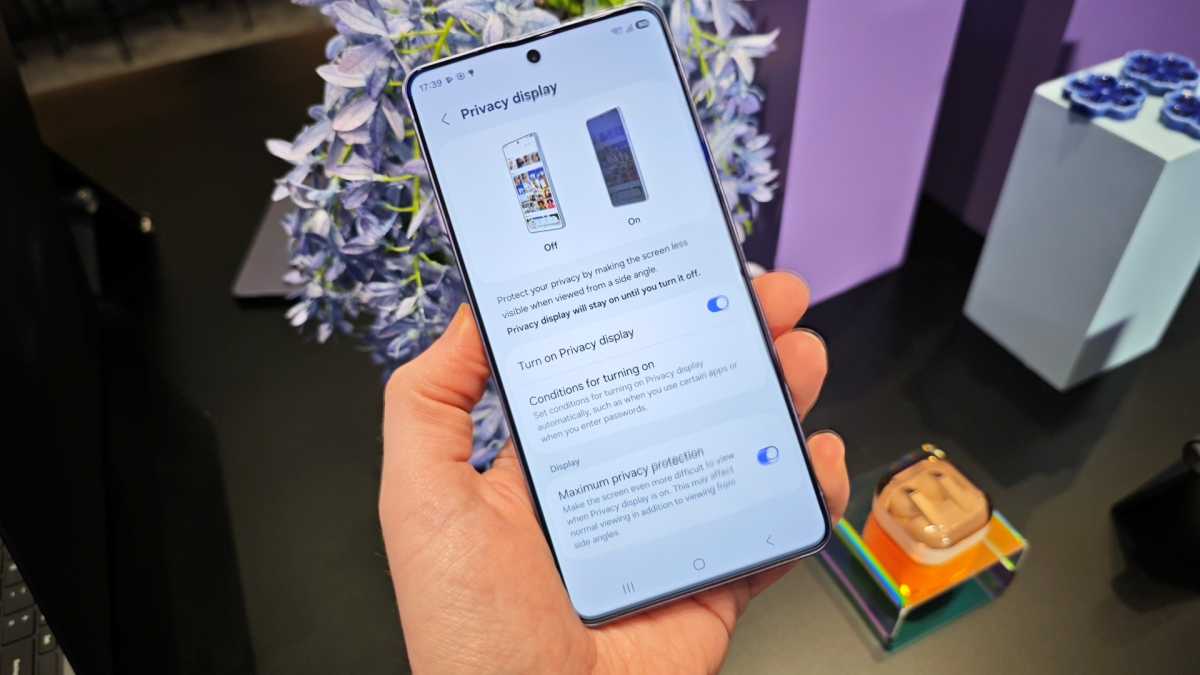
It’s a marvel of engineering and it’s no surprise that the likes of Xiaomi with its 18 Pro series, and no doubt others soon, are adding it to high-end handsets. The feature blocks the person sitting next to you on the train from seeing what’s on your screen, and can even block just a specific section of the display for notifications or a floating app.
Seeing it in real life at the Galaxy S26 pre-briefing in London was the first time I’d thought “wow!” about a piece of new phone hardware in a long time.
The problem here is that, although it’s brilliant and impressive technology, it comes with various downsides.
Chris Martin / Foundry
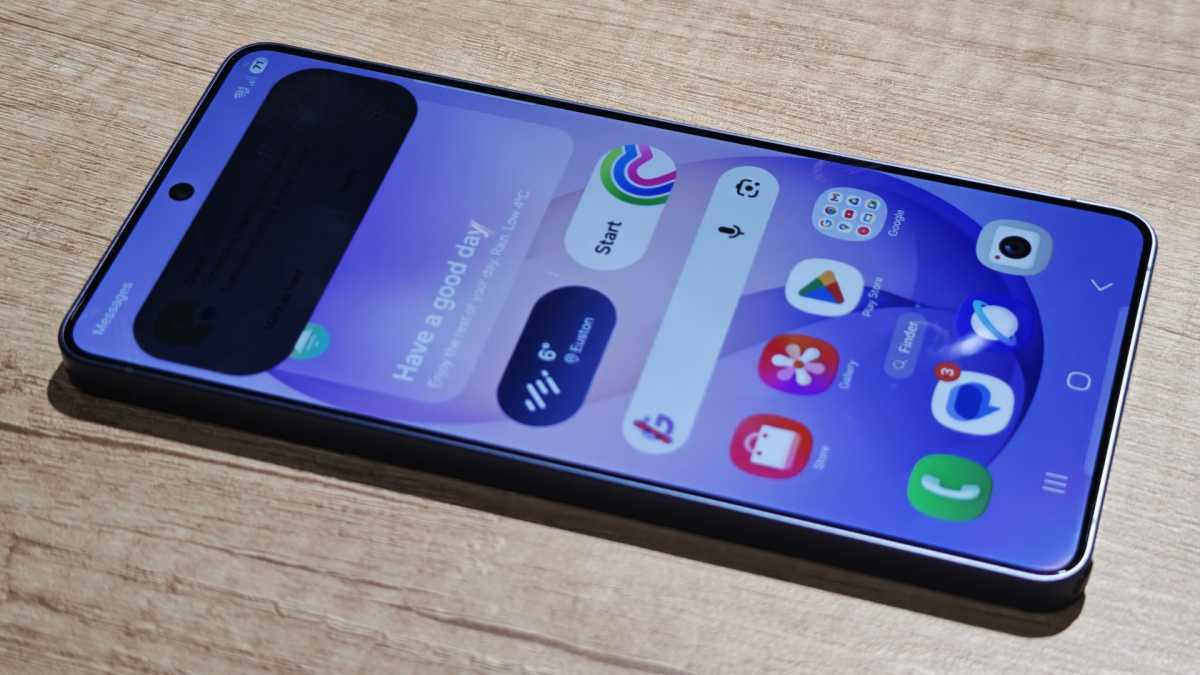
When the Galaxy S26 Ultra hit the shelves, there was a huge debate about whether the screen was, in fact, worse than its predecessor. Turns out, you can’t just change the way display pixels work without making some compromises.
Users reported a much lower quality of experience even when the privacy display feature was switched off. Lower brightness, worse viewing angles, fuzzy text. It even made some users feel ill to look at it.
No doubt the clever engineers at Samsung Display and other companies can make these panels better in the future, but for now, phone makers adding these to flagship devices could make a simple change to negate the whole awkward situation.
All they need to do is make the privacy display an optional extra.
It’s not complicated, especially for the world’s largest phone manufacturers. You simply produce a phone like the upcoming Galaxy S27 Ultra in two batches, one with a regular display and one with the privacy display.
At retail, users can then decide if it’s something they want to pay extra for or not
Chris Martin / Foundry
At retail, users can then decide if it’s something they want to pay extra for or not. Even without the issues, some people just don’t need or want them and would rather save money.
While this may add a tiny layer of complexity for the manufacturers, or perhaps even slightly more cost, I’m championing consumer choice here and maintain that those things shouldn’t be an issue.
We’ve seen countless products over the years with different versions to choose from. Recently, I reviewed the Xiaomi Redmi Pad 2 Pro in its Matte Glass Display model. And plenty of tech gets made in different configurations, such as battery capacity, for different markets.
Whether this happens for the likes of the Galaxy S27 Ultra or not, I’m not sure, but my fingers are crossed.
Samsung’s Privacy Display is the best iPhone feature Apple never made