The smartphone market is broken. It’s about damn time
Are smartphones in crisis?
It certainly looks that way, if recent sales figures are to be believed. According to Counterpoint Research, global smartphone shipments between July and September declined by 20% year-on-year and hit their lowest Q3 levels in 14 years.
That’s despite three of the year’s biggest launches – the Galaxy Z Fold 8 series, Pixel 11 range and iPhone 18 Pro lineup – taking place during this period. It seems as though the dual forces of skyrocketing production costs (driven by RAMageddon) and cost-of-living crises around the world are finally having an effect.
As Tech Advisor’s Mobile Editor, you might expect me to be concerned about the shaky state of the industry. But that couldn’t be further from the truth. The shrinking of the global smartphone market is long overdue, offering a prime opportunity to reset our relationship with technology and, crucially, the environment.
The end of annual upgrades
Once upon a time, upgrading your phone every year felt like a real statement of intent. In the early days of smartphones, each new generation delivered genuinely groundbreaking upgrades, making it feel like a brand-new phone.
Companies have become skilled at majoring in the minor
That all feels like a distant memory. Even as a tech reviewer, I often struggle to tell the ‘new’ phone apart from the previous generation unless I dive into the specs. Companies have become skilled at majoring in the minor, dressing up tiny changes as game-changing advancements.
Chris Martin / Foundry
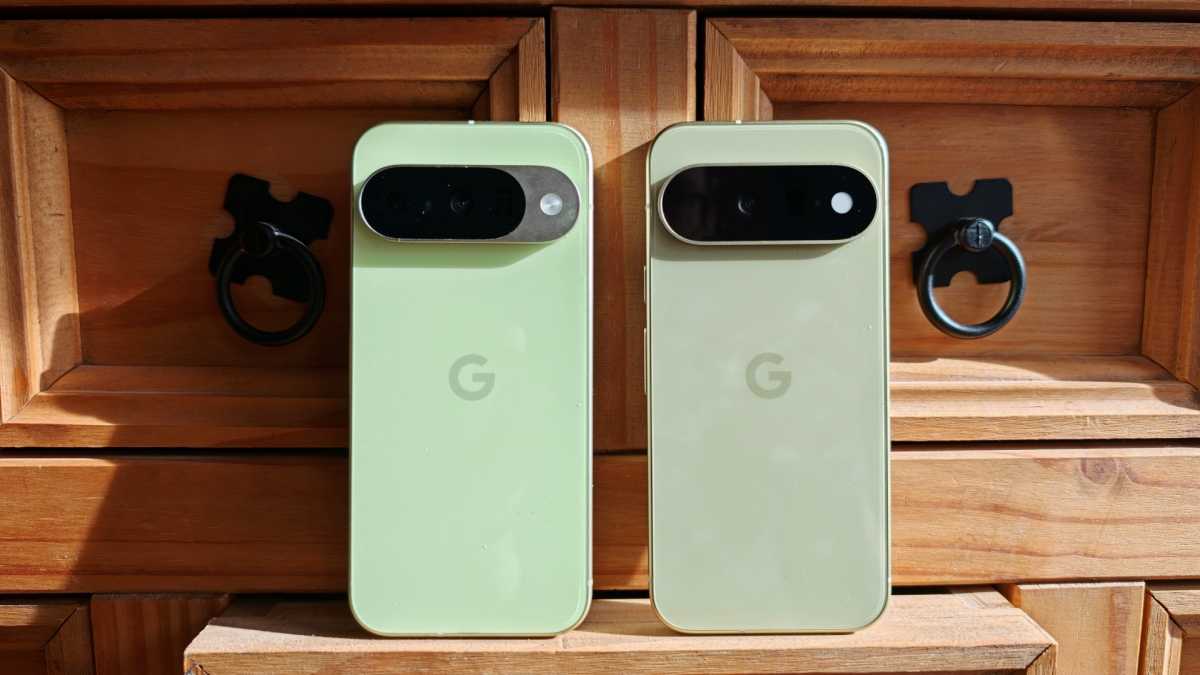
When there’s an obvious visual change, it often feels gimmicky or as though it’s only being done to ensure the new model looks sufficiently different. Take the Pixel 11, which avoids the 11 Pro’s useless ‘HiLight’ feature (no, I won’t stop going on about it) but still gets the ugly flash design on the back.
In 2026, if you’re still upgrading your phone every year, you’re throwing money down the drain. It now takes more than five years of phones to get even close to what was a generational upgrade 15 years ago.
Fortunately, as sales figures show, customers are cottoning on to this and voting with their wallets. A shiny new smartphone probably won’t make you happier, but it’ll leave a very real dent in your bank balance. Many people have realised that they simply can’t justify it.
A planet-saving shift
But of course, it’s not only people’s wallets that benefit from upgrading their phones less often.
According to the United Nations, in 2019, around 80% of the entire carbon footprint of smartphones was related to their production. Given how advanced modern phones are, it’s only likely to have increased since then. That’s why buying a secondhand model does so much to mitigate a phone’s environmental impact.
When researching this article, I discovered that basically every smartphone made today includes seven valuable metals: copper, gold, silver, cobalt, tin, tantalum and tungsten. Without them, your phone wouldn’t function.
An overwhelming majority of phone metals are still mined
While it’s possible to recycle many of these, the current reality is that the likes of Apple and Fairphone are outliers, not the industry norm. According to The Global E-waste Monitor 2024, just 22.3% of the 62 billion kg of e-waste generated in 2022 was formally collected and recycled.

Foundry | Alex Walker-Todd
Even then, most of the recycled metals are difficult to extract and reuse, meaning an overwhelming majority of phone metals are still mined. As the UN notes, this process can result in significant greenhouse gas emissions, pollution and the loss of local biodiversity (not to mention many alleged human rights abuses), making it largely incompatible with modern sustainability goals.
In case you were in any doubt: the simple act of getting a new smartphone can have a huge impact on our planet.
The refurbished revolution
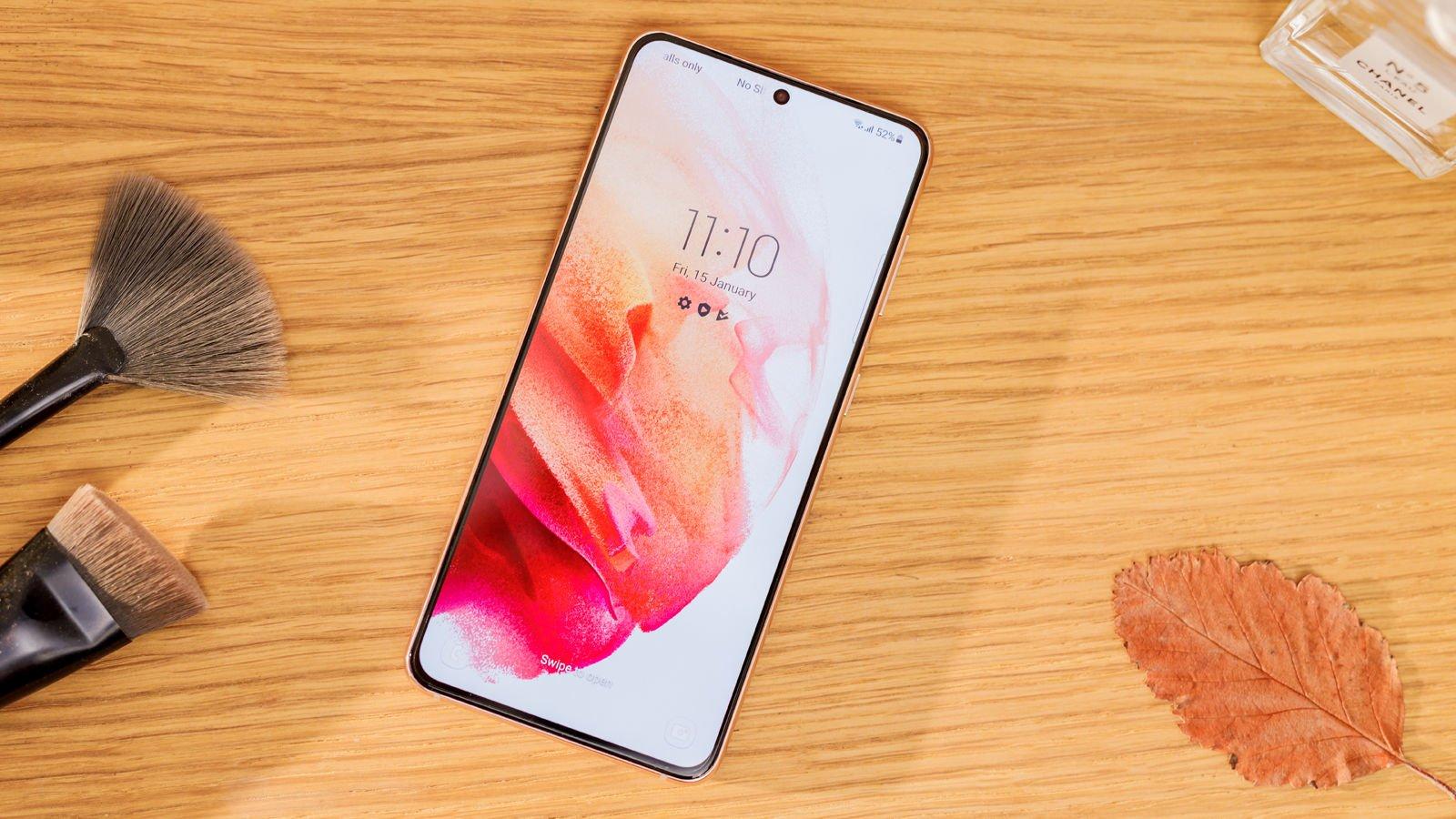
However, new smartphones being an environmental disaster doesn’t mean you’re stuck with your current handset forever. That would be a terrible idea: software is incredibly vulnerable to hackers and malware once official support ends.
Dominik Tomaszewski / Foundry
Instead, you can do your bit to stop perfectly usable handsets from becoming e-waste before their time. And you can save a tonne of money in the process.
Going refurbished gives you the best of both worlds
I wouldn’t recommend buying from private sellers on the likes of eBay or Facebook Marketplace, which leave you vulnerable to dodgy listings and without buyer protections. Instead, going refurbished gives you the best of both worlds: a much cheaper, more sustainable phone which is guaranteed to have been professionally serviced and in good working order.
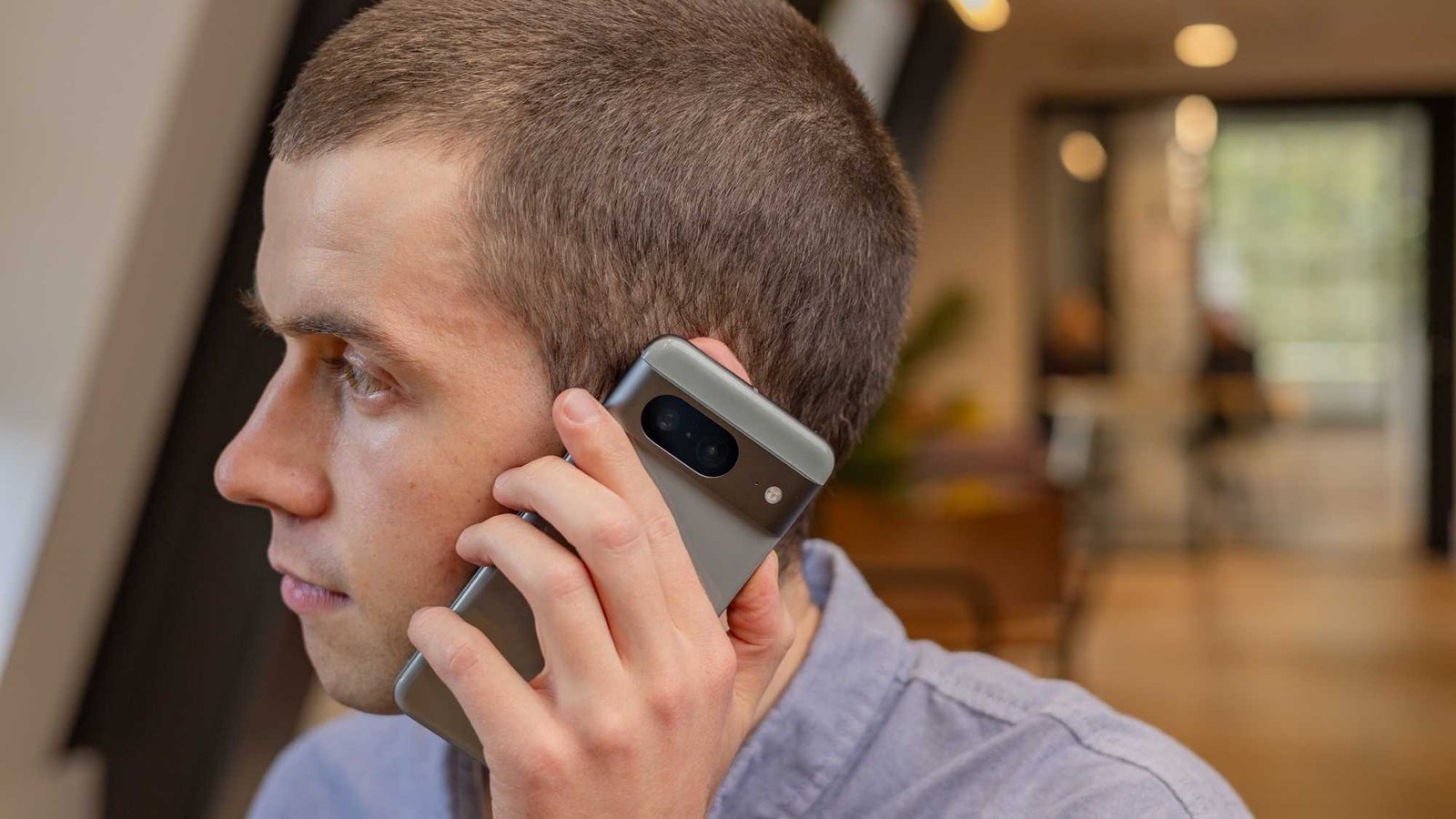
Take the Pixel 8 you see in the image at the top of the article. Although it launched back in 2023, Google offered a generous seven years of updates, meaning it’s safe to use until 2030. Instead of paying the £699 launch price, Back Market is offering it in excellent condition for just £220 at the time of writing.

Dominik Tomaszewski / Foundry
It means you’re paying less than the price of a new budget phone for a very solid handset that feels remarkably similar to the latest Pixel 11. Now that’s a win.
That’s just one of countless examples of older yet still excellent phones that are bona fide bargains. We don’t have to give up on buying phones, we just need to stop chasing trends and embrace slightly older hardware.
A long overdue reset
Understandably, the dire smartphone market in 2026 has caused many buyers to opt out of annual upgrades. Even Apple, the masters of modern phone marketing, would struggle to deliver a convincing iPhone 18 Pro pitch to a 17 Pro owner.
Many people, myself included, are rethinking our relationship with our smartphones. Trading the latest and greatest for something less flashy but just as functional is the best tool we have in the fight against rampant consumerism and environmental havoc.
It might sound a bit rich coming from someone who reviews new phones for a living, but if I had to use the Pixel 8 as my only handset for the next three years, I think I’d be quite satisfied.