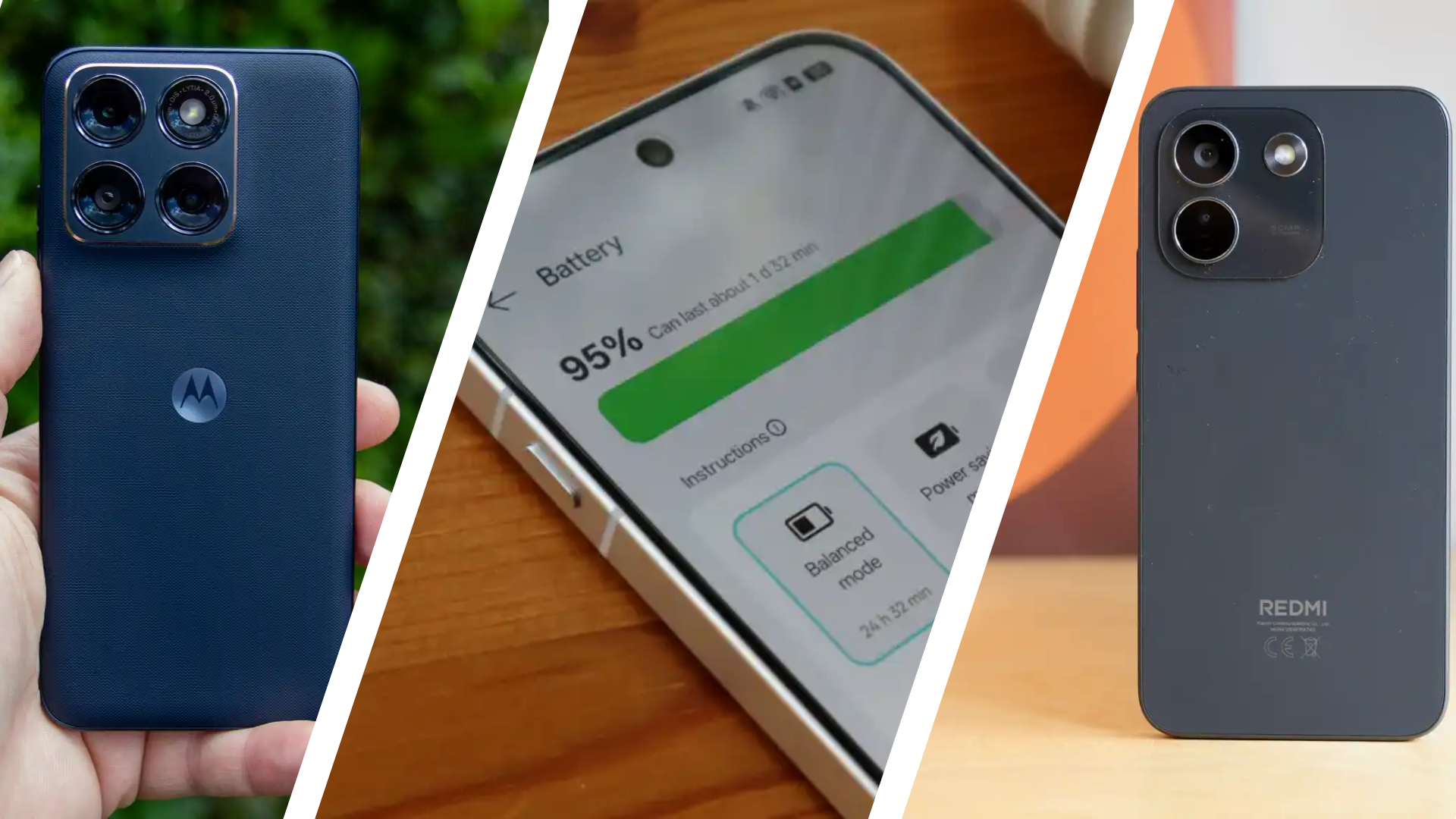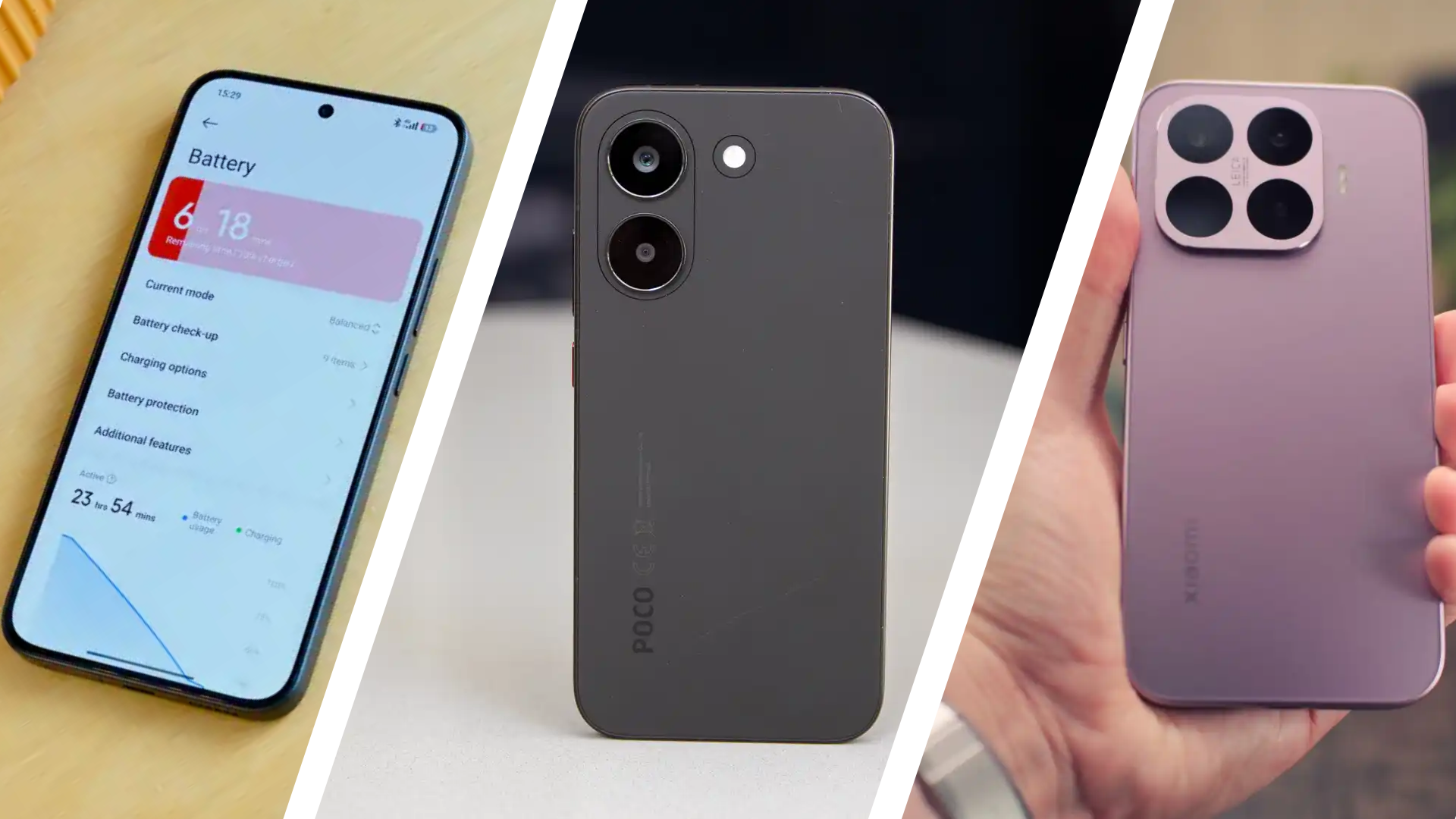
These are the top Xiaomi phones, tested and rated
Although it’s been a stalwart of the smartphone scene in China for well over a decade now, it’s taken a bit longer for Xiaomi to get the recognition it deserves in the West, but with fantastic phones designed to cater to all budgets, the brand has very much broken through.
For a period of time, Xiaomi even overtook Samsung in European smartphone shipments, and the brand has only continued its dominance by putting out the type of value-busting phones that put a lot of other companies to shame. If you’re tempted to see what all the fuss is about, then our ultimate guide will pair you with the right Xiaomi phone to suit your needs.
Much like with Samsung, Honor or Motorola, Xiaomi has so many different smartphones on the market, each with its own naming conventions and styles, that it can be tricky to know which phones excel in certain areas. The easiest way to break it down is by knowing that Xiaomi’s numbered phones (which don’t come with any additional branding) occupy the flagship and mid-range end of the market. Phones that come with Redmi or Poco branding, on the other hand, are best saved for buyers on a budget.
Even with that understanding, there’s so much nuance to dive into, which is exactly where the work of our tech experts comes into play. With every phone that appears on this list, a member of our team has put their SIM card into it and used it as their main handset for at least a week, so you can find out exactly what each one is like to use in the real world.
Keep on reading to see which Xiaomi phones we currently recommend, but if you’re curious to see what the brand is up against, then our guides to the best phones, best mid-range phones and the best budget phones are well worth a look.
Best Xiaomi phone reviews
1. Xiaomi 17 Ultra – Best Overall
Pros
- Excellent cameras
- Large, dazzling display
- Strong battery life & charging
- Top specs and performance
Cons
- Bulky, with large camera bump
- Mixed own-brand AI performance
- Fewer OS updates than some rivals
Price When Reviewed:
From £1,299


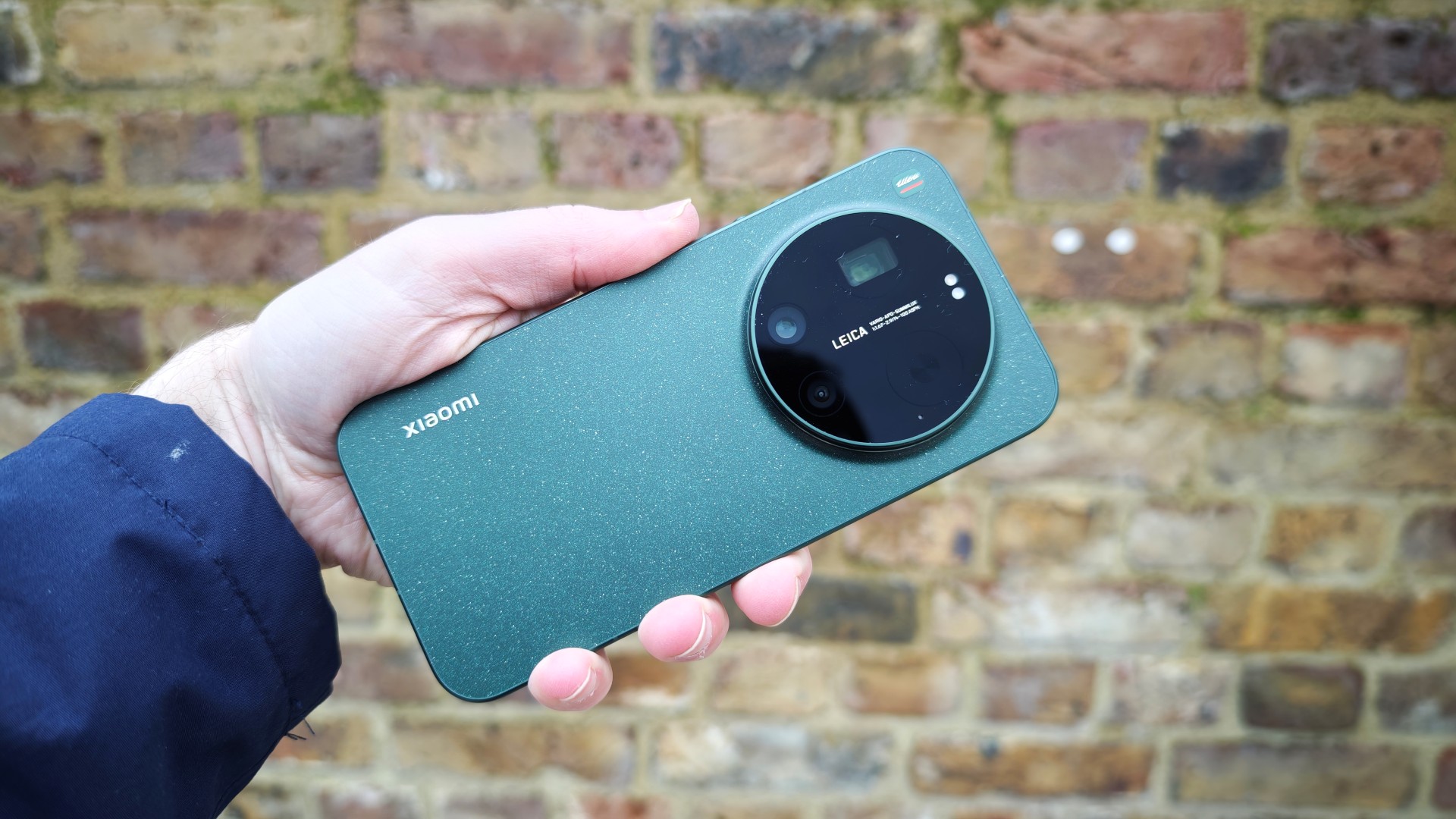
Although you could argue that the cheaper Xiaomi 17 is the brand’s best phone for most people, the Xiaomi 17 Ultra is just so far ahead of the competition that anything other than the top spot feels undeserved. Unlike the Samsung Galaxy S26 Ultra which, despite being a great phone, is just far too iterative for a flagship device, the Xiaomi 17 Ultra now leads the charge when it comes to smartphone cameras.
On the back, the 17 Ultra now packs (as part of its massive camera bump) a new 200Mp periscope telephoto lens, alongside a 50Mp main and ultrawide. Working in tandem with that 200Mp lens is a mechanical optical zoom system that delivers stunning results for scenes that are far off in the distance. Taking the phone around King’s Cross St Pancras station, the 17 Ultra allowed us to capture pretty much anything our eyes could spot, making it the ideal companion for any adept photographer who’s always looking for a gallery-worthy shot.
Although the native camera experience is excellent, we still recommend picking up £179 photography kit that’s available for the 17 Ultra, as it makes the process of taking pictures feel far more seamless, as the camera grip case rests beautifully in the hand and provides quick access to video capture, and moving through settings via a rotating dial. The massive 6,000mAh battery just backs up the 17 Ultra’s prowess, allowing it to be an all-day camera that doesn’t need to rely on a power bank (unless you really push it).
When it comes to lining up shots, the jaw-dropping 6.9-inch OLED display, with its 3500 nits of peak brightness, is very easy to use outdoors. Having all that space available makes the process of photo editing a breeze, not to mention the cinematic quality that then comes with watching content. It seems absurd to us that for such an expensive phone, Xiaomi still hasn’t matched Samsung and Google on the full seven years of software updates, instead settling for five, so that’s something to bear in mind further down the line.
Who should buy the Xiaomi 17 Ultra?
Professional and amateur photographers who want a true camera-like experience on their phone.
Xiaomi 17 Ultra: Further considerations
It’s very expensive and not as future-proof as Google and Samsung’s flagships. The Xiaomi 18 range is almost here too.
Read our full
Xiaomi 17 Ultra review
2. Xiaomi 17 – Best Value Flagship
Pros
- Excellent performance
- Beautiful display
- Superb battery life
- Super-fast and versatile charging
Cons
- Display could be brighter and dimmer
- Limited telephoto camera performance
- Software support shorter than rivals
Price When Reviewed:
From £899
Best Prices Today:
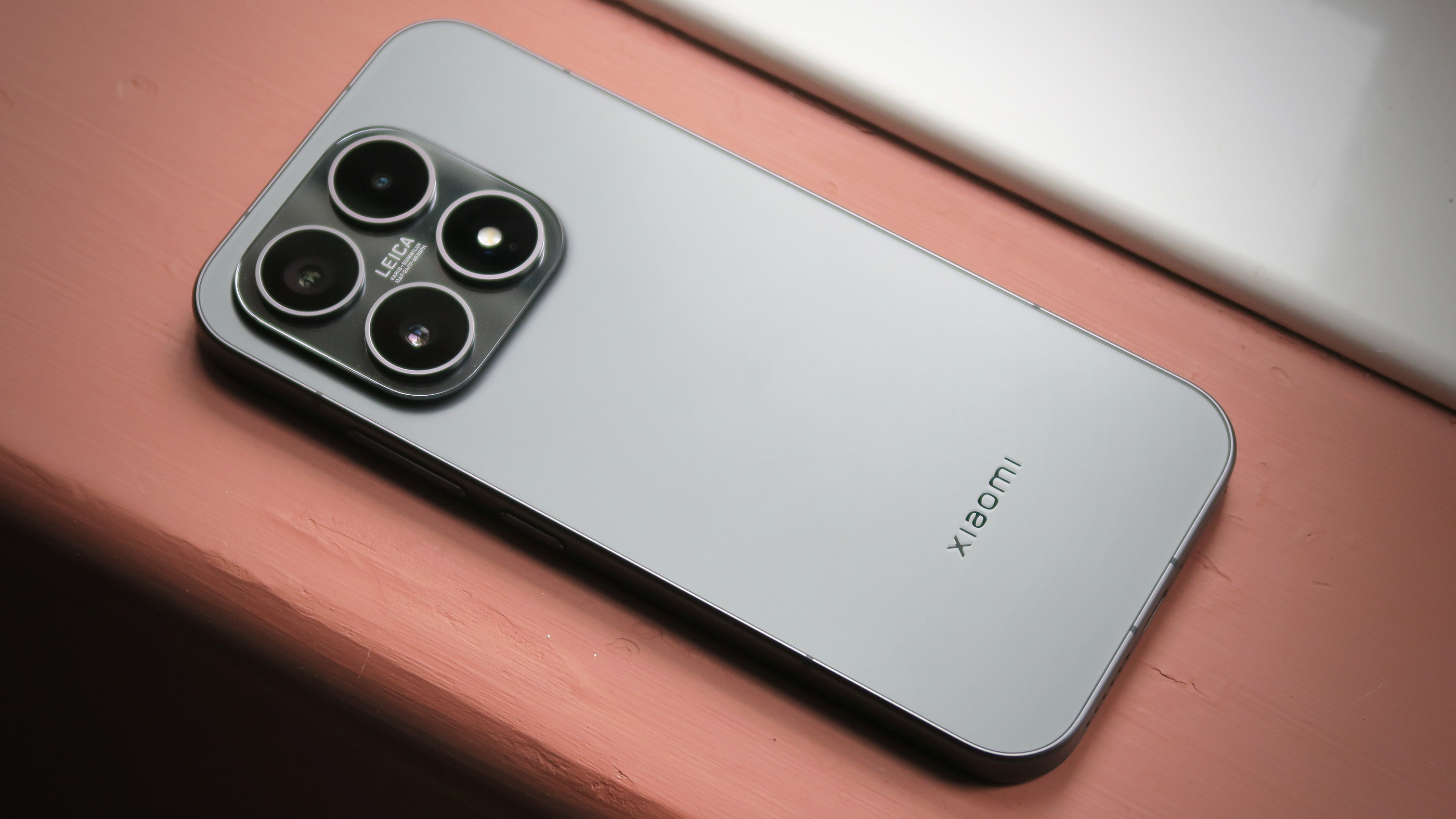
If you’re in the market for a phone that costs between £799 and £999, and are maybe eyeing up the iPhone 17 or the Samsung Galaxy S26, then may we suggest that you also give the Xiaomi 17 a look. This is an outstanding phone which, just like the iPhone 17 Pro, boasts a compact frame and a 6.3-inch display, except that it’s £100 cheaper than Apple’s flagship device.
At just £899, the Xiaomi 17 is the perfect go-between for anyone who misses the days of flagship compact phones, and wants to get as many features for their hard-earned cash as possible. For starters, this small phone boasts the top-tier Snapdragon 8 Elite Gen 5 chipset, which runs rings around everything that came before it, making short work of video editing and intensive 3D games.
The real upgrade this time around is the battery size, which has leapt up from 5,240mAh to a whopping 6,330mAh. In standard use, this uptick means that you can really push the Xiaomi 17 over the course of a day and never worry that you’re going to drain the tank completely. Plus, when you do need to give the phone a top-up, you can lean on super-fast 100W wired charging, or 50W wireless charging in a pinch.
Although the aforementioned display is lovely, we did notice a slight downgrade in the panel-wide brightness which now sits at 1200 nits (down from 1500), but the phone still packs a peak brightness of 3500 nits overall. If you’re in the market specifically for a super bright display then the Honor 600 Pro, which costs the same amount, has the Xiaomi 17 beat with a peak of 8000 nits.
Who should buy the Xiaomi 17?
Compact phone enthusiasts who still want flagship performance.
Xiaomi 17: Further considerations
The software experience isn’t as refined as its closest rivals from Apple and Samsung.
Read our full
Xiaomi 17 review
3. Xiaomi 17T – Best Mid-Range
Pros
- Excellent main and telephoto cameras
- Compact and attractive design
- Feature-packed software
- Solid battery life & charging
Cons
- No wireless charging
- Not the longest software support
- Plastic frame
Price When Reviewed:
From £649
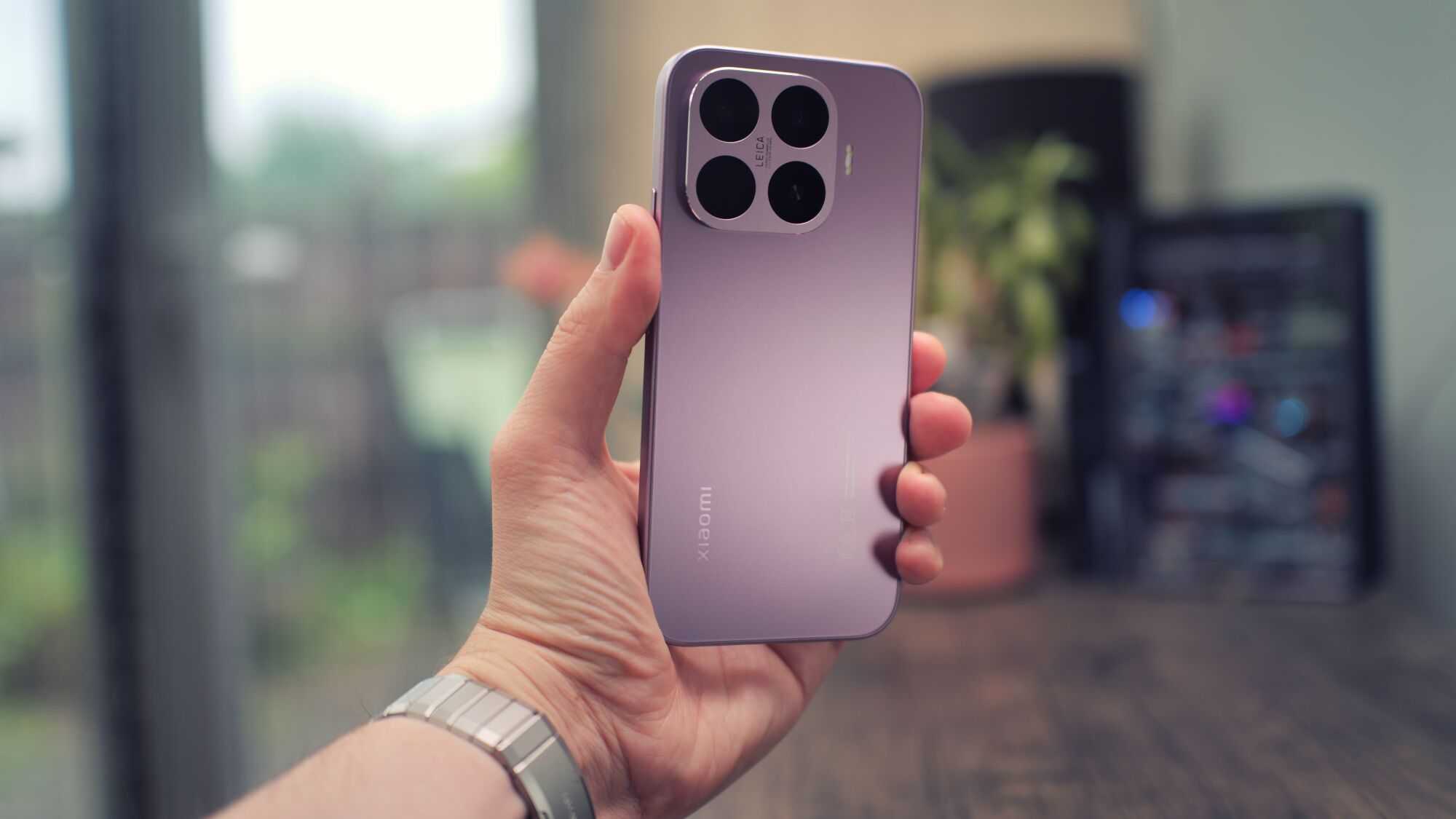
Xiaomi’s T-series of mid-range phones has shown time and time again why the brand is a force to be reckoned with in this arena, and while that largely continues with the Xiaomi 17T range, things are a little different this time around. Both the Xiaomi 17T and the 17T Pro have come to market with a sizeable price increase, and although that means that the 17T Pro can no longer be considered a mid-range phone at £799, the 17T just about makes the cut at £649 and thank goodness, because there’s a lot to like about this phone especially if you don’t want to spend too much on an upgrade.
What’s so great about the 17T is that its triple-camera array on the back truly feels like something that could have been pinched from a far more expensive device. The main 50Mp sensor takes stunning images in practically all conditions, so you don’t have to worry if there isn’t a lot of light available, but thanks to the massively upgraded 50Mp 5x telephoto lens (the same one featured on the 17T Pro), there’s now more scope for capturing great shots from a distance.
If you do end up using the phone to take pictures all day then you won’t have to worry about the knock-on effect to battery life as the built-in cell is now much larger than before at 6500mAh. That’s a whopping 1000mAh increase on what you get with the Xiaomi 15T, and it allows the phone to last for well over a day with ease. If you have a fairly jam-packed 24 hours, then the Xiaomi 17T should have enough juice to see you through it.
While there is 68W wired charging that you can make use of to get the phone back to 100%, we’re surprised that, given the price rise involved here, there isn’t any form of wireless charging, particularly as the Pixel 10a offers it at a lower price. The build quality also isn’t what you’d expect of a higher-tier mid-range phone, with a plastic frame in use. Still, there is a newer MediaTek Dimensity 8500 Ultra chipset under the hood so general performance is great.
Who should buy the Xiaomi 17T?
Camera-first buyers who don’t want to fork out for flagship-level prices.
Xiaomi 17T: Further considerations
The phone is more expensive than its predecessor, and it also lacks wireless charging.
Read our full
Xiaomi 17T review
4. Xiaomi 15T Pro – Best Previous-Gen Mid-Range
Pros
- Stylish design
- Massive screen
- Powerful performance
- Long battery life and speedy charging
- Solid camera system
Cons
- Ultrawide camera could be better
- HyperOS is a little divisive
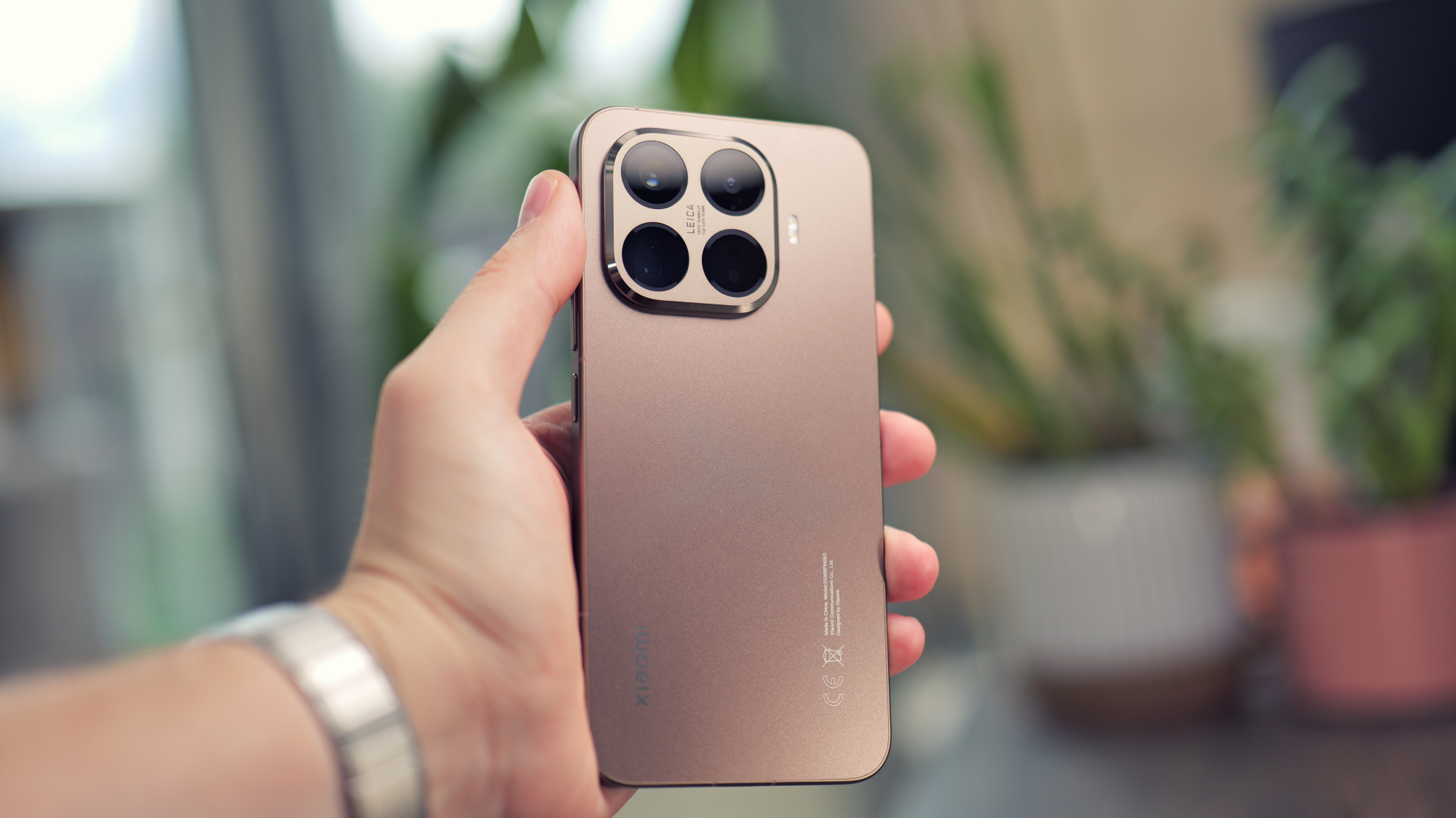
Xiaomi had us absolutely floored with the Xiaomi 14T Pro, and now the company’s done it yet again with a successor that’s better in every way. Priced at £649 (but now available for less if you shop around), the Xiaomi 15T Pro is in that sweet spot of still being within the price bracket to be considered amongst the best mid-range phones, but just cheap enough to outdo handsets like the Galaxy S25 and the standard iPhone 17.
In typical Xiaomi fashion, the 15T Pro offers an array of features that feel far more in line with what you’d get at the higher end of the market. The MediaTek Dimensity 9400+ chipset, for example, while it doesn’t quite match the highs of the Snapdragon 8 Elite, still operates at a very high level with excellent everyday performance and benchmarking results that aren’t that far behind.
The battery has had a major upgrade here, jumping forward to a 5500mAh offering that can last for up to two days at a time, depending on how you use it. Thankfully, when you do need to top up the phone, you now have 90W wired and 50W wireless charging at your disposal. The former can net you 80% after just a 30-minute charge.
The more powerful chipset, upgraded charging speeds, faster 144Hz refresh rate and a 5x telephoto lens are the key reasons why you would want to buy this phone over the standard Xiaomi 15T, but if you’d rather save some money, then the 15T itself is no slouch and offers quite a few similar features, including the same-sized battery and display.
Who should buy the Xiaomi 15T Pro?
Anyone after a mid-range phone that offers top-shelf level features for less.
Xiaomi 15T Pro: Further considerations
Other great mid-ranges like the Pixel 9a and the Motorola Edge 60 Pro are cheaper. Plus, the newer Xiaomi 17T is an excellent choice.
Read our full
Xiaomi 15T Pro review
5. Xiaomi Redmi Note 17 Pro Max – Best Battery Life
Pros
- Frankly ridiculous battery life
- Tough build quality
- Speedy 100W charging
- Good value for high storage
Cons
- Annoyingly busy software
- Middling performance
- Poorly calibrated display
Price When Reviewed:
£499

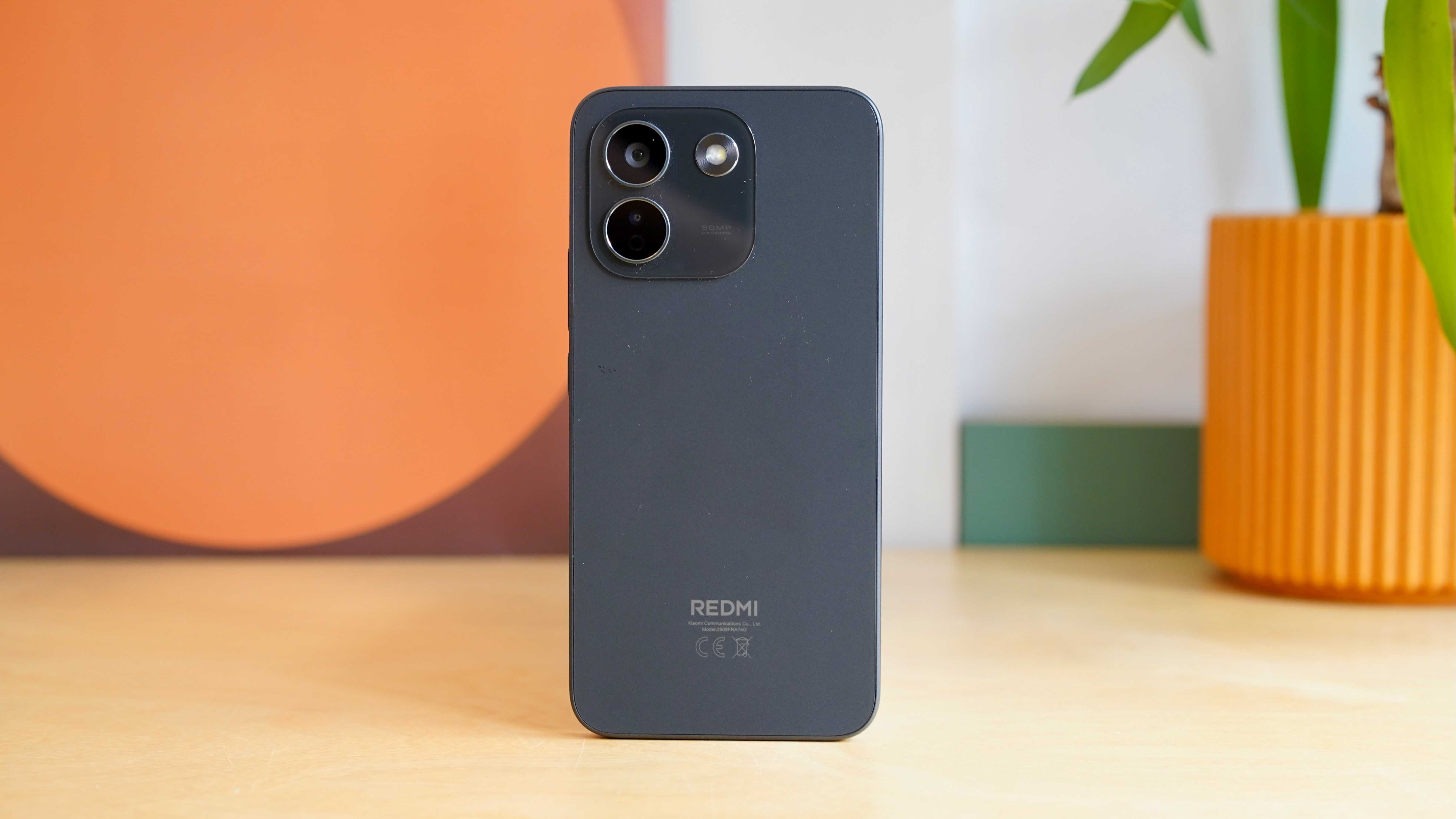
If you ever needed convincing as to why Xiaomi is such a potent contender to established brands like Samsung and Google in the more affordable area of the smartphone market, look no further than the Xiaomi Redmi Note 17 Pro Max. This is a mid-range phone that still manages to outdo flagship phones when it comes to battery life, which is no easy feat.
Onboard you have a massive 9210mAh battery, which is so far ahead of anything we’ve seen in the West that it’s almost unfair to other phones. As a point of comparison, the much more expensive Oppo Find X9 Pro, which is a great phone for those with deeper pockets, still only carries a 7500mAh cell. What this gargantuan offering translates to is a battery that can honestly go for multiple days before ever needing to be topped up, making this the perfect antidote for those who are sick of having to deal with battery anxiety whenever they’re on a night out.
When the time comes to charge the phone, you won’t be left waiting around for very long thanks to the flagship-level 100W wired speeds available. Although there’s no wireless charging ability, this isn’t exactly uncommon for phones of this price range. Where the phone continued to surprise us during testing was with its durability, as it carries a fairly weighty build and a full IP66/IP68/IP69/IP69K certification, so you won’t have to worry if the phone accidentally takes a dip in a body of water.
Although the 8Mp ultra-wide camera leaves a lot to be desired, the main 50Mp wide lens can take great-looking shots. Even the 32Mp selfie camera does a good job with capturing skin tones correctly. The unfortunate compromise to all of these positives about the phone is that the Snapdragon 6 Gen 5 chipset lags behind the performance of similarly priced handsets. Of course, the Redmi 17 Pro Max’s competitors can’t hold a candle where battery life is concerned, so the decision over which feature to prioritise will come down to your personal preference.
Who should buy the Xiaomi Redmi Note 17 Pro?
Heavy smartphone users who want multiple days of use between charges.
Xiaomi Redmi Note 17 Pro: Further considerations
It’s not as competent a performer under intense use, compared to other phones.
Read our full
Xiaomi Redmi Note 17 Pro Max review
6. Xiaomi Poco X8 Pro – Best Budget
Pros
- Brilliant performance for the price
- Impressive battery life and charging
- Great display
Cons
- Fussy software with bloatware
- Weak ultrawide camera
Price When Reviewed:
From £349
Best Prices Today:
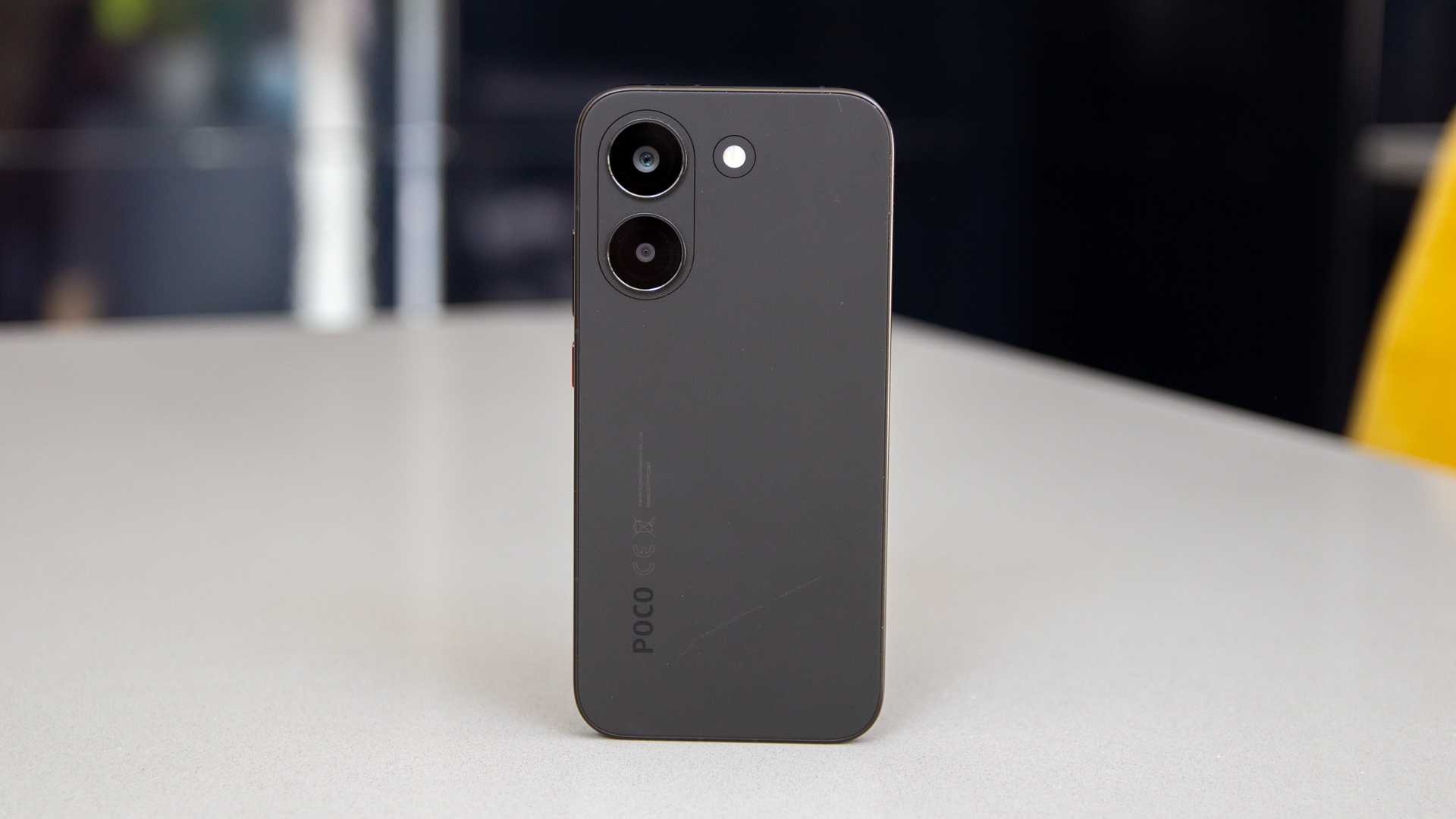
If you’ve got around £400 to spend on your next phone upgrade then there is no shortage of great options on this very list that are sure to please, but if you’re a mobile gamer who’s thinking about performance ahead of everything else then it’s the Poco X8 Pro that will make the most sense for your needs.
Despite the fact that it only carries a £349 price tag, the Poco X8 Pro features the powerful MediaTek Dimensity 8500 Ultra which is the same chipset found in the pricier Xiaomi 17T. With having a processor like that onboard, the X8 Pro is able to go far beyond your average budget/mid-range phone as we were able to dive into fairly long sessions of Call of Duty Mobile, all without any sense that the phone was overheating.
The phone managed to outdo the Samsung Galaxy A37 and the Nothing Phone (4a) in our Geekbench 6 tests, so if you want to push this phone then you have more scope compared to its closest competitors. Whether you are playing a game or just watching a film, it all looks great on the X8 Pro’s 6.59-inch AMOLED display, which packs stunning colours and contrast, and it can get quite bright at up to 3500 nits.
With a sizeable 6500mAh cell under the hood, the X8 Pro doesn’t drop the ball where battery life is concerned either, so you can enjoy plenty of entertainment without ever worrying that you need to make a dive for the nearest power outlet. Where the experience falters, however, is with the software onboard. HyperOS isn’t our favourite Android overlay at the best of times, but it feels even more cumbersome here with a ton of bloatware to boot. Of course, this can always be overlooked/mitigated, but if you’re someone who prefers a smoother OS then one of Samsung’s phones will be a better buy.
Who should buy the Poco X8 Pro?
Mobile gamers who want lots of performance at a reasonable price.
Poco X8 Pro: Further considerations
The software is bogged down with bloatware, and you’ll find a smoother experience from the likes of Samsung and Nothing.
Read our full
Xiaomi Poco X8 Pro review
7. Xiaomi Poco M8 Pro – Best Value
Pros
- Great value for money
- Excellent display
- Big battery and fast charging
Cons
- Outdated software
- Loaded with bloatware
- Average camera experience
Price When Reviewed:
From £299
Best Prices Today:
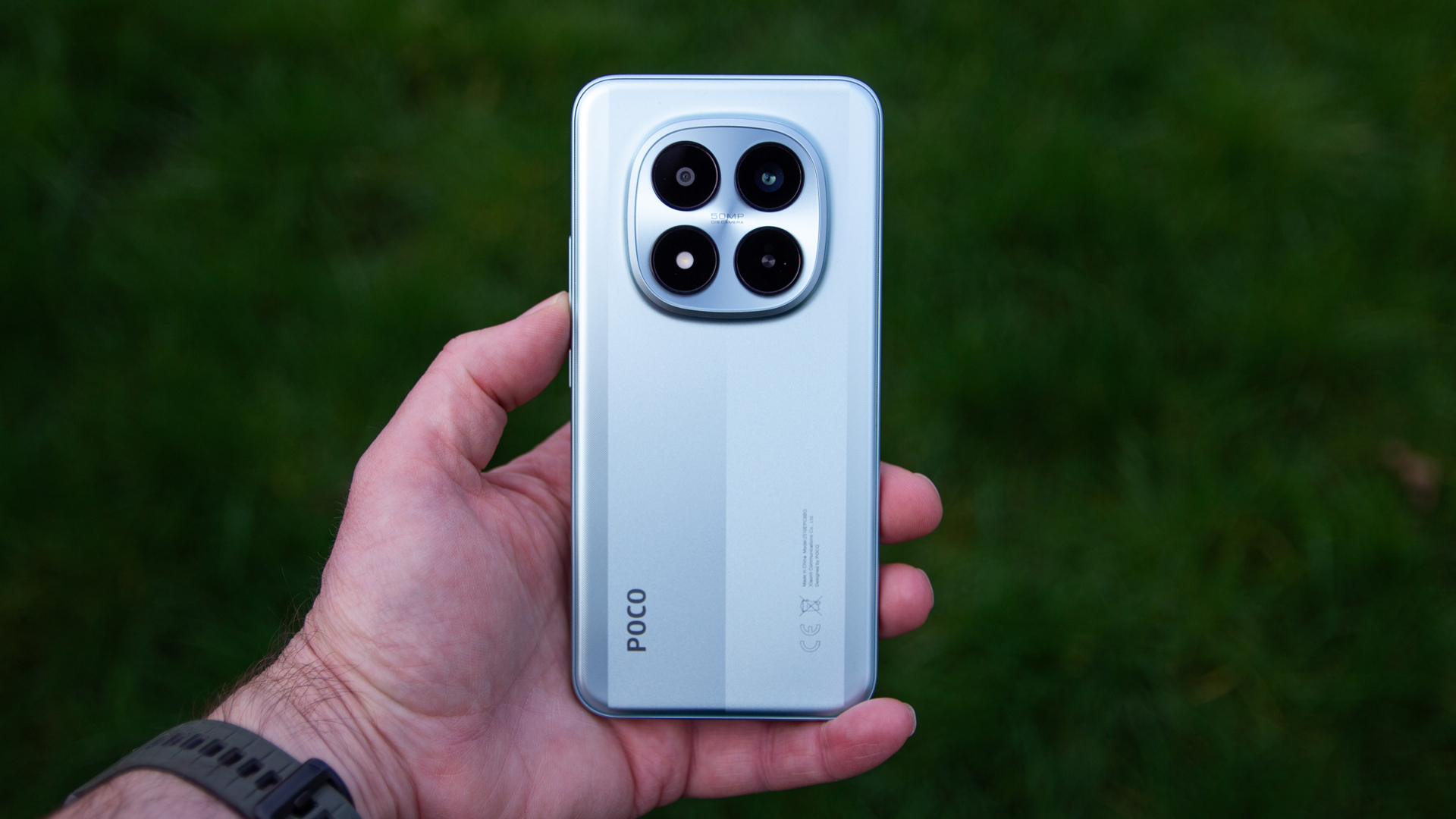
If ever you needed proof that Xiaomi and its Poco subsidiary are now the true flagship killers, much like how OnePlus used to be, the new Poco M8 Pro will do the trick. This is a phone which, despite having a budget price tag of just £299, is actually able to outdo far more expensive flagship phones in some areas.
The headline feature here is that there’s a 6500mAh cell crammed into this thing, which absolutely decimates the 5,000mAh battery you’ll find in the Samsung Galaxy S25 Ultra. With such a massive battery in tow, there’s a good chance that some users could stretch it to two days, but you certainly won’t ever have to worry about dipping into the red before the end of a single day.
There’s even support for 100W wired charging, which puts the M8 Pro right up there with the Honor Magic 8 Pro has having some of the best charging speeds in the game, although you will have to buy a compatible adapter separately. Having that larger battery means that you can really enjoy the 6.83-inch AMOLED display that’s on board here.
With up to 3,200 nits of peak brightness, everything looks great on this display, making it a joy to use with both everyday apps and streaming services like Netflix and Disney+. The only area where the M8 Pro let us down is in the software, with a bit too much bloatware onboard for our liking, but when you factor in the price it’s a fair trade-off.
Who should buy the Poco M8 Pro?
Bargain hunters on the lookout for flagship specs at a lower price.
Poco M8 Pro: Further Considerations
You’ll get better performance from the Poco F7 which doesn’t cost that much more..
Read our full
Xiaomi Poco M8 Pro review
8. Xiaomi Poco F8 Pro – Best Display
Pros
- Premium design touches
- Great performance
- Super-fast charging
- Decent display and speakers
Cons
- OS includes baked-in ads
- Software support could be longer
- Middling cameras
- No wireless charging
Price When Reviewed:
From £549
Best Prices Today:
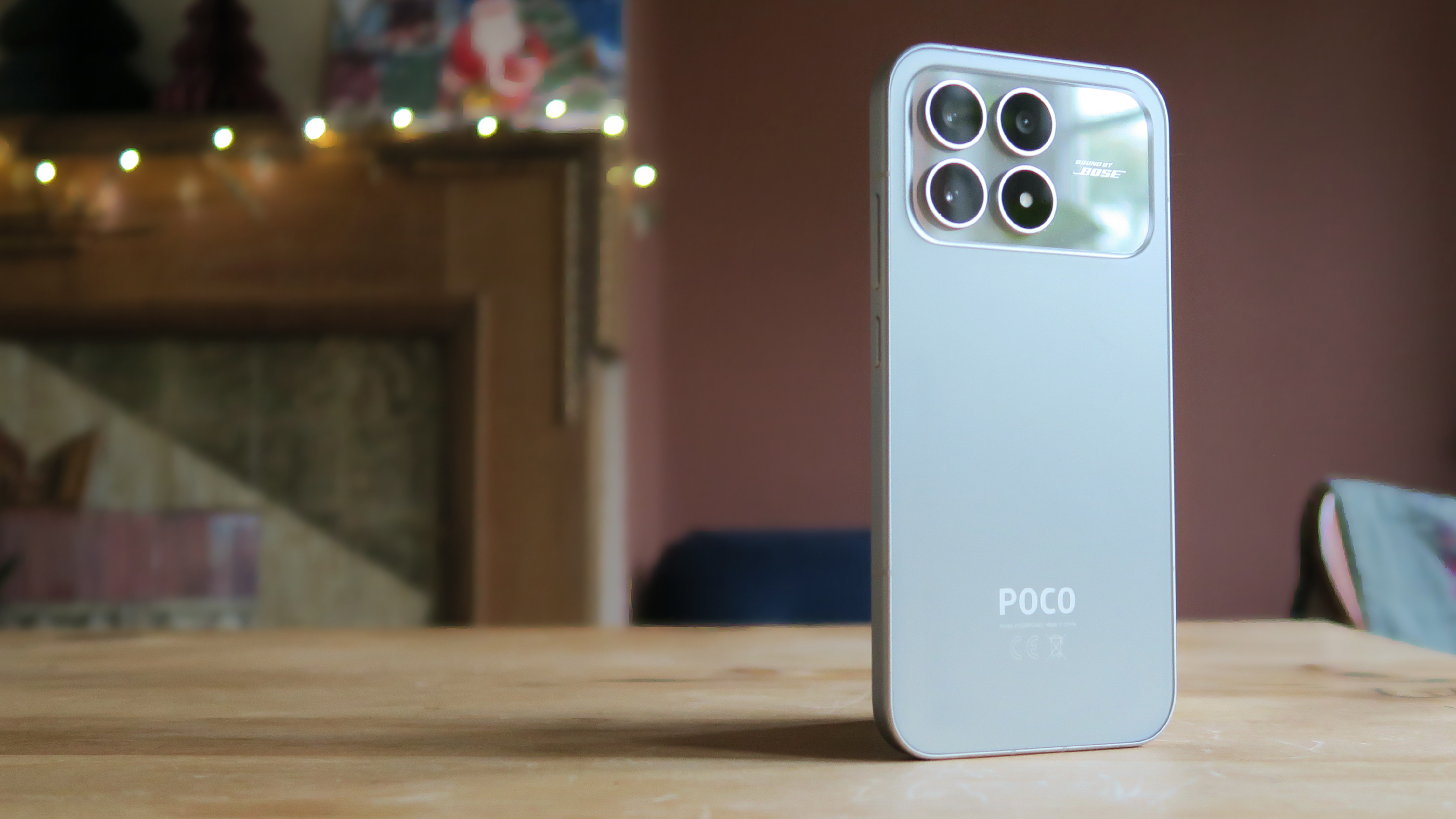
If you’re shopping in the mid-range market and are tempted by the likes of the Pixel 10a or the Galaxy A57, you might want to hold off and give the Poco F8 Pro a look instead. Poco’s Pro-level phone has long since provided tons of flagship features for a mid-range price, but now you can get even more bang for your buck in the F8 Pro.
Starting at just £549/$579, the real allure of the F8 Pro is that, in its design, there’s no sense of compromise to be found anywhere. It boasts a glass-backed chassis that feels great in the hand and is more than ready to withstand the elements with an IP68 rating. On top of that you’re getting superb performance thanks to the epic Snapdragon 8 Elite chipset, which just boggles the mind as it’s typically reserved for much pricier handsets.
The big change over the Poco F7 Pro is that the newer model comes with an all-new 50Mp telephoto lens with 2.5x optical zoom. With that third lens in tow, it’s much easier to pick up detailed shots of subjects from a distance, and as much as we love the photos you can pick up from Google’s A-series of smartphones, they do not have a telephoto lens of their own right now, so you’re getting a more versatile set-up here.
The only area where the likes of Samsung and Google really do have the upper hand is in software support. Xiaomi has promised only four years of software updates from the time of launch, alongside six years of security patches. While a lot better than previous years, it’s far from ideal for folks who want to put off upgrading again for quite some time.
Who should buy the Poco F8 Pro?
Mid-range bargain hunters who value performance above all else.
Poco F8 Pro: Further Considerations
Four years of software support is paltry compared to the competition.
Read our full
Xiaomi Poco F8 Pro review
9. Xiaomi Poco F8 Ultra – Best for Gaming
Pros
- Stunning, unique design
- Stellar battery life
- Incredible performance
- The best speakers of any phone
Cons
- Disappointing low-light photos
- Annoying bloatware
- Only 4 major Android updates
Price When Reviewed:
From £749
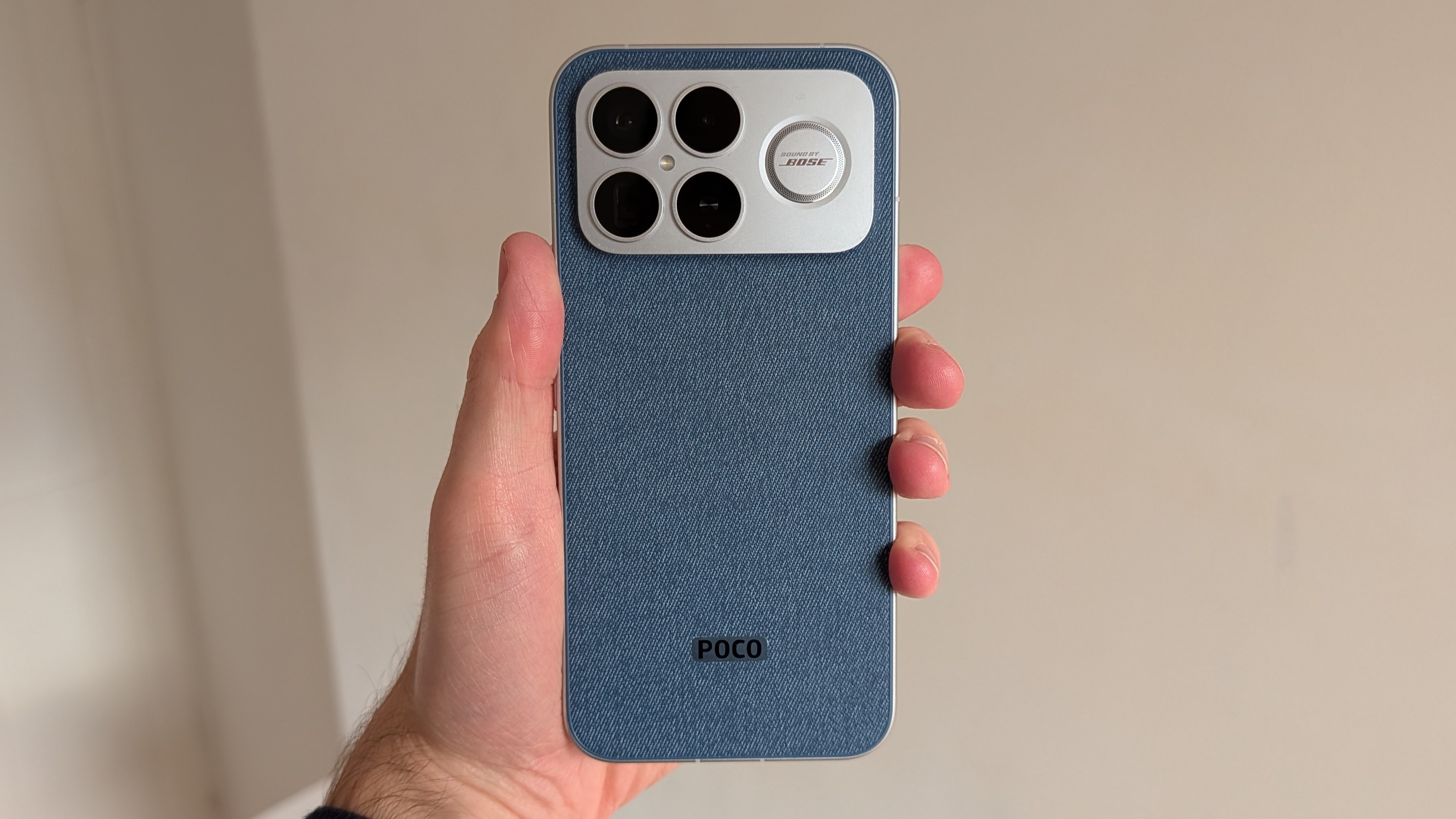
Let’s get the obvious out of the way first – yes, the Poco F8 Ultra is arguably one of the nicest looking phones around right now. It’s the Denim Blue option in particular that stands out for us as there really isn’t another handset out there that features such a backing, and it feels great in the hand too. It’s almost as if the F8 Ultra is singlehandedly trying to show that phones don’t have to be homogeneous in 2026.
In terms of specs, you’re getting a larger 6.9-inch display that gives off quite a cinematic feel owing to its stature, which can really draw you in. If you don’t have a pair of headphones to hand, then the Bose-engineered onboard speakers are easily some of the best that we’ve ever seen on a smartphone, with a tangible sense of bass and weight to the dialogue.
The biggest upgrade of them all relates to the battery, which has now leapt from 5,300mAh on the F7 Ultra to a whopping 6,500mAh. There’s also 100W wired fast charging, which, according to Poco, can net you a full battery in just 38 minutes, although you’ll need to splurge for a compatible charger.
It’s a shame then that for all the flagship prowess that the F8 Ultra delivers, you don’t get the same flagship-level software support as what you’ll find on similarly priced handsets from Apple and Samsung. To get just four years of OS updates when you’re paying a minimum of £749 is absurd, and we’d like to see Xiaomi rectify this in the F8 Ultra’s eventual successor.
Who should buy the Poco F8 UItra?
Flagship fans who want a phone that actually stands out in the market.
Poco F8 Ultra: Further Considerations
Xiaomi lags behind rivals for software support at this level.
Read our full
Xiaomi Poco F8 Ultra review
10. Xiaomi 15 Ultra – Best Previous Gen Flagship
Pros
- Incredible camera performance
- Excellent screen
- Solid battery life & fast charging
- Silky performance
Cons
- Some design backsteps
- Not the best Android skin
- Mixed bag of AI features
Price When Reviewed:
From £1,299
Best Prices Today:
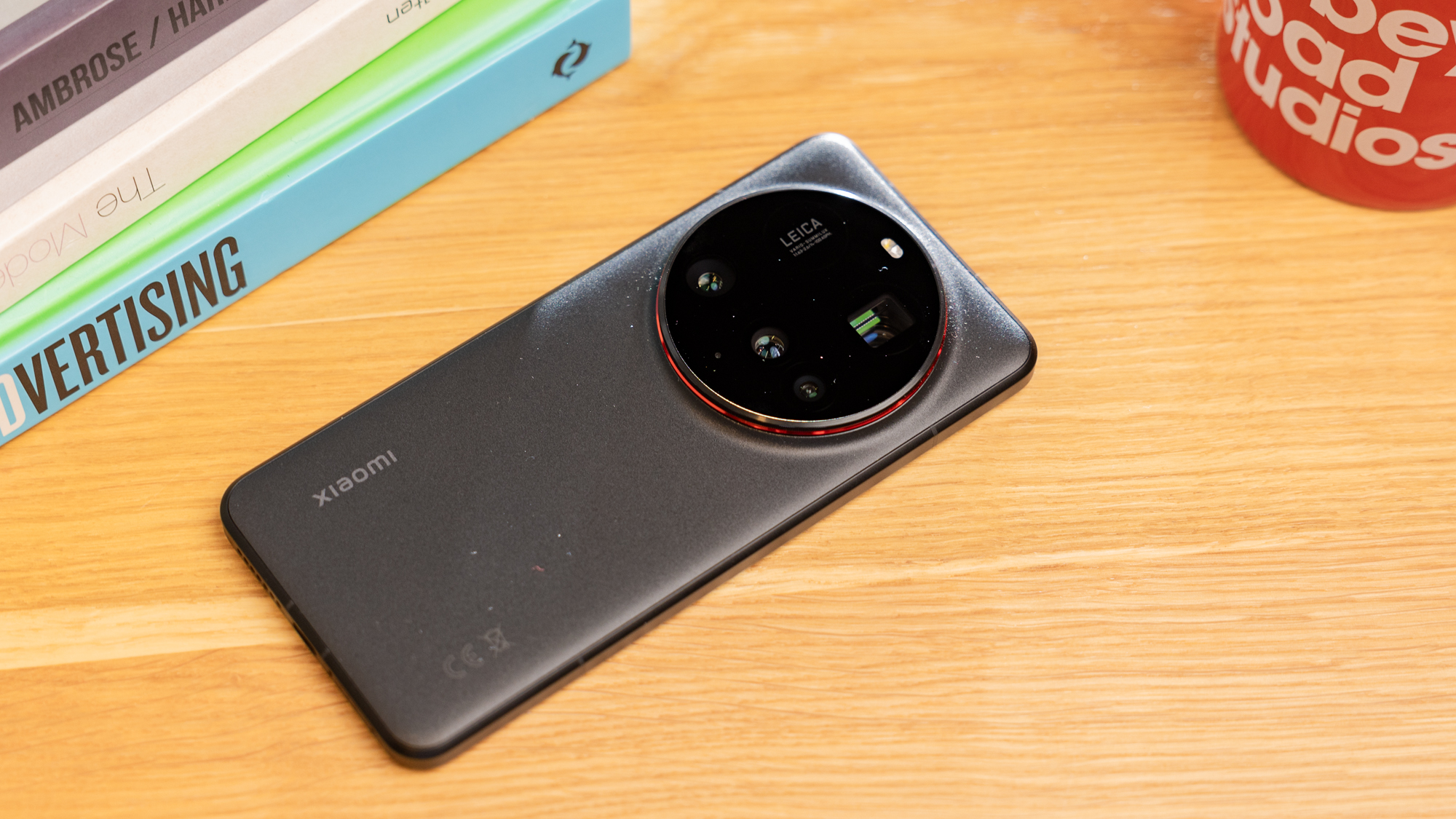
Even though the newer Xiaomi 17 Ultra has hit the scene, the Xiaomi 15 Ultra is still one of the best Android phones money can buy right now. This is an absolute beast on pretty much all fronts, and one of the few handsets out there that can go toe to toe with (and sometimes outdo) the Google Pixel 10 Pro XL and Samsung Galaxy S25 Ultra.
The headline feature is the 15 Ultra’s impressive camera array, which offers up, amidst its four rear-facing sensors, a 200Mp periscope telephoto. Even though this camera’s 4.3x zoom is slightly shorter than what was previously available, the higher megapixel count more than makes up for it with astonishing detail that can pick up clarity in subjects from quite a distance away.
Helping to line up your shots is the massive 6.73-inch AMOLED display, which is very easy to use outdoors thanks to a peak brightness of 3200 nits. The refresh rate can move between 1-120Hz to optimise the battery, and the colours emitted from this panel are truly stunning, making shows on Netflix and Disney+ really pop.
While HyperOS still isn’t our favourite Android overlay, the fairly lacklustre AI features feel more egregious at this end of the market, given that Galaxy AI provides much better functionality on the S25 Ultra. If you’re not fussed about software, however, then you won’t feel hard done by with picking the Xiaomi 15 Ultra above all other flagships.
Who should buy the Xiaomi 15 Ultra?
Android fans who want one of the best flagship handsets that money can buy.
Xiaomi 15 Ultra: Further considerations
The Galaxy S25 Ultra offers a better software experience.
Read our full
Xiaomi 15 Ultra review
Other Xiaomi phones tested
As you may have already gathered from this list (and our extensive coverage of Xiaomi’s launches), the company puts out a huge amount of phones each year and there are several that we’ve tested that simply didn’t make the cut or have since been pushed out:
- Redmi Note 15 Pro+ – For the asking price of £429, it’s wild that you can get a competent 200Mp main lens, high-end durability with IP66 and IP68 ratings, alongside a battery that can really go the distance. If you are in the market for a cheaper mid-range phone that’s great for entertainment on the go as well as capturing the best moments throughout your day with plenty of colour and clarity, then the Note 15 Pro+ may very well be the right phone for you.
- Xiaomi 15 – Now that it’s been replaced by a newer model, the Xiaomi 15 can be picked up at a discounted price, making it a very tempting previous-gen flagship for bargain hunters. You’re still getting an amazing trio of cameras, and because of its compact 6.36-inch display, the Xiaomi 15 is one of those rare phones that can actually be used one-handed.
- Poco X7 Pro – The Poco X7 Pro was never quite able to carve out a space for itself on this list, largely due to the bloatware that comes preloaded with the phone, even though it’s a very attractive handset. Working in the phone’s favour however is the great combination of an epic main camera and dependable performance for the price, which makes it a competitive beast on the budget market.
Here are a few other Xiaomi phones that are worth a look:
- Poco F7 Ultra
- Poco F7 Pro
- Xiaomi 14 Ultra
- Xiaomi 14
- Xiaomi Mix Flip
- Xiaomi 15T
- Xiaomi Redmi Note 15 Pro
Sean Cameron / Foundry
Xiaomi phone news that could affect your buying decision
The talk of the town right now concerns Xiaomi’s next generation of flagship phones: the Xiaomi 18 range. The most interesting bit of news right now is that, unlike the current generation which only brought the standard Xiaomi 17 and the uber premium Xiaomi 17 Ultra to the West, the Xiaomi 18 Pro will now also be afforded a global release.
Featuring a very similar rear-facing display as its predecessor, the Xiaomi 18 Pro could be a great phone for anyone who loves taking selfies. We don’t know exactly when the phone will be released, but Xiaomi has stated that the phone will be coming this year to global markets, so you might want to hold off if you’re thinking about picking up a flagship handset.

Xiaomi
Although the 18 Pro is sure to be the centre of attention, the standard Xiaomi 18 is also shaping up to be a rather impressive compact phone with a 6.4-inch 1.5K display that benefits from having the Snapdragon 8 Elite Gen 6 chip under the hood.
The phone is expected to come with a 7200mAh battery with 100W charging, but the most interesting change is the use of two 200Mp cameras which should allow the phone to be one of the best in its class where photography is concerned. If Xiaomi can price the phone just right to potentially undercut the likes of the iPhone 17 and the Samsung Galaxy S26, both of which are now more expensive than their predecessors, then the Xiaomi 18 could end up being a value-busting option for a lot of people.
Can I get a better phone deal?
The best thing about our deals widgets, which accompany every entry on this list, is that they give you an up-to-date look at the best prices for a given phone at all times, so you don’t have to worry about chasing after any hidden deals on the web. With that said, there are times of the year when you’re more likely to see big price cuts on Xiaomi phones, namely Amazon Prime Day sales and Black Friday.
These major sales events feature smartphone deals across the board, not just for Xiaomi’s handsets, which usually results in some excellent price matching and incentives as Xiaomi tries to lure potential adopters away from the competition.
If you don’t fancy holding out until then, you can always peruse our collection of the best refurbished phone deals, which can get you a hefty discount at all times of the year.
Luke Baker
How we test Xiaomi phones
Xiaomi phones, just like any other brand of phone that comes our way, are used for at least a week as the main handset of one of our expert reviewers. With their own SIM-card in the phone, they get a real-world understanding of how the device performs day to day, whilst also putting it through its paces via industry-standard benchmarking tests.
Read more about how we test smartphones.
Why you should trust Tech Advisor for Xiaomi phone reviews and buying advice
Tech Advisor has been reviewing phones long before Xiaomi hit the scene, and our mantra to offer in-depth, unbiased consumer advice has never wavered. It is our duty to make sure that whenever you are looking to pick up a new smartphone, you make the right decision from the jump.
Who curated this article?
Our Mobile Editor, Anyron Copeman, covers phones on a daily basis and has reviewed devices from every brand making them. He’s often among the first people in the world to get hands on with the latest models. He’s assisted by Chris Martin, our Managing Editor, who has been testing phones since the Google Nexus days.
How to choose the best Xiaomi phone?
Much like Samsung and Honor, Xiaomi has a phone to match practically every budget you could think of, so deciding which phone to go for depends almost entirely on how much you’re willing to spend.
For example, those looking to stick within the parameters of the best budget phones should check out Xiaomi’s Redmi sub-brand of phones, while those interested in what the best mid-range phones have to offer can find a more fitting device under the Poco brand, or amongst Xiaomi’s most recent ‘T-series’ phones, with the most recent being the Xiaomi 17T and 17T Pro.
Luke Baker
Anyone who’s flush with cash can go straight to the numbered Xiaomi flagship phones, which more closely compete with the iPhone and flagship Android handsets. Phones like the Xiaomi 17/17 Ultra provide top-tier camera specs, alongside high-end chipsets that facilitate fast everyday performance, making gaming and multitasking a breeze.
Xiaomi phone buying advice
What’s the difference between Xiaomi’s different brands?
Xiaomi has a range of different brands, which can make things confusing. First up, it has its core Xiaomi products – these used to have the ‘Mi’ moniker, but now they’re simply branded with the company’s name. This is where you’ll find its latest flagships and foldables, but also plenty of cheaper options.
Budget phones come from the Redmi sub-brand. These are still made by Xiaomi, but the Redmi brand is a signal that a phone will be cheaper than the core line.
Then there’s Black Shark. This is the company’s gaming phone line, with a focus on pure performance and features like advanced cooling, extra controls, and bold designs.
Finally, Poco. While Poco started as a Xiaomi sub-brand, it’s technically been spun off as an independent company since then. However, it still shares Xiaomi’s R&D and uses Xiaomi software, so Poco phones are often quite similar to Xiaomi and Redmi models. They tend to be affordable, like Redmi devices, with a particular focus on power and performance.
Should I buy a Xiaomi phone from China?
If you live in the US then you may be tempted to turn to Chinese importers such as GearBest and Geekbuying to buy a Xiaomi phone – and even readers elsewhere in the world will find that there are still some models that stay exclusive to China and may tempt you into an import, including the top-of-the-range 17 Ultra for now.
If you do, make sure you buy a model with a global ROM installed, or be prepared to mess around with the software when it arrives (novice users should avoid this). The global models have full access to Google services and an English-language interface out of the box. If you accidentally purchase a Chinese ROM model, we’ve explained how to install Google Play on a Xiaomi phone here.
Second, if you’re buying from China you should take into account that your consumer rights are different to when you buy elsewhere, and that should something go wrong you’re going to find aftersales support more difficult.
Lastly, delivery can be a pain. Delivery times will be longer in general, though there are usually free and express shipping options. More than that, though, there could be hidden costs: you may be asked to pay import duty upon the phone’s arrival, which is calculated based on whatever value is printed on the shipping paperwork, usually plus an additional admin fee.
What software do Xiaomi phones use?
All Xiaomi phones run the Android operating system, with the company’s own HyperOS Android skin installed on top – this was formerly known as MIUI
To be honest, neither are our favourite versions of Android out there – they’re both a little cluttered and complicated – but you can expect a fairly smooth and reliable experience, with plenty of customisation options and fairly frequent updates.