top Fitbit for Kids 2026: Accessible, kid-friendly fitness trackers
If you’re hoping to teach your kids about the importance of fitness and caring for their health then buying them a Fitbit is a great place to start. These affordable, low-stimuli wearables are made for users of all ages, but because of their ability to suggest better habits such as ensuring that you’re not sitting down for too long and that you get up and stretch regularly, they’re a great shout for introducing kids to the importance of taking an interest in exercise.
Just like with any fitness tracker that gets sent to us, we have put the latest Fitbits through their paces, taking them to the gym and on any outdoor runs, seeing how well they track our steps, heart rate and other bits of crucial data. For this particular list however, we’ve made sure to factor in how accessible these devices are to younger users and whether or not they might be deemed too convoluted, so you can rest assured that each one featured here is a great purchase for your kids.
It’s worth mentioning that although these devices carry the Fitbit name, Google (which owns Fitbit) has done away with the original app that they paired with, replacing it with the revamped Google Health app. Part of the reason for this is that the app now has better integration with Google’s AI services, as the optional Google Health Coach gives you AI-driven insights into your current bill of health. In the context of younger users however, the Health Coach isn’t necessary, so you don’t have to worry about any additional costs in this regard.
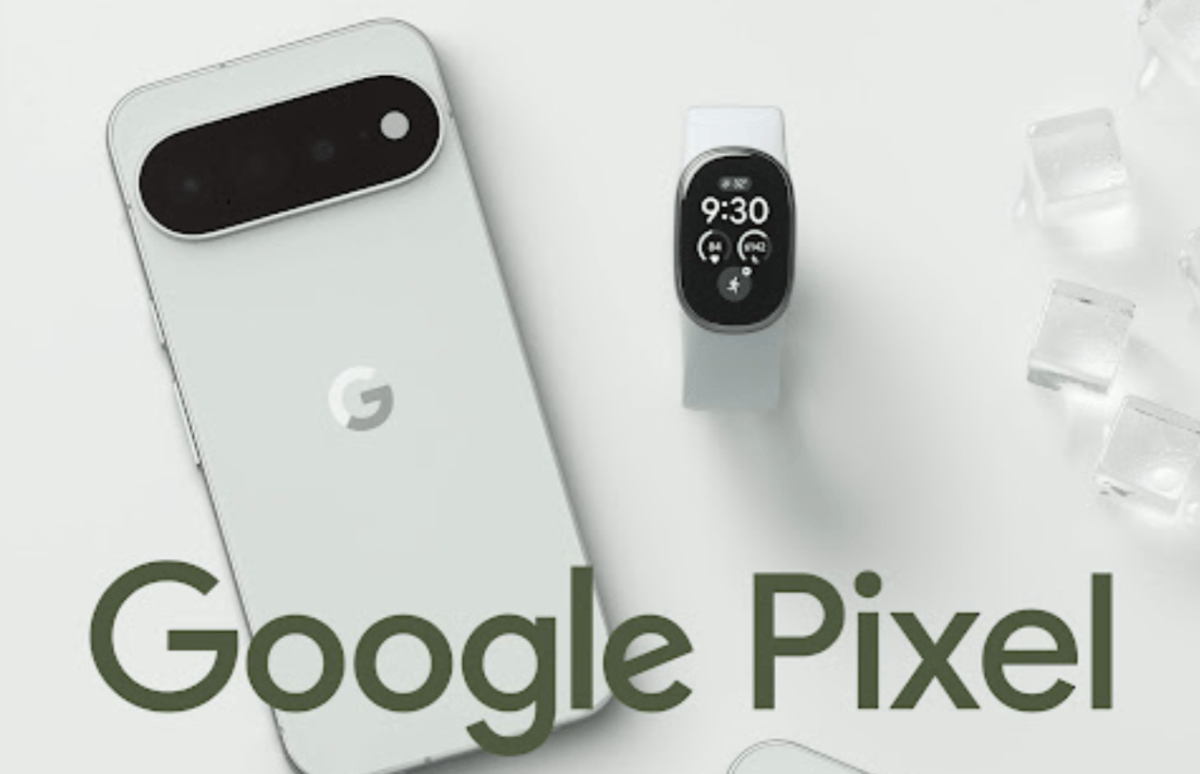
There’s also a chance that we may see another Fitbit device drop in the near future, specifically the Fitbit Charge 7. Google inadvertently revealed an as-yet-unannounced wearable through the marketing campaign for the new Pixel 11 range, and our money is that it’s a long-awaited follow-up to the Charge 6. If that’s of interest to you then it might be worth holding off for a few more months to see if Google makes an official announcement, but in the meantime, here are the Fitbit devices that we recommend for children.
Bear in mind that if you want a device that’s better suited for older users, you can check out our guides to the best smartwatch and the best fitness trackers too.
Best Fitbit for kids
1. Fitbit Ace 3 – Best Fitbit for younger kids

Pros
- Designed for kids
- Parent and Kid Views
Cons
- Lacks heartrate monitor
- Shallow feature set
- Monochrome display
Price When Reviewed:
$79.95
Best Prices Today:

Features: Steps, Distance, Calories, Active Minutes, Sleep Tracking, Reminders To Move, Call Notifications, Kids View, Parents View, Stopwatch, Timer, 8-day battery
Successor to the Fitbit Ace 2, the Ace 3 is specifically designed for kids, making it the obvious choice to top this list. It has a simple, tough design and straps specifically for small wrists, with a slim display to show the time and basic readouts.
It’s showerproof and the battery can last for up to eight days, meaning your kids can wear it all through the school week to keep an eye on their exercise.
There’s no heart rate monitor on the Ace 3, so if (or your child) want such functionality, you should consider the more able Inspire 3 tracker.
Fitbit recommends the Ace 3 for children over the age of six, with it tracking Steps, Active Minutes and basic Sleep, while also offering up Reminders to Move and basic notifications, like Caller ID. Bedtime Reminders, alarms, a timer and a stopwatch are all included extras too.
On the app side, Fitbit has created two Views exclusive to the Ace range: one for parents and another for the child. Just like adults, kids can win badges and trophies as they hit their activity goals. These family views are just for Ace.
Fitbit also ensures all the data collected is private and not shared with its servers, keeping info about your kids safely with you and you only.
A Special Edition Ace 3 (at the same price) is based on the popular Minions movies.
You can buy cheaper if you find an older Ace 2 still available; see lower down this list for more details.
Who should buy the Fitbit Ace 3?
Parents who want the most kid-friendly Fitbit around.
Fitbit Ace 3: Further considerations
There’s no heart rate monitor built into the device.
Read our full
Fitbit Ace 3 review
2. Fitbit Inspire 3 – Best simple option
Pros
- Always-on colour screen
- Stylish & comfortable
- Comprehensive tracking
- Good battery life & charging
Cons
- Tiny screen
- Premium needed for some features
- Short charging wire
- No GPS
Price When Reviewed:
$99.95





Features: Steps, Distance, Calories, Heart-Rate Monitor, Connected GPS (from phone), Active Zone Minutes, Automatic Exercise Tracking, Cardio Fitness Score, Sleep Tracking, Breathing Rate, Relaxed Breathing Sessions, Reminders To Move, Call & Text Notifications, Stopwatch, Timer, 10-day battery
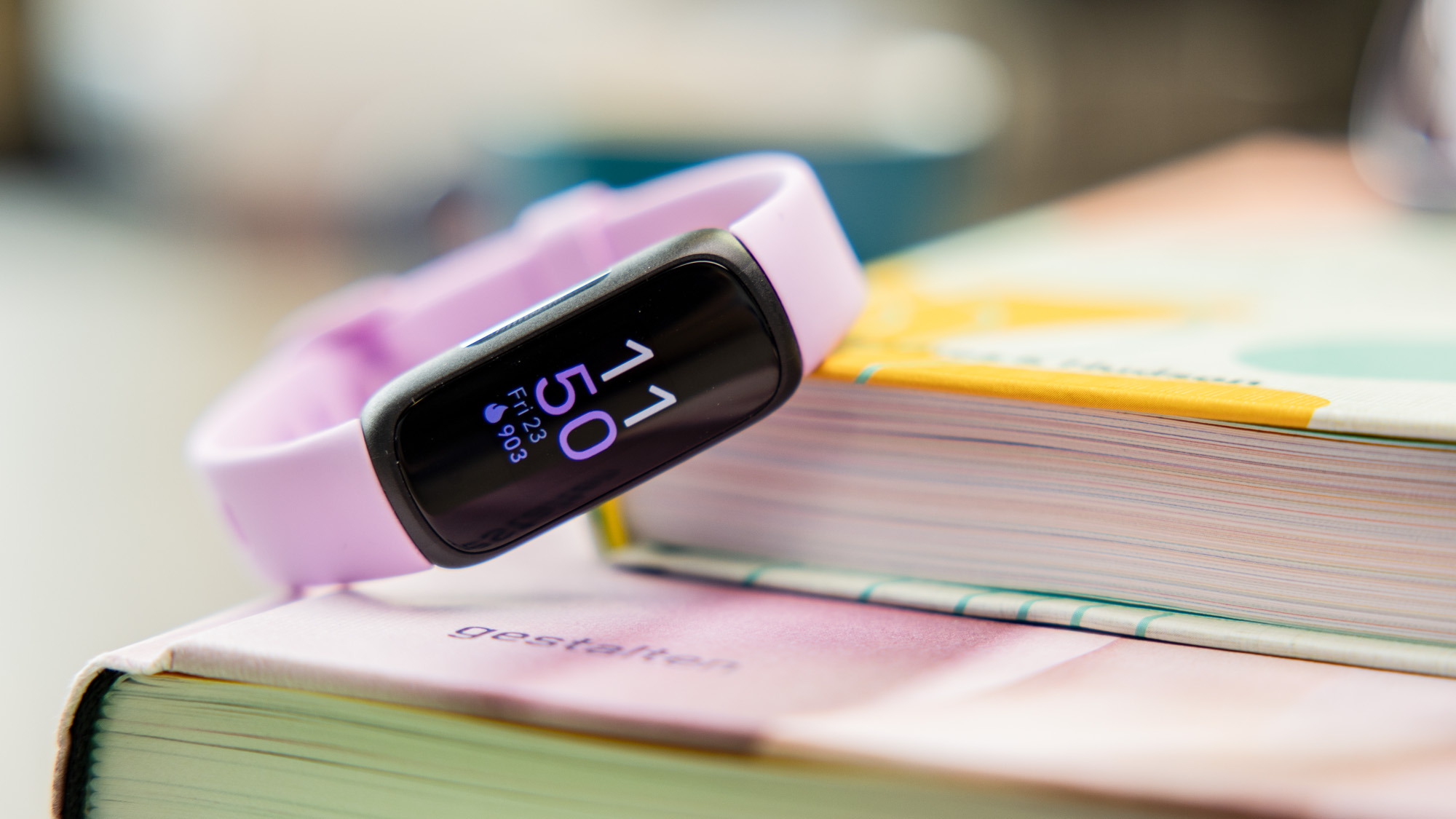
If your child is a little too old for the look of the Fitbit Ace 3 then the Inspire 3 is the one to go for. it has a color display and solid multi-day battery life to track steps and heart rate 24/7—even in the shower or bath thanks to it being fully waterproof.
There are tons of fun and smart strap options available, but the tracking is where it excels. there’s no GPS for run route tracking, but if your child has a phone and wants to do that then the Inspire 3 can link to a smartphone’s GPS to provide that function. There are several exercise modes, and it even can detect irregular heart rhythms.
Who should buy the Fitbit Inspire 3?
Those who like the idea of the Fitbit Ace 3 but want a few more features included.
Fitbit Inspire 3: Further considerations
The screen is still smaller than some other Fitbits.
3. Google Fitbit Air – Best screenless Fitbit
Pros
- Incredibly light & comfortable
- Excellent app interface
- Fast charging
- Health Coach is game-changing
Cons
- Best features need subscription
- No GPS
- No NFC for contactless payments
Price When Reviewed:
$99.99
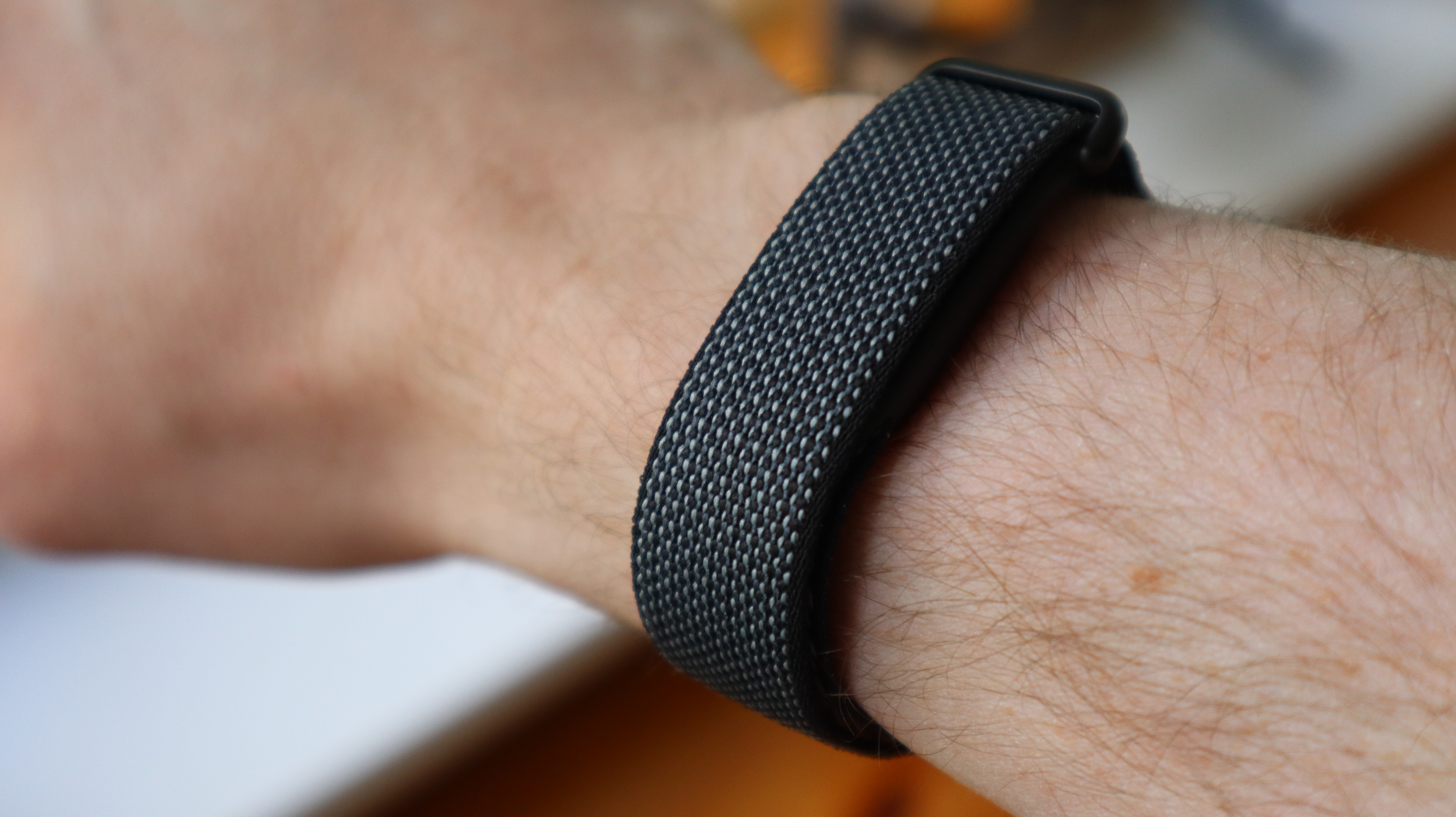
In the context of Fitbit devices for kids, the Fitbit Air is a tricky one to talk about. On the one hand, because it’s a screenless fitness tracker, it is completely distraction-free in itself, so it can keep tabs on key things like step count and more, all without offering another screen to grab your child’s attention. On the other hand, because there’s no display, you have to rely on the Google Health app on your smartphone a lot more.
However, if you have parental controls and time limits set up on your child’s phone then this won’t be an issue, as they’ll know that they can’t spend too long dawdling and mindlessly scrolling through the app. With regards to the app itself, it’s very easy to set up your dashboard to show the metrics that you’re interested in. For instance, if your child just wants to see their step count and their sleep score, they can customise the app’s homepage so that they’re the first things they see.
Circling back to the Air, one of the reasons why it’s a perfect fitness tracker for kids is because of how light the whole thing is. Carrying a very slim profile and weighing just 12g in total, the Fitbit Air is very comfortable to wear throughout the day and overnight, and is less likely to catch on your child’s clothing compared to more substantial fitness trackers on the market.
The Air also runs for up to seven days at a time on a single charge, so you don’t have to worry about needing to top it up every day, and there’s a vibration feature onboard that will let your child know when the battery is low. In fact, that same feature can also be used to set alarms on the Fitbit Air to help your child get up in the morning and ready for school. As a final flourish, the £84.99/$99.99 price tag of the Fitbit Air makes it a very affordable option in the company’s range.
Who should buy the Fitbit Air?
Parents who want a wearable that’s completely distraction-free.
Fitbit Air: Further considerations
You do need to rely on the smartphone app to see your data, but time limits can prevent your kids from spending too long on their phone.
Read our full
Google Fitbit Air review
4. Fitbit Charge 6 – Best with built-in GPS
Pros
- Premium design
- Integrated GPS
- Colour display
Cons
- Occasional lag
- Some Charge 4 features missing
Price When Reviewed:
$159.95

Features: Steps, Distance, Calories, Heart-Rate Monitor, Built-in GPS, Connected GPS (from phone), Active Zone Minutes, Automatic Exercise Tracking, Cardio Fitness Score, Sleep Tracking, Breathing Rate, Reminders To Move, Call & Text Notifications, Stopwatch, Timer, 7-day battery
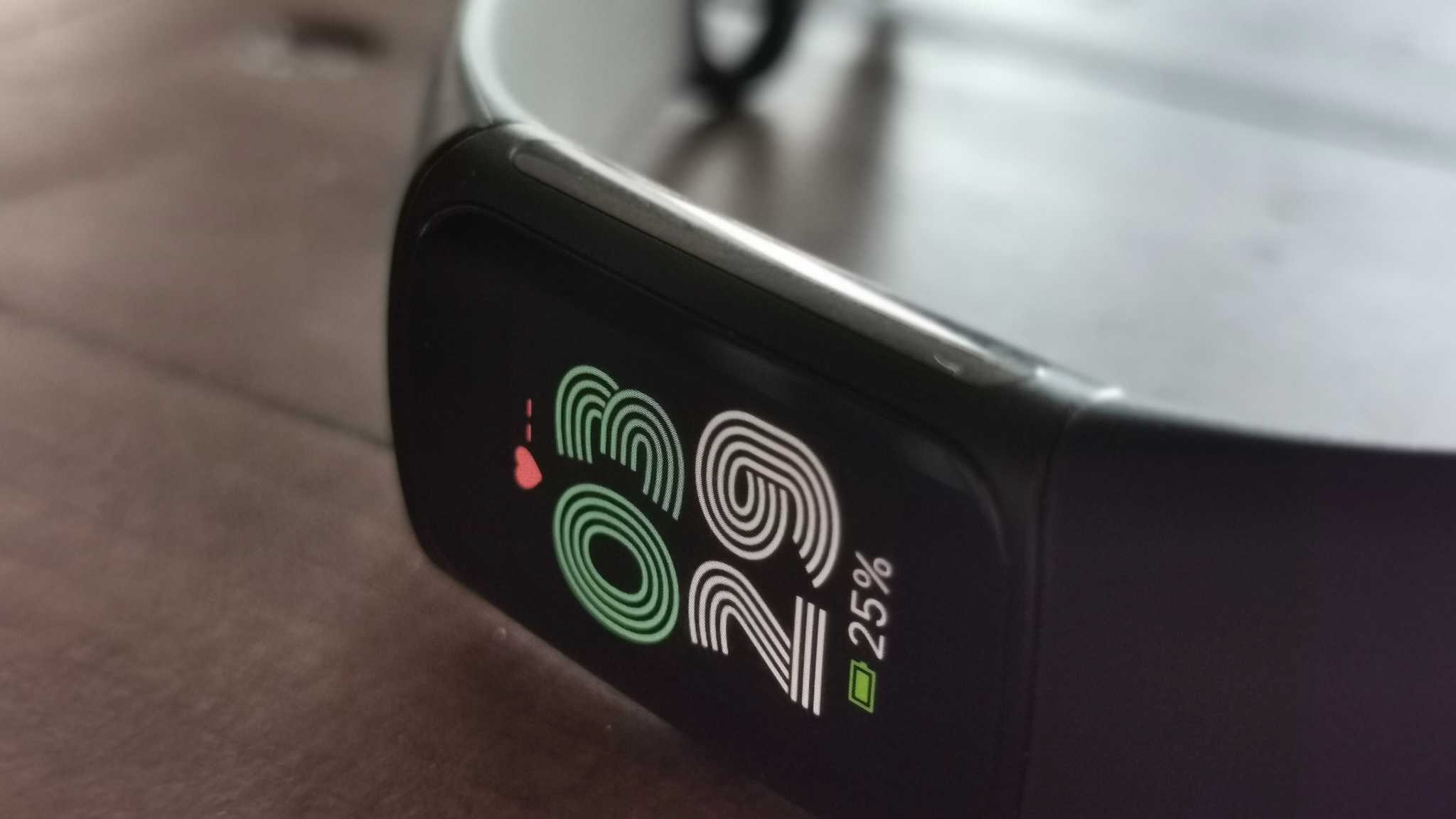
The Charge 6 is easily among Fitbit’s best all-round activity trackers. Fitbit has cherry-picked some of the best and brightest features from its latest trackers and smartwatches to create a Goldilocks product that delivers an impressive breadth of functionality for the price, not to mention wrapping it up in a lightweight and stylish package.
It covers all the basics—tracking steps, distance, calories burned, hourly activity, heart rate, swim-tracking and advanced sleep, not to mention it has most of the top-end exercise features too; including Active Zone Minutes. Its built-in GPS means it’s a tracker that can match the pricier smartwatches, though it can’t take calls, like the Sense and Versa can.
There is no altimeter so this tracker won’t count flights of stairs or altitude (hills) on walks.
Who should buy the Fitbit Charge 6?
Anyone who wants to track their route during a parkrun.
Fitbit Charge 6: Further considerations
It costs a fair bit more than the Ace 3 and the Inspire 3. Rumour has it that the Fitbit Charge 7 is on the way too.
Read our full
Fitbit Charge 6 review
Other Fitbits tested
Although the Fitbits featured above are by far the best options when it comes to buying for young children, there are other Fitbit devices available if you are tempted to see what else is within the company’s range.
The Fitbit Sense 2, for instance, is the brand’s flagship fitness tracke,r which also boasts a ton of health tracking tech, including a temperature sensor that’s key for monitoring stress throughout the day. While a solid fitness tracker in its own right, especially for adults who want a holistic look at their health, the Sense 2 arguably has far too many features than a child would ever need, and in terms of having a larger display that’s easy to read, you can get the same experience with the Fitbit Versa 3/4.
While not technically a Fitbit, it is still worth mentioning the Pixel Watch range, as they use Fitbit’s software for their onboard fitness tracking. We’re currently in the process of testing the new Pixel Watch 5, but the previous-gen Pixel Watch 4 can now be found for a lot less if you shop around. As a wearable for teenagers that blends fitness and smart features into a single device, the Pixel Watch can be a great option in this regard.
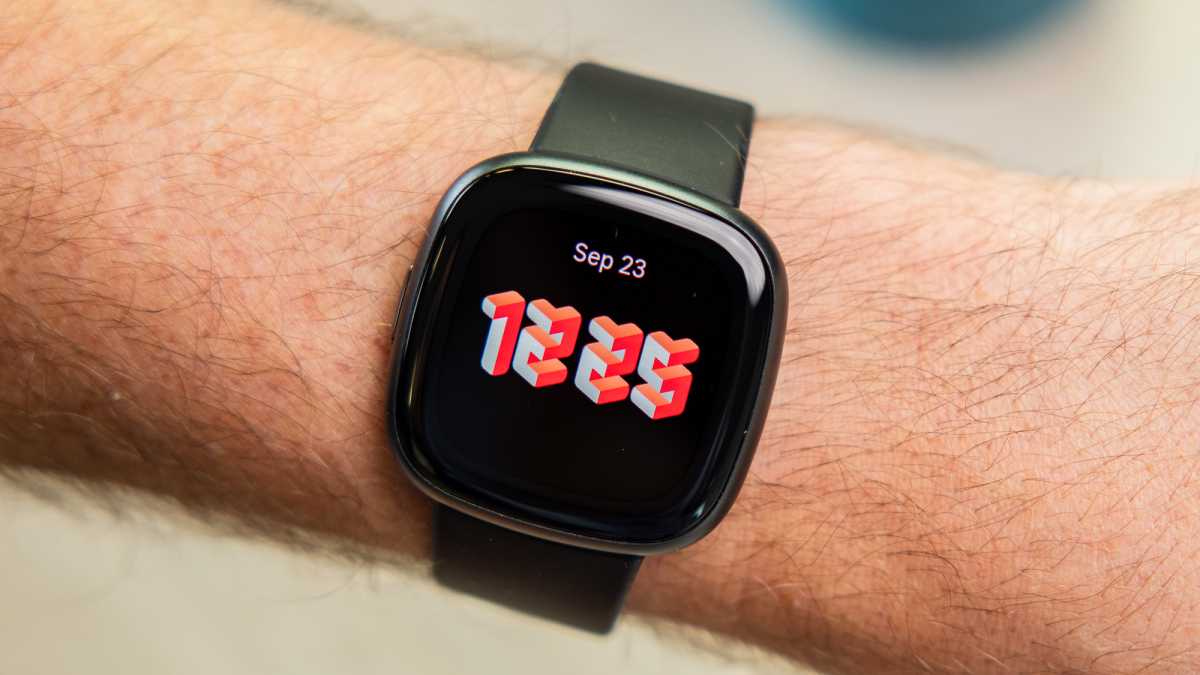
As mentioned above, the Versa 4 (seen below) is the latest in that range, but the previous model is actually better if you can find one.
Dominik Tomaszewski / Foundry
Fitbit news that could affect your buying decision
In 2026 we’ve already had the release of the Fitbit Air but if Google’s own marketing is to be believed, we could be due for one more release in the not too distant future. Spotted in the marketing material for the Pixel 11 and Pixel Watch 5 range is a wearable that, as of yet, has not been announced by Google.
While there’s a chance that it could be a more affordable version of the Pixel Watch, our money is on it being the long-awaited follow-up to the Fitbit Charge 6. After all, it’s been quite a few years now and the Charge series is long overdue a refresh, so following the success of the Fitbit Air and the launch of the new Google Health app, now feels like as good a time as any to bring the Fitbit Charge 7 to market.
Can I get a better Fitbit deal?
For every single device featured on this list, our helpful deals widgets are able to show you the cheapest prices available across all major retailers in an instant. This means that you don’t have to waste time looking for a bargain yourself and just get straight to what you need.
However, if you are looking to maximise your budget as much as possible then you may want to wait until either the next Amazon Prime Day sale or for Black Friday. As you might imagine, Amazon’s event is better suited for anyone who has an active Prime membership, whilst Black Friday gives you more choice over which retailers you buy from.
How we test Fitbits
For every Fitbit device that reaches our desks, we assign it to one of our tech experts who will then wear it for at least a week to get a detailed understanding of how well it works in everyday use. This involves tracking the battery drain throughout the review period, as well as comparing the data collected against dedicated heart rate monitors.
Read more about how we test smartwatches.
Why you should trust Tech Advisor for Fitbit reviews and buying advice
Tech Advisor has always prided itself on offering impartial and insightful buying advice so that our readership can be well informed about the pros and cons of any given device before settling on which one they would like to buy. We uphold these editorial standards by conducting in-depth tests and research with every product called in for review, whether they be kid-friendly Fitbits or flagship-level smartphones.
Who curated this article?
This article was put together by Simon Jary, a regular Tech Advisor contributor who has more than 30 years of experience in writing about the tech industry. In that time, Simon has been privy to the birth of Fitbit, seeing how the company’s products have evolved and developing an understanding as to which features are actually essential for consumers.
Fitbit
How to choose the best Fitbit for kids?
Unlike when it comes to buying a new fitness tracker for yourself, deciding over which one to get for your child is a different proposition entirely, and it only works if you have an understanding of what drives your child, and the type of exercises that interest them.
For instance, if your child isn’t interested in running then buying a GPS-enabled Fitbit device is going to be a waste of money, whilst Parkrun enthusiasts who love to run with Mum or Dad every Saturday may appreciate being able to see the route they took on their phone after the fact.
Similarly, if you just want to keep things simple and get your child to take an interest in their daily step count, then you only need a basic Fitbit to do just that. There’s no need to spend more for a wider set of features unless you think they’ll be used.