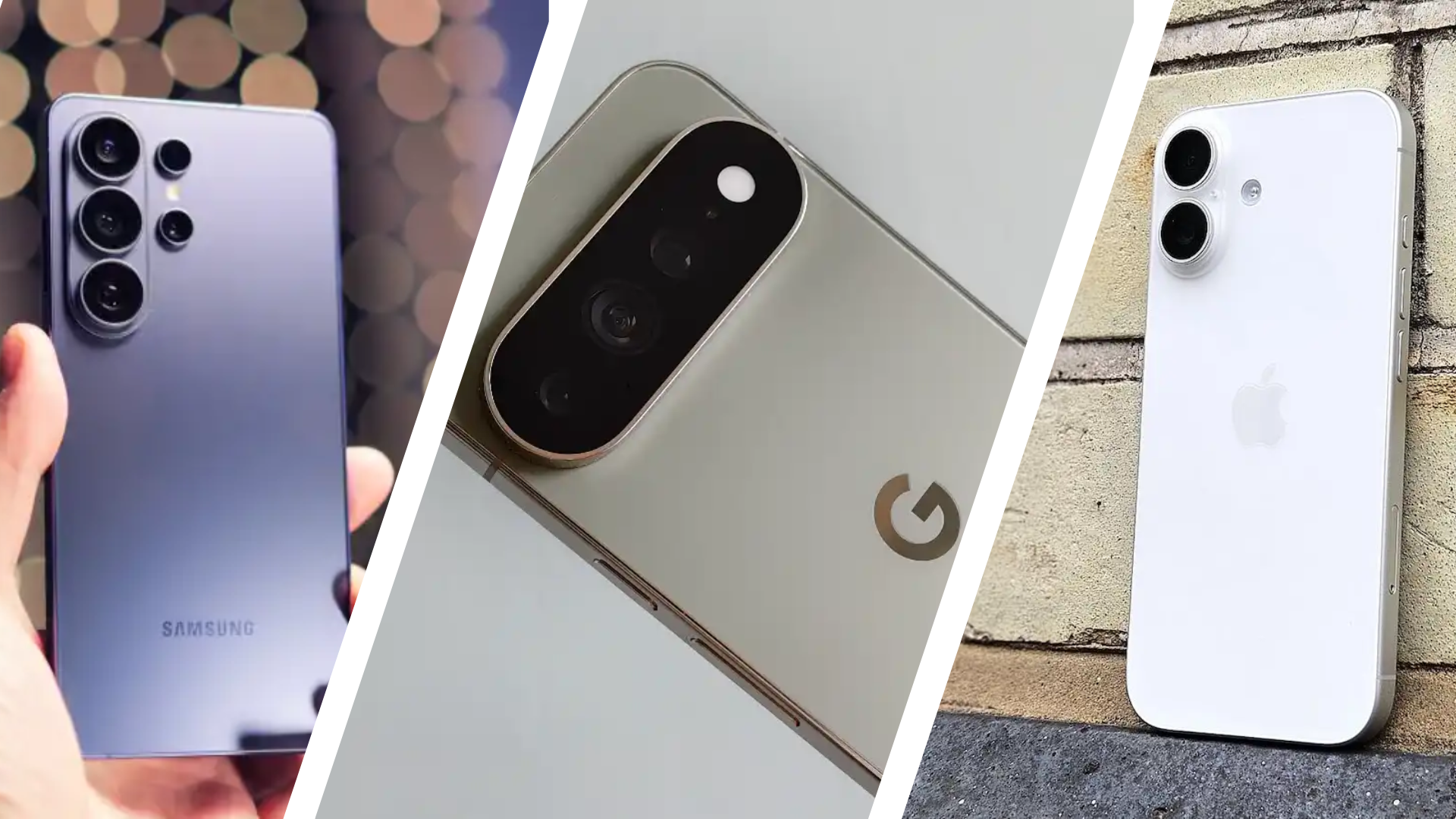
top phones: Our experts review the top 10 Android & iPhone models
Choosing a new phone is no easy task. You’ll use it for everything from staying in touch with friends and family to taking photos to accessing bank accounts and payment methods on the go, so the last thing anyone wants is to be saddled with a phone that doesn’t hit the mark. Thankfully, with the advice of our expert team, you won’t have to worry.
As tech obsessives, our writers know exactly which phones are worth buying because they’ve put the latest options from Apple, Samsung, Google and more through a series of rigorous tests. This involves stress testing through benchmarking apps, playing demanding 3D games, and documenting battery drain during intensive days. With all that data to hand, this guide is updated with phones that we personally recommend so you don’t have to waste time getting your next upgrade.
Even before you get to price, there are so many considerations to take into account. For instance, if your friends and family use iPhones, being part of that ecosystem can yield a ton of benefits, especially if you already have other Apple devices.
Alternatively, if you’re obsessed with having the best features in a particular area, such as top-of-the-line cameras or a battery that can last for multiple days between charges, you may be better off choosing from the greater number of Android options.
We’ve made the process of buying a new phone much easier by breaking down how the handsets in this guide stand out and the main reasons why you’d want to buy each of them.
Scroll on to see which phones are the best to buy in 2026, but if you’d rather focus on handsets that don’t exceed a certain price, our guide to the best mid-range phones is ideal for those looking to spend around £500/$500, while the best budget phones are for those wanting to keep the cost below £300/$300.
Best Android and iPhone phone reviews
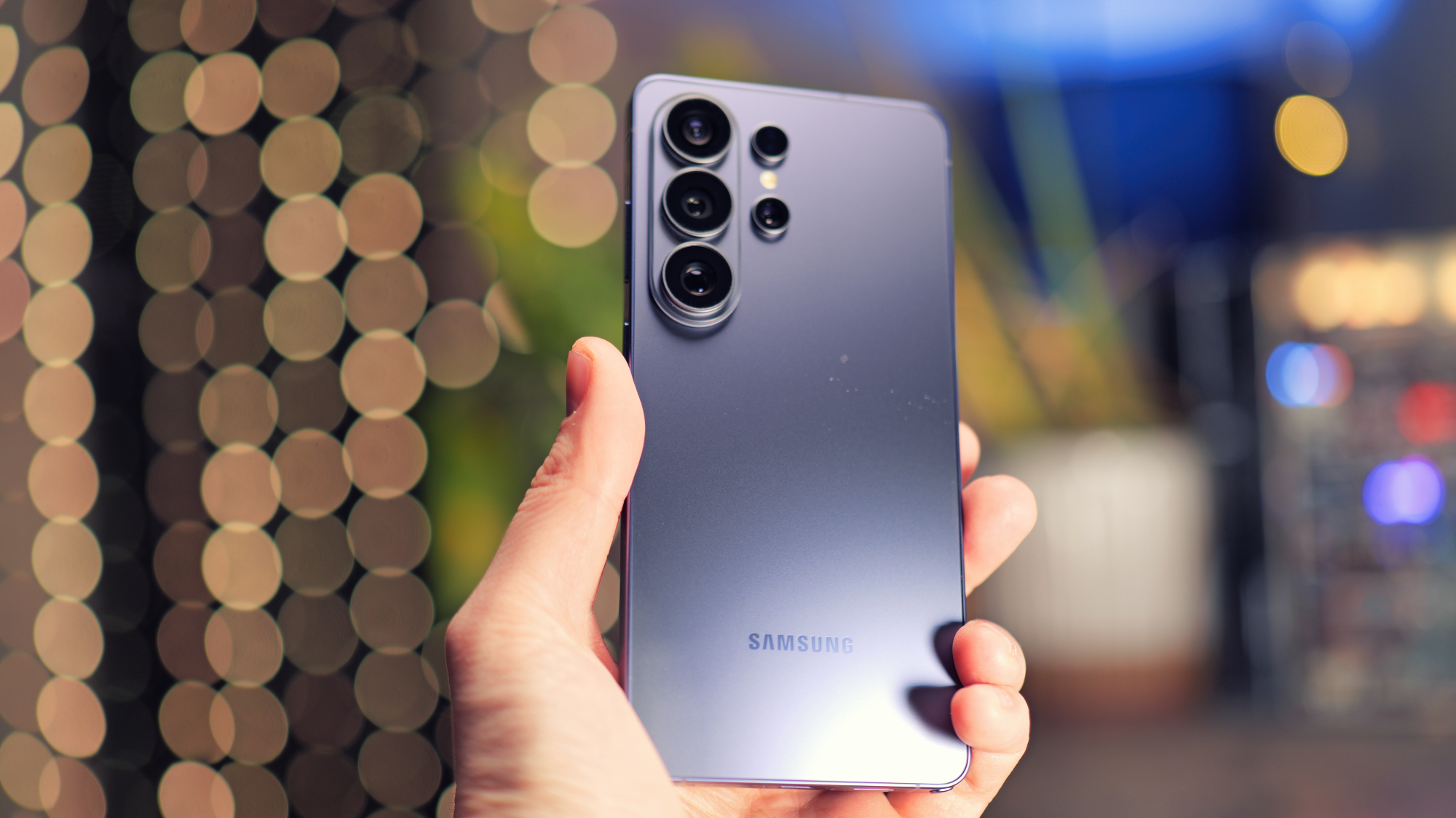
1. Samsung Galaxy S26 Ultra – Best Phone Software
Pros
- Slick software
- Still the best AI tools
- Exclusive Privacy Display
- APV codec and Horizontal Lock video
- Faster charging
Cons
- Minimal upgrades
- S-Pen positioning is irksome
- No Qi2 magnets
- Expensive
Price When Reviewed:
From £1,279


Buy a Samsung Galaxy S26 Ultra on iD Mobile with 100GB data for £42.99/month and £119 upfront
Samsung’s flagship phone has never felt quite so at odds with itself. There’s no magnetic Qi2 charging, which puts it a touch behind the Pixel 10 and iPhone 17 ranges, and it’s now more expensive than before, making it even more of an investment for true Samsung diehards. However, even with these setbacks, the Galaxy S26 Ultra is still one of the best Android phones around and a true joy to use.
The 6.9-inch AMOLED display remains the most alluring feature – it makes streaming a bit of Netflix or Disney+ feel far more cinematic than it does with other phones. Pair that with the powerful stereo speakers onboard, and you’re looking at a true entertainment hub. What you won’t be looking at (from a distance) is sensitive information thanks to the all-new Privacy Display feature.
This incredible bit of tech can black out parts of the screen or the entire display, hiding personal texts or banking information you don’t want others around you to see. It’s a game-changer for making smartphones safer, particularly as we use them for so many applications. There’s also faster charging, with the S26 Ultra able to top up at 60W over a wired charge, and 25W over a wireless connection.
All of this sits on top of Samsung’s incredible One UI architecture, which has only gotten better in recent years, very much standing tall alongside iOS and Google’s stock Android as being some of the best phone software on the market – even Bixby is useful at long last. What gives the S26 Ultra an extra leg-up is the infusion of Galaxy AI, which runs incredibly well, largely thanks to the super-fast (and tailor-made) Snapdragon 8 Elite Gen 5 for Galaxy CPU.
Who should buy the Samsung Galaxy S26 Ultra?
Flagship buyers who want nothing but the best from the latest Android crop, including a world-first privacy display.
Samsung Galaxy S26 Ultra: Further considerations
The S25 Ultra can now be found for a lot less, and it’s very similar. Meanwhile, the base Galaxy S26 and S26+ offer the same core experience at a more affordable price.
Read our full
Samsung Galaxy S26 Ultra review
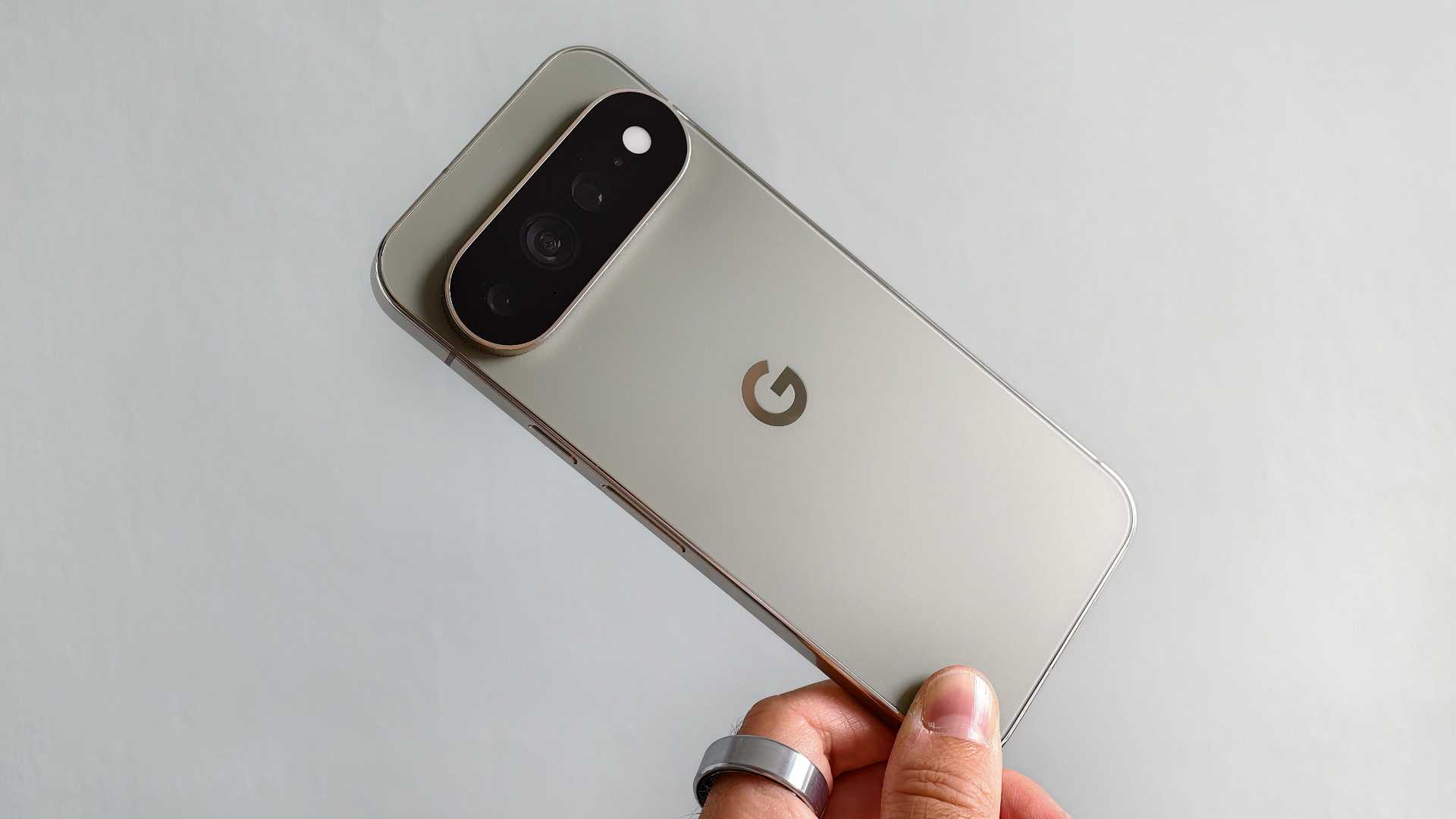
2. Google Pixel 11 Pro XL – Best Android Alternative
Pros
- Top-quality bright display
- Great cameras
- Two-day battery life possible
- Seven years of Android updates
Cons
- Large and unwieldy
- Very expensive
- Tensor chip can’t run high end games
- HiLight is laughably useless
Price When Reviewed:
From £1,279
Buy a Pixel 11 Pro XL on iD Mobile with 400GB data for £29.99/month and £349 upfront
Google has put the Pixel 11 Pro XL in a tricky spot. Because it’s not that much of a leap from the already brilliant Pixel 10 Pro XL, we’ve had to bump this phone down as it no longer works as our top recommendation, but that isn’t to say that it’s a bad phone. On the contrary, if you want a clean, iOS-like experience on Android but with top-of-the-line cameras, then you’re better off with this Google flagship than the S26 Ultra.
Admittedly, it’s not a complete replica of its predecessor, with the 11 Pro XL boasting a brighter 6.8-inch panel, plus you’re getting the much better-equipped Tensor G6 chipset, which can handle everyday apps and AI requests with ease. The problem is that in return for those benefits, the phone is now more expensive, and there’s less RAM in the base model, both of which are the result of the ongoing memory crisis currently affecting the tech industry.
Still, even with those trade-offs, a lot of what made the 10 Pro XL great remains the case here. This is a big-screen Pixel that’s fun to use, with wonderfully clutter-free software that the likes of Xiaomi, Honor and Oppo could only hope to replicate. It’s also possible to get the battery to last for up to two days at a time, and with seven years of OS updates from the time of launch, this is a great phone for the long-term.
The three rear-facing cameras, as well as the 42Mp selfie snapper, are all top-notch. Google just has an eye for computational processing that few other companies possess, and the end result is that even a bad picture can look great after Google’s software has worked its magic. Colours are vivid, and low-light performance is outstanding. The phone can’t quite beat Apple or Samsung on the video front, but if you’re only really looking to take pictures then you’ll love what’s available.
Who should buy the Pixel 11 Pro XL?
Camera-focused buyers who are shopping at the premium end of the market.
Pixel 11 Pro XL: Further considerations
If you want more of a bargain, the Pixel 10 Pro XL can now be found for less.
Read our full
Google Pixel 11 Pro XL review
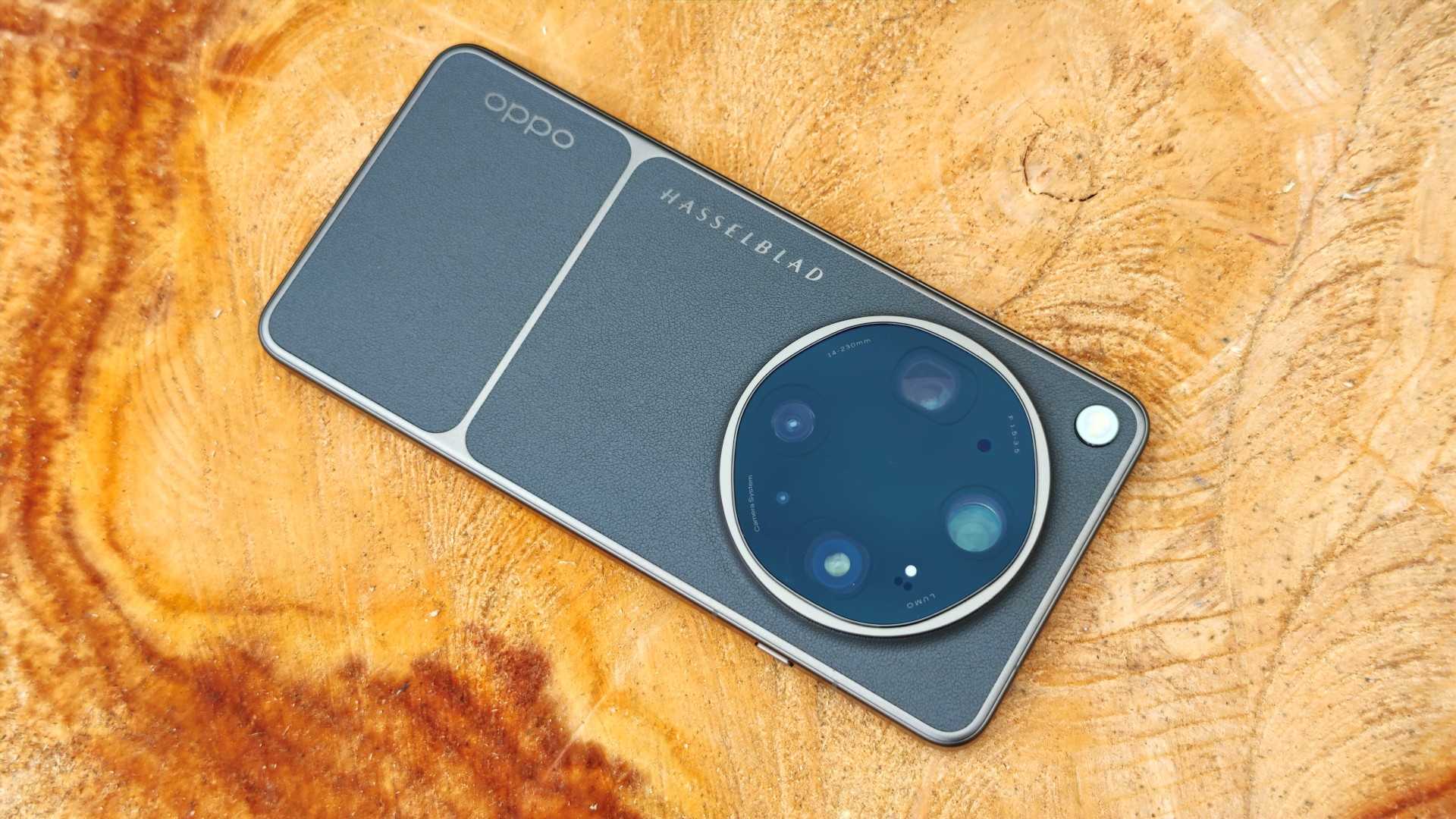
3. Oppo Find X9 Ultra – Best Phone Cameras
Pros
- Incredible cameras
- Long battery life & fast charging
- Smooth performance
- Standout design
- Excellent screen
Cons
- Very expensive
- Can run hot
- Awkward camera button placement
Price When Reviewed:
£1,449
Best Prices Today:
The Find X9 Ultra is a stunning camera that just happens to be a great phone too. If you don’t love the Pixel software experience, Oppo’s latest flagship is an incredible alternative for photography lovers.
What does it do so well? Pretty much everything. The Find X9 Ultra is one of the very few phones with no real weaknesses – aside from the price (though it does have 512GB as standard).
It sets a new standard for smartphone photography, delivering stunning stills in almost every conceivable scenario. In our review, we described it as “the best camera phone of the year”.
The phone’s other main highlight is battery life, with a huge 7050mAh silicon-carbon battery that ensures multi-day battery life for most people – even if it’s slightly smaller than the Find X9 Pro’s monster 7500mAh cell. With 100W wired and 50W charging also on board, you can get topped back up in no time.
Performance from the top-class Snapdragon 8 Elite Gen 5 is predictably excellent, though the device can run hot when under load at times. Good luck finding any faults with the stellar 6.82-inch, 144Hz AMOLED panel, though – it’s incredible.
Who should buy the Oppo Find X9 Ultra?
Anyone looking for the absolute best smartphone cameras, bar none.
Oppo Find X9 Ultra: Further considerations
Look elsewhere for the best software support or a more compact design. The excellent Find X9 Pro shares a lot with its Ultra sibling but will save you some money.
Read our full
Oppo Find X9 Ultra review
4. Apple iPhone 17 – Best iPhone
Pros
- Double the storage
- Excellent screen
- Camera features for socials
- Solid battery life
Cons
- AI features are still hit and miss
- Camera could be improved
Price When Reviewed:
£899 (was £799)



Buy an iPhone 17 on iD Mobile with 100GB data for £37.99/month and £99 upfront
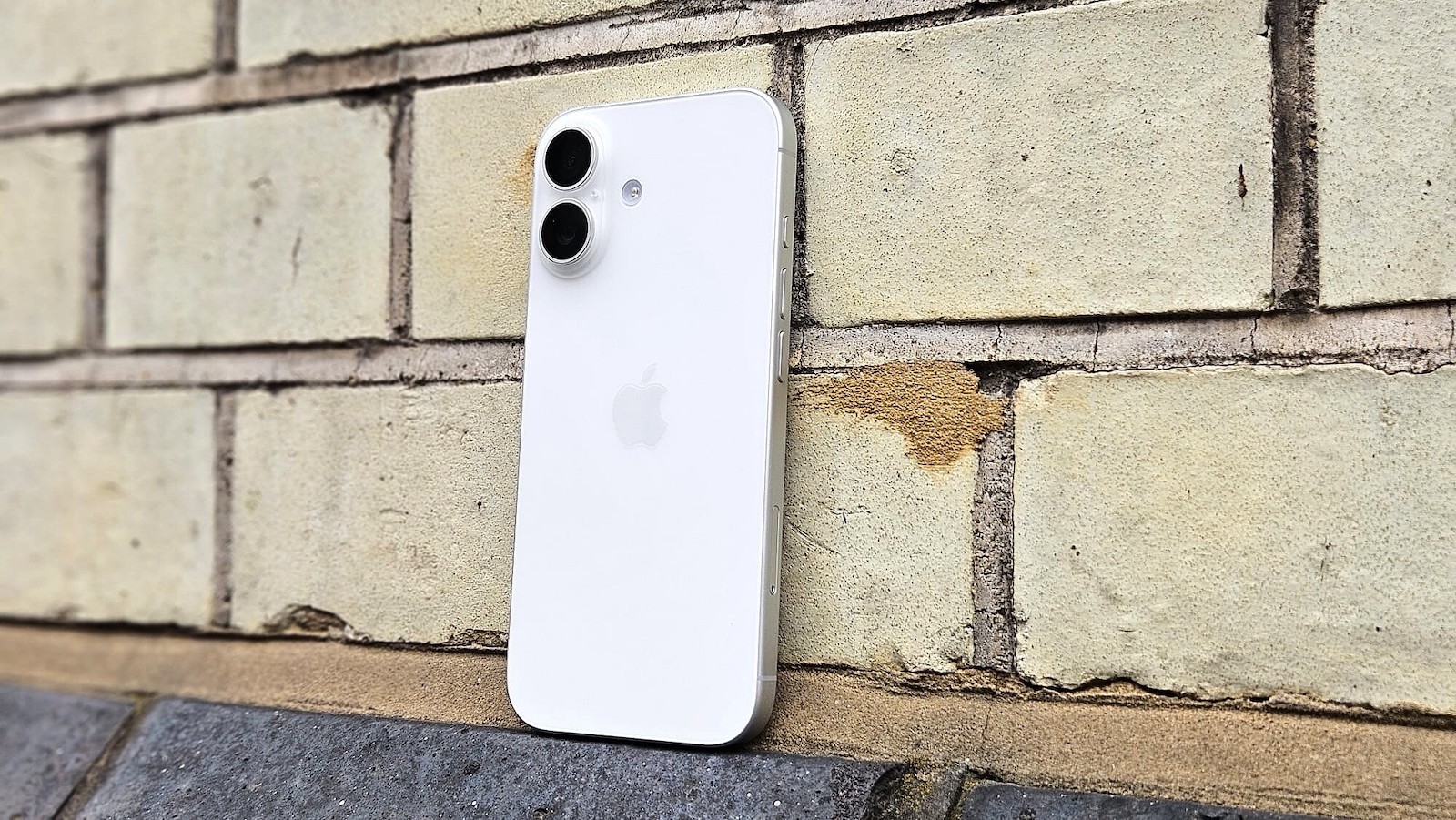
Apple’s shake-up of the iPhone range in 2025 – mainly introducing the Air and a big redesign for the Pros – means choosing isn’t as simple as the last few years.
The ultra-thin Air won’t suit most people’s needs, and the Pro design is more controversial. Plus, those three iPhones are expensive. This year, the humble entry-level iPhone 17 is the best model for the vast majority of people.
It offers the best value of this year’s range as the most broadly appealing design and set of features. As usual, owners of the last model – or perhaps even a 15 – won’t feel the need to upgrade, but if you’re coming from an iPhone 14 or earlier, the jump is huge.
It’s an all-rounder with a great screen, compact design, smooth performance, respectable battery life (now with faster charging with the right adapter), point-and-shoot cameras and twice the starting storage compared to last year – for the same price.
Sure, it’s not perfect. Apple Intelligence is only starting to meet expectations, and some features are exclusive to Pro models. The Camera Control button also needs work.
But the iPhone 17 can easily be your reliable daily driver for years to come, making it very easy to recommend. Note that Apple has only announced the 18 Pro models this September, so the 17 remains the entry-level option for now.
Who should buy the iPhone 17?
You want the best value iPhone from the current flagship generation, which also happens to be the most affordable. With no successor expected before 2027, there’s never been a better time to buy one.
iPhone 17: Further considerations
Similar-priced Android rivals have features such as telephoto cameras and better AI. Anyone shopping on a tighter budget may be better served by the iPhone 17e, but that comes with some pretty significant downsides.
Read our full
Apple iPhone 17 review
5. Motorola Razr Fold – Best Foldable
Pros
- Appealingly tactile design
- Strong camera setup
- Big, bright screens
- Good battery life & fast charging
Cons
- Relatively bulky
- Stylus could be better implemented
- Performance isn’t cutting-edge
Price When Reviewed:
£1,799

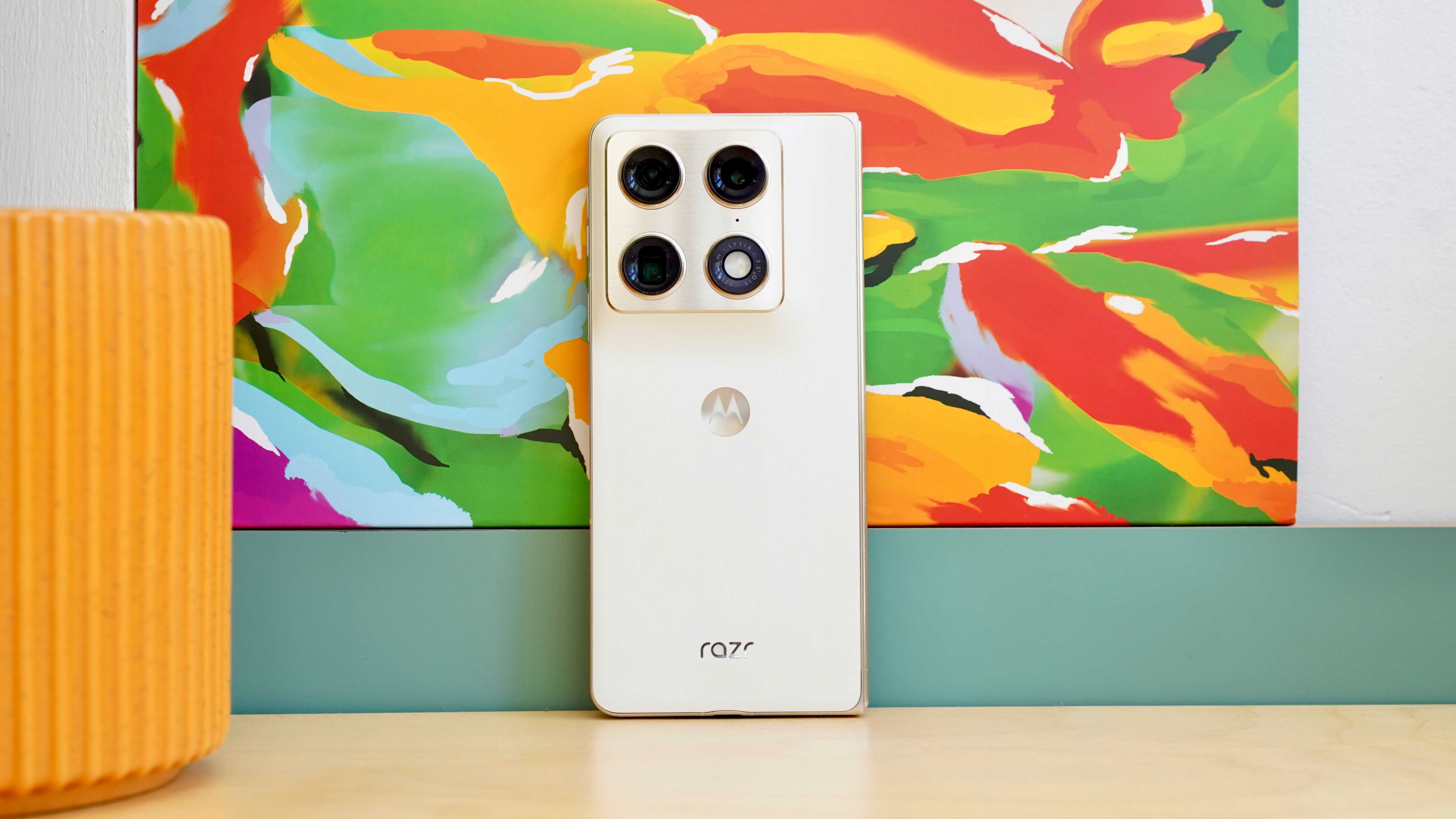
Given that the company already makes some of the best flip phones that we’ve ever tested, it shouldn’t have been too surprising to assume that Motorola could turn its hand to book-style foldables fairly seamlessly, but the Motorola Razr Fold far exceeds our expectations. This isn’t just a great outing for Motorola in a new vertical; the Razr Fold is easily one of the best foldables of its kind, showing up both Samsung and Honor in different ways.
The eye-catching design is the first thing you’ll spot about the Razr Fold, and we love it. There’s a tendency for foldables to look a tad boring compared to more exciting candybar-style phones (like the ones that Nothing puts out), but the Razr Fold continues Motorola’s eye for colour. The Pantone Lily White variant is easily the nicest of the bunch, and the backing has a good grip to it.
Anyone who’s read our Motorola Signature review will know that the phone impressed us with a solid array of cameras, but that prowess has also made its way to the Razr Fold. The three rear-facing 50Mp sensors, in conjunction with Motorola’s computational processing, can produce some incredible shots. Daytime snaps carry an immediate vibrancy while low-light shots do a great job of extracting plenty of detail from the scene at hand.
In terms of battery life, Motorola leaves Samsung in the dust here with a long-lasting 6,000mAh cell that can be topped up with 80W wired and 50W wireless charging. On the software side of things, once you remove the annoying pre-installed bloatware, the Razr Fold’s take on Android is quite clean and uncluttered, although Moto AI is still a bit of a mess that should probably be abandoned in favour of Google-led AI features.
Who should buy the Motorola Razr Fold?
Foldable fans who want great specs across the board, particularly with cameras and battery life.
Motorola Razr Fold: Further considerations
The software side isn’t quite as seamless as Samsung and Google foldables.
Read our full
Motorola Razr Fold review
6. Samsung Galaxy S25 FE – Best Mid-Range Phone
Pros
- Flagship design and build
- Strong main and selfie cameras
- Impressive battery life
- One UI is slick and intuitive
- Seven years of updates
Cons
- Supporting cameras could be better
- Occasional software bugs
- Not suitable for demanding gaming
Price When Reviewed:
From £649
Buy a Samsung Galaxy S25 FE on Mozillion (uses EE) with 100GB data for £24.54/month and £9 upfront
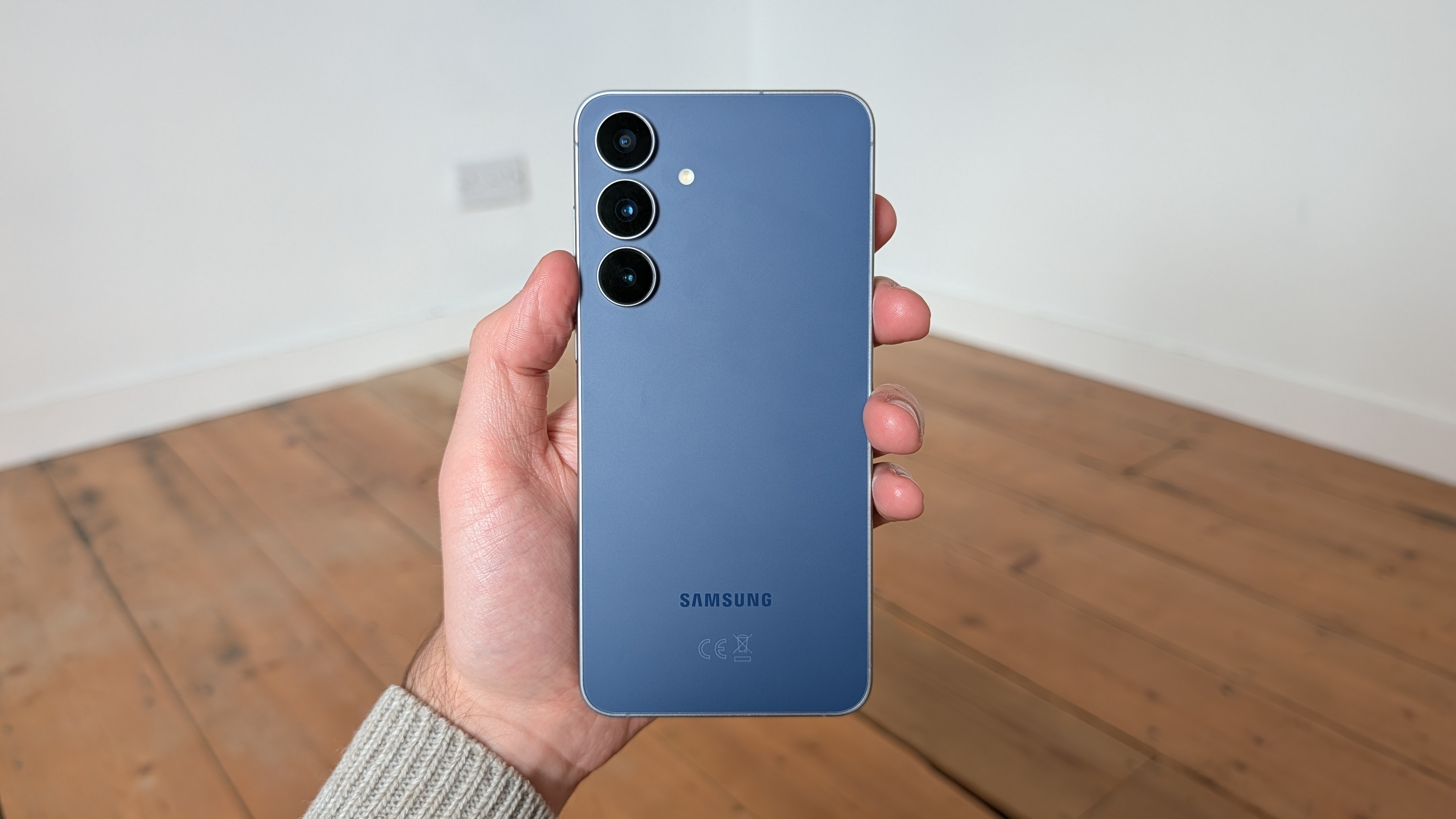
The Galaxy S25 FE is undoubtedly the best phone you can buy for £700/$700, our upper limit for mid-range handsets.
It offers the premium hardware we’ve come to expect from flagships, with excellent build quality and a gorgeous 6.7-inch display. Its design is almost indistinguishable from the premium Galaxy S25+, including the same excellent main rear and selfie cameras.
With solid performance, strong battery life and 45W charging that’s on par with the S25 Ultra, the S25 FE ticks all the boxes for most people.
But it’s the software that gives the phone a clear edge over the competition. One UI 8 is slick, intuitive and packed with useful features, while updates until 2032 are the icing on the cake.
Unless you need great supporting cameras or a device for demanding gaming, the Galaxy S25 FE is the standout option in a crowded mid-range market.
Who should buy the Samsung Galaxy S25 FE?
Anyone who wants the best mid-range phone money can buy, especially if premium design and great software are important to you.
Samsung Galaxy S25 FE: Further considerations
Look elsewhere for a more compact design or a more complete photography experience. It’s also worth noting that a successor in the Galaxy S26 FE is official, though upgrades are minimal and the price is higher.
Read our full
Samsung Galaxy S25 FE review
7. Samsung Galaxy Z Fold 8 – Best Wide Foldable

Pros
- Compact, pocket-friendly shape
- 4:3 screen is great for movies and gaming
- Solid battery life and fast charging
- Great multitasking tools
- Surprisingly advanced video features
Cons
- No telephoto camera
- Software needs some tweaks
- Gaming performance could be improved
Price When Reviewed:
£1,699
Buy a Samsung Galaxy Z Fold 8 Ultra on iD Mobile with 50GB data for £56.99/month and £149 upfront
Despite the somewhat confusing naming convention as its ‘Ultra’ variant is more traditional follow-up to the previous-gen Z Fold 7, the Samsung Galaxy Z Fold 8 is one of the most intriguing foldable phones that we’ve used in years, and although its form factor isn’t exactly new, it is certainly the device that will catapult the squat-design into the mainstream, largely because this feels like the most well realised version of what that concept has to offer.
When closed, the Z Fold 8’s 16:10 5.5-inch outer display is wonderfully compact and easy to use, bringing back memories of Apple’s iPhone Mini range and the smaller Asus Zenfones of old. It’s great for responding to messages quickly or for lining up a quick photo, but the real fun kicks in when you unfold the device and are greeted with the wide, tablet-like 7.6-inch display inside.
This larger panel makes it feel like you’ve been carrying around a TV in your pocket as it’s brilliantly suited for widescreen films and TV shows, giving them the ideal ratio to spread out, particularly against taller foldables that would squash streaming apps with heavy letterboxing. It’s even better for gaming as titles like Genshin Impact can make use of all the available space. Throw in a kickstand and a Bluetooth controller, and you’ve got the perfect on-the-go gaming hub.
Even though this is a new vertical for Samsung, because it’s not the brand’s first foldable, the Z Fold 8 benefits from all of the One UI optimisations we’ve seen over the years, managing to outdo competitors from Honor and Motorola on the core software experience. It is a shame that with such a hefty £1,699/$1,899 price tag you’re only getting two cameras on the back. Ideally, a better main sensor and the inclusion of a telephoto lens wouldn’t have gone amiss.
Who should buy the Samsung Galaxy Z Fold 8?
Anyone looking for a perfect all-in-one entertainment hub for gaming and streaming.
Samsung Galaxy Z Fold 8: Further considerations
The camera set-up should be much better given the asking price.
Read our full
Samsung Galaxy Z Fold 8 review
8. Apple iPhone 17 Pro Max – Best Premium iPhone
Pros
- Superb display
- Excellent performance
- Fantastic cameras
- Great battery life
Cons
- Design might divide
- Expensive
- Heavy
Price When Reviewed:
£1,199 (256GB) | £1,399 (512GB) | £1,599 (1TB) | £1,999 (2TB)

Buy an iPhone 17 Pro Max on Mozillion (uses EE) with 100GB data for £52.46/month and £9 upfront
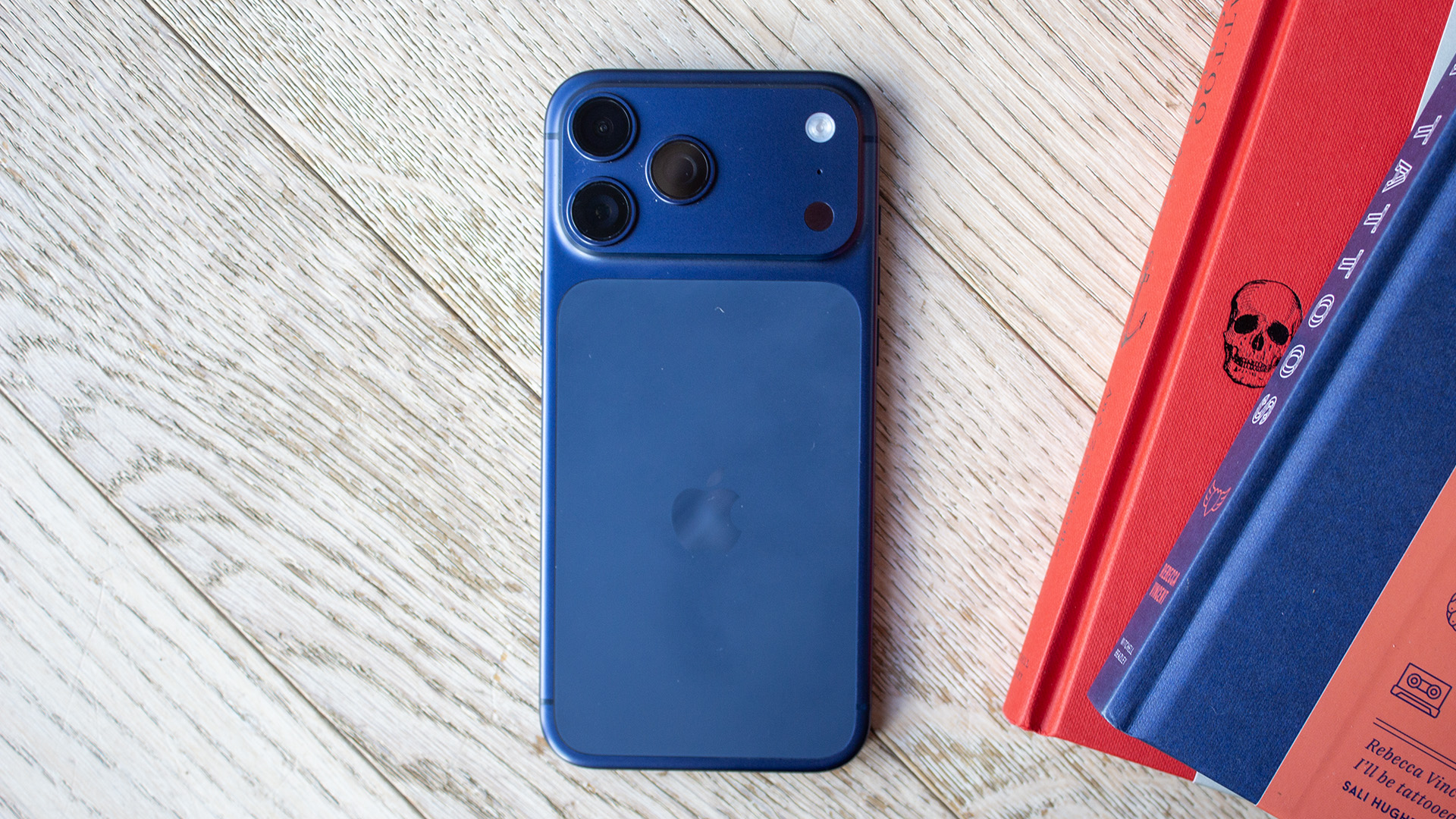
The iPhone 17 Pro Max is the best phone Apple has ever made.
This 6.9-inch behemoth is a force of nature, combining stellar performance with top-class build quality and superb cameras that can rival the best of Android. And while we can’t run the same battery tests, battery life is up there with the very best around.
On the software side, iOS 26 is the most attractive and customisable UI that the iPhone has ever had, while Apple’s commitment to long and prompt software support should never be ignored.
However, the new-look design, complete with a controversial camera plateau, won’t be to everyone’s taste. It’s also one of the largest and heaviest phones on the market right now.
But if you’re looking for a no-compromise iPhone experience and are willing to pay the premium, it doesn’t get any better than the 17 Pro Max.
Who should buy the Apple iPhone 17 Pro Max?
You want the ultimate iPhone experience and don’t mind paying for it.
Apple iPhone 17 Pro Max: Further Considerations
Look elsewhere if you value a more compact or cheaper device – the regular iPhone 17 is the sweet spot for most people. You also might want to wait for our reviews of the iPhone 18 Pro and Pro Max, which you can expect in the near future.
Read our full
Apple iPhone 17 Pro Max review
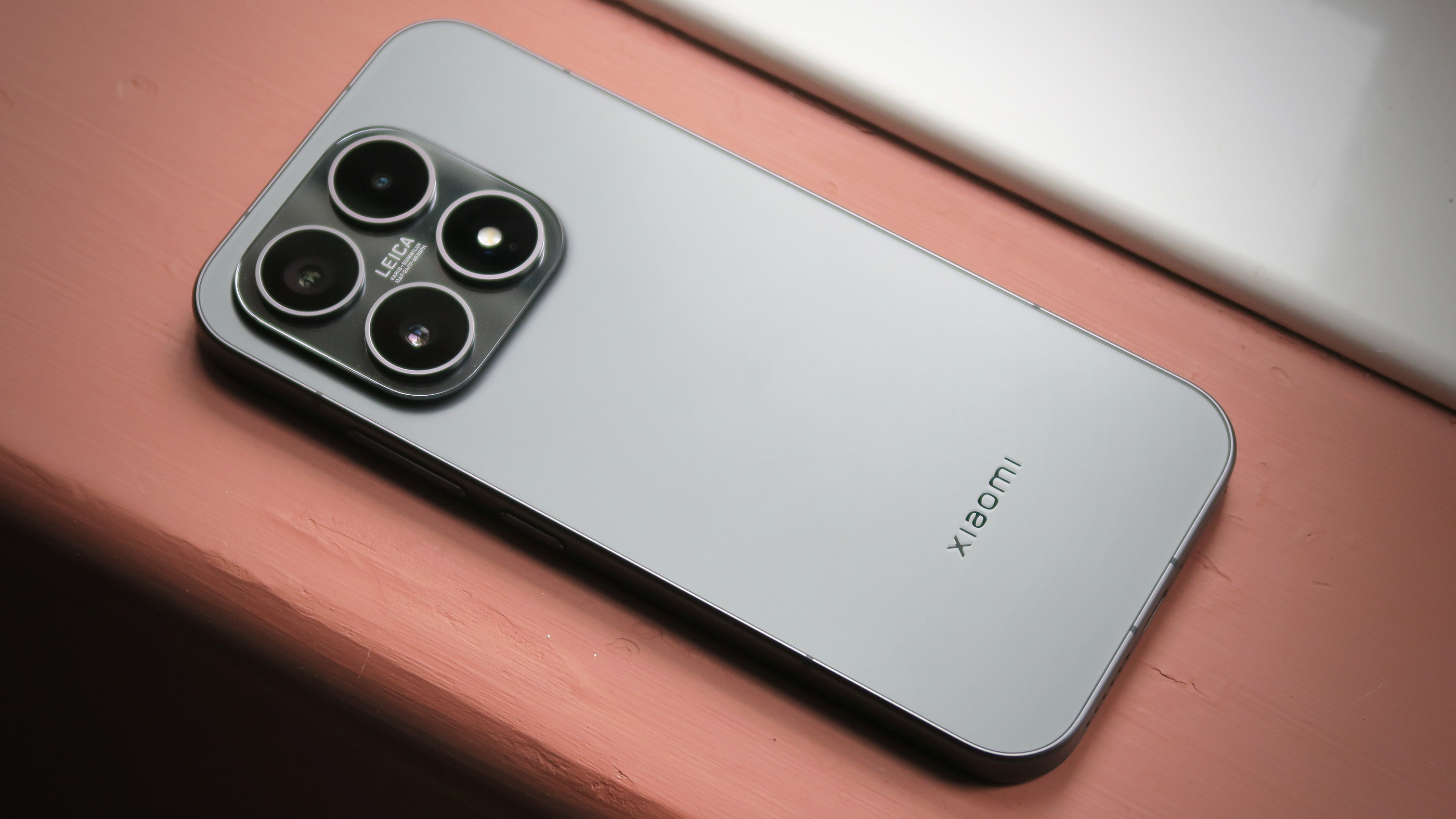
9. Xiaomi 17 – Best Compact Flagship
Pros
- Excellent performance
- Beautiful display
- Superb battery life
- Super-fast and versatile charging
Cons
- Display could be brighter and dimmer
- Limited telephoto camera performance
- Software support shorter than rivals
Price When Reviewed:
From £899
Best Prices Today:
If you’re old enough to remember when the race for mobile dominance seemed to centre around making phones smaller instead of bigger, you may lament the lack of options now that can be comfortably used one-handed.
There are still a few options available, such as the Samsung Galaxy S26 and the iPhone 17, but in terms of cramming a true flagship experience into a compact frame, the Xiaomi 17 is the one to beat.
With a 6.3-inch display, you don’t have to contort your hand to reach the top of the Xiaomi 17, and that’s great for when you’re on the move or stuck in a busy train carriage. Even with the smaller space, Xiaomi has crammed tons of tech into the panel, with a 1.5K resolution, 120Hz LPTO refresh and 3500 nits of peak brightness. You won’t feel as if you’re missing out on what the larger handsets can provide.
With the Snapdragon 8 Elite Gen 5 chipset onboard, you’re looking at top-of-the-line performance. Although the previous generation Snapdragon 8 Elite CPU was hardly a letdown, everything feels that bit smoother here, which makes gaming more fluid and engaging. We had trouble hopping out of Call of Duty Mobile during our gaming test because of how much fun it is to play on the Xiaomi 17.
Cameras are mostly solid, and battery life also outdoes expectations as the 6330mAh cell can still have plenty left in the tank at the end of a long day, and it can be topped up quickly via 100W wired and 50W wireless charging. It’s a shame that, for a phone as pricey as this, you’re only getting five years of OS updates, which pales in comparison to even cheaper phones offered by Samsung and Google.
Who should buy the Xiaomi 17?
Fans of compact phones who still want flagship-level specs in a condensed form factor.
Xiaomi 17: Further considerations
Long-term software support is slightly behind Samsung, Apple and Google. And if you want the ultimate Xiaomi experience, go for the 17 Ultra instead.
Read our full
Xiaomi 17 review
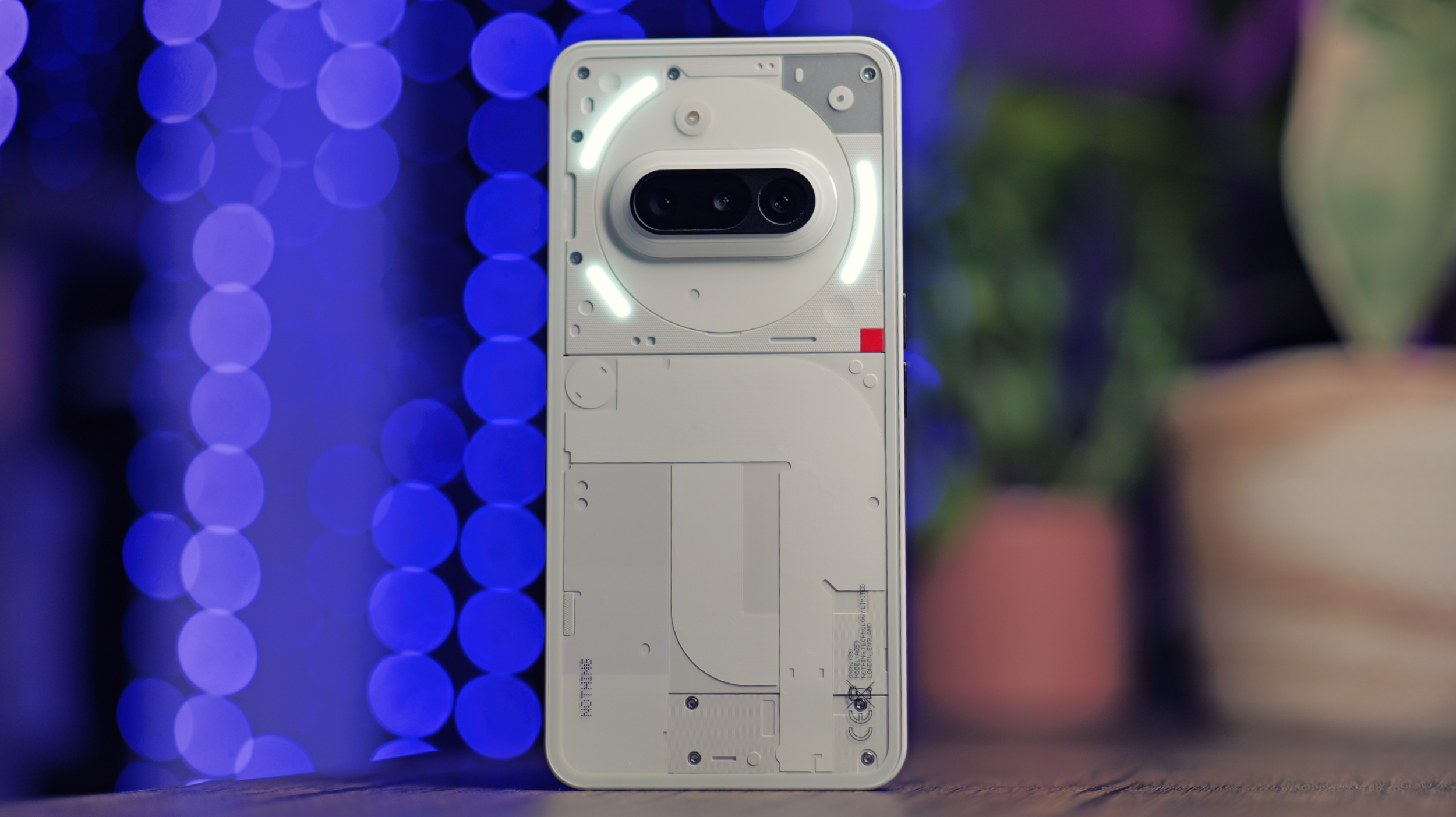
10. Nothing Phone (3a) – Best Budget Phone
Pros
- Incredibly stylish design
- Affordable price point
- Slick and speedy software
- Great battery life
Cons
- Ultrawide camera isn’t great
- No charger in the box
Price When Reviewed:
From £329
Best Prices Today:
For a good long while, it was the excellent CMF Phone 2 Pro that sat on this list as our go-to handset for folks on a budget. Unfortunately, following the cancellation of a direct successor amidst the ongoing RAM crisis, which continues to drive up prices across the tech world, the Phone 2 Pro is no longer available to buy. Thankfully, it’s not a complete wipeout as CMF’s parent brand, Nothing, still has an excellent alternative awaiting potential adopters in the Nothing Phone (3a).
What’s even better is that the phone is now slightly cheaper than it was at launch, so you can bag a bargain if you shop around. The best thing about the Nothing Phone (3a) is that, from first glance, you’d never know that it was a budget phone. With Nothing’s eye-catching design philosophy on full display, the space-age look of the (3a) makes a lot of flagship phones seem boring by comparison.
The Glyph Interface on the back can light up to convey various bits of information, including the charging progress of the phone and any incoming notifications. Flip the phone over and you’ll find that the design continues in the software, with Nothing OS being one of the few Android overlays at the budget end that isn’t cluttered with bloatware. In fact, there are plenty of exclusive widgets that help you to dress up your homescreen with a bit more flair than usual.
The 5000mAh battery exceeded our expectations as we were able to reach just shy of two days of use across a single charge, which speaks to a fair amount of optimisation under the hood. Although the 50Mp main and telephoto lenses do a great job of capturing nice-looking pictures in a pinch, it’s the 8Mp ultra-wide that feels like a letdown. Without any autofocus on this particular lens, it’s a bit of a dud and should have really been left out of the phone completely.
Who should buy the Nothing Phone (3a)?
Budget buyers who want plenty of style, both in hardware and software, for their money.
Nothing Phone (3a): Further considerations
The ultra-wide camera is a real mess.
Read our full
Nothing Phone (3a) review
Other phones tested
Although the phones featured above are the current cream of the crop, they are just a handful of the devices that we review, many of which are still excellent but just miss out on making the cut:
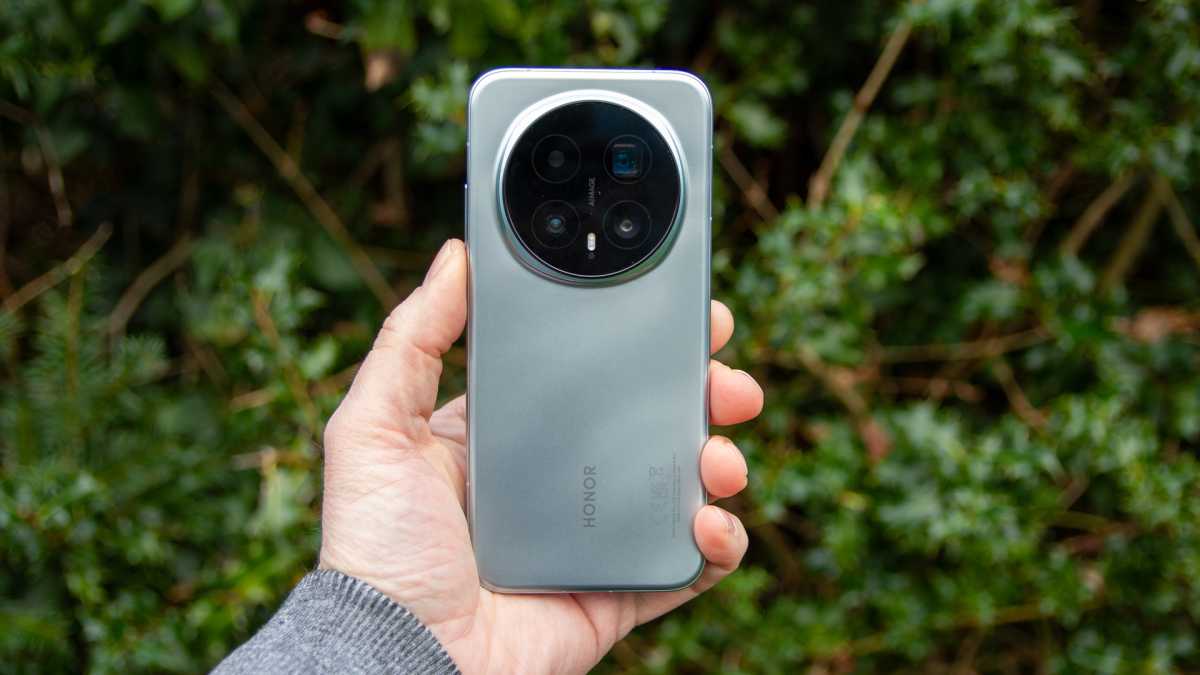
- Honor Magic 8 Pro – Although Honor trails behind Samsung and Google when it comes to software, the brand easily has some of the best displays and cameras around, so if those aspects are your priority when buying a new phone, the Magic 8 Pro might be for you. The 6.71-inch display can reach a stunning 6000 nits of peak brightness, which is far more than most flagships right now.
- Motorola Signature – Even though it missed out on inclusion given the competitive Android flagship scene at the moment, the Motorola Signature is still a worthy option if you want a slim phone with top-shelf specs. At just 6.99mm thin, the Signature feels very svelte in the hand, and the 6.8-inch display spills over the edges to create a wonderfully immersive effect.
- Xiaomi Poco X8 Pro Max – The X8 Pro Max delivers simply staggering performance and battery life for its £469 starting price, surpassing many flagship phones. With a gorgeous display and top-tier speakers, it’s ideal for gaming or content consumption, with bloated software the only major downside. If you want the absolute best hardware for under £500, this is it. It’s a real shame that Poco phones aren’t sold in the US.
- Oppo Find X9 Pro – If your budget can’t quite stretch to the excellent Ultra, the Find X9 is a superb alternative that’s a bit cheaper. While you do sacrifice some processing power and camera versatility, it remains a superb camera phone that’s up there with the very best on the market. The Find X9 Pro sat second in this list for months before it was replaced by the Ultra, so you should be in no doubt as to how good it is.
- Google Pixel 11 Pro Fold – With wide foldables the new big thing, Google’s book-style device is in danger of being left behind. Nonetheless, it still offers an impressive camera system, an excellent pair of displays and the only full IP68 water and dust resistance on a mainstream foldable. With Pixelsnap magnets and Google’s signature Android 17 software to boot, the Pixel 11 Pro Fold still has a lot going for it.
- Samsung Galaxy Z Fold 8 Ultra – The Galaxy Z Fold 8 Ultra is arguably even better than the Pixel – but it’s also more expensive. It excels as a book-style foldable for multitasking, combining it with top-tier performance and great, if not class-leading, cameras. If your budget can stretch and you know this is the form factor for you, it’s worth considering.
- Google Pixel 11 Pro – There’s a lot to like about the Pixel 11 Pro, from its compact design, to the inclusion of magnetic Qi2 charging and of course, its tremendous cameras. The problem is that the phone isn’t all that much of an upgrade on the Pixel 10 Pro, and over the course of our testing, the software was plagued with bugs which need to be ironed out. Our hope is that, with time, the 11 Pro will become a more capable phone, and if you do spot a discount for it then it may be the right handset for you.
Other phones to consider:
- Samsung Galaxy S26+
- iPhone 17e
- Samsung Galaxy Z Flip 8
- Nothing Phone (4a)
- Honor Magic V6
- Samsung Galaxy Z Flip 7
- Motorola Razr 70 Ultra
- Samsung Galaxy S26+
- Google Pixel 10a
- Nothing Phone (3)
- Sony Xperia 1 VII
- Xiaomi Poco X8 Pro
- Xiaomi 17 Ultra
Chris Hall / Foundry
Phone news that could affect your buying decision
Thankfully, with big launches from Samsung, Apple and Google now in the rearview mirror, there isn’t too much on the immediate horizon that may make you want to hold off on an upgrade. There are upcoming phones from smaller brands, such as the much-teased Motorola Signature 27 which is set to be a very slim phone with speakers designed in partnership with Bang & Olufsen.
At the time of writing (September), we are still in the process of reviewing the standard Pixel 11, but otherwise you can read all of our reviews for the Pixel 11 Pro, Pixel 11 Pro XL and the Pixel 11 Pro Fold right now, or see how they stack up against previous-gen entries in our overall guide to the best Pixel phones.
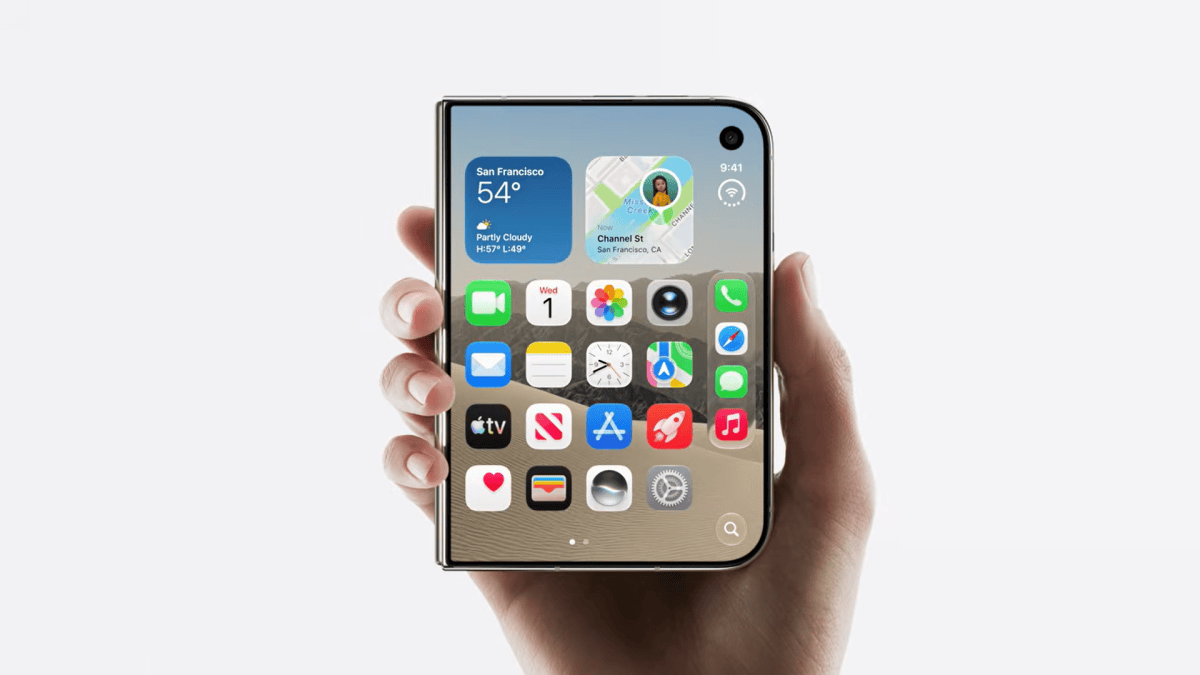
For the iPhone users out there, we’re also currently putting the iPhone 18 Pro phones and the long-awaited iPhone Duo through their paces. Given that we have the context of using pretty much every other folding phone that has come to market, you’ll definitely want to hold off on picking up the Duo until you read our verdict so that you can be sure that you’re making the right decision.
Apple
Can I get a better phone deal?
The prices displayed in our list of the best phones are updated daily, making sure you always see the top phone deals. Our recommendations are based on design, performance and typical value, among other things, but with retailer and mobile operator prices changing daily, we cannot factor in deals in the same way. Remember that a great deal could make a phone that appears lower down this list more attractive than one that sits at the top.
Black Friday isn’t until November 2026, but plenty of deals remain all year round. If you’re looking for a dedicated event, Amazon’s next Prime-themed event is likely to be in October, though you’ll need to be an Amazon Prime member to access most of the offers.
Another way to get a great deal is to consider buying a refurbished phone. Not only will you get it cheaper, but it’s also more eco-friendly.
You might also want to consider leasing your phone (and other tech) via a service like Raylo. This option comes with many benefits for the right person.
How we test phones
The only way to properly test a phone is to use it as our own. So that’s exactly what we do, putting in our personal SIM and using the handset around the clock for at least a week, and very often much longer. This in-depth testing tells us what it’s like to use the phone in the real world, from a user perspective, giving us insight into all features from the camera through to battery life. We pair this hands-on knowledge with traditional benchmarks to ensure we have comparable scores.
Read more about how we test smartphones.
Why you should trust Tech Advisor for phone reviews and buying advice
Smartphones have been a core part of Tech Advisor’s coverage since the first iPhone was released in 2007 and Android made headlines in 2008. Since then, we’ve been guiding you through the fascinating and fast-paced rise of modern mobile phones, including the launch of 5G and the comings and goings of Windows Phone, Blackberry and brands like LG. We are testing new phones on a weekly basis and reviewing just about every model that comes to market. Our expert in-house team and contributors have many decades of experience combined.
Who curated this article?
Our full-time Mobile Editor, Anyron Copeman, is the lead on this list of the best phones. He spends almost all his time testing, reviewing and writing about phones and is often among the first in the world to get hold of the latest models. Our Managing Editor, Chris Martin, who has been testing phones for 15+ years, provides assistance.
How to choose the best phone
When choosing a phone, you should consider these things: build quality and design, display, performance, cameras, battery life, software (do you want an Android phone or an iPhone?) and value for money.
Generally speaking, a premium phone in 2026 will start at around £700/$700, but can cost over $1,000/£1,000 in some cases.
If you’re buying that phone on a contract, you’re generally looking at between £30 and £50 per month on average in the UK, but you can spend a lot more if you want an expensive phone and lots of mobile data. In the US, you can often find very good contract deals on phones, typically better than in the UK and Europe.
It’s worth noting that while this list highlights the best smartphones available right now, that doesn’t explicitly mean flagships (even though they do feature heavily here). There are entries that cross over with our mid-range and budget phone round-ups, too, but earn their place here based on their extraordinary value.
Buying a phone outright will usually give you the best value, but we appreciate that finances in the real world don’t always accommodate such big one-off purchases. If you can afford to buy the phone outright, you’ll obviously also need to factor in the cost of the plan.
Best Phones FAQ
Should I buy an iPhone or an Android phone?
There are a few mobile operating systems, but really only two worth talking about: Android and iOS.
The vast majority of modern phones run Android. Android 17 is available on recent Google Pixel phones now, with a full rollout expected in the coming weeks and months.
So, while many handsets in the top 10 run Android 16 out of the box, they’ll all get the update eventually. How long that takes will depend on the specific model you have.
Since the release of the new iPhone 18 Pro phones as well as the iPhone Duo, iOS 27 has officially come to market and can be downloaded by all supported iPhones.
While it may have a lower market share worldwide, developers almost always release their apps on iOS first. As a result of this approach, it arguably offers a smoother app experience.
If you have an Android phone or iPhone and want to move to a phone running the other OS (operating system), it’s fairly easy to transfer your contacts and other select data from one to the other.
What you can’t move are paid-for apps and certain app data, so keep this in mind if you’re considering a change of platform – and research any specific concerns you may have about the process.
Should I buy an unlocked phone?
An unlocked phone is not tied to any particular mobile network operator. Buying ‘unlocked’ usually means buying the phone outright without a SIM card or contract attached.
The most important point is that an unlocked phone is almost always a better deal than buying a phone on contract, as long as you can afford it.
The only real exception to this is Apple’s iPhones. Because of their traditional popularity, operators often subsidise the cost of buying an iPhone to lock you into a lucrative long-term deal.
Generally speaking, if you can afford the upfront cost of the handset, you will pay less over the life of your phone by buying unlocked.
More importantly, you are not locked into a lengthy contract. If you want a new handset at any time, you can buy one without having to pay your way out of the contract or commit to another two years.
Just be sure to make certain the phone you’re getting is not locked to a certain network. All phones sold in the UK since December 2021 must be unlocked.
Which SIM or mobile plan should I get?
One other thing to consider is the size and shape of the SIM required for your phone. Make sure you get a nano-SIM if a nano-SIM is what your phone requires.
For the record, every phone in this list takes a nano-SIM, aside from some iPhone models in the US, which use eSIM. In the UK, the iPhone Air is the only eSIM-only handset.
But for most people, it’s best to stick with a physical SIM card for now. Most networks send you a SIM card in three different sizes, so you can just pop out the one you need.
If you’re looking for a SIM-free or unlocked phone, you probably already have a SIM card you’d like to use.
4G connectivity is still fine for most people. But if you want 5G, make sure both the phone and the SIM support it.
What is the best Android phone?
Tech Advisor recommends the Samsung Galaxy S26 Ultra as the best phone to buy right now, let alone the best Android handset. Although it’s not a major reinvention on the surface, Samsung has made sure to include a few key upgrades that genuinely make its Ultra phone feel like the most well-realised version of what that concept should feel like.
You’re getting the Privacy Display feature, which is great for productivity users who check on sensitive information on the go, and the upgrade to the charging speed and overall performance are welcome.
If you’re after a cheaper but no less brilliant alternative, know that it was the Google Pixel 10 Pro XL that held the top spot before Samsung’s latest flagship swooped in. Google’s phone arguably has better cameras for the majority of people, with the brand’s computational processing turning every shot you take into something that’ll catch everyone’s attention when posted to social media.
What is the best iPhone?
Tech Advisor recommends the iPhone 17 as Apple’s top mobile phone. It delivers a fantastic core experience, including great cameras, a gorgeous screen, strong performance and solid battery life, for a fraction of the cost of Pro models.
However, the phone has had a price increase (now starting at £899/$899) since the time of launch, which does affect its value proposition somewhat. Still, every other iPhone in the current range is now more expensive, so in that context, the iPhone 17 remains as the best option for most people.
We are currently in the process of reviewing the iPhone 18 Pro range so we can’t recommend them just yet, but the previous-generation iPhone 17 Pro still offers a fantastic camera system, while the iPhone 17 Pro Max features that premium big-screen experience that you expect from an Apple flagship. And when it comes to a thin and light phone, the iPhone Air is unmatched.
Because it’s the only foldable phone in all of Apple’s wares, the iPhone Duo is likely to be a shoo-in for Apple diehards who want that dual-screen experience. However, as we’re in the process of testing the phone and comparing it to its closest competitors on the Android side of the equation, there may be better value to be found by jumping from one ecosystem to another.
If you’re looking for something cheaper, consider the iPhone 17e, something from the iPhone 16 series or a refurbished phone.