What to Know About 5 upgrades the Galaxy Z Flip 8 must have to save itself
It’s Samsung foldables month! It’s Unpacked month!
On 22 July, the Korean giant is expected to unveil a confusing trio of folding phones: the Galaxy Z Fold 8 (a brand-new widescreen device), the Galaxy Z Fold 8 Ultra (a successor to the Z Fold 7) and a refreshed Galaxy Z Flip 8.
All signs point to there being no cheaper ‘FE’ branded Flip, at least for now. But could the entire line’s future be in peril?
At the end of last month, leaker ‘fireuniverse’ on X, the Flip 8 “might be the last Flip from Samsung”, with the company potentially shifting its entire foldable focus to book-style devices. While far from confirmed, the leaker’s strong track record for Samsung news means it cannot be ignored.
Of course, a single X post doesn’t necessarily mean it’s true, but we now have a separate rumour from a much more established source: Ice Universe. The leaker, who has an extensive track record for Samsung news, also believes that the Galaxy Z Flip 8 will be the last in the line.
It puts incredible pressure on the Flip 8 to be a genuine hit. If Samsung doesn’t get this one right, the entire Z Flip line looks set to be on the chopping block.
As someone who reviewed the last two generations, I’m keenly aware of what the Z Flip line offers – and where it’s going wrong. Here are five key areas that Samsung needs to address in order to give the Z Flip 8 the best possible chance of success.
No more camera compromises!
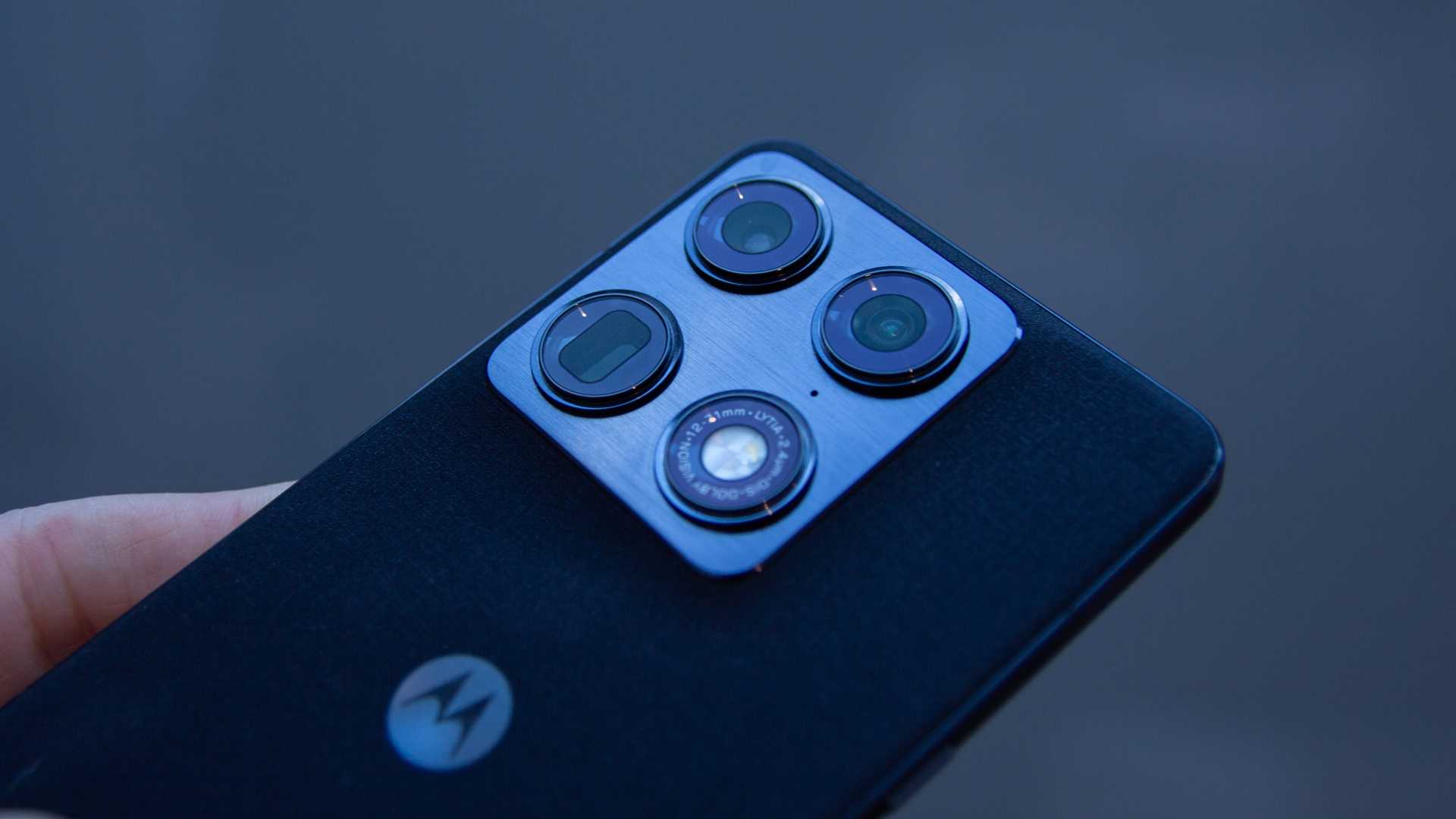
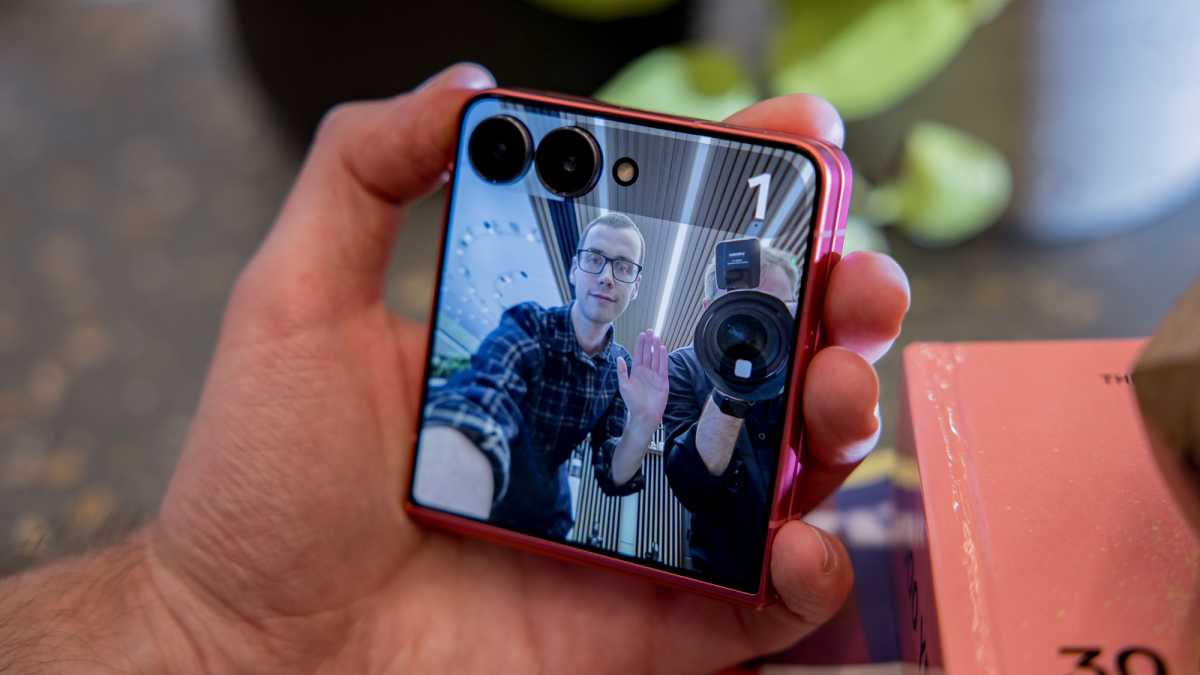
Overall, I was very impressed with the Galaxy Z Flip 7’s cameras. It has a very similar setup to the Galaxy S26+, with a highly effective main lens, decent ultrawide and solid selfie camera, though you won’t be using the latter much on a flip phone.
However, it removes what I believe is a fundamental sensor on modern phones: the telephoto. Without it, the Z Flip 7 has a far less versatile camera system, falling short in both zoom photography and portrait-style shots.
Dominik Tomaszewski / Foundry
I don’t think a third would make a material difference
It’s entirely reliant on digital zoom, which simply crops in on the main sensor and then stretches the image. The results are predictably poor, with key details lost and grainy, blurry images commonplace.
The 3x telephoto on the S26+ won’t blow you away, but it does deliver a much better experience while at concerts or sporting events, not to mention grabbing a professional-looking image of your friend.
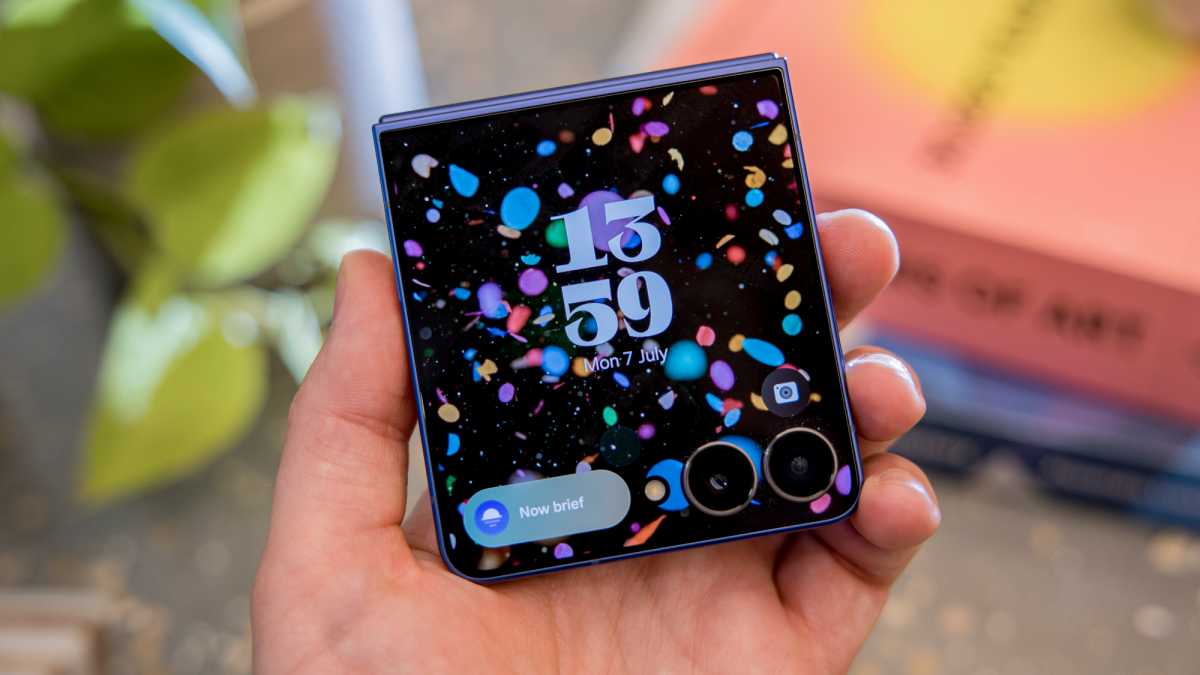
With a much bigger cover screen these days, the lack of available space isn’t a valid defence. The content here already has to accommodate two lenses – I don’t think a third would make a material difference.
In my view, adding a half-decent telephoto lens would turn the Z Flip 7’s solid cameras into a genuinely excellent setup, making it a much more appealing purchase.
Ditch the cover screen restrictions
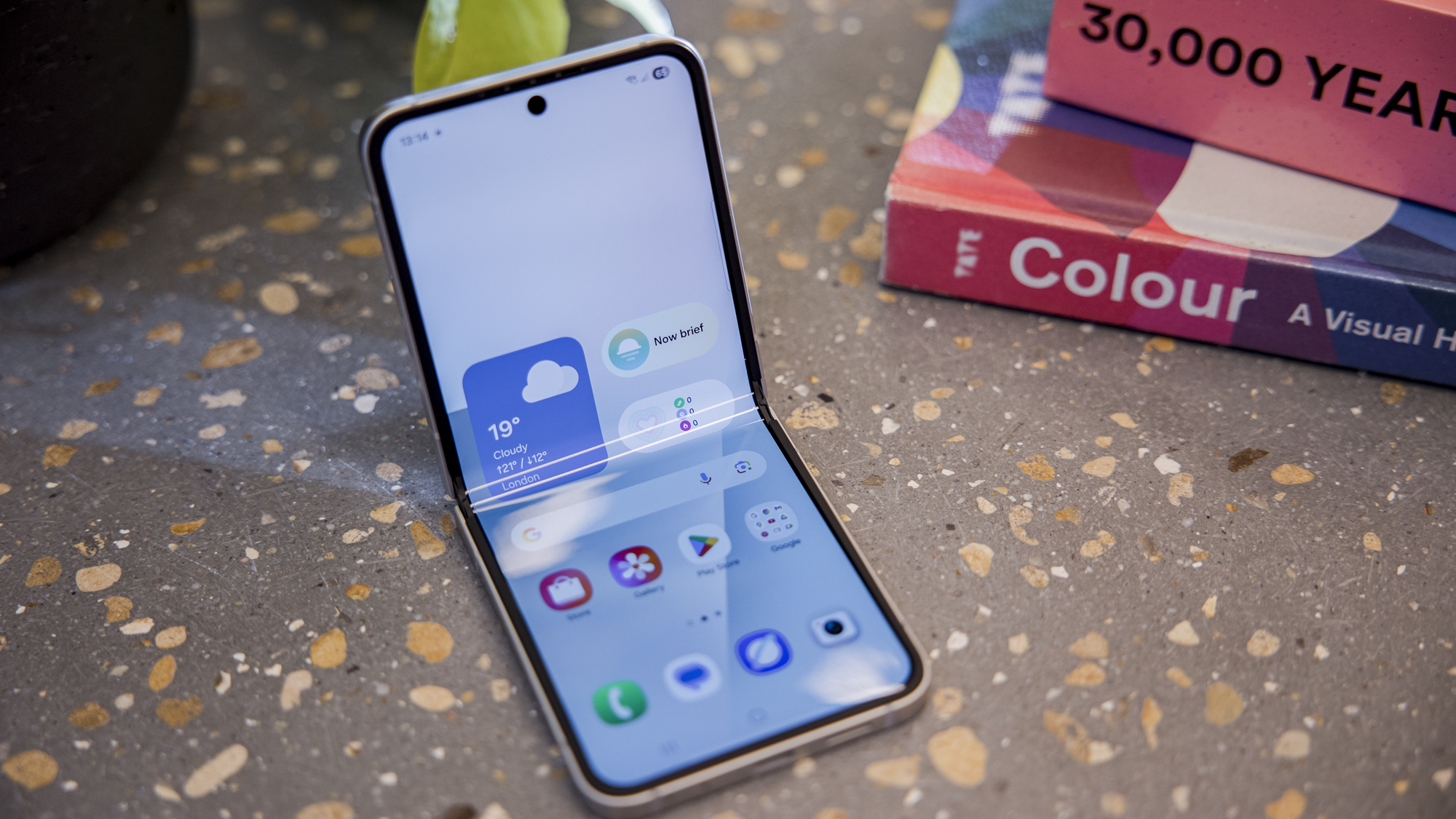
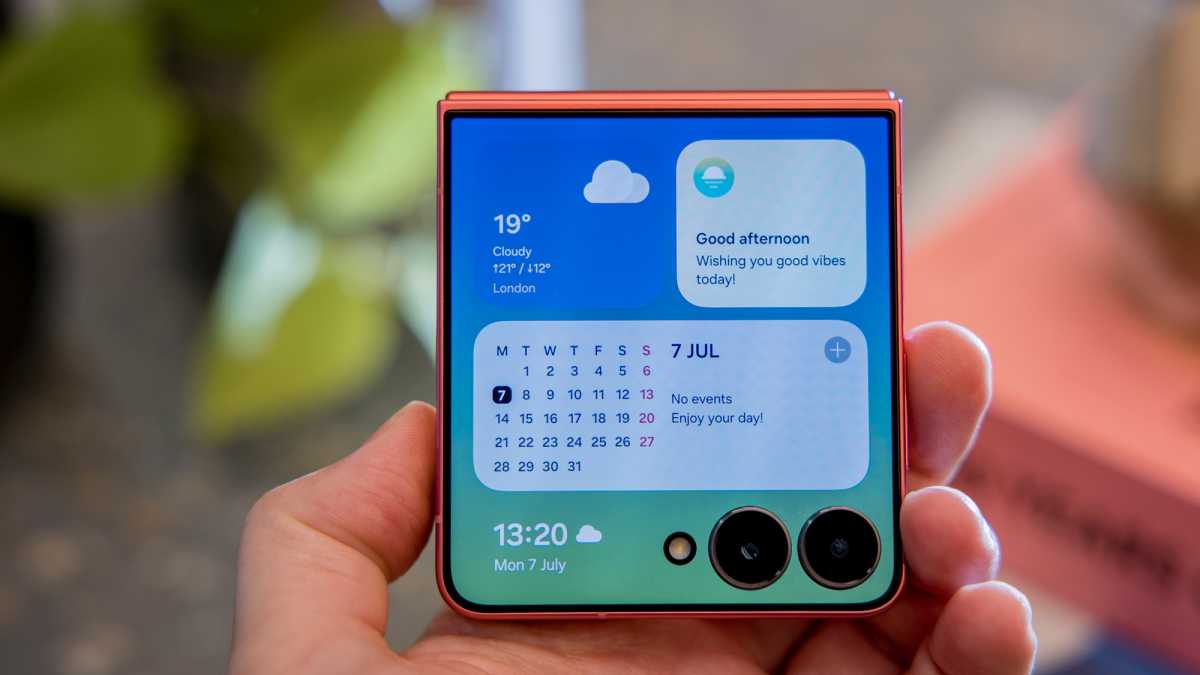
For several years, I’ve lauded Samsung’s One UI Android skin for its extensive range of customisation options. However, for some reason, that doesn’t extend to the cover display.
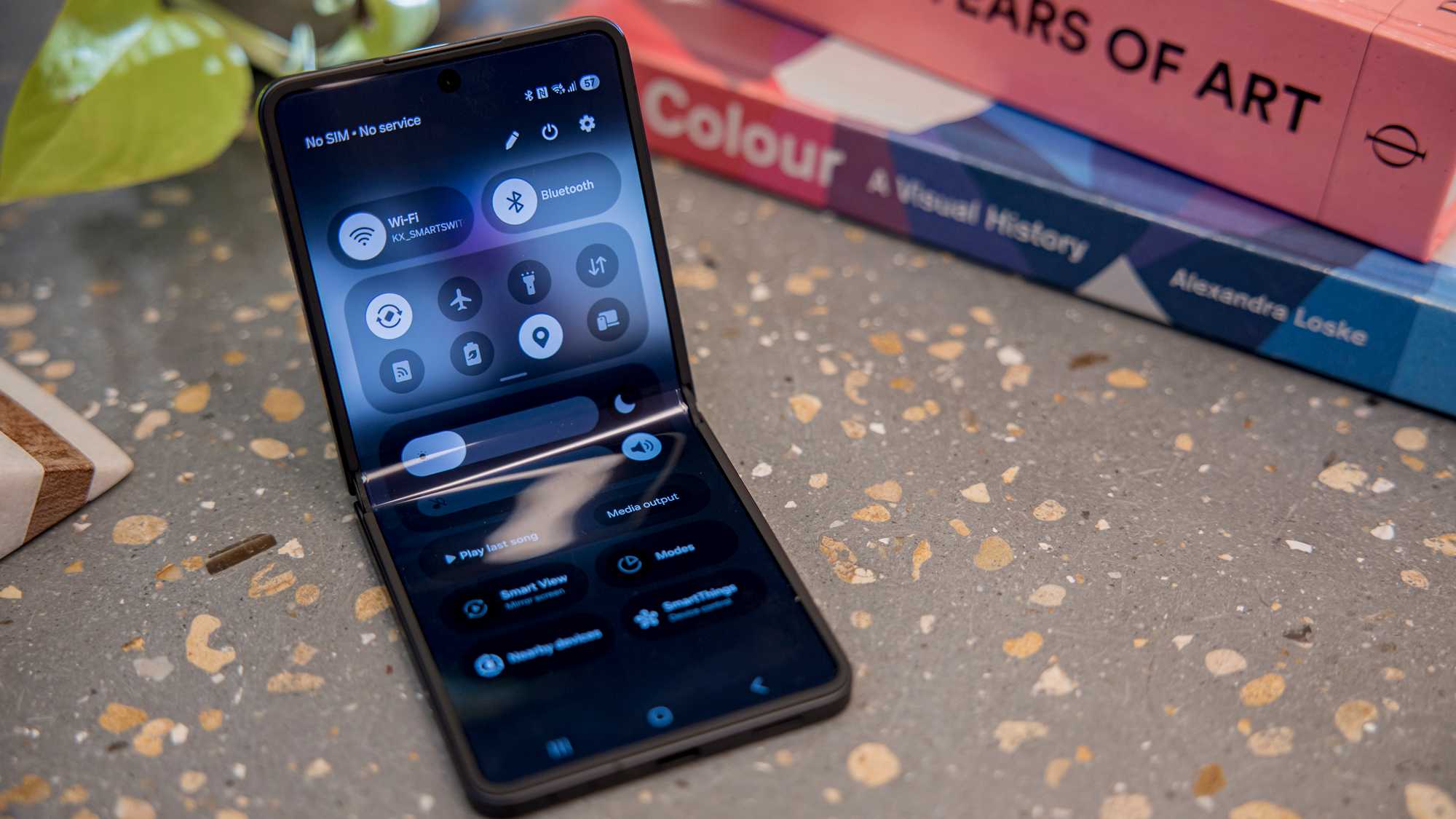
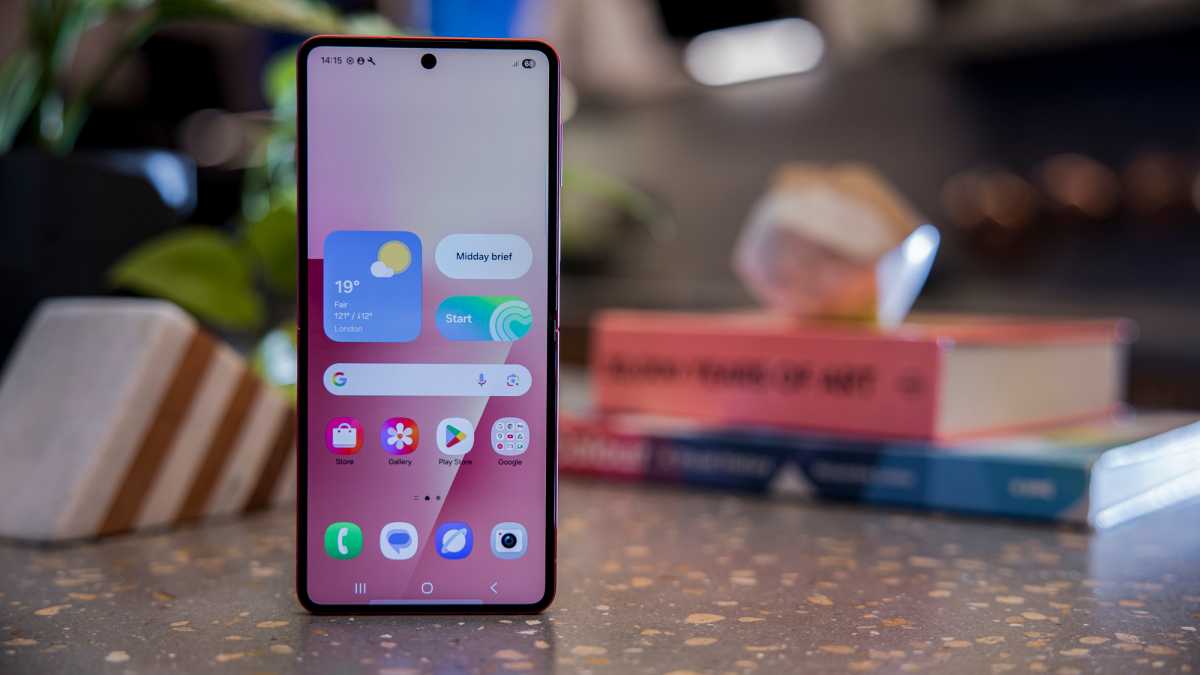
By default, the 4.1-inch external screen is basically locked down, supporting only a handful of Samsung-approved apps and widgets. Within minutes, you’ll probably come across an app that isn’t approved, which is incredibly frustrating.
You can remove these restrictions, but the method is almost laughably complex, requiring about five minutes of annoying installations and setup.
Dominik Tomaszewski / Foundry
Making it easy to remove cover screen restrictions could be transformative for the Z Flip 8
Why Samsung can’t offer this as an easy-to-access toggle is a mystery. Sure, not all apps are optimised for the smaller display, but it’s a damn sight better than having to stare at Samsung’s calendar app and weather widget all day long.
It opens almost infinite possibilities for the cover display, allowing you to quickly get things done without getting sucked into the rest of your phone. Surely that’s the whole point of a flip phone?!
However, you might be unaware that this option even exists. Many people could be making do with a subpar cover display experience, meaning they’re less likely to recommend it to others and fewer are sold as a result. Making it easy to remove these restrictions could be transformative for the Z Flip 8.
Let me go to the beach in peace!
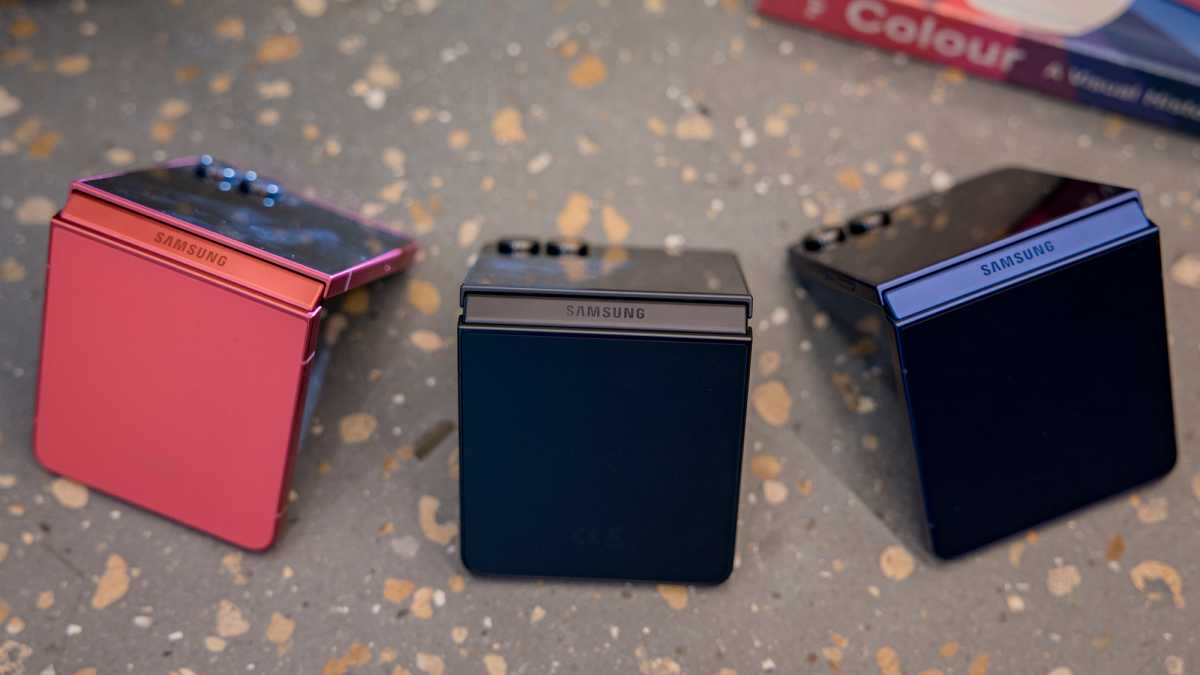
The complex hinge design of all foldables makes protection against the elements much more difficult. Most flip phones have water resistance (albeit only in freshwater) mastered, yet remain highly vulnerable to dust or any particles under 1mm in diameter.
It makes the beach a no-go zone for Z Flip owners, which is a problem during the height of summer. I recently took the Z Fold 7 (which has the same IP48 rating) there, and the sand it accumulated was a total nightmare.
if Google can achieve full dust resistance, why can’t Samsung follow suit?
Dominik Tomaszewski / Foundry
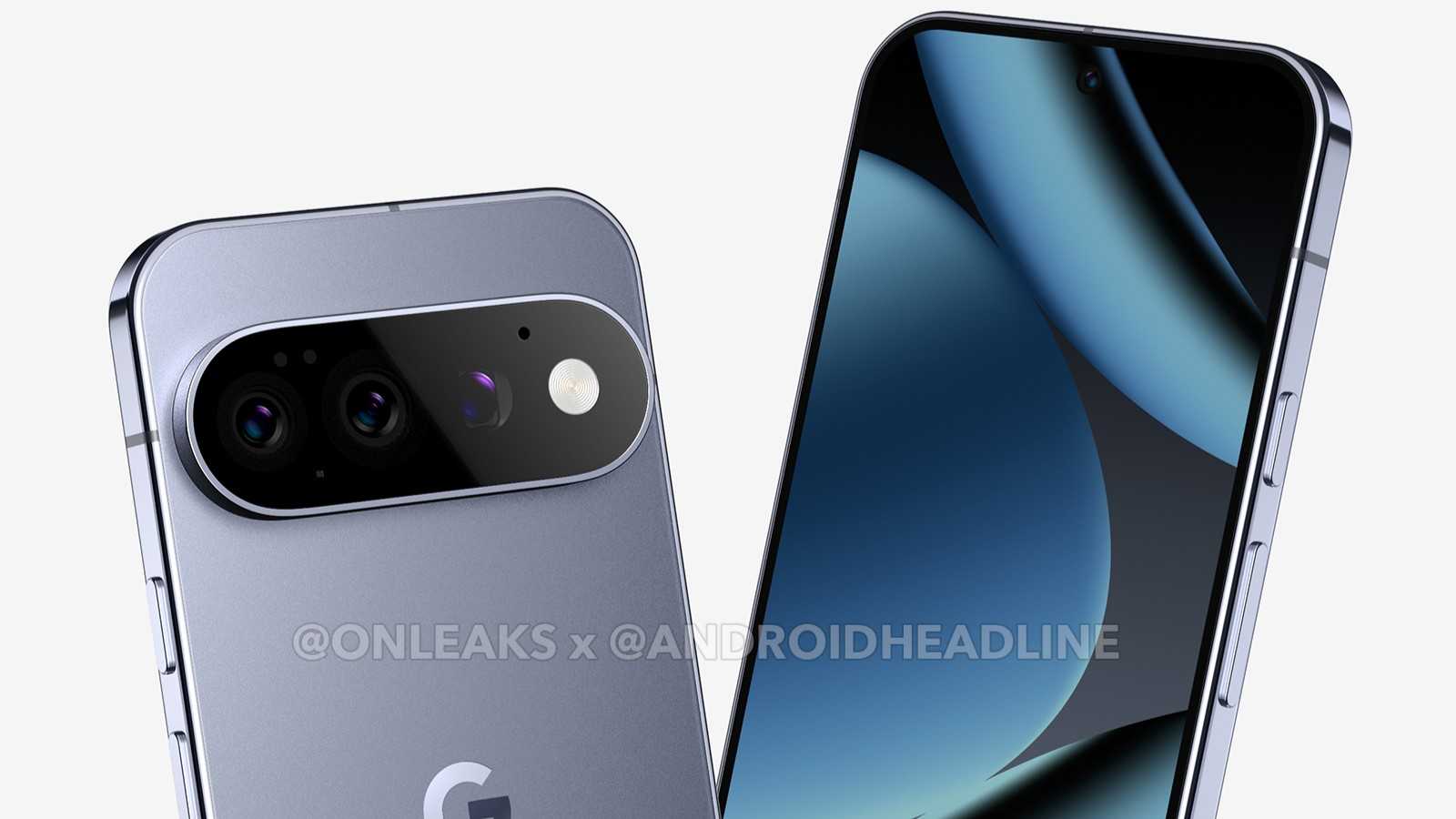
Until recently, I’d have put this down as an inevitable compromise when you buy a folding phone. But last year’s Pixel 10 Pro Fold bucked the trend, becoming the first foldable to introduce an IP68 rating and now the Honor Magic V6 offers it too.
I don’t doubt that this was a difficult undertaking, but if Google can achieve full dust resistance, why can’t Samsung follow suit? You can’t expect people to avoid common environments like the beach out of fear of their phone being damaged. Upgrading to IP68 would remove a major barrier for many prospective buyers.
Battery anxiety will not be tolerated
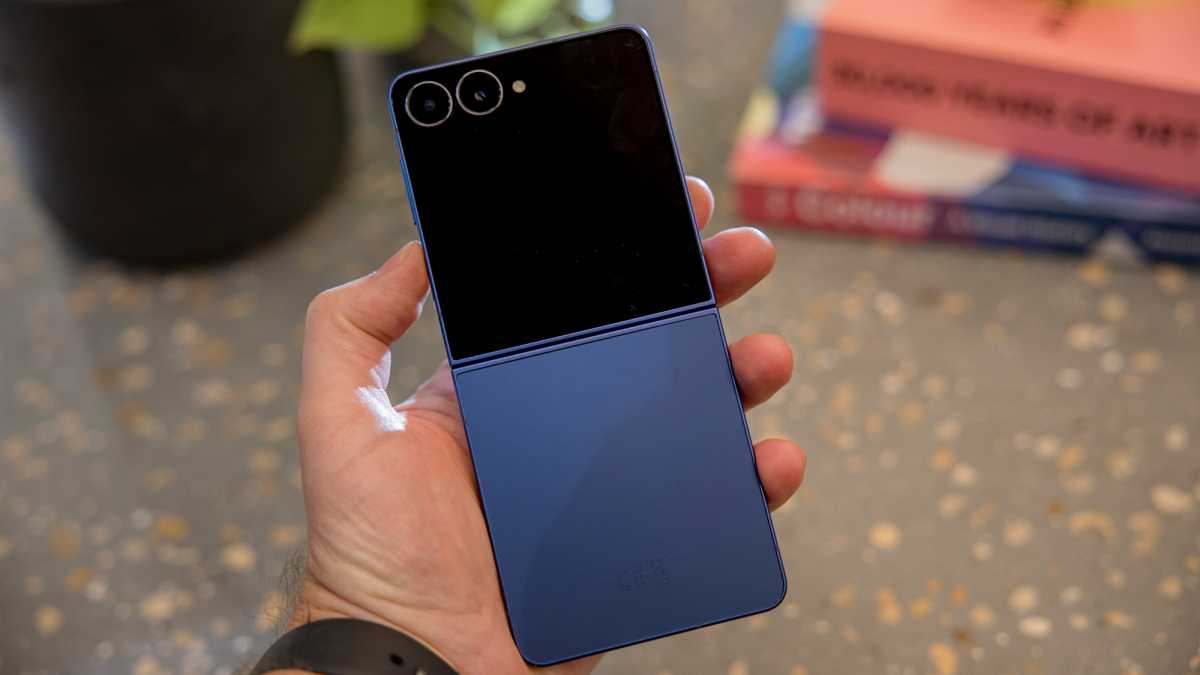
In 2026, it’s simply unacceptable for a smartphone to not last a full day, even with heavy usage. With the Galaxy Z Flip 7’s 4300mAh cell, you might make it to bedtime, but not without a heavy degree of management and battery anxiety.
A repeat of this could mean it’s curtains for the Z Flip line. We know that battery life is one of the major factors that influences which phones people buy. If it’s already underwhelming when you first buy it, how bad could it get a few years down the line? Poor battery life defeats the point of Samsung’s generous seven-year update promise.
Declining to introduce significant battery upgrades is essentially sounding a death knell for the line
Dominik Tomaszewski / Foundry
I’m not asking for an Oppo Find X9 Ultra-rivalling 7000+mAh battery here. I don’t even need a silicon-carbon battery, though it’d make perfect sense given the space constraints here. I just want something greater than 5000mAh – it would ensure comfortable all-day battery life for basically everyone.
While we’re at it, can Samsung finally ditch the snail-paced 25W charging, please? 45W should be the bare minimum for a modern flagship phone, especially with a (hopefully) bigger battery to power.
The situation here is a major reason people are avoiding the Galaxy Z Flip. Declining to introduce significant battery upgrades is essentially sounding a death knell for the line.
A price drop is necessary (even if there are downgrades)
Even if Samsung addressed the issues above, I don’t think enough people would buy the Galaxy Z Flip 8 for it to be a success.
Why? The Z Flip 7 is simply too expensive, especially for a form factor that many won’t be familiar with. Dropping over £1,000/$1,000 on a device that’s so unfamiliar is a huge risk that many won’t be comfortable with.
To address this, the Galaxy Z Flip 8 needs to be significantly cheaper than its predecessor.
In the era of global RAM shortages and economic uncertainty, that might feel almost impossible. However, I think Samsung can make some cost-effective compromises in other areas that would allow it to reduce the price.
Firstly, performance. The Z Flip 7’s Exynos 2500 chipset was already plenty powerful – switching to the (likely more expensive) Snapdragon 8 Elite Gen 5 is always likely to drive the price up.
I honestly don’t believe that this upgrade provides a material difference to the end user, unless you’re a devoted mobile gamer, in which case I’d recommend a different phone anyway. Sticking with the Exynos 2500 or even dropping to a previous generation is a savvy way to reduce costs.
Dominik Tomaszewski / Foundry
Next, the front-facing camera. The Z Flip 7’s 10Mp lens is already average, and most people will use the rear cameras for selfies anyway. For the odd occasion when you’re on a video call, there’s no reason you can’t drop to a lower-resolution sensor.
I also don’t think it needs to have a fancy AMOLED display. Regular LCD panels are just fine in most scenarios and should be a big cost saver. I’m also happy for Samsung to leave the Z Flip 8 out of the lineup for upcoming Galaxy AI features – Gemini and Circle to Search are all most people need.
if this is the line’s last chance to prove itself, I really hope it doesn’t go down without a fight.
Dominik Tomaszewski / Foundry
Will this be enough for Samsung to significantly drop the price of the Galaxy Z Flip 8 in the current climate? I’m not sure. But I think price remains the single biggest reason more people haven’t made the switch, so it should be the priority.
If Samsung is seriously considering ditching the Galaxy Z Flip line, I’ll be disappointed. But if this is the line’s last chance to prove itself, I really hope it doesn’t go down without a fight.