Why Samsung is secretly celebrating its Googlebook no-show
When I saw the new Googlebooks in the flesh for the first time last month, I was shocked.
Not by the software, which aligned closely with what I was expecting for ‘Android on a laptop’. Nor the hardware, even if a £999/$899 starting price was difficult to stomach.
Instead, it was the big name missing from the initial lineup: Acer, Asus, HP, Dell and Lenovo were all there, but where was Samsung?
The Korean giant works extensively with Google across all sorts of projects, including chipset components, Wear OS and many AI features. Had the two had a falling out?
Probably not, as it turns out, with Samsung rumoured to be working on its first Googlebook. However, this decision to delay, however intentional it might’ve been, it looking better with every passing week.
Better late than never
The first reason for the delay is an entirely practical one. For some reason, Googlebooks launched without support for Samsung Galaxy phones.
Yes, that’s right, the operating system designed to be an extension of your phone didn’t work with the biggest Android phone brand on the planet.
However, this has now been rectified, and it means that Samsung phones are finally compatible with all of the Googlebook integration features known as ‘Better Together’.
We’re talking ‘Continue On’ for picking up exactly where you left off on the other device, ‘Cast My Apps’ as an easy way to use any of your phone apps on the big screen, ‘Quick Access’ for instant wireless access to your phone’s files, and ‘Notification Sync’ for, well, syncing notifications.
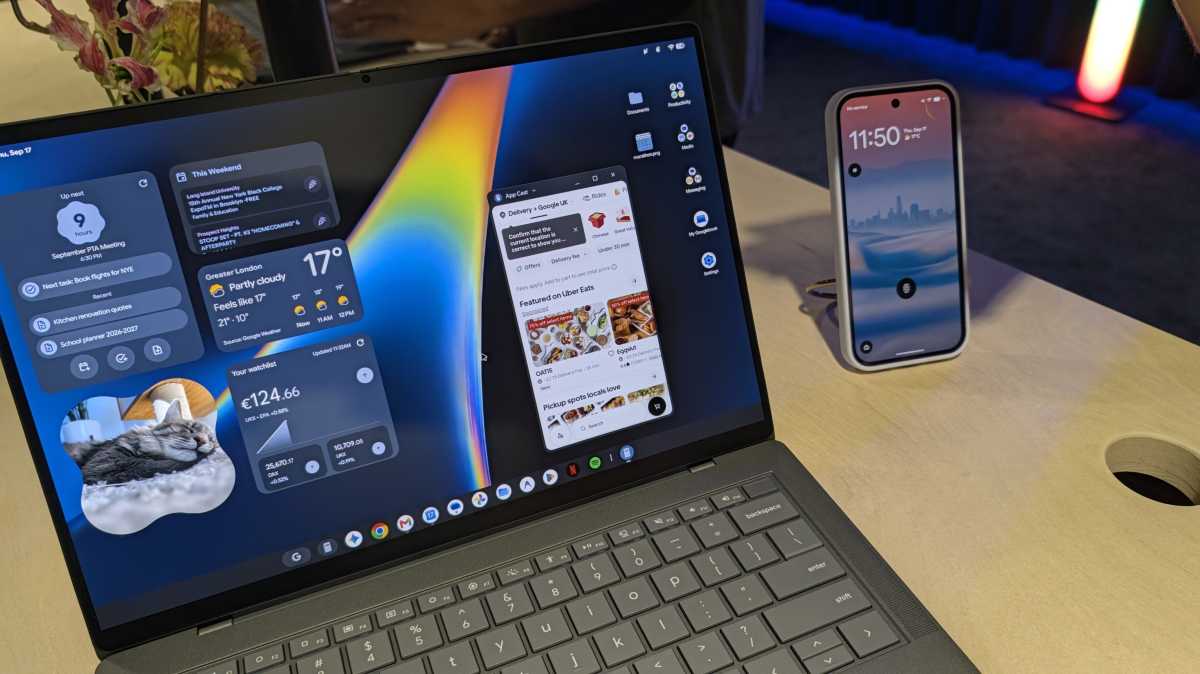
Anyron Copeman / Foundry
In theory, they offer a level of laptop integration that Android phones have never seen before, and a legitimate alternative to Apple’s famed ecosystem.
However, to do that, the Googlebook OS software actually has to work as advertised…
A massive anticlimax
To say Googlebooks have had a rocky start to life would be an understatement. At launch, the gulf between what was announced (and really excited me) and what has materialised has been vast.
Reviewers and early adopters have reported a litany of issues with Googlebook OS, with a lack of optimised apps, cranky performance and buggy ‘Better Together’ features all commonplace. The ‘seamless’ file sharing between devices seems to be anything but.
Google’s eventual plan is to replace Chromebooks with Googlebooks (while still supporting existing devices until the mid-2030s), but there’s a legitimate argument that Googlebook OS is a downgrade on ChromeOS in its current guise.
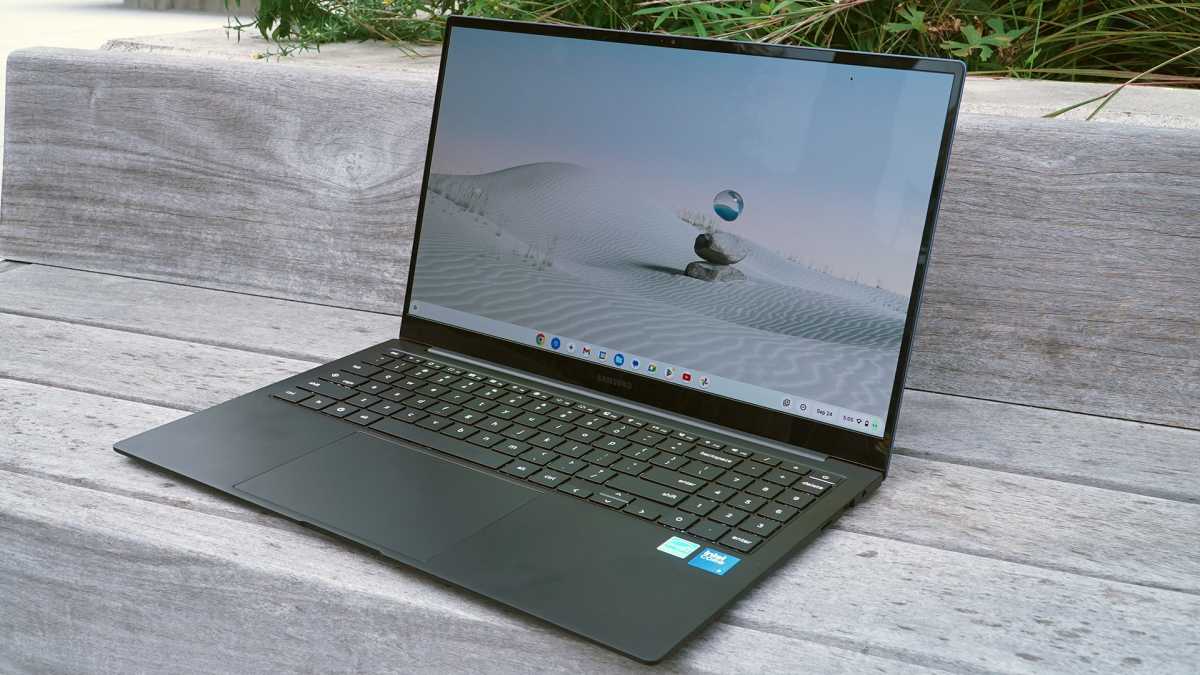
Michael Crider/Foundry
While only a small part of their portfolio, the reputations of all five current Googlebook makers are taking a hit as a result. By hanging back, Samsung avoids getting caught up in any of the ill feeling, protecting its reputation as a laptop manufacturer.
A device thought to be Samsung’s first Googlebook has already shown up on the Geekbench benchmarking database, suggesting a launch is just around the corner. But Samsung shouldn’t rush to release a laptop with software that feels very under-baked so far.
What Samsung’s Galaxy Googlebook needs to do differently
The current issues with Googlebooks are almost entirely centred on software, meaning there is light at the end of the tunnel. A few big updates and more third-party app developers getting on board could transform Googlebook OS over the next year.
I’m also excited to see what Samsung could do with the software experience, especially with One UI arguably even more polished and intuitive than the Pixel UI. Let’s hope Google allows Samsung to really put its own stamp on the Googlebook software experience.

Luke Baker
However, there’s one hardware issue that Samsung could be ideally placed to address: the display. All three OLED models – the Asus, Lenovo, and HP – all appear to suffer from severe battery bleed, with testing from the likes of Tom’s Guide suggesting all-day battery life is often a struggle.
As a market leader in display tech, Samsung is probably best placed to solve this issue.
Even if it does neither of these, a few months’ delay is all the Galaxy Googlebook needs to have a much better chance at success. Not being in that original lineup has turned out to be a blessing in disguise.