
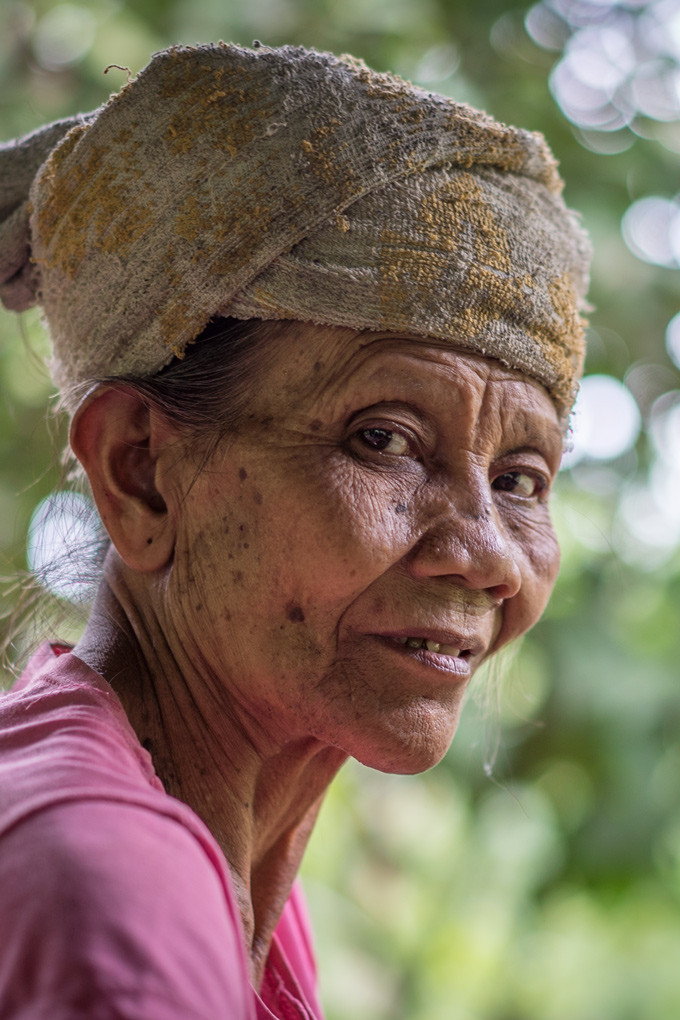
This woman is the owner of a thriving coffee farm in Bali. I took her picture before I knew that. I simply saw her cooking over a hot stove and was intrigued by her face and her work. I’m glad I found out who she is.
I’ve written about being an eco-conscious traveler, but this is about the sting of guilt I’ve felt walking though impoverished villages with an expensive camera in hand and a clean bed to return to.
I wasn’t made aware of extreme poverty until I visited Jamaica in my early twenties. I was in a rough and tumble neighborhood in Montego Bay far from the safety of an all-inclusive resort (I stayed with locals). It was my first exposure to bone-thin stray dogs and metal lean-to’s. My Jamaican friends insisted I stay close to the men in our group as we passed through the barrio. A body had been found (and stepped over by neighbors) just the night before. I was scared.
But I was also pricked — my conscience, that is. My six years on Guam has exposed me to far more than even that Jamaican ghetto. It’s my motivation for making a film about the loss of indigenous culture on Guam.
That being said, I don’t want to debate the consequences of white guilt. However, I do think travel bloggers, writers, and tourists from affluent lands can’t simply ignore the disparity between tourists and the indigenous people whose lands we enjoy visiting.
[slogan]We shouldn’t simply divert our eyes or point our lenses away from social injustice when we travel.[/slogan]
Those of us who enjoy photographing local people can’t help but wonder if we are ignoring their struggle in the process of creating our art. It was another travel blogger that prompted me to consider this once again.
The irony is that exposure to injustice is actually a great reason to travel. If you eschew the trappings of tourism and get to know local people, you gain not only a better understanding of the world, but of your place in it.
My husband always said, “You know we live on the creamy, upper crust of society, right?” I would argue back: “But we’re not rich. We’re just regular working class people.” After I moved out of the U.S. Mainland, I came to see that he was right. Living in Dallas, we were neighbors of Ross Perot and George Bush, Jr. We enjoyed the same civil liberties, Starbucks, and Whole Foods as people whose annual income I wouldn’t earn in a lifetime.
It’s hard to recognize being privileged in this way until you are exposed to people and societies who literally have no options in life. I was in China when the government announced the historic legalization of two children per couple instead of just one. I’ve witnessed the extreme crowding in the most densely populated city in the world. I’ve seen the scars of Apartheid in South Africa.
For travel bloggers, it’s important to acknowledge injustice even when promoting a destination. And for tourists, trampling on the livelihoods, liberties, or property of locals when we travel is simply inexcusable.
As a tourist from an affluent country with a passport that is virtually undiscriminated against, I will never be able to say I’ve walked a mile in any one else’s shoes.
That’s okay. I can’t change where I’m from.
What’s not okay is being insensitive.
What’s not okay is treating people as inferior.
What’s not okay is pretending injustice doesn’t exist.
What’s not okay is traveling like a tourist at the expense of local people and lands.
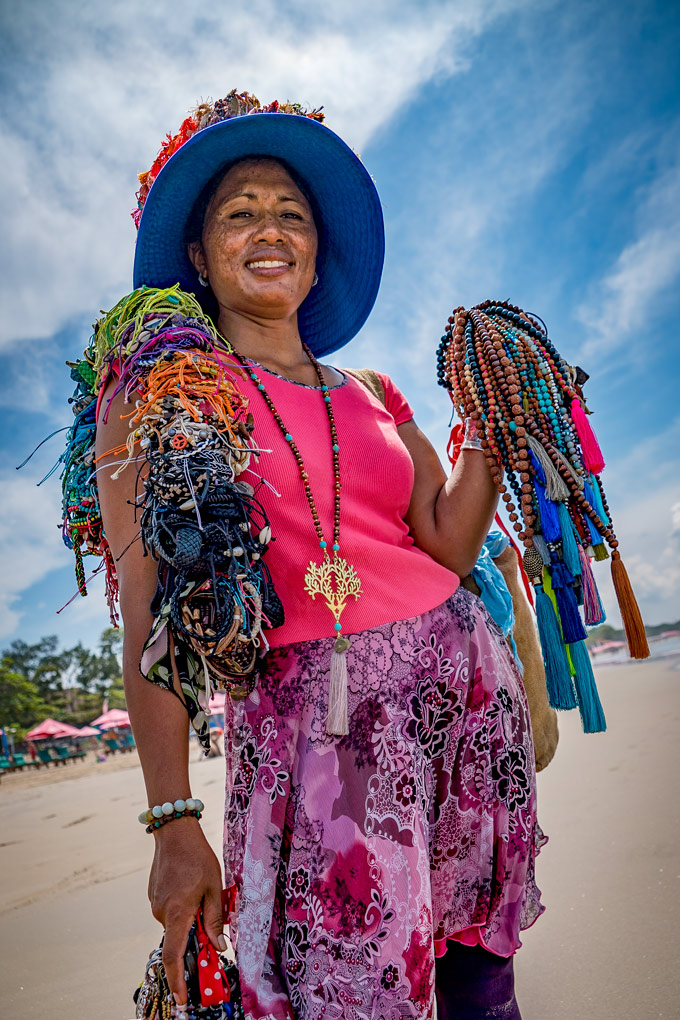
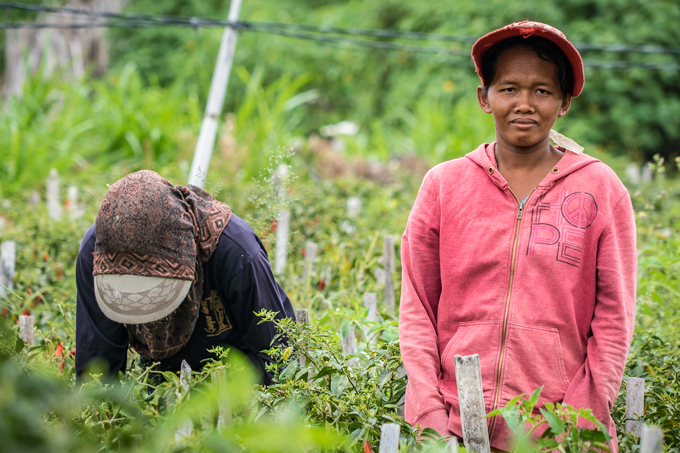
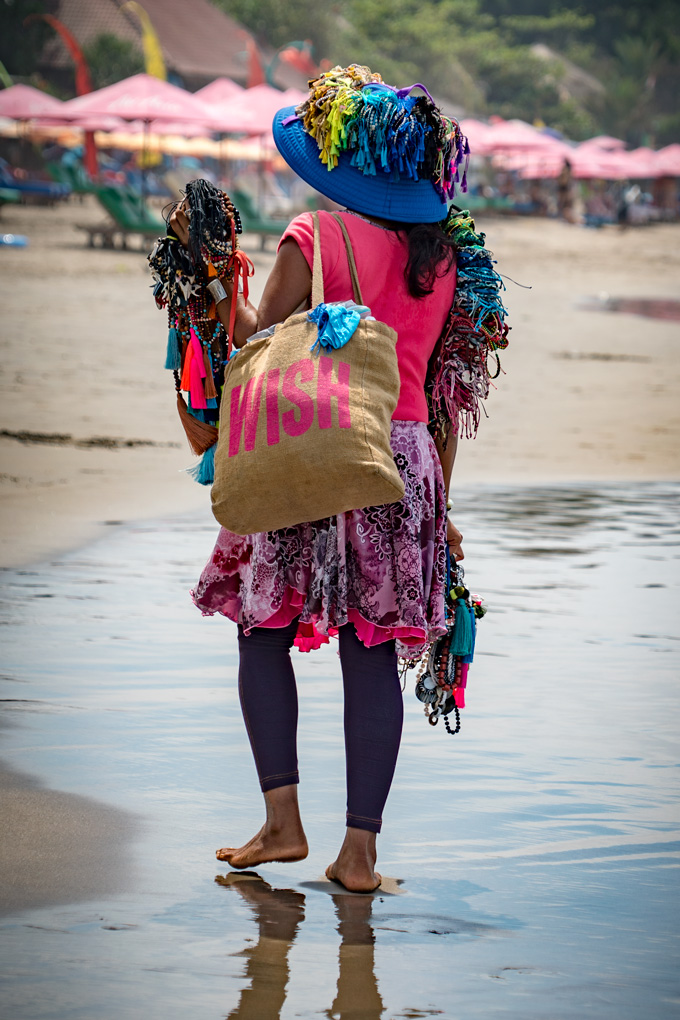
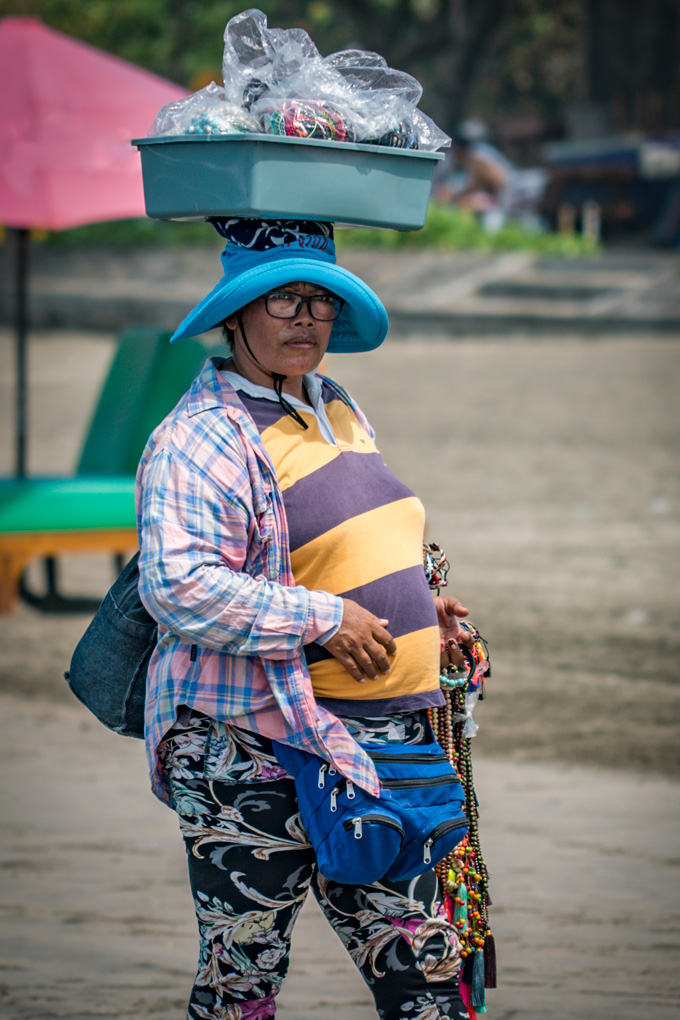
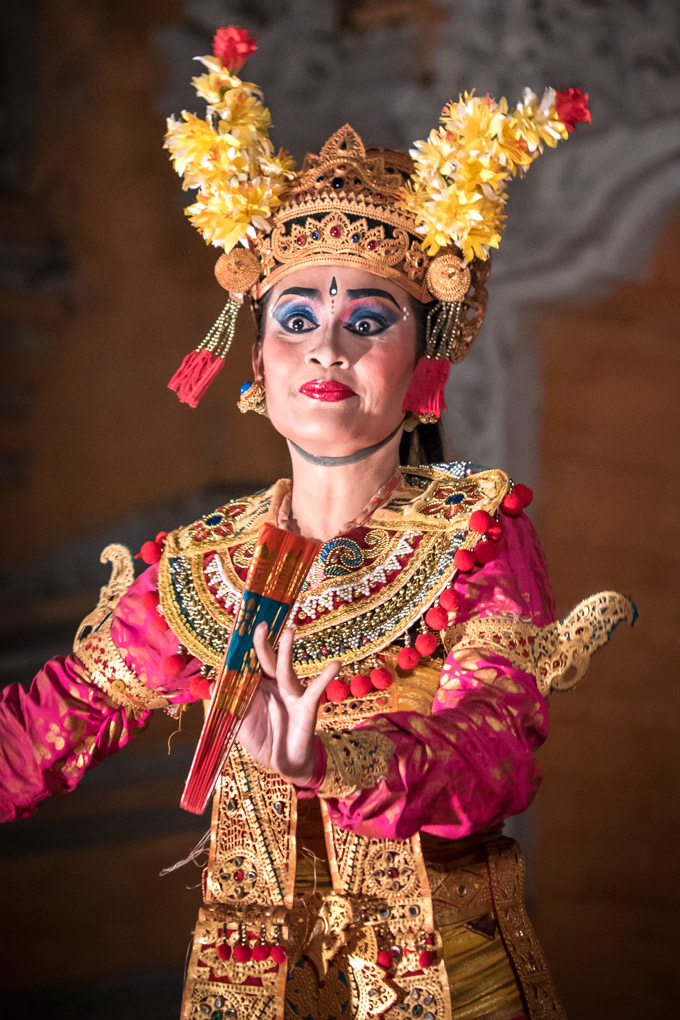
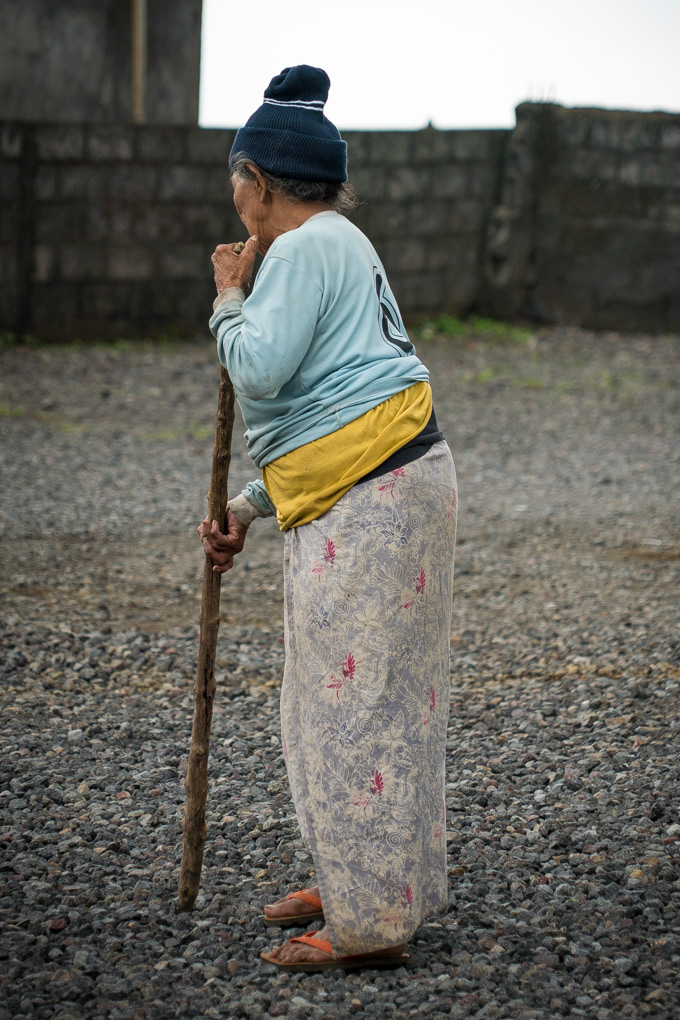
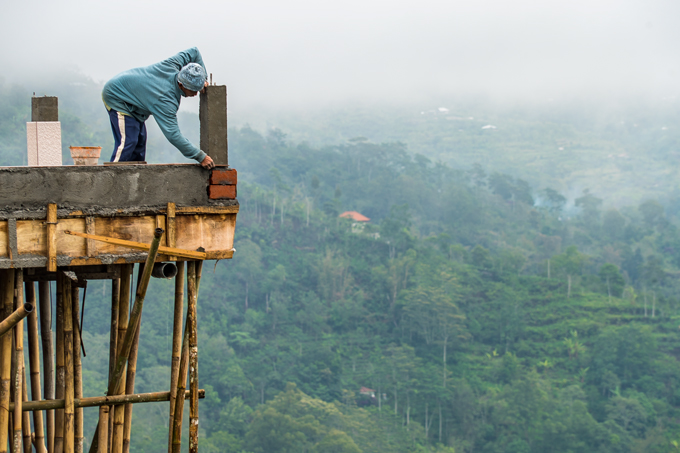
I don’t have all the answers in this post and I’m not so naive as to believe humans can right all their wrongs. I don’t even claim to be blameless in all these respects. I’m simply pointing out the need to acknowledge that behind our exotic portraits of working class faces are real people who deserve a second look.
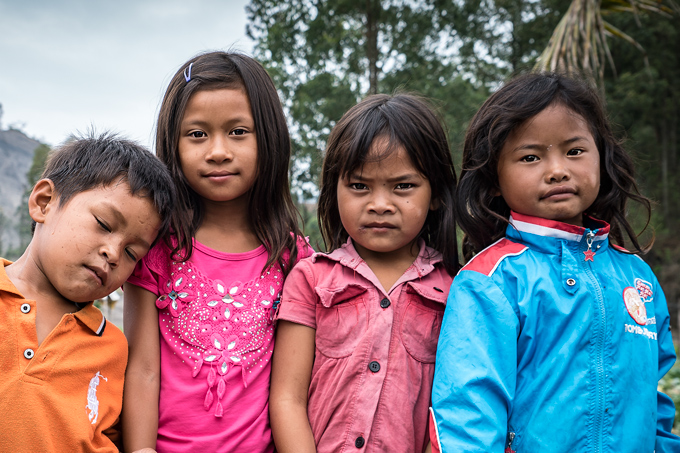
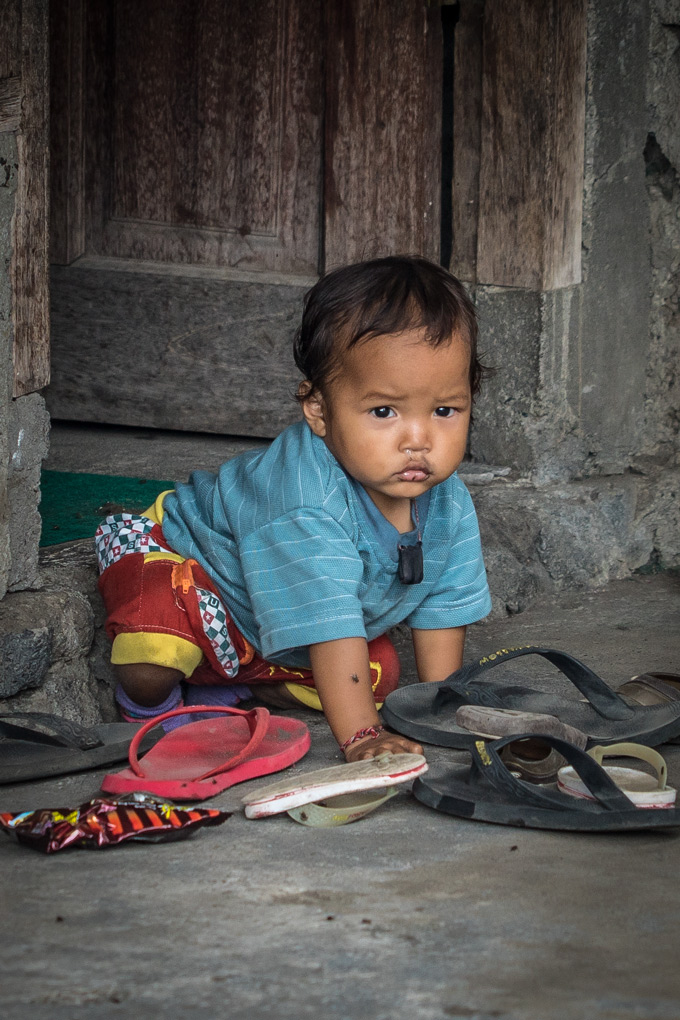
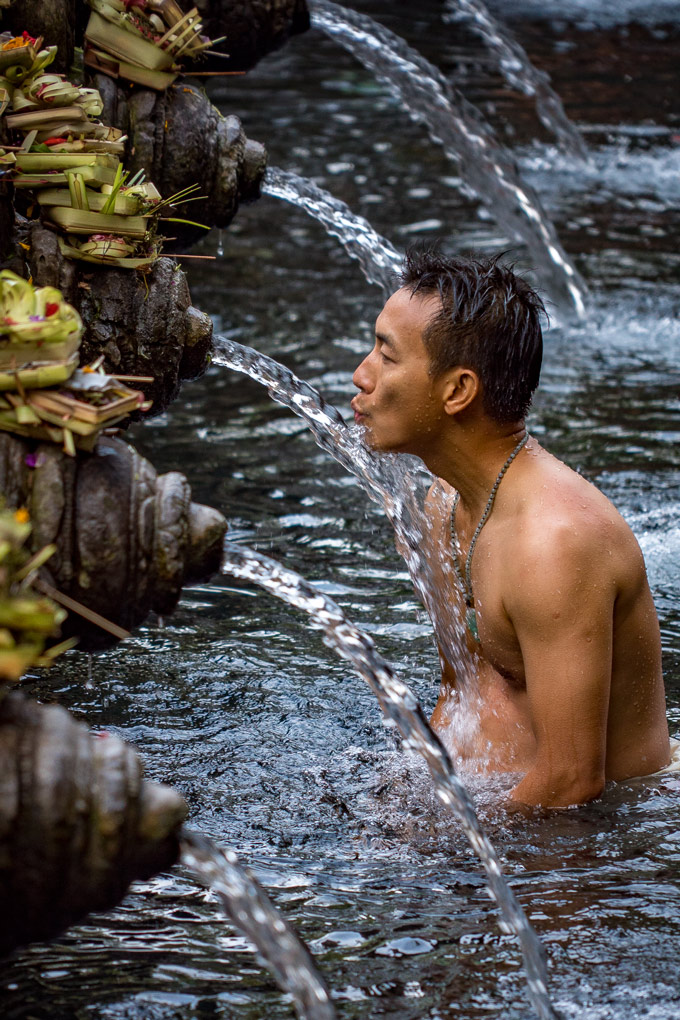
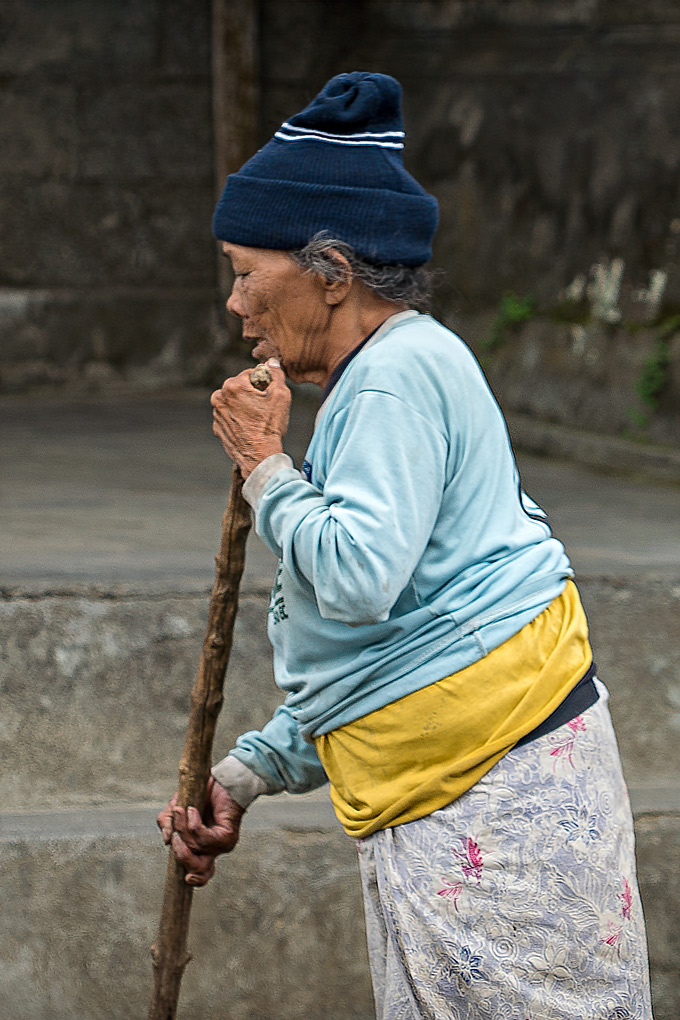
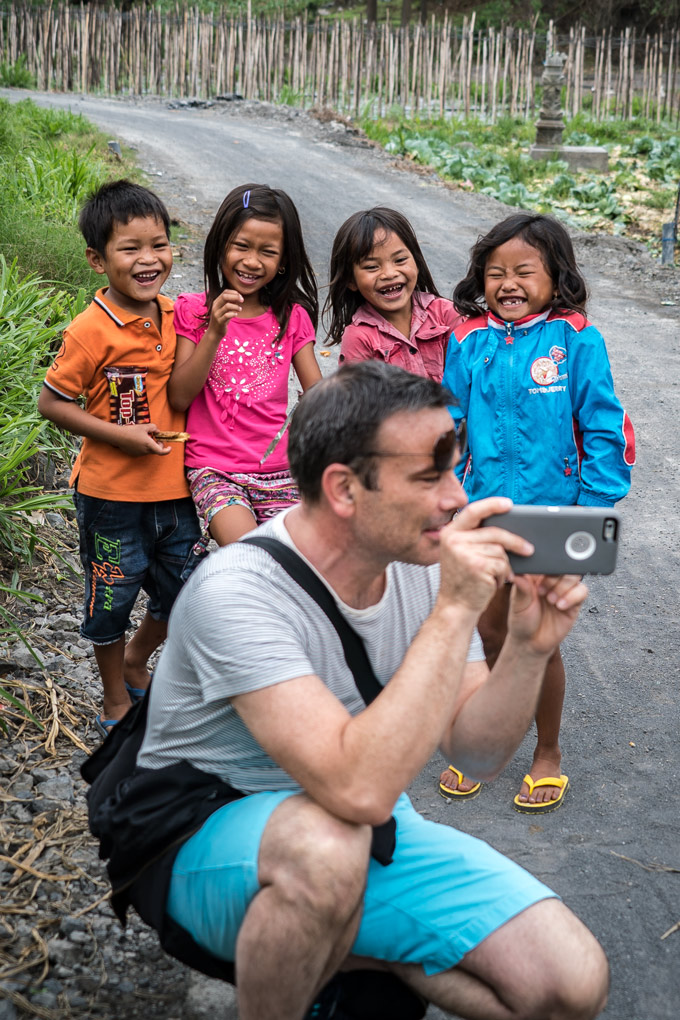
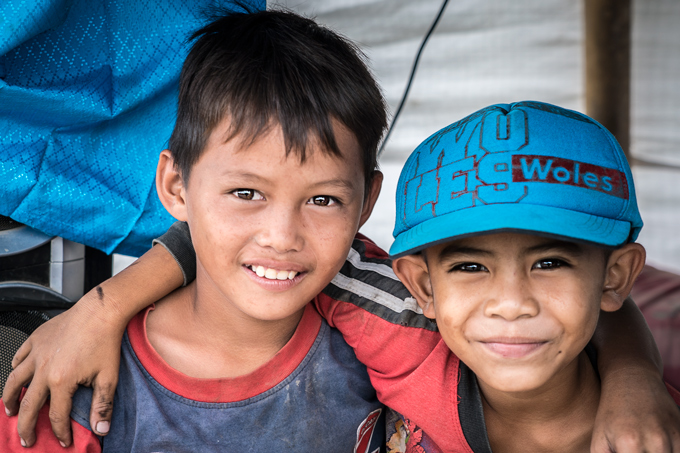
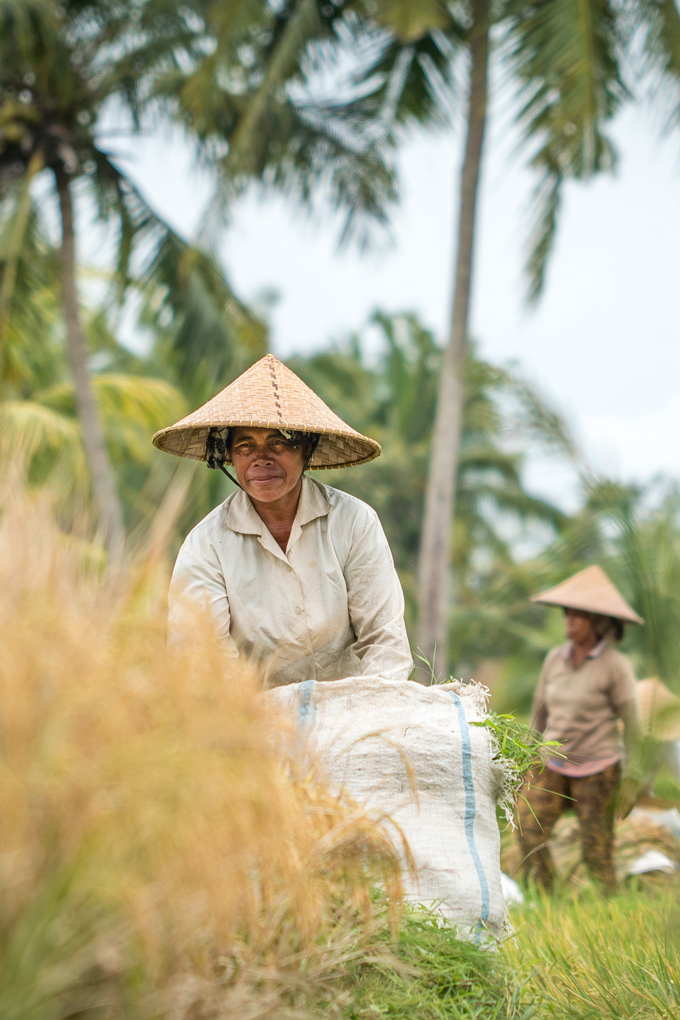
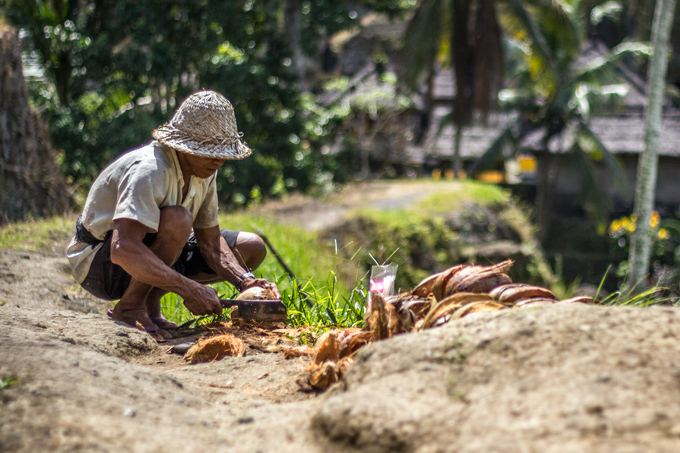
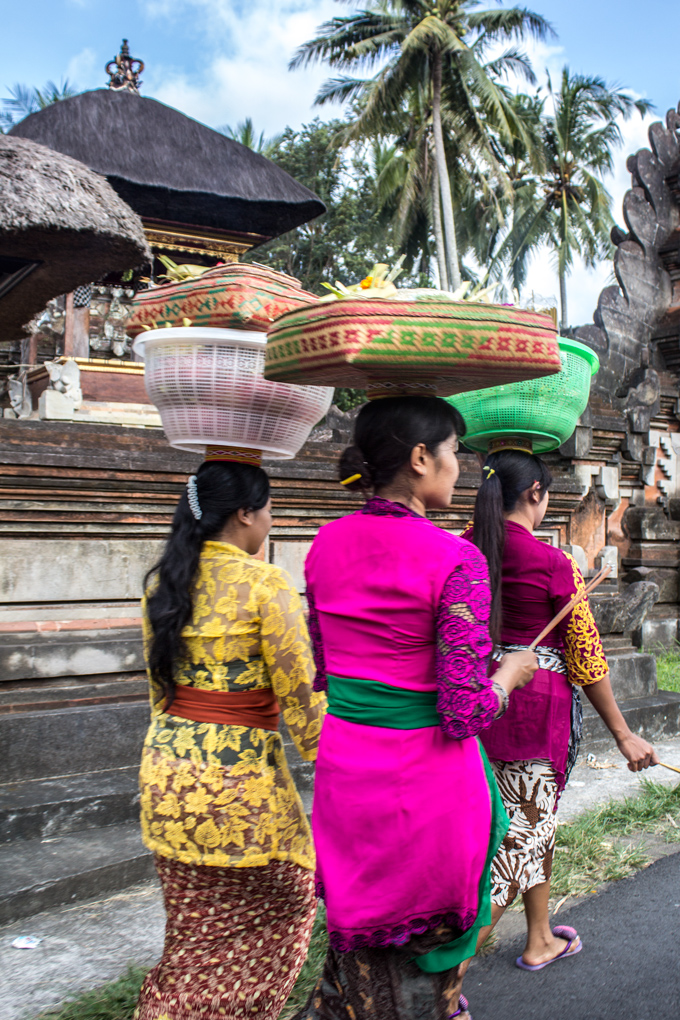
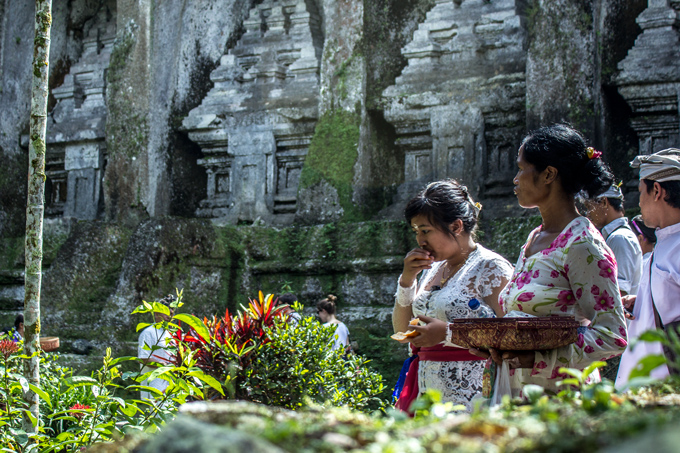
I don’t know all the stories of the Balinese people you see here. I can tell you that these children pictured below, although giddy at the sight of us, live in a modest farming village at the foothills of a volcano. Their faces are dirty because volcanic ash fills the air. The surrounding lake, though beautiful from far away, is infested with flies.
I write this, not to be discouraging about visiting Bali, and certainly not to disparage the Balinese way of life, but to point out that a picture is not always worth a thousand words. Sometimes a thousand words are necessary. After all, who of us would want to be summed up with a single photograph?
I’d love to hear your thoughts on the issue below!


